Why Are Coffee Beans Roasted? How Should You Choose the Charge Temperature for Roasting Coffee Beans?
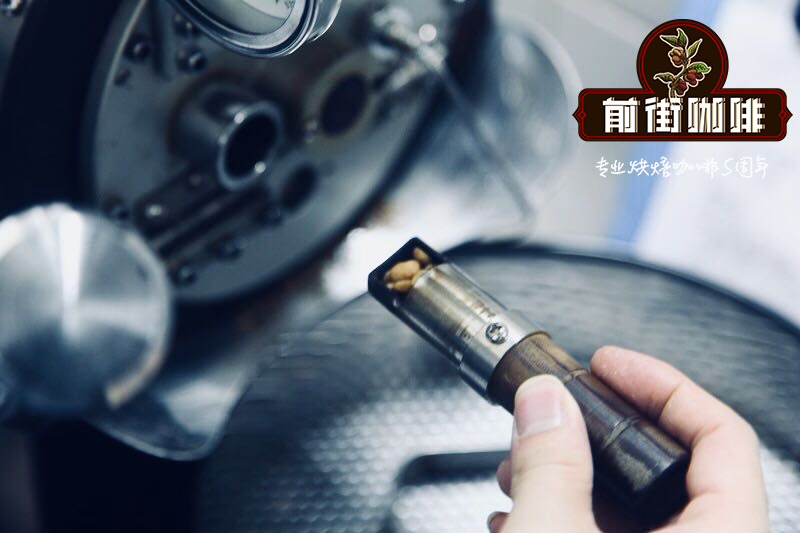
Coffee beans start out blue-green—so why do they turn brown? That is where roasting comes in.
The shade of brown varies with roast level. Roasting is a science: the age, density, hardness, and moisture content of the green beans all affect the quality of the roasted coffee, and even the relative humidity and temperature on roasting day cannot be ignored. Roasting heats the beans directly, without oil, water, salt, or sugar. So what are the key considerations? Do you know the three things that matter before the beans ever hit the drum?
Key Points to Note Before Roasting Coffee Beans
1. Remove the defective beans mixed in with the green coffee. Even a single defective bean can affect the flavor of the entire batch.
2. The ideal moisture content for green beans is 11-13%. Holding that level requires proper storage, with warehouse humidity and temperature ideally kept at an average of 50% and 20°C respectively.
3. When it is time to roast, we measure out the required weight of green beans and pour them into the hopper—where they sometimes wait a while. Why? Because the roaster must be preheated first. We set the target preheat temperature, then adjust to the appropriate drum temperature before charging the beans. The principle is the same as pan-frying a steak: you rarely drop a steak onto a cold pan. Just as preheating an oven bakes a cake more evenly and lets it rise better, roasting, like cooking, demands a properly preheated machine.
FrontStreet Coffee suggests that when roasting flavor-focused beans, you can choose a higher charge temperature and a faster roasting rhythm, as long as dehydration is complete. This better expresses the beans' floral and fruity aromas and vibrant acidity, and avoids the nutty, creamy, or cocoa flavors that a slower rhythm tends to develop.
FrontStreet Coffee Recommendation
In roasting, three elements decide a coffee's final flavor: acidity, sweetness, and bitterness. Darker roasts turn more bitter and heavier; lighter roasts turn more acidic and lighter. For drinkers chasing balance, medium roast is the sweet spot. If you dislike both sour and bitter, try the FrontStreet Fazenda Rainha (Queen Estate) coffee from Brazil, the world's largest coffee producer, made from the local Yellow Bourbon variety. Medium roasted, it shows cream, peanut, chocolate, toast, and sugarcane aromas and sweetness, and works just as well in a moka pot or espresso machine as in a pour-over. For a fruitier medium roast, reach for the FrontStreet Strawberry Candy, which combines a honey-processed Costa Rican component with washed Panama Geisha. Roasted medium to highlight the best of both, it offers orange-blossom honeyed notes and rounded sweetness across cold brew, pour-over, and espresso. Yunnan's flagship makes a strong showing too: the FrontStreet 2013 Natural Typica, roasted medium to preserve its balanced, gentle character of nuts, brown sugar, black tea, and dried apricot, is excellent value for pour-over, cold brew, or drip machines. And for balance at its most celebrated, the FrontStreet Jamaica Blue Mountain No.1—Typica grown under the Blue Mountains' singular conditions—uses medium roast to fuse its acidity, bitterness, sweetness, and body into chocolate, roasted nuts, cream, and caramel.
Important Notice :
FrontStreet Coffee is a long-established specialty coffee roaster in Guangzhou China, selling freshly roasted beans from its own farm in Yunnan as well as dozens of carefully selected single-origin beans from around the world for both pour-over and espresso. The products deliver consistently excellent quality and great value, with shipping within 24 hours. Guangzhou's FrontStreet Coffee shop is recommended by many coffee lovers, and the beans are now available online at the Tmall 。
FrontStreet Coffee has moved to a new address:
FrontStreet Coffee Address: 315,Donghua East Road,GuangZhou
Tel:020 38364473
 Scan and follow the En Gafei WeChat official account. Please indicate that the reprint comes from "En Gafei".