Standard Extraction Time and Ratios for Espresso: Why Can't Espresso Be Extracted Twice?
Principles of Espresso Extraction
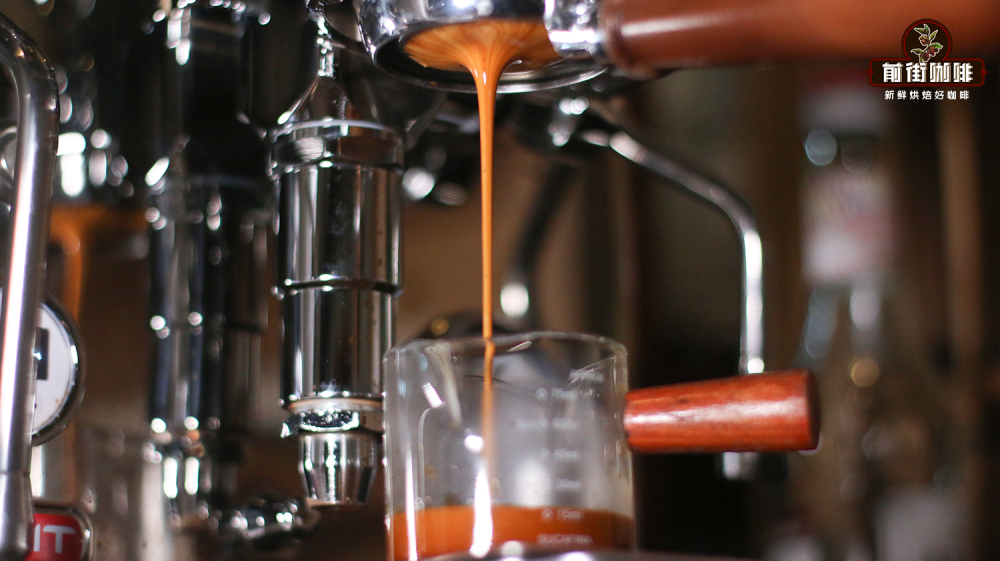
Calibrating a qualified, delicious espresso is the first job in every coffee shop before the doors open. We all know what good espresso tastes like, but what exactly counts as a qualified espresso? Today FrontStreet Coffee will dig into espresso extraction.
Espresso is essentially a percolation method that uses precision metal filters. Compared with gravity percolation, as in pour-over, the biggest difference is pressure.
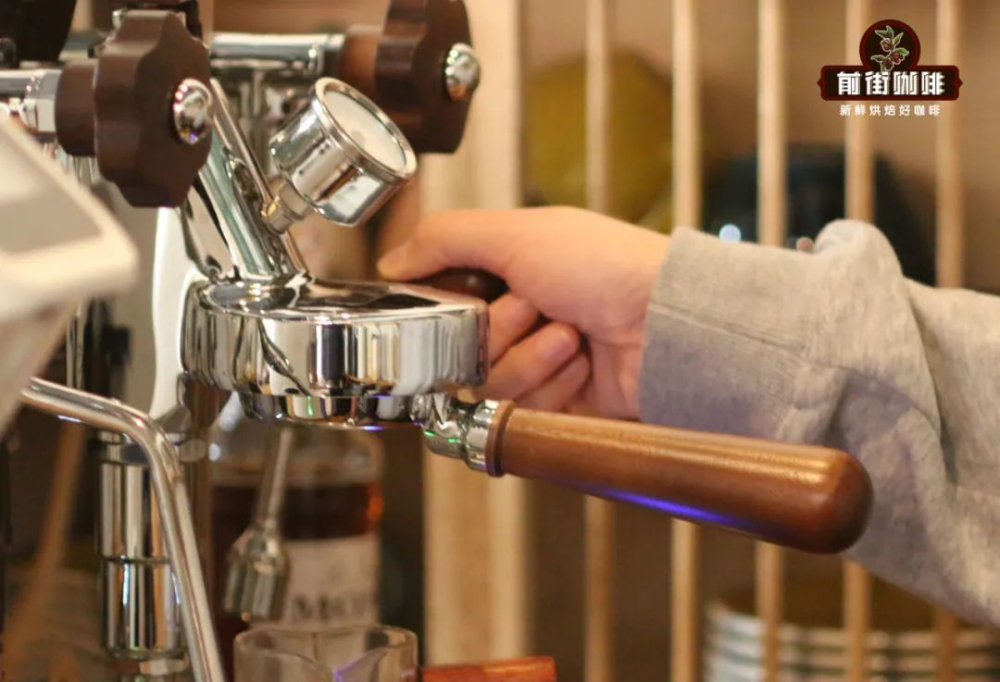
An espresso machine forces high-pressure water through the puck, which means that even when the grounds are extremely fine, it can still achieve moderate percolation and balanced extraction. The finer the grounds, the more their surface area grows, so one great advantage of very fine grinding is speed: extraction happens fast, and the quality is higher too. High pressure can push water into the internal cell walls of the grounds and pull out emulsified oils and dissolved sugars that gravity alone could never reach.
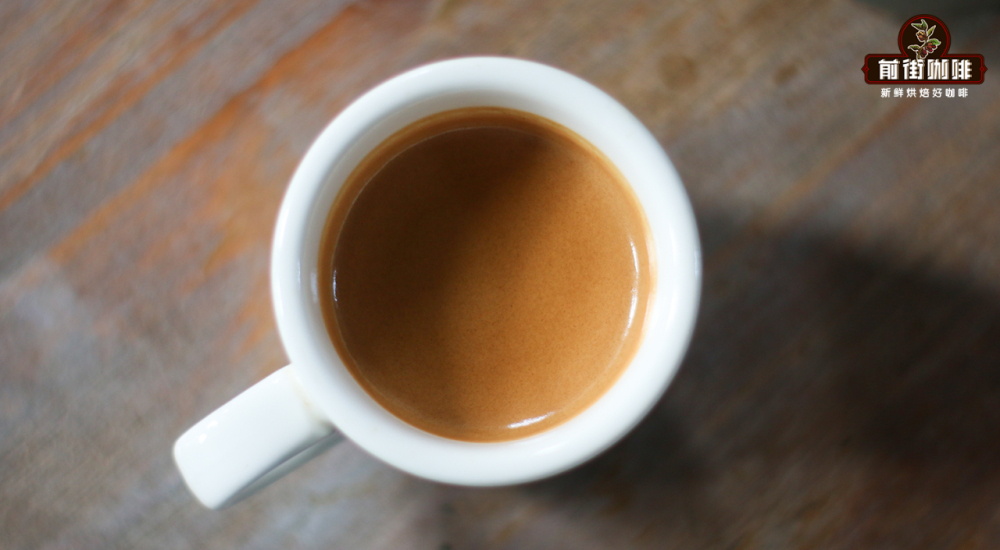
Espresso represents coffee at its most complex and concentrated. No other brewing method delivers such richness and texture. To get a delicious cup, excellent extraction is essential, striking a balance between aromatic compounds and taste compounds. Put simply, the acidity, sweetness, and bitterness should all be pleasant, which means you have to taste in order to judge the state of a shot.
Why Can't Espresso Be Extracted Twice?
Coffee extraction is a complex physical process. Bring grounds into contact with water and soluble components move from the coffee into the water, creating the brew. Roasted beans consist of soluble aromatic substances, roughly 30%, and woody fiber, roughly 70%. The Golden Cup Standard suggests that when the extraction rate falls within the 18-22% range, the resulting coffee is relatively delicious.
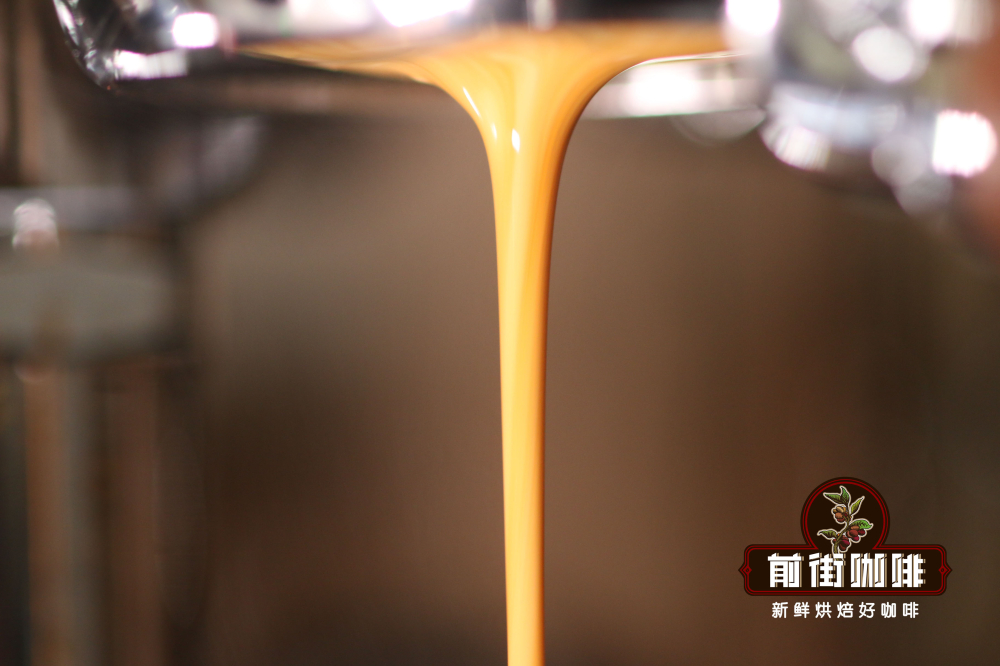
Soluble aromatic substances cling to the cell walls of the roasted bean and dissolve on contact with water, then are carried out with the water. That is what we call extraction. The darker the roast, the looser the internal structure and the more easily those substances break down and release. As water keeps washing over the grounds, aromatics keep coming. Once about 22% of the aromatics have been extracted, continuing to pour or running a second brew only releases large-molecule compounds with unpleasant flavors.
Factors Affecting Espresso Extraction
As with pour-over, the extraction parameters play a crucial role in how espresso tastes, but they are not fixed numbers. When you brew tea, for instance, both a longer steep and less water produce a more concentrated cup. The same logic applies to coffee: once you understand how the parameters relate to one another, pulling a delicious espresso is not difficult. Below, FrontStreet Coffee uses our own bar workflow as an example to walk through several key factors. In our shops we use the house-roasted Sunflower Warm Sunshine Blend, built from Honduras Sherry and Ethiopian Yirgacheffe Natural Red Cherry.
1. Dose-to-Yield Ratio
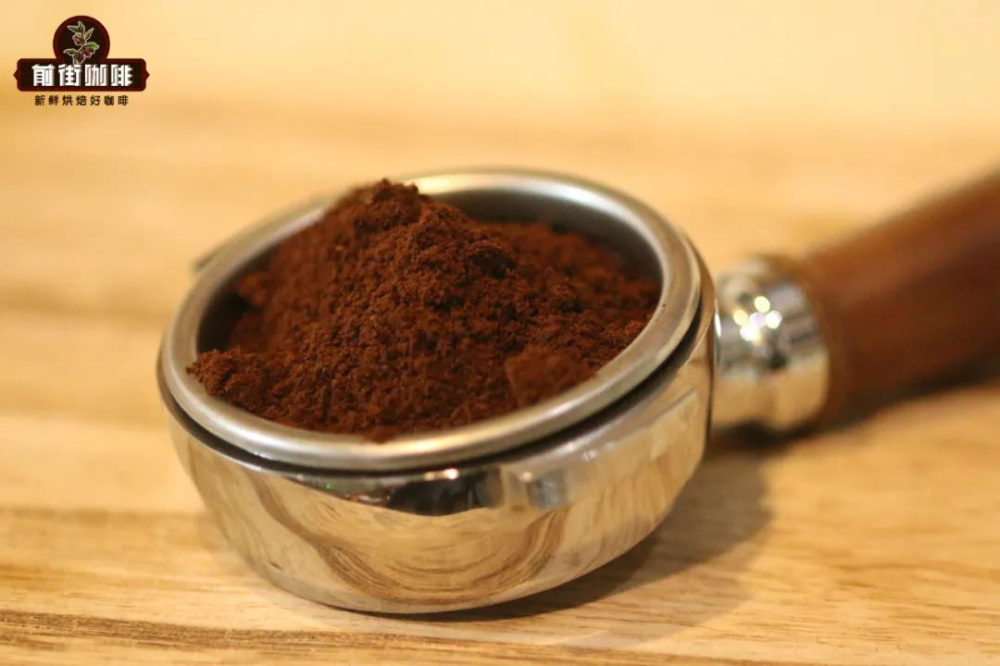
The extraction ratio takes in both the dose of grounds and the weight of the brewed coffee. The dose depends largely on the size of the portafilter basket. Our shop machines come with 20-gram capacity double baskets, and we use 20 grams of grounds, then adjust up or down based on how the shots are pulling that day.
As noted above, the more water poured through coffee, the lower the concentration, the flatter the taste, and the less defined the flavors. An appropriate dose-to-yield ratio therefore matters a great deal. It generally falls between 1:1.5 and 1:2.5, with 1:2 the common choice, such as extracting 40 g of coffee from 20 g of grounds.
2. Grind Size
In most cases, pulling an espresso takes only a few dozen seconds. In that short window, the grounds need to be finer and more uniform to give up their full aroma, which calls for an electric grinder built specifically for espresso.
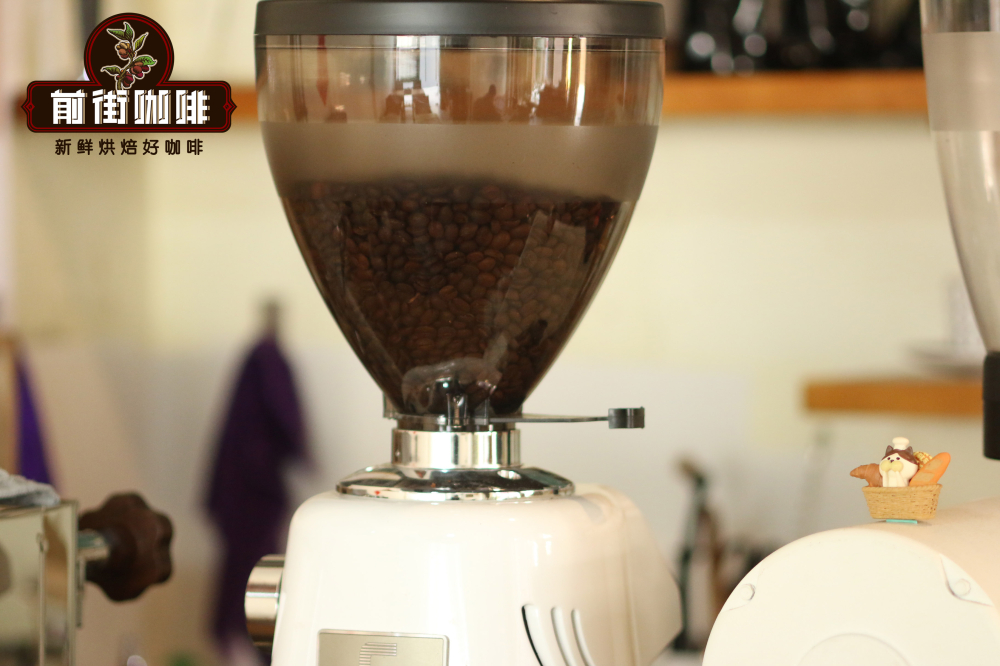
Grind size has to be dialed into the right range. Too coarse and the shot is likely under-extracted, giving weak flavor and prominent acidity. Too fine and it is easily over-extracted, turning bitter. And because espresso grinding is far finer than pour-over, adjustments must be small; large jumps introduce too many variables and make extraction unstable.
3. Extraction Time
Flavor compounds in coffee begin reacting the moment they meet water. Extraction time runs from the moment we press the button until the flow stops, usually controlled between 25-30 seconds. With the dose-to-yield ratio fixed at 1:2, we control time by adjusting grind size and dose. Under 25 seconds, the shot tends to be thin and weak with obvious acidity. Over 30 seconds, it tends toward scorched bitterness and harsh flavors. In our shops the extraction time usually runs 29-30 seconds, which stabilizes the flavor compounds while avoiding over-extraction of large-molecule substances.
4. Flow Rate
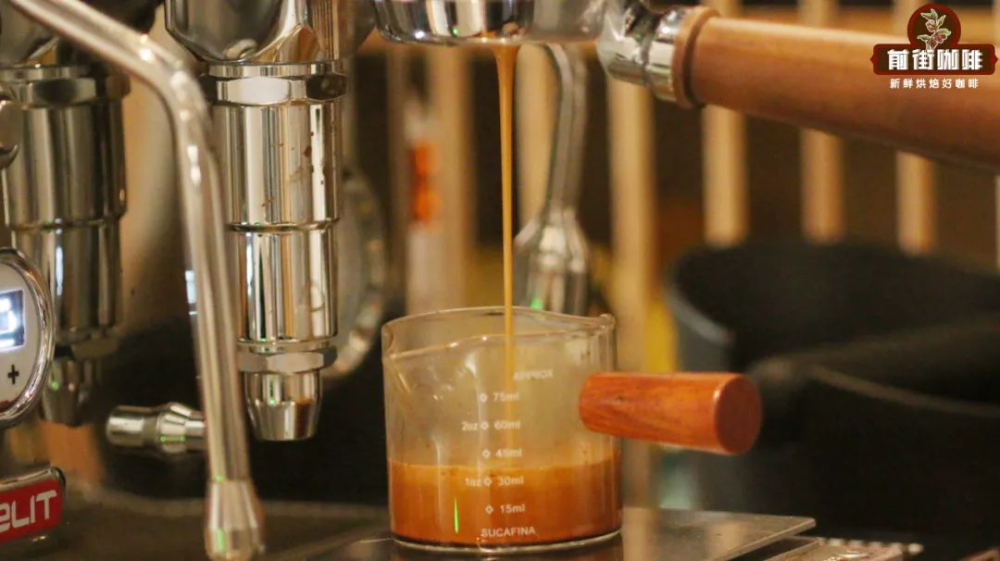
Flow rate is the speed at which the coffee runs down, and the ultimate goal of all our parameters is really a flow rate result.
Normally, a proper espresso should begin dripping around the fifth second after the button is pressed, with the flow staying fairly even afterward. The speed of that flow directly reflects whether the grind size and ratio are right. If the first drop does not appear until more than 10 seconds in, excluding pre-infusion, the grounds may be too fine or the puck tamped too hard. If the flow is too fast or sprays, the grounds are too coarse or channeling is happening.

5. Pressure and Water Temperature
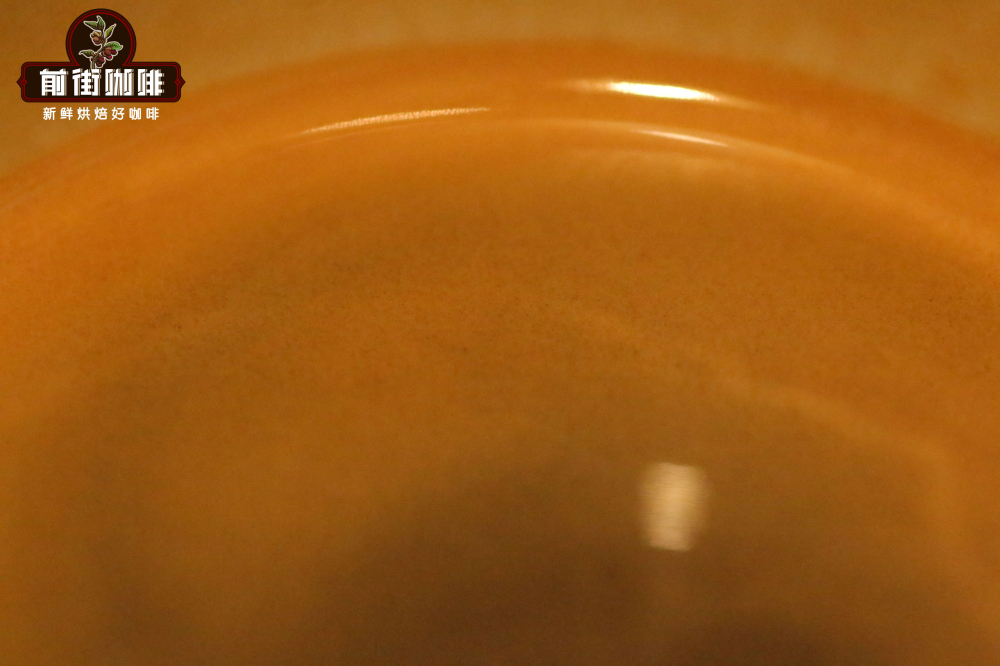
When a shot is freshly pulled, you can see a layer of crema floating on top, made of countless tiny bubbles. Crema is a signature of espresso made from fresh coffee beans.
Coffee beans produce a great deal of gas during roasting. Under high pressure, water dissolves carbon dioxide out of them, but as the brew returns to normal atmospheric pressure, the liquid can no longer hold all of that gas, so countless small bubbles rise to the surface and sit there like a stable layer of foam. As the gases in the beans keep escaping over time, the further a coffee is from its roast date, the less carbon dioxide remains and the thinner the crema. Freshly roasted beans and sufficient pressure are therefore both indispensable to crema.
Typically, semi-automatic espresso machines extract at around 9-10 bar, with water temperature generally between 90-94°C. The higher the temperature, the more substances are released in the same amount of time. Excessively high temperatures easily bring scorched bitterness, while too low a temperature leaves the shot under-extracted and flat.
Espresso Bean Recommendations
Delicious dishes depend on good ingredients, and a delicious espresso naturally calls for flavorful, high-quality beans. The FrontStreet Coffee bean menu offers four espresso blends, each one developed through repeated comparison and reformulation by our team.

Classic Full-Bodied Type - FrontStreet Coffee Commercial Blend Beans
Robusta washed coffee beans (10%) + Colombian washed coffee beans (30%) + Brazil natural pulped coffee (60%)
The shot shows rich golden crema and nutty aroma. On the palate you get scorching coffee bitterness, but more prominently a creamy, full-bodied texture. After swallowing, the bitterness fades and leaves a fragrant aftertaste.

Slightly Acidic Full-Bodied Type - FrontStreet Coffee Basic Blend Beans
Yunnan washed Arabica coffee beans (30%) + Brazil natural pulped coffee beans (70%)
Gentle Yunnan Arabica acidity meets the full-bodied aroma of Brazilian Cerrado coffee. The espresso presents caramel, nuts, and a soft plum acidity.

Balanced Rich Aroma Type - FrontStreet Coffee Premium Blend Beans
Colombian washed coffee beans (30%) + Brazil natural pulped coffee beans (70%)
Adding Colombian coffee to the classic nutty notes of Brazilian coffee yields an espresso with dark chocolate flavors, caramel sweetness, and a full roasted aroma.

Delicate Wine Aroma Type - Sunflower Warm Sunshine Blend Beans
Ethiopian Natural Red Cherry coffee beans (30%) + Honduras Sherry Barrel coffee beans (70%)
Pulled as espresso, it delivers very rich dark chocolate with strong caramel notes, and the aroma released after swallowing is endlessly memorable. Diluted with water for an Americano or rounded out with milk for a latte, it shows rich aroma and flavor either way.
FrontStreet Coffee Recommendation
For anyone who wants a single-origin bean to pull as espresso, the FrontStreet Brazil Queen's Estate is the most versatile choice on our shelf. A rare yellow Bourbon from Brazil, it is roasted to a medium level and gives a clean, sweet cup of cream, peanut, chocolate, toasted bread, and sugarcane, with a pleasant balance between soft acidity and gentle bitterness. It is equally at home in a pour-over, a moka pot, or an espresso machine, so it is a forgiving bean while you dial in your recipe.
If you would rather have a low-acid, bolder option to build espresso drinks around, the FrontStreet Bird of Paradise from Papua New Guinea is worth trying. Grown at 1,600-1,800 meters in the volcanic soils of the Sigri region from Typica, the same variety behind Blue Mountain, it is graded AA, with plump beans and very few defects. A triple washed fermentation leaves it clean and pure with standout sweetness and no sharp acidity, which makes it a satisfying, easy-drinking cup for anyone who prefers coffee without pronounced sourness.
Important Notice :
FrontStreet Coffee is a long-established specialty coffee roaster in Guangzhou China, selling freshly roasted beans from its own farm in Yunnan as well as dozens of carefully selected single-origin beans from around the world for both pour-over and espresso. The products deliver consistently excellent quality and great value, with shipping within 24 hours. Guangzhou's FrontStreet Coffee shop is recommended by many coffee lovers, and the beans are now available online at the Tmall 。
FrontStreet Coffee has moved to a new address:
FrontStreet Coffee Address: 315,Donghua East Road,GuangZhou
Tel:020 38364473
 Scan and follow the En Gafei WeChat official account. Please indicate that the reprint comes from "En Gafei".