
The Origin and History of Cold Drip Coffee: How to Describe Its Flavor Profile and How to Drink It
For professional coffee knowledge exchange and more coffee bean information, please follow Coffee Workshop (WeChat public account: cafe_style)
For more specialty coffee beans, please add FrontStreet Coffee's private WeChat account: qjcoffeex
The Difference Between Cold Drip Coffee and Hot Brew Coffee
The difference between cold drip coffee and hot-brewed coffee lies in the extraction method. When coffee is brewed with hot water—whether by pour-over, espresso, French press, AeroPress, or other methods—no matter how the parameters are adjusted, the resulting cup will inevitably carry some degree of bitterness and astringency.
When coffee grounds are brewed with high-temperature water or steam, the process releases a chemical compound called "tannins," which gives coffee its bitterness. Sometimes this is not detected in pour-over coffee because these compounds are significantly diluted, making their presence less obvious. In pressurized brewing methods, however, the bitterness becomes more pronounced.
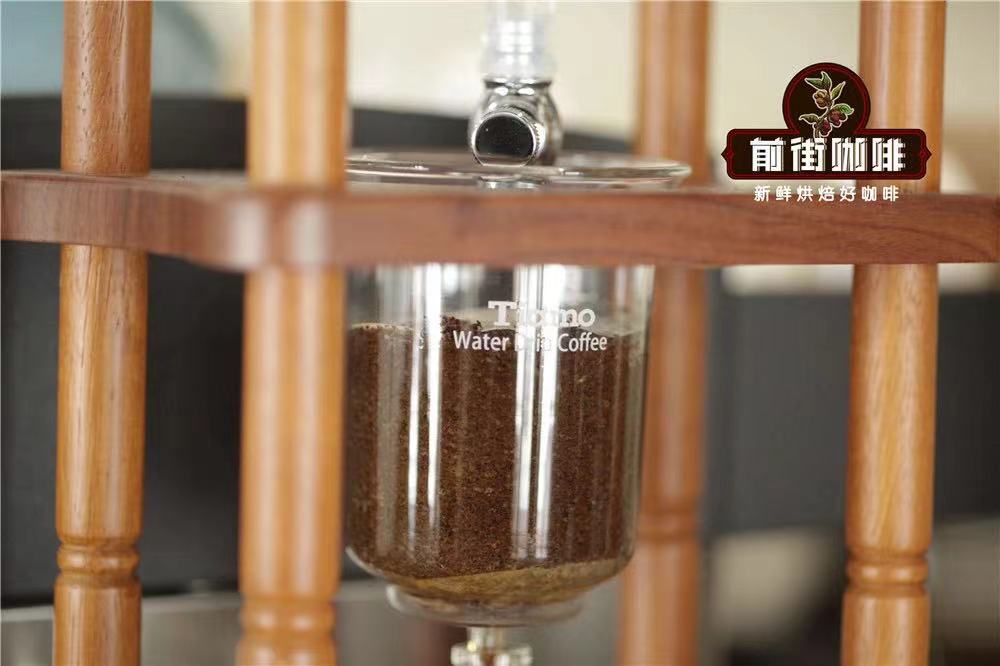
Cold drip coffee, by contrast, uses extremely low-temperature water to extract compounds from the grounds. Because there is no thermal molecular motion, the bitter compounds in the grounds are not easily released. As a result, the coffee not only avoids unpleasant bitterness but also brings out the inherent sweetness of the coffee itself.
The Historical Origins of Cold Drip Coffee
Cold drip coffee originated in Europe. Because the coffee distillation apparatus was invented by the Dutch, some people refer to it as "Dutch Coffee."
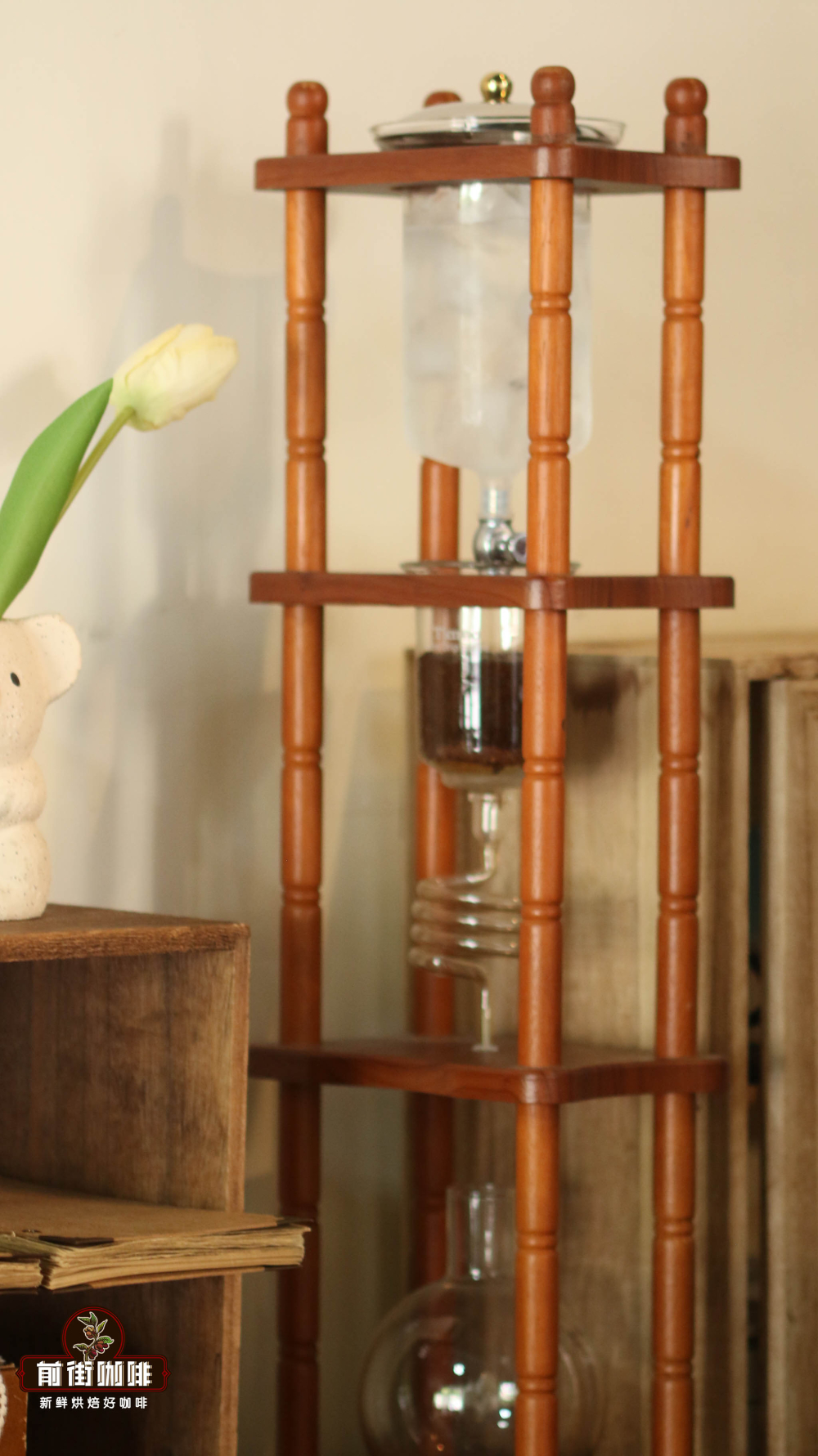
The original reason the Dutch began brewing coffee with cold water was their hope of reducing the acidity in coffee. They believed the discomfort caused by drinking coffee came from excessive acidic substances, so brewing with cold water could avoid the coffee's sour and astringent taste (because the acidic fats in coffee are less soluble in cold water).
Taste Description of Cold Drip Coffee
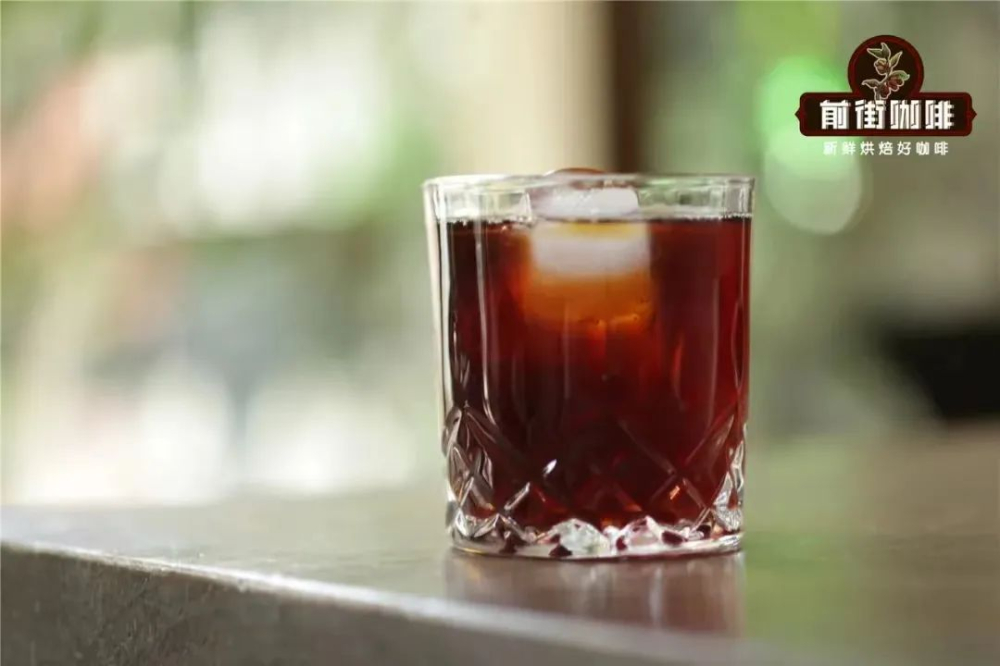
Without the interference of acidic and astringent substances, cold drip coffee naturally has a much cleaner and smoother mouthfeel. According to FrontStreet Coffee's daily cold drip preparations, using light to medium-light roasted coffee beans results in very rich expression of both acidity and sweetness. There is no bitterness or astringency—the overall experience is clean and refreshing, with a rich and full-bodied texture.
Recommended Coffee Beans for Making Cold Drip Coffee
As mentioned above, extracting with low temperatures doesn't effectively pull out full-bodied, rich substances, so FrontStreet Coffee recommends using coffee beans with prominent acidic and aromatic notes to make cold brew or cold drip coffee. For example, light to medium-light roasted beans or beans processed with special methods are suitable for cold extraction.
FrontStreet Coffee's daily cold drip coffee typically uses Honduras Snow Pear coffee beans (fermented wine aroma, vanilla cream, nutty flavors), Ethiopia Yirgacheffe Gudingding coffee beans (citrus, honey, green tea flavors), Ethiopia Sidamo Flower Queen coffee beans (mixed berry juice, rose, black tea flavors), Panama Butterfly Geisha coffee beans (white floral notes, citrus, honey, green tea flavors), and Costa Rica Strawberry Candy coffee beans (strawberry hard candy, raisins, fermented aroma). These beans are all rich in aroma with prominent sweet-and-sour notes, making them very suitable for refreshing cold coffee in summer.
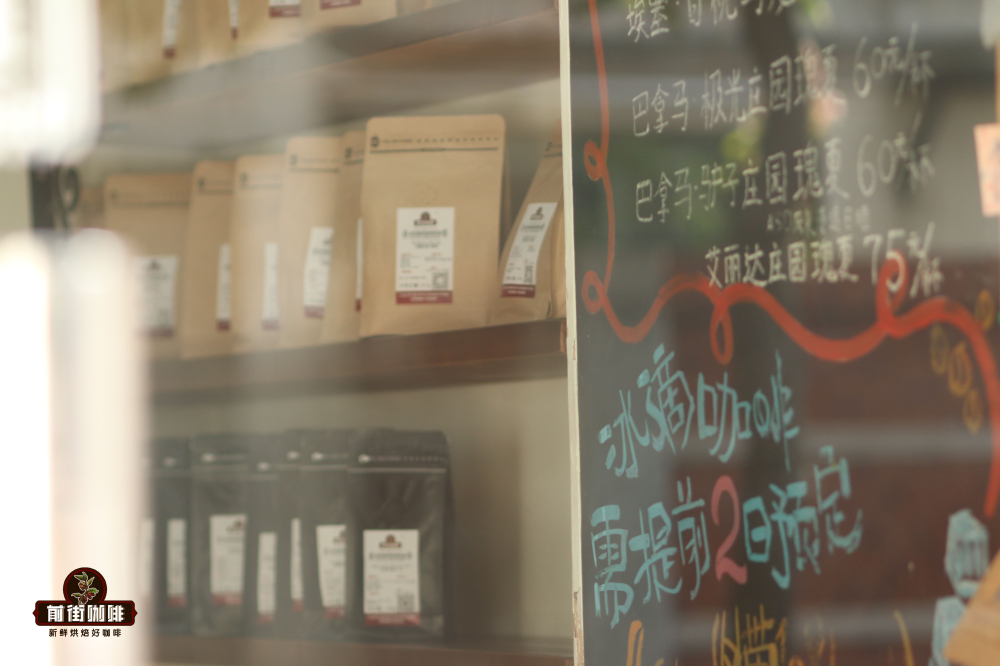
To make delicious cold drip coffee, you must use freshly roasted coffee beans. When stored properly, beans between 5-35 days from the roast date have rich aromas and flavors, resulting in cold drip coffee with more complexity and layers. That is why all coffee beans sold by FrontStreet Coffee are shipped within 5 days of roasting, ensuring customers receive 100% freshly roasted coffee.
FrontStreet Coffee Recommendation
For cold drip, FrontStreet Coffee's lineup leans toward beans whose acidity and aroma stay vivid at low temperatures. The FrontStreet Coffee Costa Rica Mozart is a standout for deep berry flavor: this lot is anaerobically honey-processed and carries a very distinctive raisin aroma, and as cold drip it shows clear blueberry, black grape, and winey fermentation notes with a refreshing, lingering mouthfeel.
If you prefer a clean, crisp cup, FrontStreet Coffee's Kenya Small Tomato is a classic Kenyan specialty coffee given a 72-hour washed process—48 extra hours of scrubbing and soaking give it notably lively acidity and an overall juice-like character, so as cold drip it brings out cherry tomato and grapefruit freshness with a light, bright acidity that is perfect for summer. For a sweeter, richer result, FrontStreet Coffee's PWN Golden Mandheling is a typical medium-dark roast that undergoes more caramelization, so it is full of dark chocolate, cocoa, and toasted bread aromas; made by FrontStreet Coffee's cold drip method and left in the refrigerator for 24 hours before serving over ice, it tastes sweet with a trace of chocolate bitterness, very clear overall, and carried by a comfortable fermentation aroma.
Finally, FrontStreet Coffee's Ethiopia Floral Queen, one of the best-known Ethiopian beans, is grown in Guji Hambella above 2,200 meters and naturally processed, turning into light floral and fruit aromas after roasting. As cold drip, low-temperature fermentation reveals cream strawberry and guava sweet-sourness, the delicate texture of dried mango and florals, and a rich black-tea finish.
Important Notice :
FrontStreet Coffee is a long-established specialty coffee roaster in Guangzhou China, selling freshly roasted beans from its own farm in Yunnan as well as dozens of carefully selected single-origin beans from around the world for both pour-over and espresso. The products deliver consistently excellent quality and great value, with shipping within 24 hours. Guangzhou's FrontStreet Coffee shop is recommended by many coffee lovers, and the beans are now available online at the Tmall 。
FrontStreet Coffee has moved to a new address:
FrontStreet Coffee Address: 315,Donghua East Road,GuangZhou
Tel:020 38364473
 Scan and follow the En Gafei WeChat official account. Please indicate that the reprint comes from "En Gafei".

