Espresso Extraction Standards: The Espresso-to-Milk Ratio in Latte Coffee
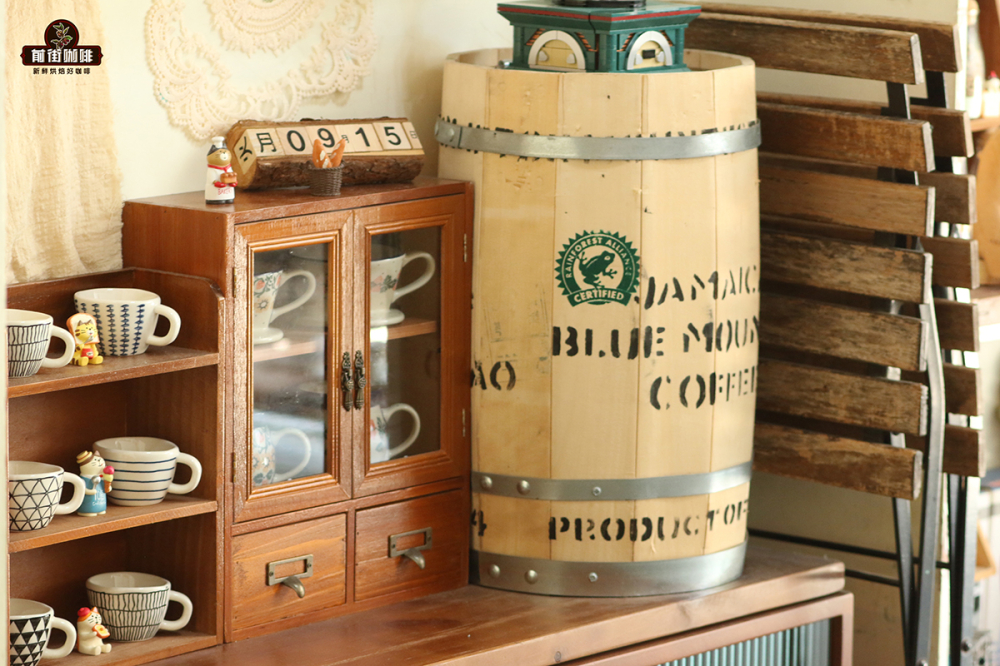
Latte is a familiar drink to almost everyone—this milk-based coffee can be considered a standard in every coffee shop. Yet making a delicious latte is no easy task. The flavor of a latte shifts with different coffee beans, with milk of varying richness, and with different extraction parameters. In this article, FrontStreet Coffee will discuss how to extract espresso and how much espresso should go into a latte.
How many milliliters are in a standard espresso shot?
The internationally accepted technical standard is this: using approximately 7 grams of freshly ground coffee powder, extracted with water at around 92°C under approximately 9 bar of pressure for 20-30 seconds to yield about 20-30 ml of coffee, which should be topped with a layer of crema. With the development of specialty coffee, new coffee theories have come to light and numerous independent coffee shops have flourished, each with slightly different espresso extraction methods. According to FrontStreet Coffee's standard production, an espresso is made with 2 shots (1 portion of espresso) as the standard, using 19 g of coffee powder to extract 38 g of espresso liquid at a 1:2 ratio, in 28 seconds.
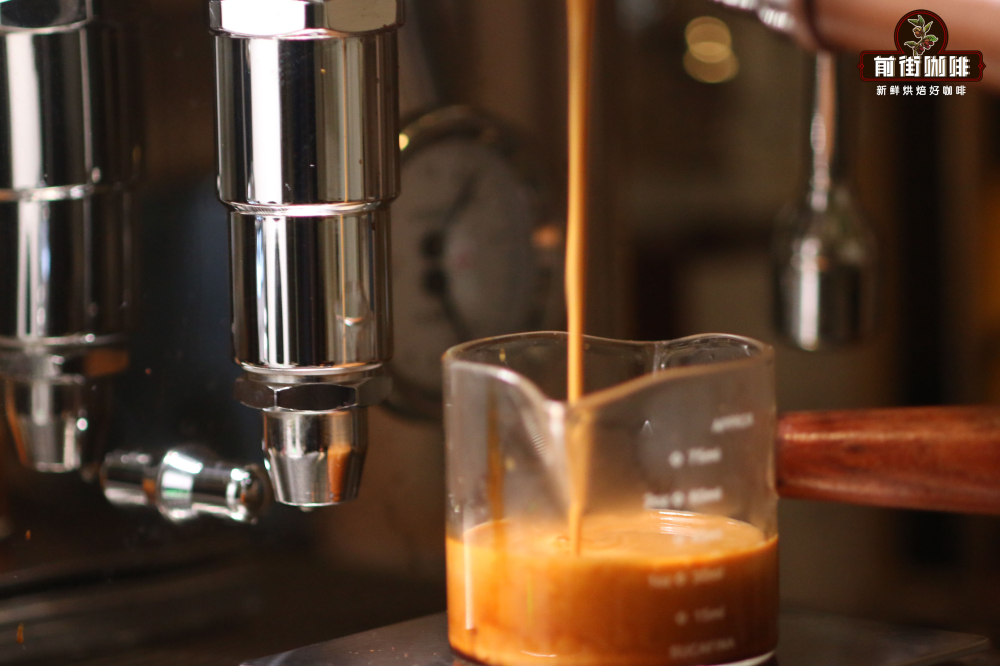
These, however, are only reference values. Beneath the foam of an espresso are tiny oil droplets carrying dissolved sugars, acids, proteins, and caffeine; suspended on the surface are bubbles and solid solutions. The wear on the grinder burrs also changes gradually with humidity and storage time, so the grind setting needs to be adjusted daily to keep the espresso flavor stable. Whether a given espresso extraction of how many milliliters is acceptable therefore depends mainly on the powder-to-water ratio and the flavor performance of the extracted coffee.
How to understand espresso extraction parameters?
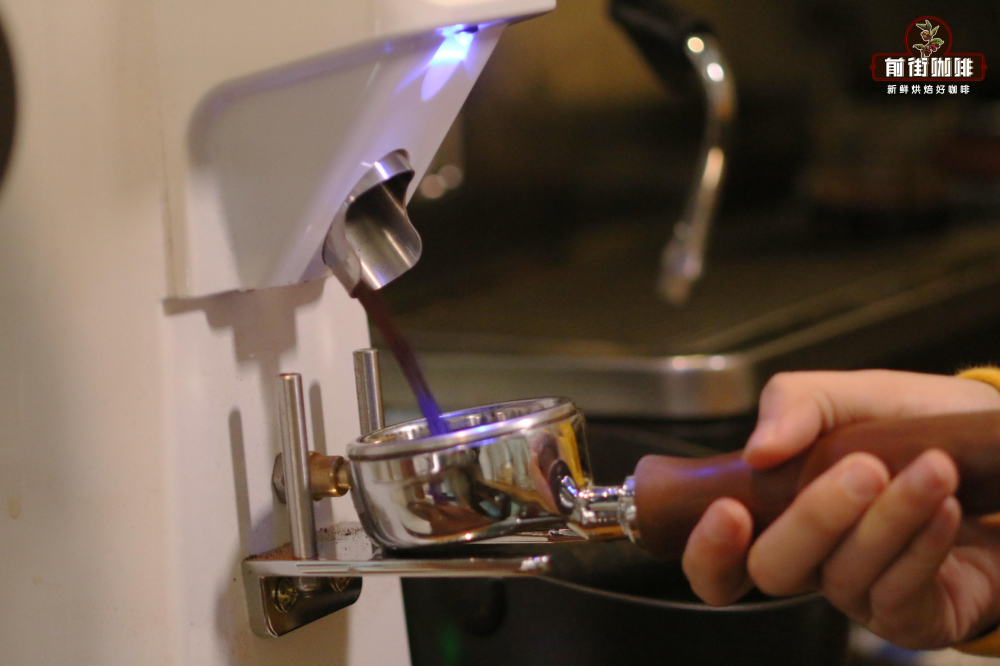
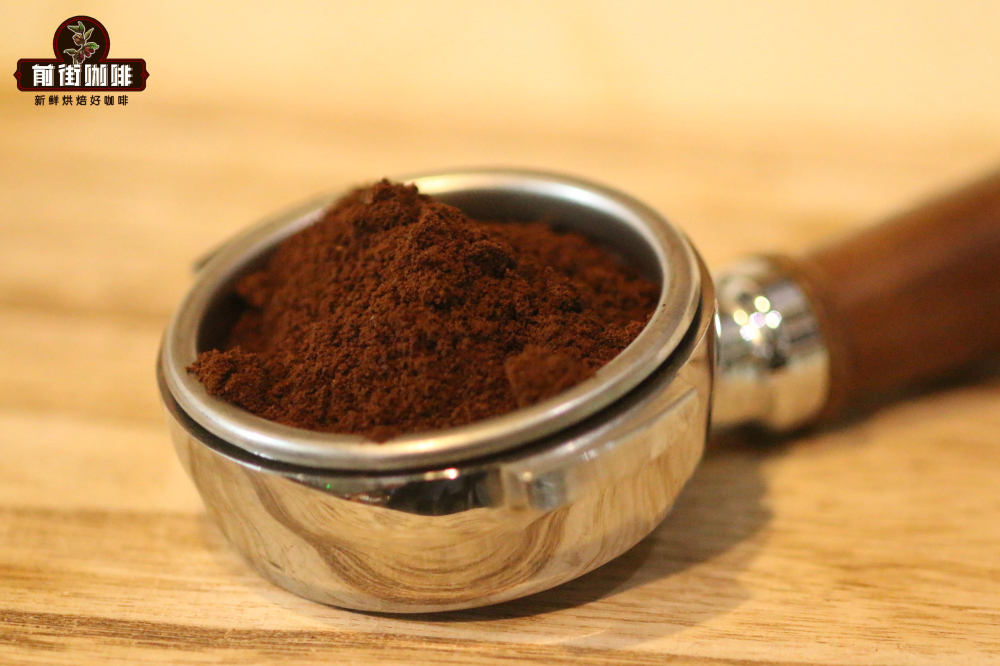
Dose: The dose is generally determined by the size of the portafilter basket. Using significantly less or significantly more powder than the basket's capacity is not recommended. The dose affects the density of the coffee puck. Under the same tamping pressure, too little powder is relatively sparse, leading to faster flow rates and under-extraction; conversely, the density is more compact, with slower flow rates or even difficulty extracting coffee liquid. For example, the portafilter basket FrontStreet Coffee uses holds 19-20 g of coffee powder, and more or less than this range is not ideal.
Ratio: This is the ratio of coffee powder to coffee liquid, generally between 1:1.5 and 1:2.5, with 1:2 being more common, such as extracting 34 g of coffee liquid from 17 g of coffee powder. The ratio is affected by two factors: the dose and the water amount. Too low a ratio makes the coffee taste very rich and thick, with bitterness from over-extraction; conversely, too high a ratio results in a thin and bland taste with sharp acidity from under-extraction.
Time: This is the entire extraction time from locking in the portafilter and pressing the extraction button to completion. The factors affecting extraction time include grind size and ratio. The ratio is easier to understand—a higher ratio means more water is needed for extraction, naturally taking longer. Grind size affects the coarseness of the coffee powder, which directly impacts the density of the puck. The finer the coffee powder, the denser the puck after tamping, making it difficult for water to pass through, lengthening the time and easily leading to over-extraction.
Flow rate: This is the speed at which coffee liquid flows down. The ultimate goal of our extraction parameters is actually a flow-rate result. Our espresso should start dripping the first drop of coffee liquid at the fifth second after pressing the extraction button, extracting coffee evenly, such as reaching exactly 34 g of coffee liquid at 30 seconds. The speed of the flow rate directly reflects whether the grind size and ratio are appropriate.
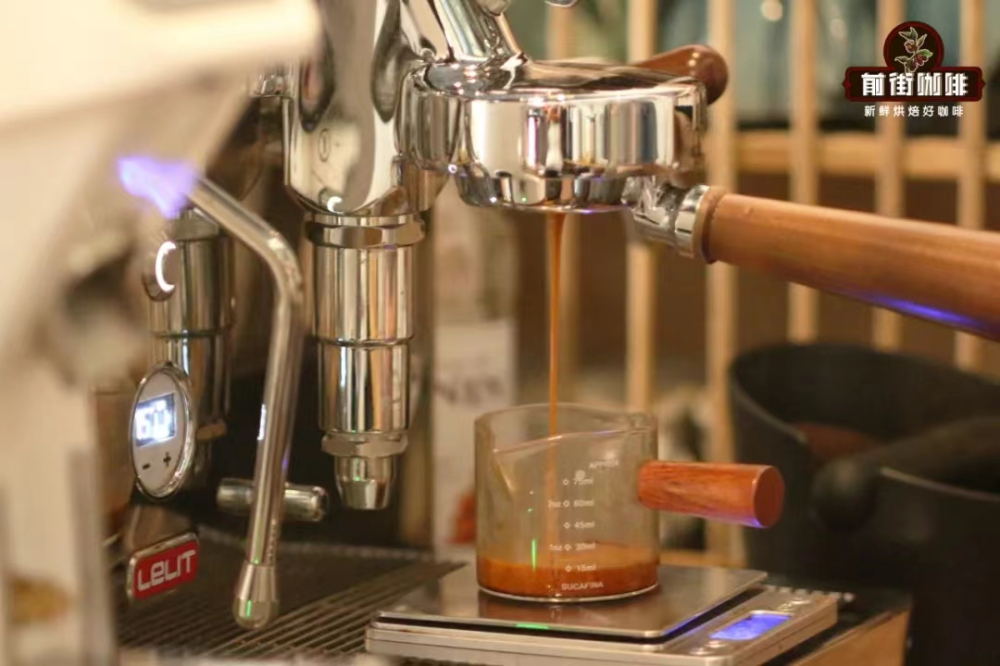
Pressure: Averages around 9 bar, determined by the performance of the coffee machine. Insufficient pressure leads to low extraction efficiency, while excessive pressure easily causes over-extraction.
Water temperature: Generally between 90 and 94 degrees Celsius. Water temperature that is too high easily causes over-extraction, making the coffee taste bitter. Water temperature that is too low easily causes under-extraction, resulting in sharp acidity.
What factors affect espresso flavor?
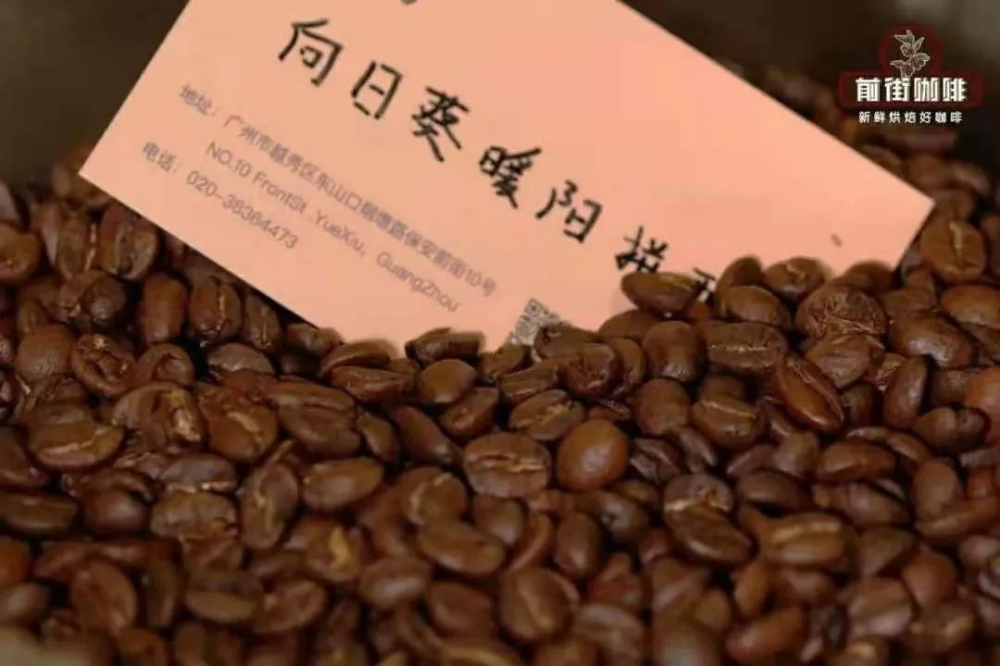
Coffee beans: The beans have the most important impact on espresso flavor. If you have tasted espresso (or Americano) from several coffee shops, you can almost immediately tell the difference in taste. The most direct reason is that each shop uses different espresso beans. For example, FrontStreet Coffee's specialty blend focuses on balanced nutty and cocoa flavors in espresso; the Sunflower Warm Sun blend displays sherry wine and vanilla chocolate flavors.
Pressure: Generally determined by the performance of the coffee machine, typically averaging around 9 bar. Some high-end machines have variable pressure functions, providing different pressures for extraction. When extracting espresso, water quickly passes through the coffee powder under pressure. With insufficient pressure, coffee is prone to under-extraction, appearing sharp, thin, and lacking in body; excessive pressure easily over-extracts coffee substances, resulting in coffee that is too rich, thick, and bitter.
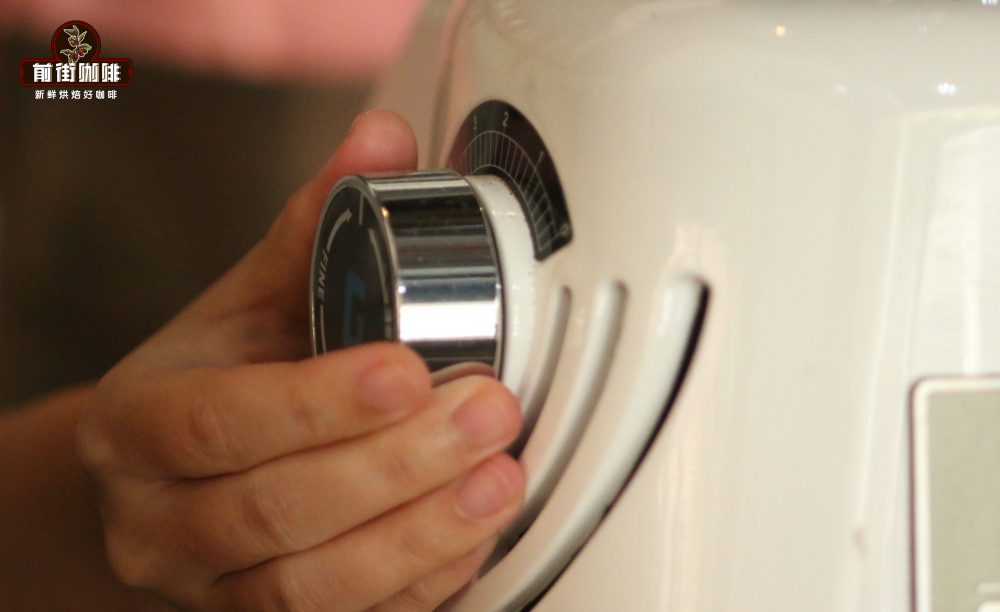
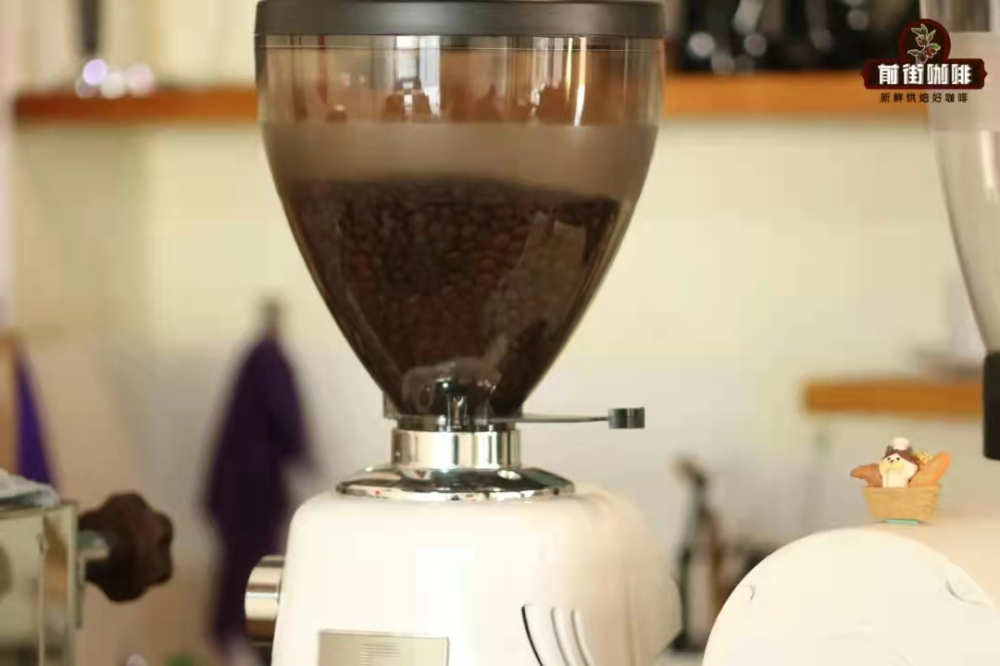
Coffee grind size: Grinding espresso beans typically uses flat burrs with large diameters, which has the advantage of efficiently grinding fine coffee powder quickly. Espresso machines are very sensitive to grind size—what might be a 0.1 scale difference on the grinder can result in a 2-3 second difference in extraction time. Therefore, appropriate grinding has a significant impact on espresso portafilter baskets. The finer the grind, the more easily extraction substances can be released, making the coffee more prone to bitterness and burnt flavors; conversely, sharp acidity and thin flavors are more likely to appear.
Powder-to-liquid ratio: This is the ratio of coffee powder to coffee liquid. FrontStreet Coffee's espresso powder-to-liquid ratio is 1:2, which is also an important parameter for coffee extraction. If this ratio is reduced, flavor expression may be incomplete; increasing the ratio may cause the overall coffee texture to become thin.
Extraction time: Once we have determined the powder-to-liquid ratio, the time required to extract a certain amount of coffee liquid also affects the coffee's flavor. The reasonable extraction time range for espresso is generally between 20 and 30 seconds. Slower flow rates mean longer times, with coffee flavors becoming richer; faster flow rates mean shorter times, with coffee flavors becoming thinner.
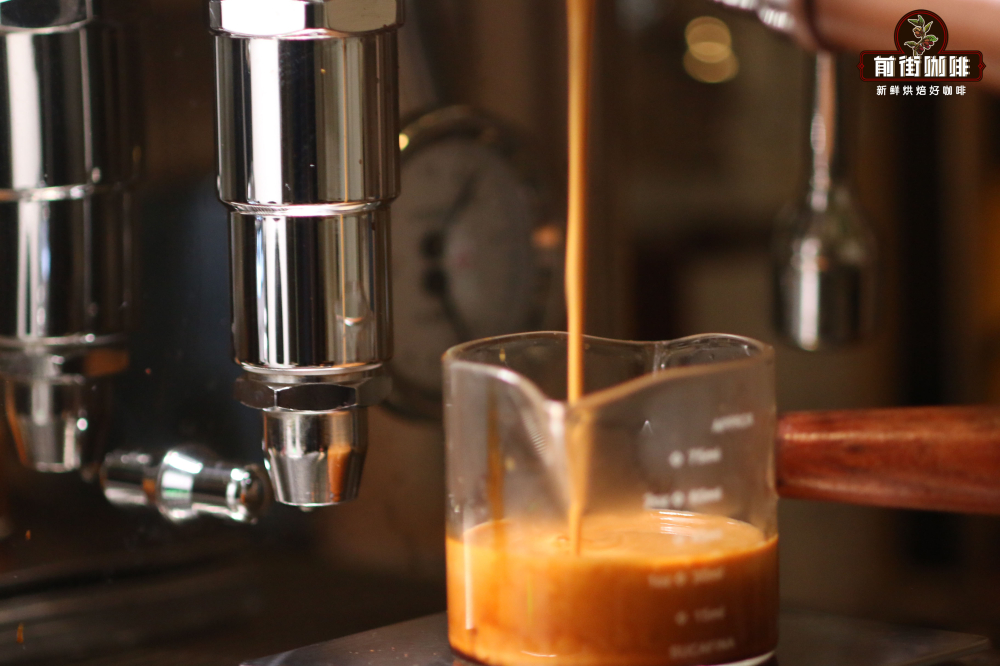
Extraction water temperature: This is the temperature at which water from the brew head presses through the coffee puck. Generally, new espresso machines come with options for brew head water temperature selection. As with pour-over coffee, the higher the water temperature in espresso extraction, the stronger the extraction efficiency and the more easily flavor substances are extracted, and vice versa. When extracting espresso, temperatures rarely fall below 90°C, typically preset between 90-93°C. The reason some home coffee machines have poor endurance (an inability to guarantee continuous cup quality) is that their boilers are small and cannot maintain brewing temperature for large volumes of water. So pay attention to the temperature gauge before brewing.
Different espresso blend beans and single-origin beans have different extraction parameters. Start at a 1:2 powder-to-liquid ratio, then adjust parameters based on the espresso's flavor performance. When adjusting espresso extraction parameters, pressure and water temperature are machine settings that should be adjusted as little as possible. As baristas, the parameters we adjust daily are one of: grind size, ratio, or extraction time. Note: you may only choose one parameter to adjust at a time.
How many milliliters of espresso should be added to a latte?
Different brands of fresh milk have varying richness levels and lactose content, so we need to make the espresso accommodate the milk. This is generally achieved by adjusting the coffee powder amount and liquid amount (the powder-to-water ratio) to adjust the base espresso parameters for milk coffee, as well as adjusting the milk-to-coffee ratio to help balance the milk coffee flavor. A latte is primarily milk-based, more like milk with a coffee flavor, so the coffee flavor does not need to be too prominent.
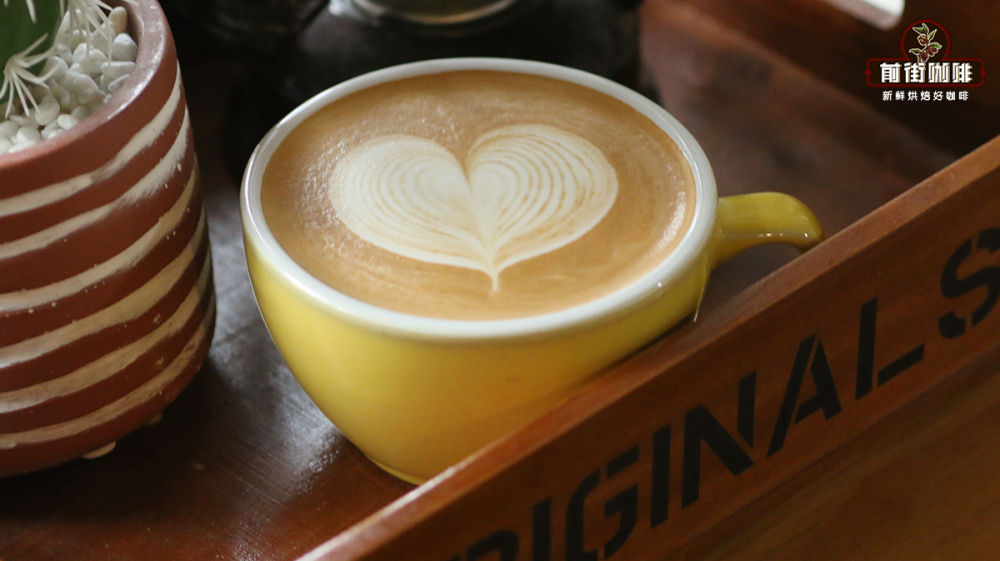
FrontStreet Coffee recommends a coffee-to-milk ratio of 1:6.5 for making lattes, extracting 40 g of espresso from 20 g of coffee powder with 260 ml of milk. You can adjust the latte flavor from this starting point and then build latte parameters suited to your own beans and milk.
FrontStreet Coffee Recommendation
For a milk drink like a latte, the espresso base is what carries the flavor through the milk, so a blend built for milk is the practical choice. FrontStreet Classic Blend is designed specifically for espresso and moka pot use, and its standout strength is a rich, abundant crema—even a beginner on a non-professional home machine can pull a dense, fine crema. It follows the traditional Mamba blend recipe, giving a full, warm body that suits everyone from seasoned drinkers to first-timers, at home or in a cafe.
If you want to keep costs in check, FrontStreet Black Cocoa Blend uses 100% Arabica beans with plenty of crema and a full body at a friendly price, balancing quality and value. For a fruit-forward milk drink, FrontStreet Strawberry Candy is a popular espresso blend that recreates a distinct strawberry gummy sweetness from the native flavors of Arabica beans from different origins—a good fit for anyone who prefers fruit tones and avoids bitterness, or for a cafe wanting a distinctive signature latte.
FrontStreet also offers FrontStreet Premium Blend, the shop's longest-standing espresso blend at nearly ten years, combining Brazil Cerrado and Colombia Huila for the classic, familiar espresso flavor used for Americanos and lattes, and FrontStreet Commercial Blend, a long-time workhorse for cafes that costs less than FrontStreet Coffee's Premium Blend while keeping flavor well controlled.
Important Notice :
FrontStreet Coffee is a long-established specialty coffee roaster in Guangzhou China, selling freshly roasted beans from its own farm in Yunnan as well as dozens of carefully selected single-origin beans from around the world for both pour-over and espresso. The products deliver consistently excellent quality and great value, with shipping within 24 hours. Guangzhou's FrontStreet Coffee shop is recommended by many coffee lovers, and the beans are now available online at the Tmall 。
FrontStreet Coffee has moved to a new address:
FrontStreet Coffee Address: 315,Donghua East Road,GuangZhou
Tel:020 38364473
 Scan and follow the En Gafei WeChat official account. Please indicate that the reprint comes from "En Gafei".