How Much Black Coffee Is Appropriate to Drink Daily - What Is the Caffeine Content in a Cup of Coffee?
Caffeine is something people both love and resent. Early drinkers ate coffee cherries and beans to get its stimulating, exhilarating effect. Modern health advocates often treat caffeine as an enemy. For people who love coffee yet watch their health, the question of which coffee has less caffeine is a perennial favorite, including the long-running argument over dark roast versus light roast.
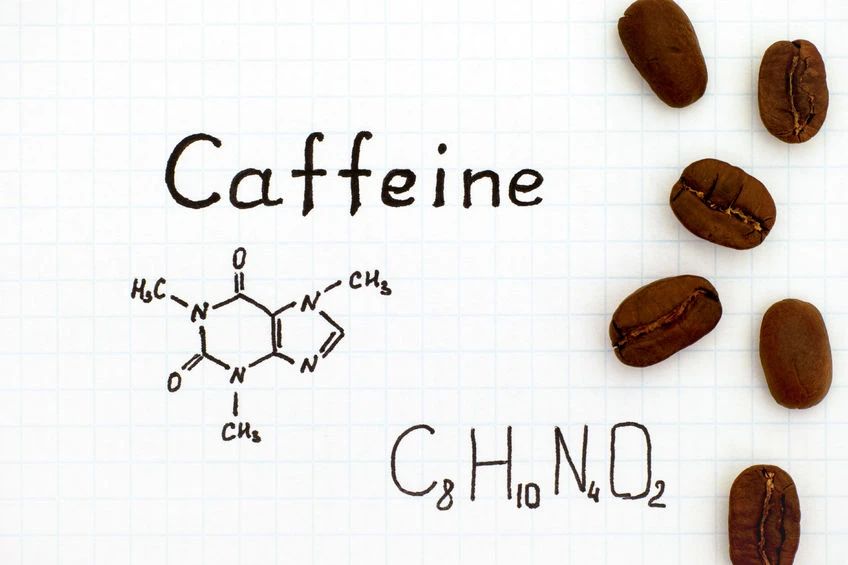
Which has more caffeine: dark roast or light roast beans?
Some people believe dark roast beans contain more caffeine, so that caffeine rises as the roast gets darker.
The reasoning goes like this: the darker a bean is roasted, the lighter it becomes. If you weigh out the same amount of coffee to brew, you will need more dark roast beans than light roast ones. On top of that, dark roast coffee is more porous, so its compounds extract more easily. Dark roast is therefore thought to deliver more caffeine per cup than light roast.
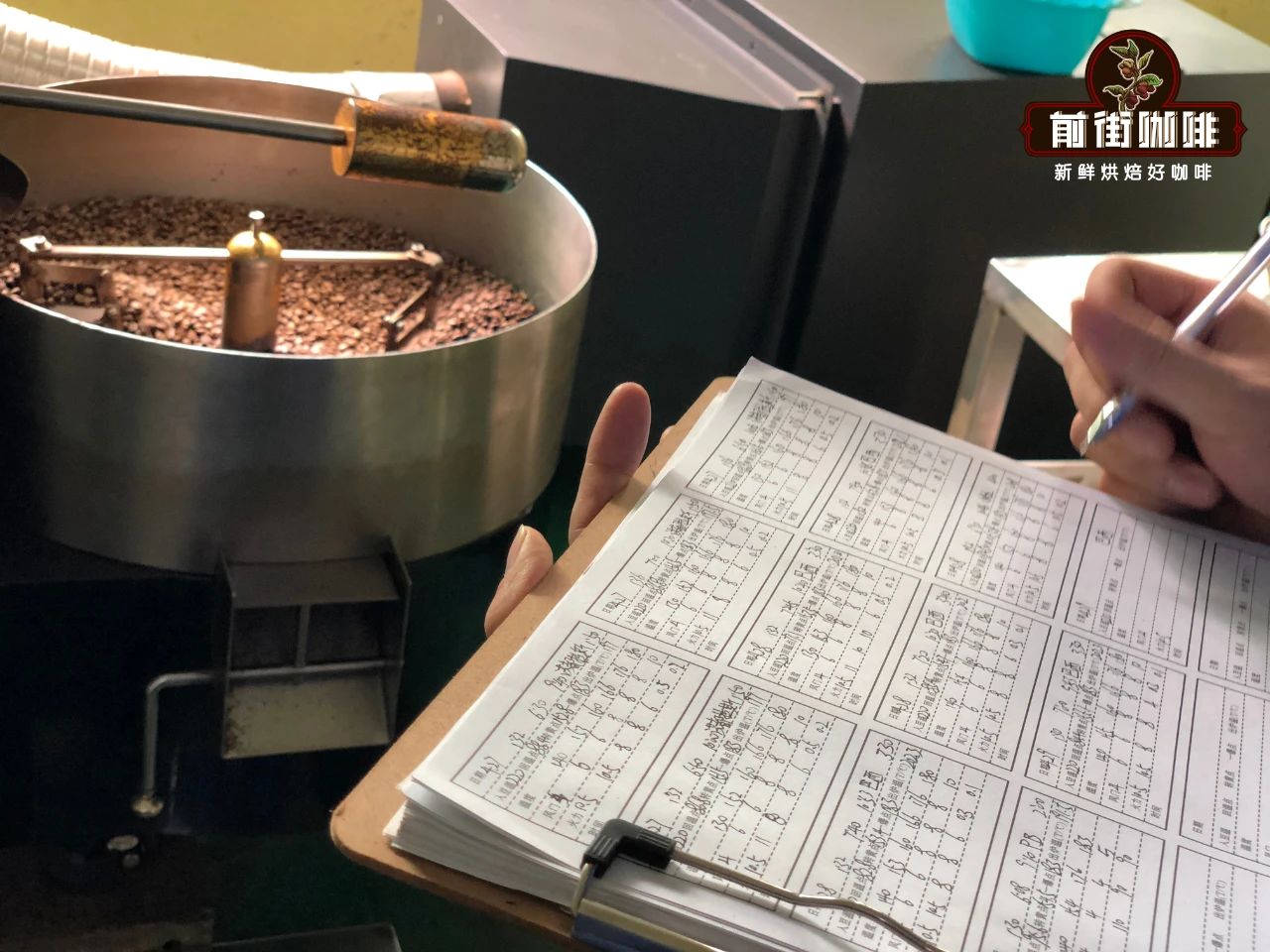
Others argue the opposite -- that dark roast beans contain less caffeine -- because caffeine melts at 235-238C. Coffee roasting rarely reaches that temperature, but caffeine does begin to sublimate at 178C, so the total caffeine in the bean will fall.
According to a report from the Association for Science and Information on Coffee, caffeine as a percentage of bean weight in light, medium, and dark roasted Arabica is 1.37%, 1.31%, and 1.31% respectively. In other words, light roast is only 0.06% higher.
Meanwhile, light roast coffee loses 11-13% of its weight during roasting, while dark roast loses 15-17%. So while dark roast does lose some caffeine to sublimation, that loss is negligible. When you drink the same weight of coffee, dark roast will deliver more caffeine than light roast because of the greater roast weight loss and the higher extraction efficiency.
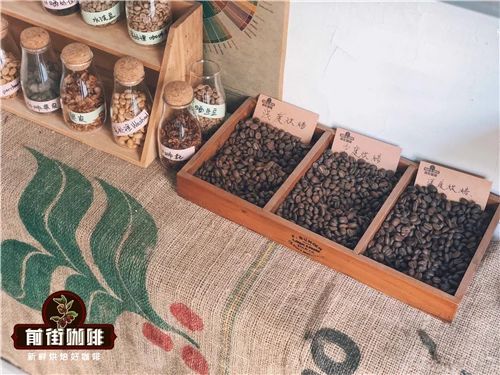
Roast level is not the key factor affecting caffeine content
Caffeine is best looked at from two angles: the caffeine in the coffee bean and the caffeine in the brewed cup.
The caffeine in the bean is closely tied to variety and growing altitude. Arabica contains about 0.9-1.4% caffeine, while Robusta generally contains more than 2%, sometimes over 3%. Different Arabica sub-varieties also vary slightly from region to region.
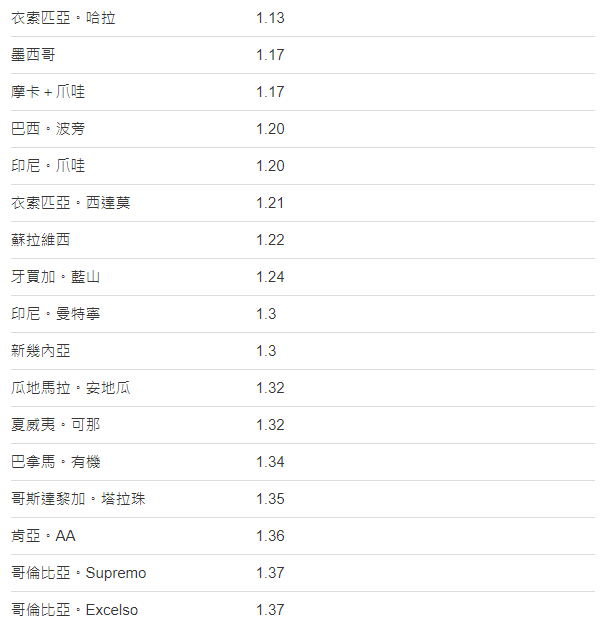
Reference for caffeine content in major coffee-producing regions (Unit: %)
For the same variety, the higher the growing altitude, the higher the caffeine content. At altitude there is more sunlight and lower temperatures, so the plant grows slowly while still taking in plenty of nutrients and accumulating more compounds -- caffeine included.
Most people, though, care about the caffeine in the brewed cup, since not all of the caffeine in a bean makes it into the liquid. What actually matters for intake is how much caffeine dissolves into water.
The same beans brewed different ways give different caffeine levels. Brewed as pour-over, 15g of Arabica beans yields about 100-150mg of caffeine in one cup (200ml of coffee). One shot of Arabica espresso contains about 50-100mg (30ml of espresso).
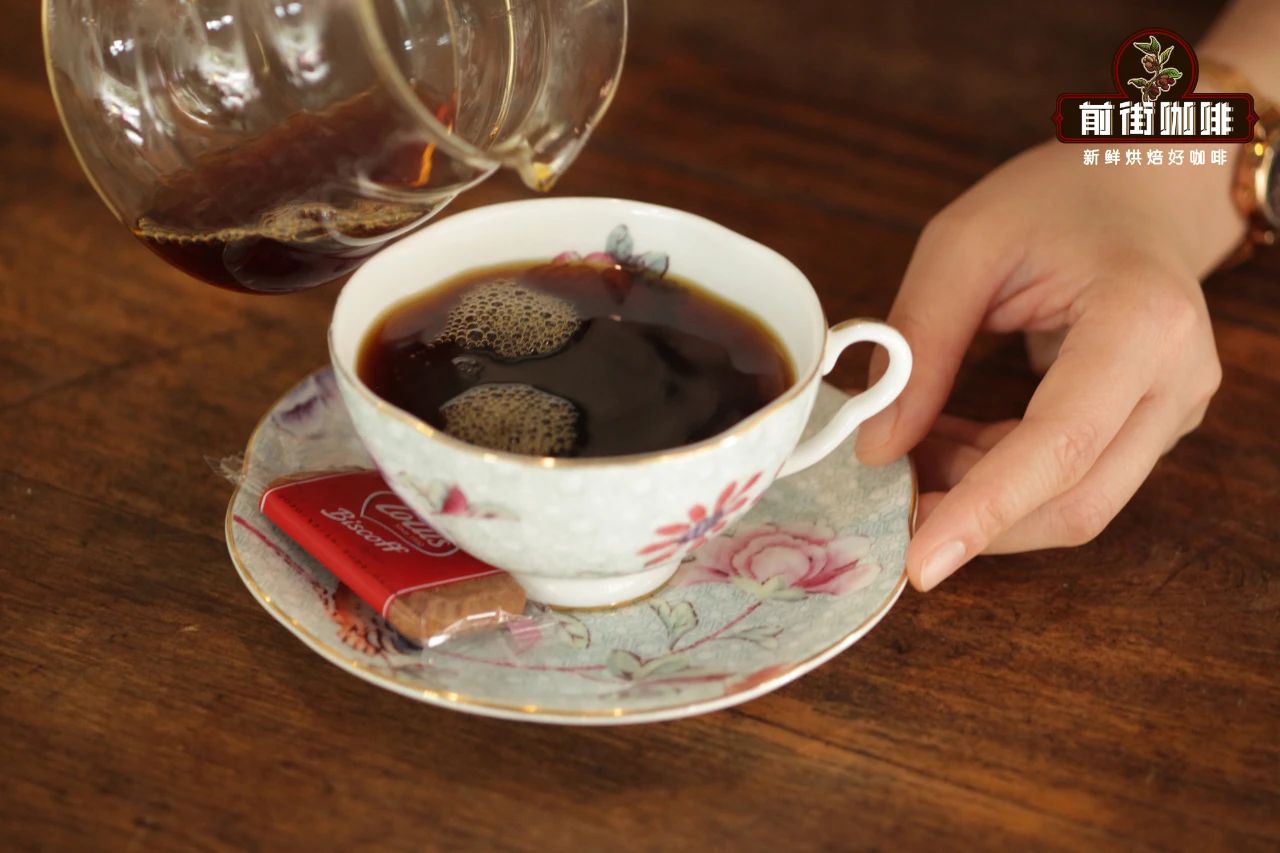
Overall, caffeine release depends heavily on extraction time: the longer water is in contact with the grounds, the more caffeine is released. So for the same beans in the same weight, the order runs:
Cold brew > French press > Pour-over > Espresso
Is caffeine bad for your health, and how many cups can an adult drink per day?
It used to be said that children and pregnant women should not drink coffee, because caffeine would affect the healthy growth of children and fetuses. Even so, the evidence keeps pointing the other way: moderate caffeine intake has real benefits.
Tolerance varies from person to person. For a normal adult, a daily intake of no more than 300mg -- roughly two cups of pour-over -- relieves fatigue and provides a stimulating lift. Caffeine also has some vasoconstrictive effect, which can help with tension headaches brought on by fatigue.
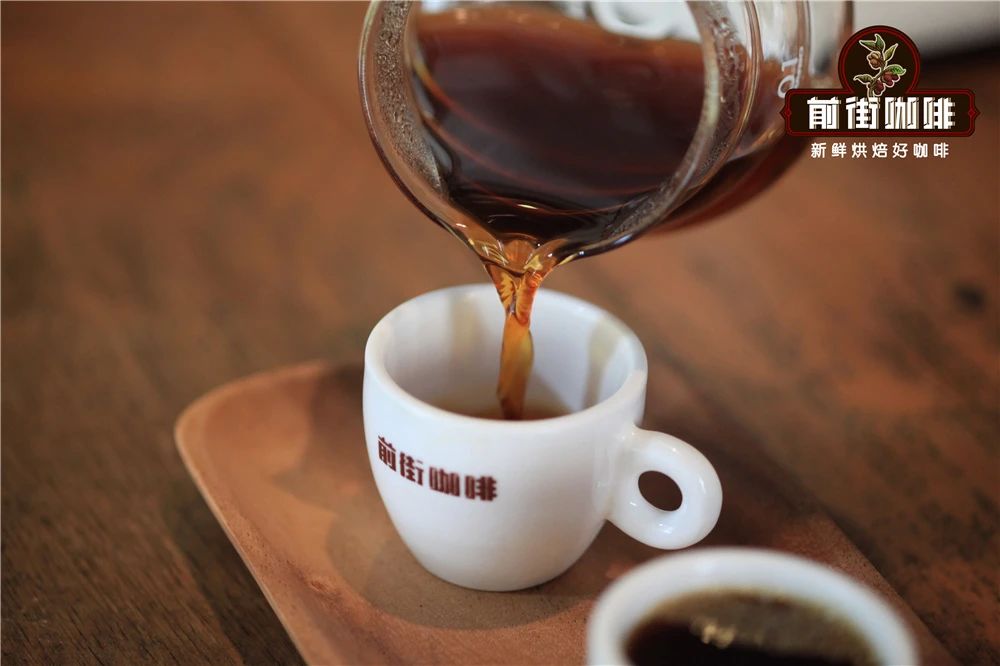
People do worry that caffeine is addictive and that too much will harm the body. In practice, caffeine "addiction" is weaker than your attachment to your phone. Caffeine stimulates the central nervous system, and regular intake creates a mild physical dependence. Stopping suddenly can bring headaches, fatigue, anxiety, and trouble concentrating, but those symptoms fade within a few days and do no lasting harm. Only excessive intake affects physical and mental health.
FrontStreet Coffee Recommendation
Since roast level barely moves caffeine content, the sensible way to choose is by flavor -- and a medium roast is the easiest place to start, because it sits in the middle of the acid-sweet-bitter triangle. FrontStreet Coffee's Queen Estate coffee from Brazil, a distinctive yellow Bourbon, is roasted medium and shows cream peanut, chocolate, toast, and sugarcane aromas with a soft, sweet body. It works as pour-over and equally well in a moka pot or an espresso machine.
If you want a sweeter medium roast, FrontStreet Coffee's Strawberry Candy is a blend of a Costa Rican honey-processed coffee and a washed Panamanian Geisha, roasted medium so the tangerine-honey core stays intact alongside a round sweetness. It suits cold brew, pour-over, and espresso alike.
For something lower in caffeine intensity, look at FrontStreet Coffee's 2013 Natural Typica from Yunnan, also a medium roast, with gentle nut, brown sugar, black tea, and dried apricot notes. It is a good value and pours well as pour-over, cold brew, or drip.
And if you want a classic in the cup, FrontStreet Coffee's Jamaica Blue Mountain No. 1 is a medium roast of the Typica variety that brings chocolate, roasted nuts, cream, and caramel together with the balance the Blue Mountains are known for. Keep your daily intake within the 300mg guideline and enjoy the cup.
Important Notice :
FrontStreet Coffee is a long-established specialty coffee roaster in Guangzhou China, selling freshly roasted beans from its own farm in Yunnan as well as dozens of carefully selected single-origin beans from around the world for both pour-over and espresso. The products deliver consistently excellent quality and great value, with shipping within 24 hours. Guangzhou's FrontStreet Coffee shop is recommended by many coffee lovers, and the beans are now available online at the Tmall 。
FrontStreet Coffee has moved to a new address:
FrontStreet Coffee Address: 315,Donghua East Road,GuangZhou
Tel:020 38364473
 Scan and follow the En Gafei WeChat official account. Please indicate that the reprint comes from "En Gafei".