
Is Kopi Luwak Really Made from Cat Droppings? Understanding Why These Rare Coffee Beans Command Premium Prices and Their Unique Flavor Profile
Kopi Luwak is recognized as one of the most unique and luxurious coffees in the world. Most people associate it with its staggering price, and rightly so. Take FrontStreet Coffee as an example: our Kopi Luwak is currently out of stock, with no green beans on hand, but previously it sold for 260 yuan per 100 grams, more than even the green label from Hacienda La Esmeralda. So why can authentic Indonesian Kopi Luwak command such a price? FrontStreet Coffee believes the main factor is its highly unusual production method.
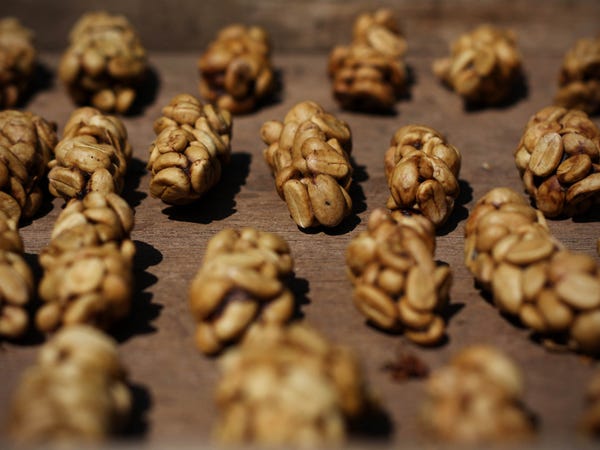
Kopi Luwak is made from the feces of the Indonesian palm civet. It is also called civet coffee, and in Indonesian the name is "Kopi Luwak": "Kopi" means coffee, while "Luwak" refers to a small, ferret-like animal similar to a cat, actually the palm civet. Some people, however, believe it is the masked palm civet. Both belong to the Viverridae family, and the main difference is distribution: masked palm civets are found mainly in China, while palm civets are found mainly in Indonesia. True Kopi Luwak comes from the palm civet, but because wild palm civets are few, supply is limited, so many merchants use masked palm civets as substitutes. Civet coffee goes by different names in different countries, commonly Civet Coffee, Coffee Alamid in the Philippines, and Weasel Coffee in Vietnam.
How Is Kopi Luwak Made?
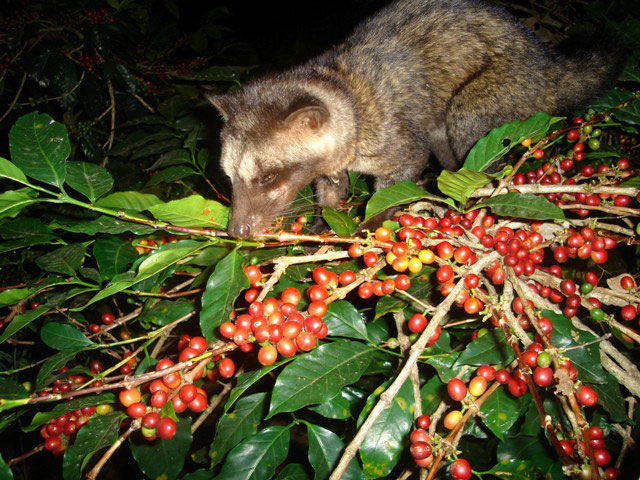
Research shows that palm civets are omnivores. Besides insects, fruit, and reptiles, they eat seeds and fruit. Wild palm civets are extremely picky and choose only the ripest, tastiest coffee cherries. As the cherries pass through the civet's digestive system, enzymes alter the protein structure of the beans, stripping away some of the bitter and acidic harshness and making the overall cup smoother. Even after digestion, the beans retain part of the fruit pulp, which markedly increases the coffee's sweetness.
Why Is Kopi Luwak So Expensive?
FrontStreet Coffee believes the high price comes mainly from the palm civet's unique method of "making" coffee and the distinctive flavors it produces, which require vast land and a great deal of time, leaving only a limited quantity. It is easy to imagine how much labor and care the whole process demands, with a very difficult harvest. Second, the quality of Kopi Luwak is genuinely better than ordinary coffee. The civet's habit of choosing coffee cherries is essentially the same practice the industry now calls harvesting fully red cherries. FrontStreet Coffee believes that today's manual selection can achieve a similar result, so there is no need to chase the "civet feces" method to an extreme.
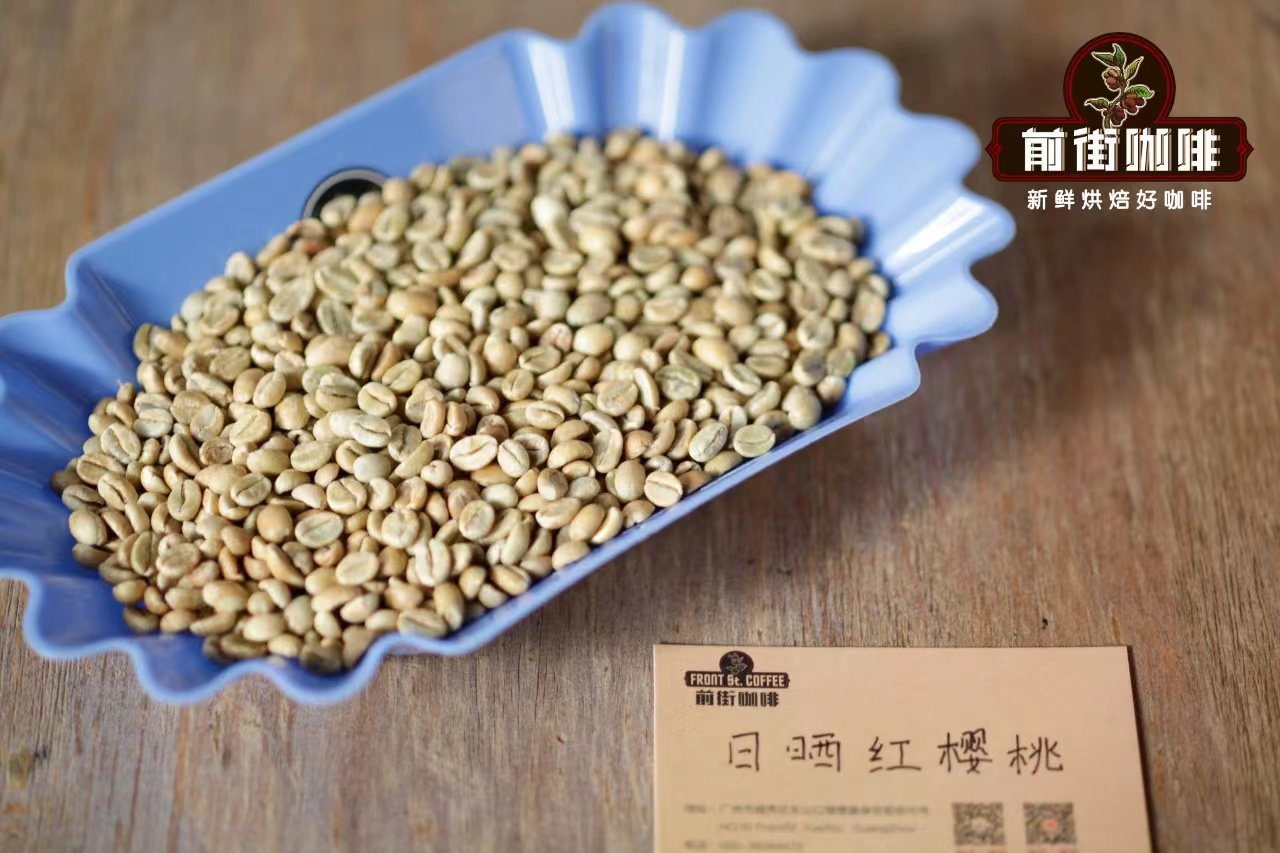
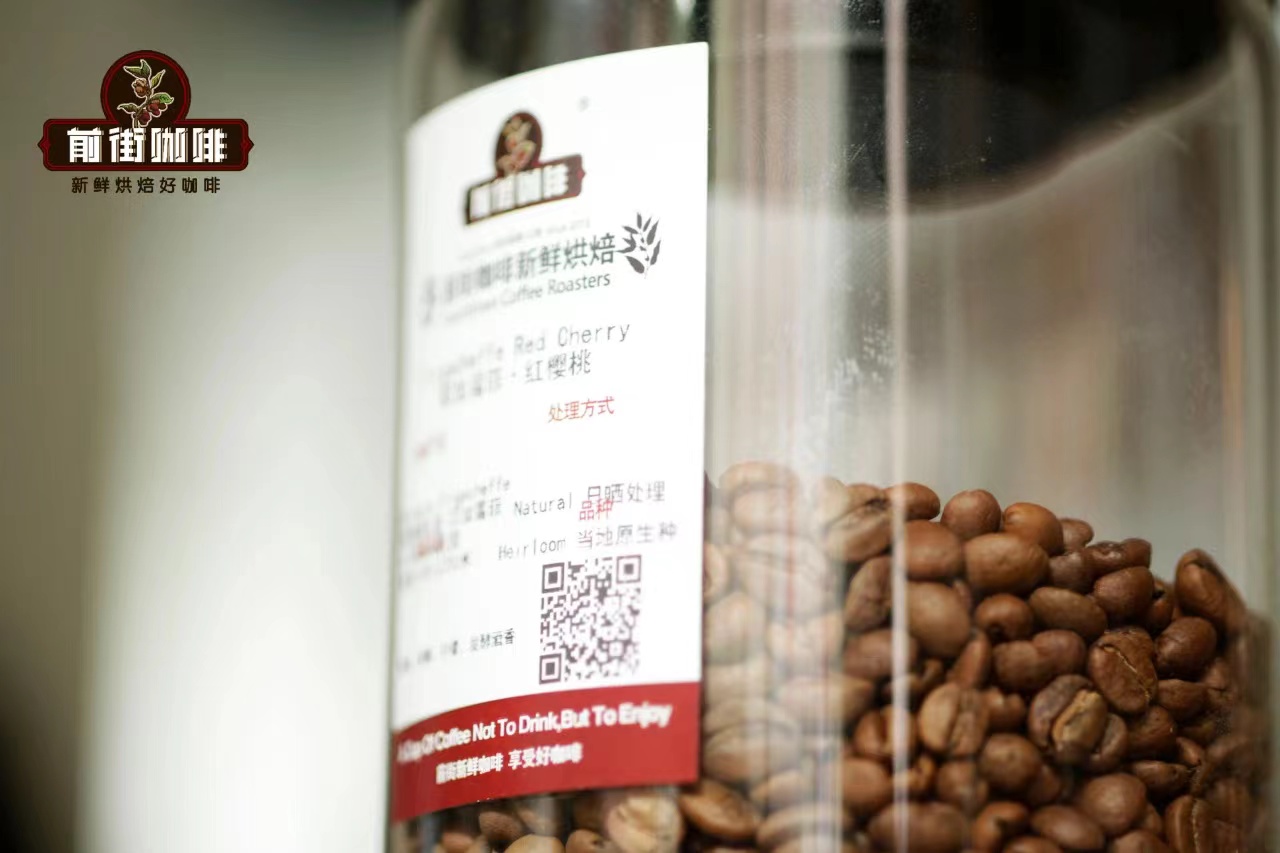
Take FrontStreet Coffee's sun-dried red cherry, an Ethiopian coffee, as an example. It is called red cherry because it comes from the Red Cherry Project. In 2007 the Dutch trader Trabocca launched the ORC, or Operation Cherry Red, to encourage coffee farmers to produce the highest-quality coffee and reward their effort. Processing methods include washed, semi-washed, sun-dried, and semi-sun-dried. Local farmers carefully hand-pick 100% ripe red cherries in batches, which is where the name comes from. Trabocca provides financial support, new equipment, and processing technology, and promises to buy at favorable prices as long as the quality meets the standard. Trabocca was one of the first coffee trading companies to pursue fully red cherries, and FrontStreet Coffee supports the initiative, seeing it as giving small farmers a chance to survive the commercial dominance of large global corporations.
In the beginning, the Kopi Luwak trade actually benefited wildlife. In Indonesia, palm civets that raided commercial plantations were usually treated as pests, but as Kopi Luwak grew popular, the industry gave locals a reason to protect civets so they could harvest their valuable droppings. As demand kept climbing, randomly gathered "Kopi Luwak" could no longer meet it. Indonesia also became a tourist destination, with visitors eager to see how Kopi Luwak is made. So more and more palm civets were confined to cages on coffee plantations, partly for coffee production and partly to earn money from tourists. Increasing numbers were kept in narrow, unsanitary cages, often without clean water and displayed to visitors all day, which is cruel for nocturnal animals. Many wild palm civets developed health problems because they were fed nothing but coffee cherries, leading to malnutrition and emaciation. Kopi Luwak gradually grew into a shadowy industry full of inhumane practices, causing real harm to local palm civets. The cherries merchants feed caged civets are certainly not high-quality fruit, so the quality of the coffee declined. To protect wildlife, the Rainforest Alliance and other certification bodies issue labels based on Sustainable Agriculture Network standards, which prohibit farms from capturing wild animals; the network explicitly bans caged palm civets in Indonesia.
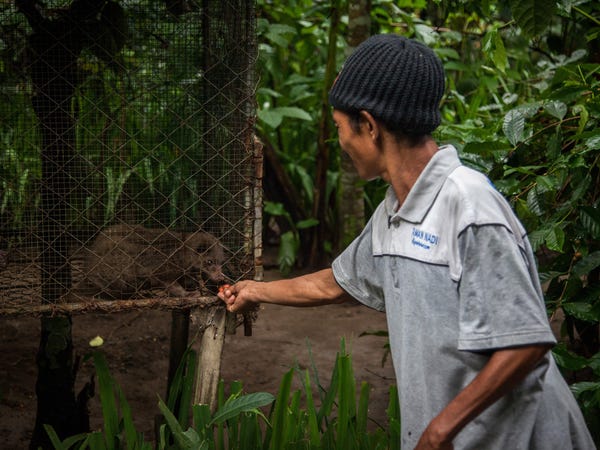
FrontStreet Coffee's Kopi Luwak comes from rare, cage-free palm civets that roam the plantations and choose what they eat. That greatly increases the workload of harvesting the beans and limits the quantity, but it produces high-quality Kopi Luwak in an animal-friendly way, which is well worth doing.
Of course, the word "excrement" puts many people off. In reality, Kopi Luwak beans go through thorough cleaning and then high-temperature roasting, and both steps ensure it is 100% safe to drink. FrontStreet Coffee roasts deeply to bring out the dark chocolate aroma. Overall the coffee is very smooth with some fermentation notes, which FrontStreet Coffee believes is tied to its processing, since passing through the civet's digestive system inevitably creates them. The higher body, herbal flavors, and chocolate notes are welcomed by many. Kopi Luwak is often mythologized as having various special effects, but FrontStreet Coffee believes it is no different from ordinary coffee.
FrontStreet Coffee Recommendation
Kopi Luwak may be the world's most talked-about luxury coffee, but it isn't the only one worth chasing, and if rarity with a clear, traceable story appeals to you, Panama's Geisha is the more transparent choice. For a first taste, FrontStreet's Boquete Geisha is an estate-level entry: grown at 1,600 meters in the fertile volcanic ash soil of the Boquete region, it gives the jasmine floral, green tea, honey, citrus, and orange flavors that define Geisha.
If you want a step up, FrontStreet's Panama Flower Butterfly is a value-minded blend built on Geisha lineage, combining Geisha, Caturra, and Catuai grown in Boquete's Volcanic area. The region's plentiful rainfall, wide day-night temperature swing, and volcanic rock soil let this coffee perform beautifully across body, citrus acidity, and Geisha's jasmine aroma, and it works well as both a pour-over and a cold brew.
For the top of the line, FrontStreet's Esmeralda Estate Red Label Geisha is harvested from a single plot above 1,700 meters and must cup at 91 or higher, showing a refined orange-blossom honey character. And FrontStreet's Esmeralda Diamond Mountain, one of the estate's star brands, is grown mainly from Caturra and Catuai on the Jaramillo and Canas Verdes farms, where volcanic soil and old-growth shade produce rich fruit aromas and sweetness.
Important Notice :
FrontStreet Coffee is a long-established specialty coffee roaster in Guangzhou China, selling freshly roasted beans from its own farm in Yunnan as well as dozens of carefully selected single-origin beans from around the world for both pour-over and espresso. The products deliver consistently excellent quality and great value, with shipping within 24 hours. Guangzhou's FrontStreet Coffee shop is recommended by many coffee lovers, and the beans are now available online at the Tmall 。
FrontStreet Coffee has moved to a new address:
FrontStreet Coffee Address: 315,Donghua East Road,GuangZhou
Tel:020 38364473
 Scan and follow the En Gafei WeChat official account. Please indicate that the reprint comes from "En Gafei".

