
Coffee Bean Recommendations for Beginners - What Coffee Is Suitable for Novice Enthusiasts?
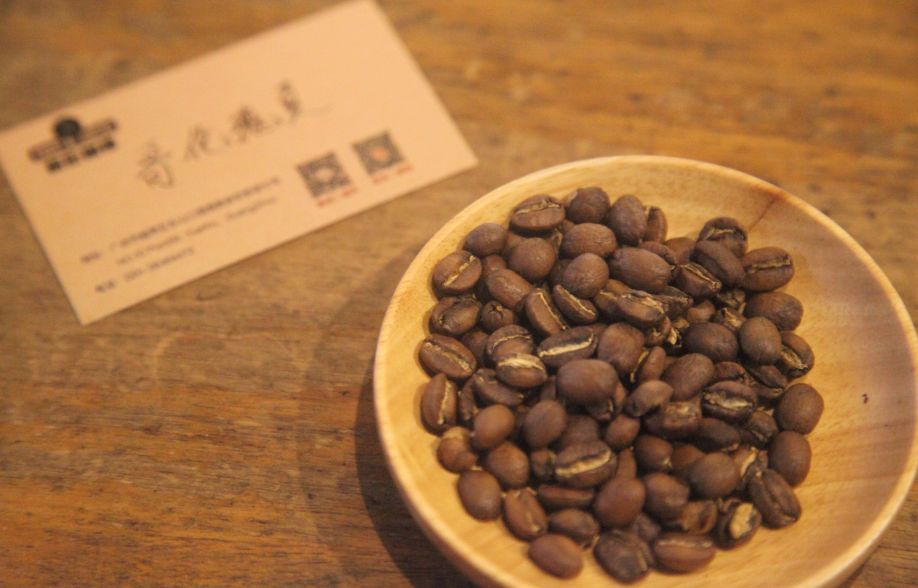
How to Easily Select Good Roasted Coffee Beans: A Guide from FrontStreet Coffee
Today, FrontStreet Coffee shares the first step of homemade coffee: how to easily select well-roasted beans.
Freshness is Most Important
Just like vegetables, fruits, and fresh meat, coffee beans are alive — and freshness is the highest priority when choosing them.
We rarely buy more than a week's worth of vegetables or fruit at a time, and coffee should be bought the same way: in quantities you can finish within a short period.
The optimal drinking window for coffee beans is the degassing period, approximately 4-28 days after roasting. The exact window varies depending on the beans and the roasting method, so it's worth asking the coffee shop about the optimal degassing period for a particular lot.
When purchasing, therefore, ask the shop owner for the roasting date and buy only quantities you can consume within one month of that date.
Appropriate Fragility and Crispness
To choose good coffee beans, here is a practical reference guide:
Look
Grab a handful of beans and feel them in your palm to check whether they are solid, whole beans.
Smell
Bring them close to your nose and check whether the aroma is full and fresh.
Press
Fresh coffee beans are crisp when pressed and release fragrance when cracked. Put a bean in your mouth and bite it twice: a crisp snap indicates the bean is well-preserved and not damp, while a bean that breaks apart under a gentle pinch may be over-roasted.
Color
Dark, nearly black beans brew into bitter coffee; yellowish beans brew into coffee with noticeably acidic notes.
Good Coffee Beans
They have uniform shapes and a bright luster, are roasted in single-origin batches, and produce aromatic coffee with a strong aftertaste when brewed.
Bad Coffee Beans
They have inconsistent shapes and incomplete individual forms, and they brew into a cup with only light fragrance, lacking richness and smoothness.
Packaging and Origin
To keep coffee beans fresh for up to a month, they must be stored in an environment that is low in oxygen, dry, cool, and dark.
Currently, most coffee shops use aluminum foil composite packaging with a one-way degassing valve.
The reason: coffee beans release carbon dioxide after roasting — a phenomenon called degassing. In a sealed bag, the gas will make the package swell, and it might even burst. A one-way degassing valve lets gas escape while blocking moisture and oxygen from getting in.
After opening, if the bag has a zipper, squeeze out as much air as possible before sealing it. If there is no zipper, fold the bag over several times and clip it shut to minimize air circulation.
On the label, look for information about the bean's origin history, production process, and production time.
More detailed information doesn't guarantee better taste — but the probability of finding good coffee is noticeably higher than with bags that offer no information at all, or nothing but sentimental stories!
How to Care for Purchased Roasted Coffee Beans
The flavor oils in coffee beans oxidize easily, so before sealing, squeeze the air out of the container or bag before closing it. Give air no opportunity.
It also matters to let beans reach room temperature before opening the package to release gas. Otherwise, moving beans from a colder to a warmer environment and opening them immediately will cause a layer of water vapor to condense on the beans.
High temperatures push oils to the bean surface, increasing the exposure and oxidation of those flavor oils. Storing beans or ground coffee in the refrigerator is an option — but check the seal is tight first, or your coffee will end up deodorizing the fridge instead!
Compared with whole beans, ground coffee has far more surface area in contact with air and oxidizes much faster. Grind only enough for 2-3 brews at a time.
The Beauty of the Third Wave Coffee Movement
The greatest charm of the third wave coffee movement, led by specialty coffee, is that coffee is no longer the exclusive domain of professionals — it is a stage where every ordinary person can take part.
Anyone can choose the coffee they love in an environment of open information, making good coffee part of daily life.
FrontStreet Coffee Recommendation
Once you've learned to read a bag like a pro, here's where FrontStreet suggests starting — all medium roasts, the sweet spot for balance. The Brazil Queen Estate Yellow Bourbon is the pick if you dislike both sourness and bitterness: creamy peanut, chocolate, toasted bread, and sugarcane sweetness, great as pour-over or through a moka pot or espresso machine. The Strawberry Candy Blend pairs Costa Rican honey-processed coffee with Panamanian washed Geisha for orange-blossom sweetness and a rounded, juicy body — lovely for cold brew, pour-over, or espresso. And the 2013 Yunnan Natural Typica, the flagship of Chinese specialty coffee, brings nuts, brown sugar, black tea, and dried apricot. A step up in elegance: the Jamaica Blue Mountain No.1, whose medium roast melds chocolate, roasted nuts, cream, and caramel into one seamless cup.
Important Notice :
FrontStreet Coffee is a long-established specialty coffee roaster in Guangzhou China, selling freshly roasted beans from its own farm in Yunnan as well as dozens of carefully selected single-origin beans from around the world for both pour-over and espresso. The products deliver consistently excellent quality and great value, with shipping within 24 hours. Guangzhou's FrontStreet Coffee shop is recommended by many coffee lovers, and the beans are now available online at the Tmall 。
FrontStreet Coffee has moved to a new address:
FrontStreet Coffee Address: 315,Donghua East Road,GuangZhou
Tel:020 38364473
 Scan and follow the En Gafei WeChat official account. Please indicate that the reprint comes from "En Gafei".

