Starbucks Yunnan Coffee Bean Varieties and Origin Stories | Flavor Characteristics of Yunnan Catimor and Typica Coffee
With the development of the specialty coffee market, Yunnan coffee has also begun to explore the coffee market. For example, Starbucks has been introducing Yunnan Select coffee beans for several years, and has been updating Yunnan coffee beans from 2017 to the present. The latest offerings, such as Pu'er Baoshan Blend coffee beans and Qingkai Farm Select coffee beans, are both produced in Yunnan. This is sufficient proof of the excellence and immense potential of Yunnan coffee. FrontStreet Coffee also has a dedicated Arabica coffee plantation in Baoshan, Yunnan. In this article, FrontStreet Coffee will introduce the flavors and characteristics of these two Yunnan coffee beans from Starbucks, as well as the current status of the Yunnan coffee market.
Starbucks Phoenix Dance Auspicious Clouds Coffee Beans
According to FrontStreet Coffee, Starbucks has been using high-quality Arabica coffee beans from China for its "Phoenix Dance Auspicious Clouds" series for ten years. From Starbucks first introducing single-origin Yunnan coffee beans in 2017 to the launch of two new Yunnan Reserve coffee beans this year, Starbucks has fulfilled its commitment to "bringing Yunnan coffee to the world" and has endorsed Yunnan coffee with its industry position, which sufficiently proves that the quality of Yunnan coffee beans should not be underestimated.
As the representative work of Starbucks in the specialty coffee field, Starbucks Reserve Coffee has extremely high requirements for flavor, and Reserve Coffee has always been a key focus product for Starbucks. The significance behind Starbucks launching Yunnan Reserve single-origin coffee beans therefore lies not only in representing Starbucks' confidence in Yunnan coffee beans but also in representing Starbucks' cultivation efforts in Yunnan, further highlighting the important role Starbucks plays in the market growth of Yunnan coffee beans.
Qingkai Farm Reserve Coffee Beans
Qingkai Farm Reserve coffee beans come from Qingkai Farm in Pu'er, Yunnan, using the mechanical drying method, which minimizes the mold problems caused by the overlap of the coffee bean harvesting season and the rainy season, ensuring more stable quality when processing coffee beans using the natural method.
Flavor Description: In the smooth chocolate-like mouthfeel, herbal spice-like flavors of sage and thyme are gently revealed.
Pu'er Baoshan Blend Coffee Beans
Starbucks China's first Yunnan Reserve blended coffee beans - Pu'er Baoshan Blend - are made from coffee beans from Zuoyuan Coffee in Baoshan and Jinshan Coffee Cooperative in Menglian County, Pu'er, with origins nearly a thousand kilometers apart. Both use the washed processing method. This is also the first time Starbucks China has used Reserve coffee beans with a "light and elegant roasting curve" light roast in the domestic market.
Flavor Description: After blending the two coffee beans, the flavors are more integrated, with the enthusiastic sweet pepper flavor bursting forth with fruit-like sweet and sour notes, and the syrup-like mouthfeel leaves an endless aftertaste.

The above is the basic information and characteristics about these two Yunnan coffee beans from Starbucks that FrontStreet Coffee has compiled. In the previous text, FrontStreet Coffee also mentioned that Yunnan coffee has unlimited potential; therefore, FrontStreet Coffee has also established a coffee tree plantation in Baoshan, Yunnan, specifically for growing Typica coffee beans. Next, FrontStreet Coffee will talk about what magic this land of Yunnan possesses that attracts people.

Characteristics of Yunnan Coffee Bean Production Areas
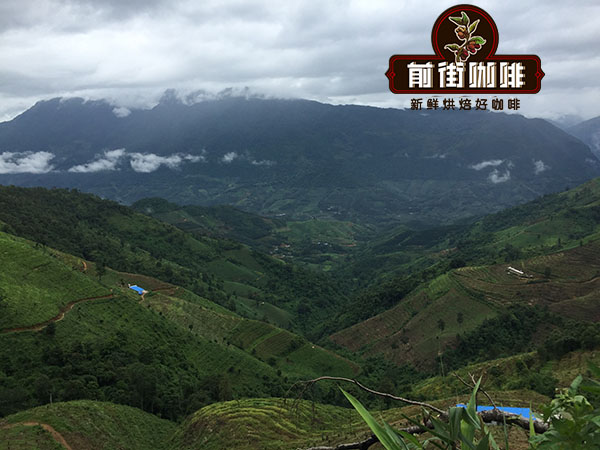
Yunnan is located in southwestern China, with the Tropic of Cancer crossing southern Yunnan. It belongs to a mountainous plateau terrain, where the medium-altitude area of 1000-3500m accounts for nearly 90% of the province's total land area. Yunnan's climate is a subtropical plateau monsoon type, with large daily temperature differences and abundant rainfall. As FrontStreet Coffee mentioned in previous articles, the growing environment for coffee requires high-altitude areas with suitable temperature and precipitation to cultivate high-quality coffee cherries. Yunnan meets these conditions, so coffee fruits produced in Yunnan are destined to have good quality.
The vast majority of coffee on the Chinese market today therefore comes from Yunnan, with Yunnan accounting for 98% of the national coffee market, basically representing China's coffee cultivation industry.
Yunnan Coffee Bean Growing Regions
The main cultivation and distribution areas for Yunnan small-grain coffee are in the southern and western regions, with Pu'er, Baoshan, Dehong, and Lincang being more famous. The Yunnan coffee beans grown in FrontStreet Coffee's manor come from Baoshan, Yunnan. FrontStreet Coffee believes that the coffee beans produced here have a rich but not bitter flavor, fragrant but not strong, with very distinctive regional characteristics. Next, FrontStreet Coffee will briefly introduce the characteristics of these Yunnan coffee growing regions.

Dehong: Known as the "Coffee Hometown of China." The coffee cultivation altitude in Dehong Prefecture is above 1000 meters, with 30,000 mu planted on mountainous areas above 1600 meters altitude. Additionally, Dehong Prefecture mainly uses organic fertilizers and organic pesticides for coffee cultivation, resulting in higher coffee quality, making it one of the world's rare high-quality coffee production areas.
Baoshan: Coffee cultivation in Baoshan began in the mid-1950s, with the first coffee seedling introduced from Southeast Asia by the late patriotic overseas Chinese Mr. Liang Jinshan. In recent years, with the expansion of international trade, the small-grain coffee from Lujiangba has become renowned. European, American, and Arab countries, especially British, American, Egyptian, Hong Kong, and Macau merchants, regard it as premium coffee, with supply unable to meet demand. In December 2010, after review by the China National Quality Inspection Administration, it was decided to implement national geographical indication product protection for "Baoshan Small-grain Coffee."
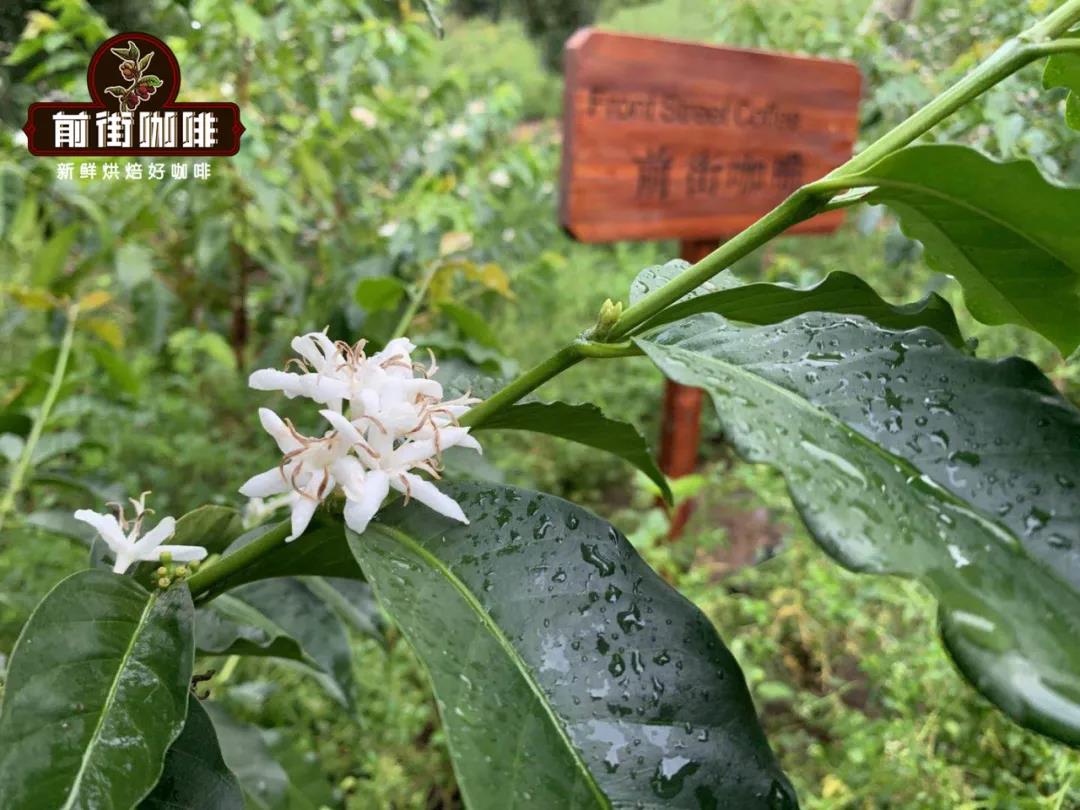
Lincang: Unique geographical location and climate conditions have made Lincang a focus of attention for many coffee companies, which have successively established 200-mu and 100-mu high-quality coffee seedling bases in Mengding Town, Gengma Autonomous County, and Xingfu Farm in Lincang city respectively, and have carried out coffee cultivation in Gengma, Zhenkang, Yun County, Cangyuan, and Yongde.
Pu'er: Pu'er, the tea township, has a 150-year history of coffee cultivation. In the early 1990s, Pu'er city began to cultivate coffee development as an advantageous backbone industry for adjusting industrial structure and increasing farmers' income and wealth.
Yunnan Coffee Cultivation History
Although Yunnan coffee has not been on the specialty coffee market for long and can be considered a rising star, according to FrontStreet Coffee, the history of coffee cultivation in Yunnan is quite ancient and can be divided into four main stages:

First Stage: In the 1880s, the Qing government was forced to sign treaties with France ending the Sino-French War and opened Mengzi (Mengzi County, Honghe Prefecture) as a treaty port. In 1889, the Mengzi Customs opened, beginning the prelude to exchanges between the southwestern border and foreign countries. Suddenly, foreign merchants gathered, and foreign companies arrived one after another.
Second Stage: In 1902, a French missionary with the Chinese name Tian Deneng brought coffee from Vietnam to a mountain village called Zhukula in Binchuan County, Dali, Yunnan Province for cultivation. To this day, descendants of those coffee plants still survive.
Third Stage: In 1952, experts from the Yunnan Academy of Agricultural Sciences distributed 80kg of coffee seeds to farmers in Lujiangba, Baoshan. Several years later, they provided large-scale guidance for cultivation, which led to the swaying coffee trees along the Yunnan-Myanmar Road. Due to the huge demand for supply to the Soviet Union, Yunnan's coffee cultivation experienced rapid development.
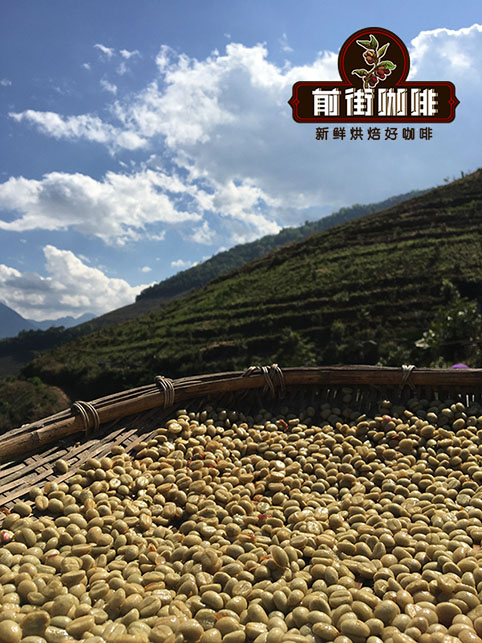
Fourth Stage: In 1988, Nestlé established a joint venture in China and began supporting local coffee industry development in Yunnan through methods such as launching coffee cultivation projects. Yunnan coffee rose again. From 1992, Nestlé established a Coffee Agriculture Department specifically to guide and research the improvement and cultivation of Yunnan coffee, and purchased coffee according to US spot market prices. To date, not only Nestlé, Maxwell House, Kraft, Starbucks, and other coffee giants are engaged in coffee business in Yunnan, but local coffee enterprises have also gradually developed and grown.
It was precisely after these four stages that Yunnan began to research coffee cultivation, and now the coffee farmers in Yunnan growing regions mainly cultivate small-grain coffee, hence Yunnan coffee is also known as Yunnan small-grain coffee. Next, FrontStreet Coffee will introduce the coffee varieties currently cultivated in Yunnan.

Yunnan Coffee Bean Varieties
Currently, the most widely cultivated coffee variety in Yunnan is Catimor, though there are also small amounts of Typica and Bourbon coffee beans cultivated in the Baoshan area. Although they all belong to the Arabica species in a broad sense, these varieties have significant differences in essence.
Typica
Typica is currently the oldest original Arabica variety on the coffee market, and almost all Arabica coffee bean varieties are derived from Typica. Typica has an elegant flavor but a weak constitution, low disease resistance, and is susceptible to leaf rust disease. Coffee bean production is therefore low and cannot meet economic benefits. In recent years, Typica in Central and South America has gradually been replaced by Caturra and Catuai, so Typica has become increasingly rare. Although Typica has an elegant flavor, it is not as popular as Bourbon.
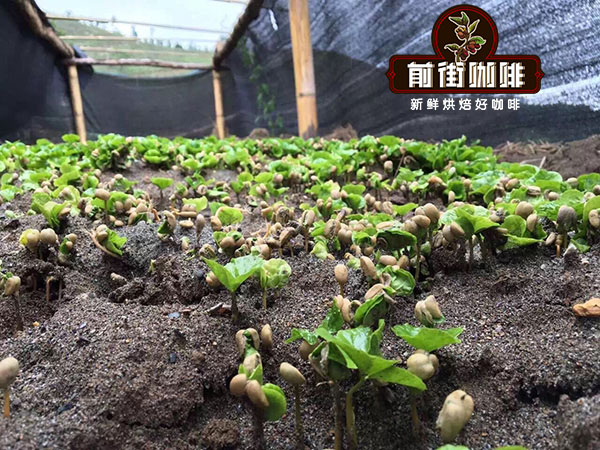
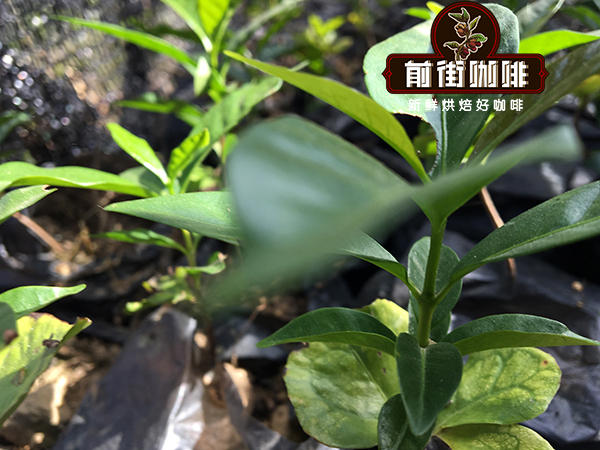
FrontStreet Coffee's manor in Yunnan mainly cultivates Typica variety coffee trees because Typica coffee has its unique clean and elegant flavor, as well as balanced characteristics, with high cleanliness in mouthfeel. Although Typica variety coffee trees are not easy to cultivate, as the oldest original Arabica variety, its flavor quality should not be underestimated. FrontStreet Coffee wants coffee enthusiast friends to taste the best flavors that Yunnan coffee can present, so it mainly cultivates Typica variety coffee trees.
Bourbon
It is a subspecies mutated from Typica and belongs to the oldest existing coffee varieties along with Typica. When green fruits mature, they present a bright red color. Compared to Typica, Bourbon leaves are wider and growth is denser, and although the fruit yield is higher than Typica, the harvest period is also 2 years, making it a low-yield variety, but it has a high-quality taste, with wine-like acidity and a sweet aftertaste.
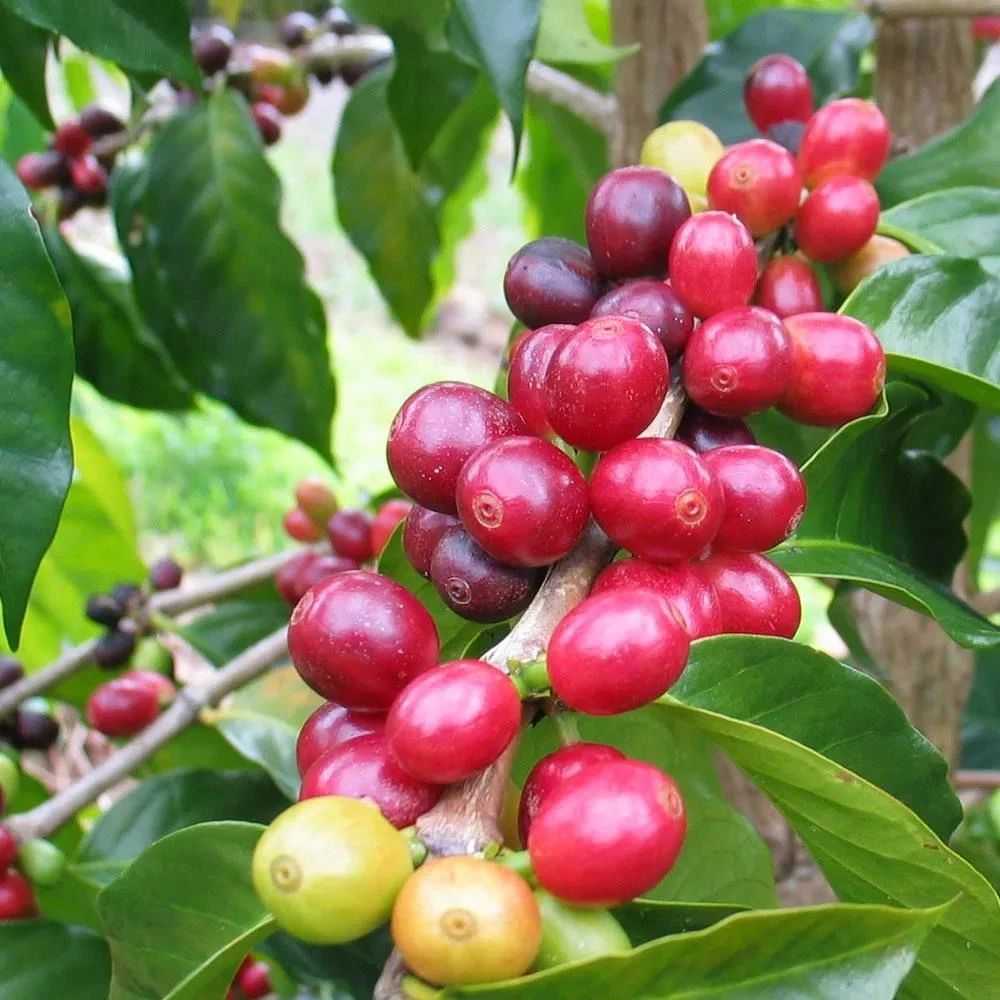
Catimor Coffee Variety
Catimor is a combination of Arabica and Robusta species. Robusta has good leaf rust resistance, rich oils, high yield, and is easy to cultivate. After hybridizing with Arabica Typica, Catimor therefore has 25% Robusta genes. It improved leaf rust resistance, retained rich oils, and also has some of the rich flavor of the original Typica variety.
Catimor variety coffee beans are currently the most widely cultivated coffee variety in Yunnan, China. Although many coffee enthusiasts still cannot accept Catimor variety coffee beans, considering their flavor to be poor, their potential is indeed immense. Take Indonesia PWN Gold Mandheling for example: in the 2020 latest batch of Gold Mandheling coffee beans, the Catimor variety was also used, which is sufficient proof of the immense potential of Catimor variety coffee beans.

Yunnan Coffee Processing Methods
According to FrontStreet Coffee, until now, Yunnan coffee beans have used many processing methods, but FrontStreet Coffee's Yunnan coffee beans currently all use the washed processing method, because the washed processing method is the best way to reflect the most original flavor of coffee beans, and it can also make the coffee bean flavor cleaner and brighter, reducing off-flavors. FrontStreet Coffee therefore uses the washed processing method in handling coffee beans, aiming to let coffee enthusiast friends who visit FrontStreet Coffee's shop taste the most authentic and original Yunnan coffee bean flavors.

In the previous text, FrontStreet Coffee introduced coffee enthusiast friends to the cultivation conditions, varieties, and processing methods of Yunnan coffee. This is because the flavor expression of a single-origin coffee bean depends on its growing environment (i.e., growing region), coffee variety, and processing method - these are the decisive factors that affect coffee flavor expression. Before launching any new coffee bean, FrontStreet Coffee will therefore understand the origin story and the three basic factors of flavor formation for this bean, briefly describe these contents on the packaging, and write an article for coffee enthusiast friends to understand in depth. This is also one of the pleasures of tasting single-origin coffee. Next, FrontStreet Coffee will share two single-origin coffee beans produced by FrontStreet Yunnan Coffee Manor with everyone.

FrontStreet Coffee: Yunnan Flower and Fruit Mountain Coffee Beans
Country: China
Region: Yunnan Baoshan
Altitude: 1450-1550m
Variety: Typica
Processing: Washed
Flavor: Citrus, nuts, plum, melon fragrance, brown sugar, tea sensation

FrontStreet Coffee: Yunnan Small-grain Coffee Beans
Country: China
Region: Yunnan Baoshan
Altitude: 1200m
Variety: Catimor
Processing: Washed
Flavor: Herbal, nutty fragrance, chocolate, caramel
The above is the information about Yunnan coffee bean growing regions and flavor characteristics that FrontStreet Coffee has compiled. We hope this helps coffee enthusiast friends better understand Yunnan coffee so they can choose coffee beans that suit their taste in the future.
FrontStreet Coffee Recommendation
From Starbucks' early Yunnan Reserve lots to independent estates, Yunnan's coffee story keeps unfolding, and FrontStreet Coffee is proud to farm its own Typica in Baoshan. The FrontStreet Yunnan Flower and Fruit Mountain coffee, grown at 1450-1550m and washed, brings citrus, nuts, plum, melon fragrance, brown sugar, and a tea-like finish. For an everyday introduction, the FrontStreet Yunnan Small Bean is a washed, medium-roasted Catimor with herbal, nutty, chocolate, and caramel notes, while the FrontStreet Black Cocoa blend turns Yunnan small bean into a balanced, nutty espresso.
Important Notice :
FrontStreet Coffee is a long-established specialty coffee roaster in Guangzhou China, selling freshly roasted beans from its own farm in Yunnan as well as dozens of carefully selected single-origin beans from around the world for both pour-over and espresso. The products deliver consistently excellent quality and great value, with shipping within 24 hours. Guangzhou's FrontStreet Coffee shop is recommended by many coffee lovers, and the beans are now available online at the Tmall 。
FrontStreet Coffee has moved to a new address:
FrontStreet Coffee Address: 315,Donghua East Road,GuangZhou
Tel:020 38364473
 Scan and follow the En Gafei WeChat official account. Please indicate that the reprint comes from "En Gafei".