
What Milk Should Be Used for Coffee Making? Is Whole Milk or Skim Milk Better for Coffee?

Coffee and milk form a golden partnership. Rich, aromatic black coffee blends with smooth milk, the bitterness of the coffee wrapped in the sweetness of the milk while the coffee's fragrance still comes through. The milk doesn't overpower, so you can still taste this as a cup of coffee; that is why the ratio of coffee to milk matters so much.
How to Pair Coffee with Milk
The black coffee that pairs with milk must be exceptional enough not to be overshadowed. Its concentration therefore needs to be high. In terms of flavor, coffee with bitter notes suits milk better than coffee with acidic notes. When bitter coffee meets milk, the milk effectively masks the bitterness we might dislike while still letting the coffee's flavor and aroma shine through. Acidic coffee, by contrast, is easily masked by milk's sweetness, which ends up emphasizing the milk's own sweet taste.

When it comes to the most coffee-and-milk-friendly variety, espresso undoubtedly takes the crown. Espresso combined with milk is what we know as latte. To create a delicious latte, though, the coffee beans, the milk, and the ratio between them all need careful consideration.
Coffee to Milk Ratio in a Latte
Most espresso beans used for lattes are chocolate-based, and when combined with milk they create a chocolate-milk-like taste. Take FrontStreet Coffee's in-house Sunflower Warm Blend as an example: it is crafted from Honduras Sherry coffee beans and Ethiopian Yirgacheffe Red Cherry coffee beans, featuring rich sherry wine aroma with vanilla chocolate and caramel flavors.
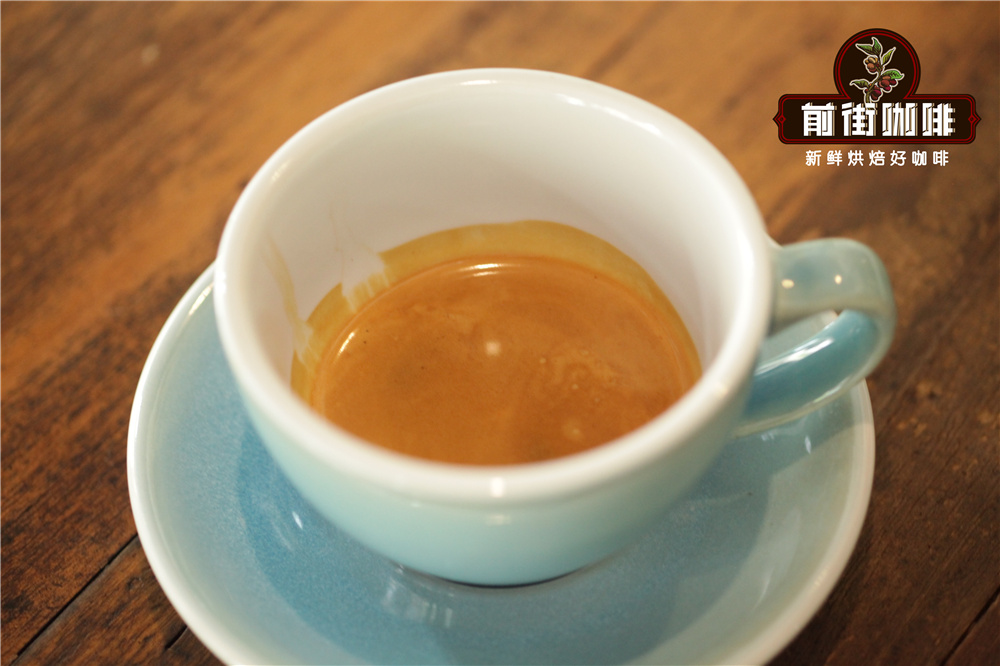
FrontStreet Coffee's recipe for latte uses a 1:6.5 coffee-to-milk ratio: 40ml of espresso as the base combined with 260ml of milk, including foam, creating a latte with rich chocolate notes and a whiskey-like aroma.
Of course, a 1:6.5 ratio isn't universally perfect; it should be adjusted to the espresso's flavor profile and the milk's characteristics. FrontStreet Coffee also arrived at this 1:6.5 ratio through extensive testing with its Sunflower Warm Blend beans and Kowloon Dairy fresh milk.
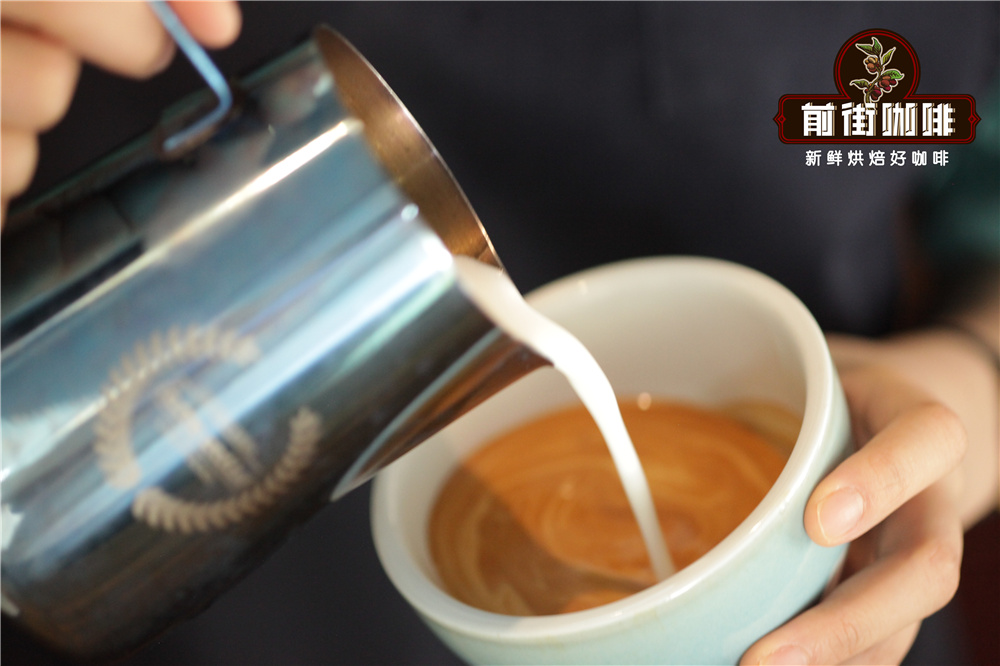
In those ratio experiments with Sunflower Warm Blend beans and Kowloon Dairy fresh milk, a ratio of 1:6 or lower made the coffee flavor too intense and the taste unbalanced. At 1:7 or higher, the milk completely overpowered the coffee, making it seem weak and tasteless. To create a delicious milk coffee, then, the ratio between coffee and milk is crucial.
Can Pour-Over Coffee Be Mixed with Milk?
Pour-over coffee is much lighter than espresso; espresso concentration is around 9%, while pour-over is about 1.3%. Pour-over also usually uses single-origin beans, which are often considered the highest-quality category of coffee, so many people don't recommend adding milk, as it might seem wasteful.

FrontStreet Coffee, however, believes the general public tends to accept milk coffee more readily, and many people transition from milk coffee to pour-over. Adding milk to any type of coffee isn't inherently wrong either. For those not accustomed to black coffee, coffee with milk can be more enjoyable.
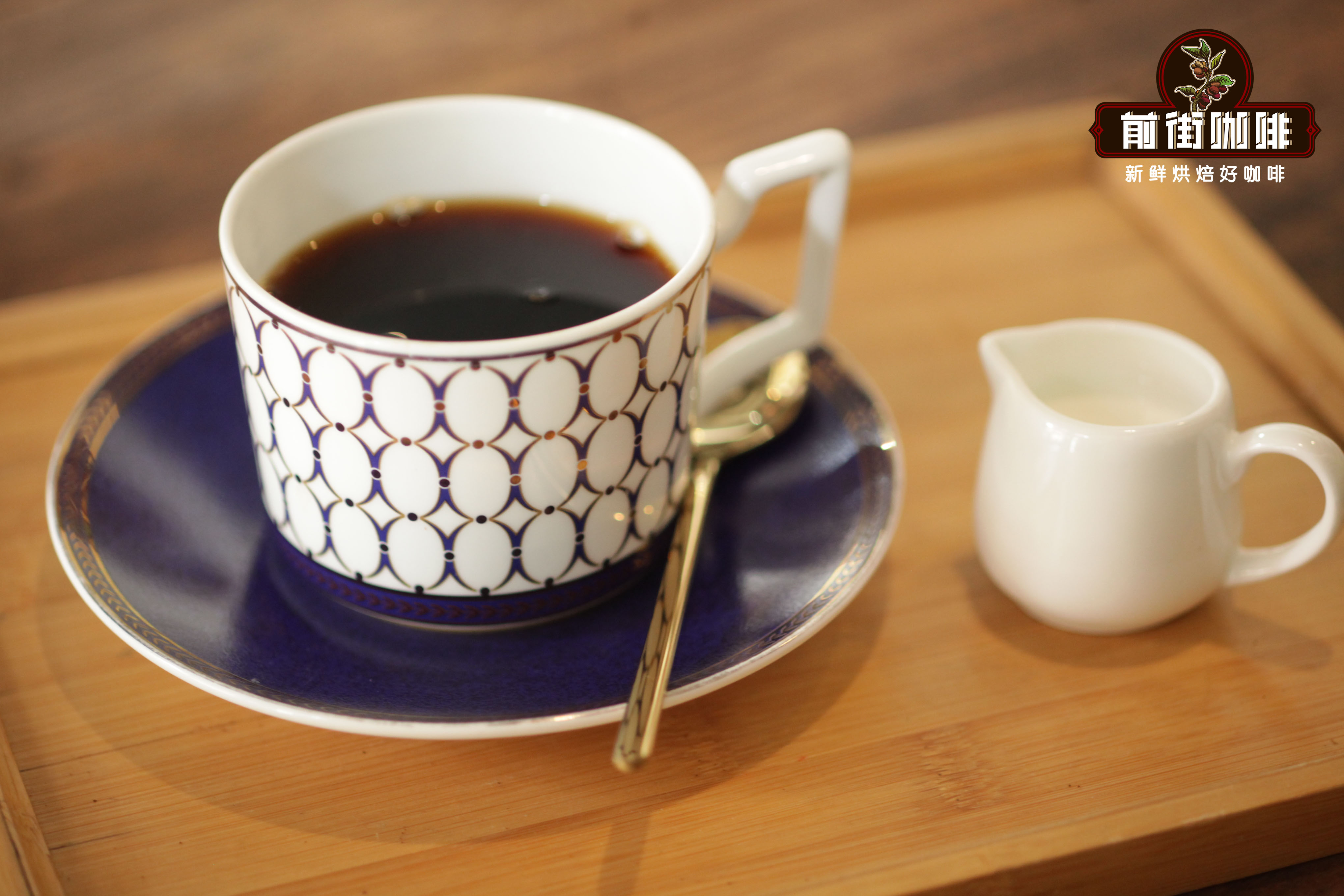
Still, milk shouldn't be added indiscriminately; as noted above, improper ratios can be counterproductive. So for light-roasted, less concentrated coffee than espresso, FrontStreet Coffee would like to share some guidance.
Likewise, fruit-forward, acidic pour-over coffees aren't suitable for milk. They naturally have a light, refreshing character that few people find unpleasant, and adding milk might completely mask the coffee's flavor or create unpleasant sour notes similar to spoilage.
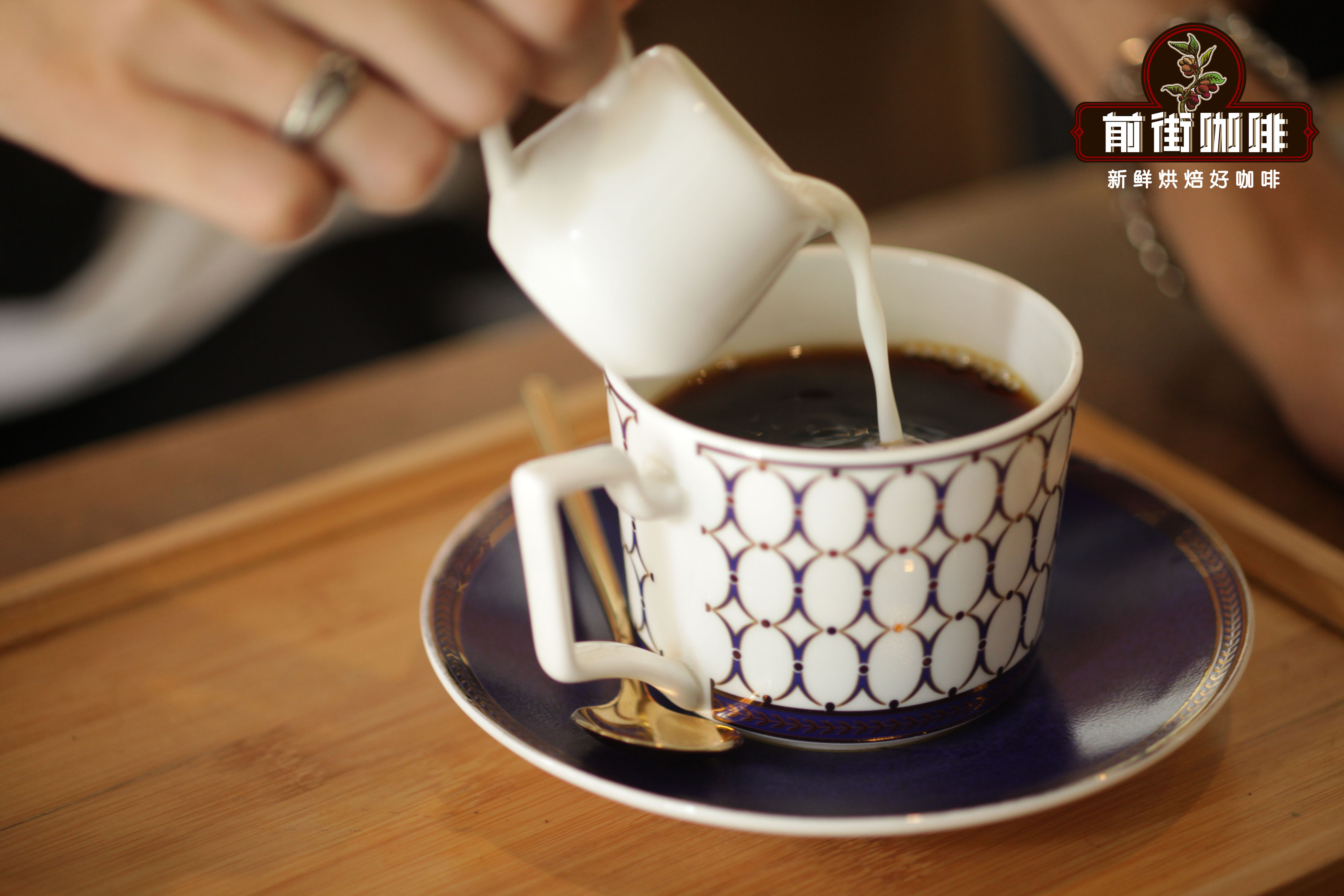
Milk is therefore better suited to medium-dark roasted coffees that show nutty, chocolate, and similar flavors. Because pour-over coffee is inherently less concentrated, it can easily be overpowered by too much milk. Adding milk to pour-over often aims to enhance smoothness and neutralize some bitterness, making the coffee more approachable. FrontStreet Coffee recommends adding 20ml of milk per 100ml of black coffee.
Some Knowledge About Fresh Milk vs. Pure Milk
Fresh milk and pure milk differ by just one character in Chinese, but they have significant distinctions:
1. Different shelf life: fresh milk typically lasts 7 days, while pure milk can last up to a year.
2. Different storage methods: fresh milk must be refrigerated, while pure milk only needs to be stored at room temperature away from light.
3. Different pasteurization methods: fresh milk uses pasteurization, while pure milk undergoes ultra-high temperature sterilization.
4. Different nutritional value: fresh milk has higher nutritional value than pure milk.
5. Different taste and texture: fresh milk often has a richer milk flavor, while pure milk tastes milder.
FrontStreet Coffee Recommendation
The article's rule of thumb is that bright, fruit-forward coffees belong in the cup black, and FrontStreet Coffee's Yirgacheffe lineup is the reference point for exactly that style. The FrontStreet Washed Yirgacheffe delivers white jasmine, bright citrus and lemon acidity, and a tea-like body that shines without milk. The FrontStreet Gutingting Cooperative lot shows citrus, lemon, and elegant white florals in a clean, precise cup, while the FrontStreet Natural Red Cherry brings tropical fruit, berry juiciness, honeyed sweetness, and a creamy texture from whole-cherry drying. Enjoy these black, or, if you do add milk, keep it to the recommended 20ml per 100ml so the delicate florals are not lost.
Important Notice :
FrontStreet Coffee is a long-established specialty coffee roaster in Guangzhou China, selling freshly roasted beans from its own farm in Yunnan as well as dozens of carefully selected single-origin beans from around the world for both pour-over and espresso. The products deliver consistently excellent quality and great value, with shipping within 24 hours. Guangzhou's FrontStreet Coffee shop is recommended by many coffee lovers, and the beans are now available online at the Tmall 。
FrontStreet Coffee has moved to a new address:
FrontStreet Coffee Address: 315,Donghua East Road,GuangZhou
Tel:020 38364473
 Scan and follow the En Gafei WeChat official account. Please indicate that the reprint comes from "En Gafei".

