What's the Difference in Grind Settings for Pour-Over Coffee? Grind Coarseness and Reference Standards?

If you are a serious pour-over enthusiast, you already know that several variables shape the extraction and flavor of the cup. FrontStreet Coffee likes to list them: water temperature, grind size, coffee-to-water ratio, extraction time, and more.
In this article, FrontStreet Coffee looks at how grind size affects a cup of pour-over coffee, and shares the standards our stores use when setting the grind for pour-over.
The Impact of Coffee Grind Size
The single most important variable in pour-over brewing is the grind size of the coffee. Never underestimate it: the size and uniformity of the particles directly determine how efficiently water passes through the coffee bed and dissolves flavor compounds. Put simply, particle size controls the contact time between coffee and water.
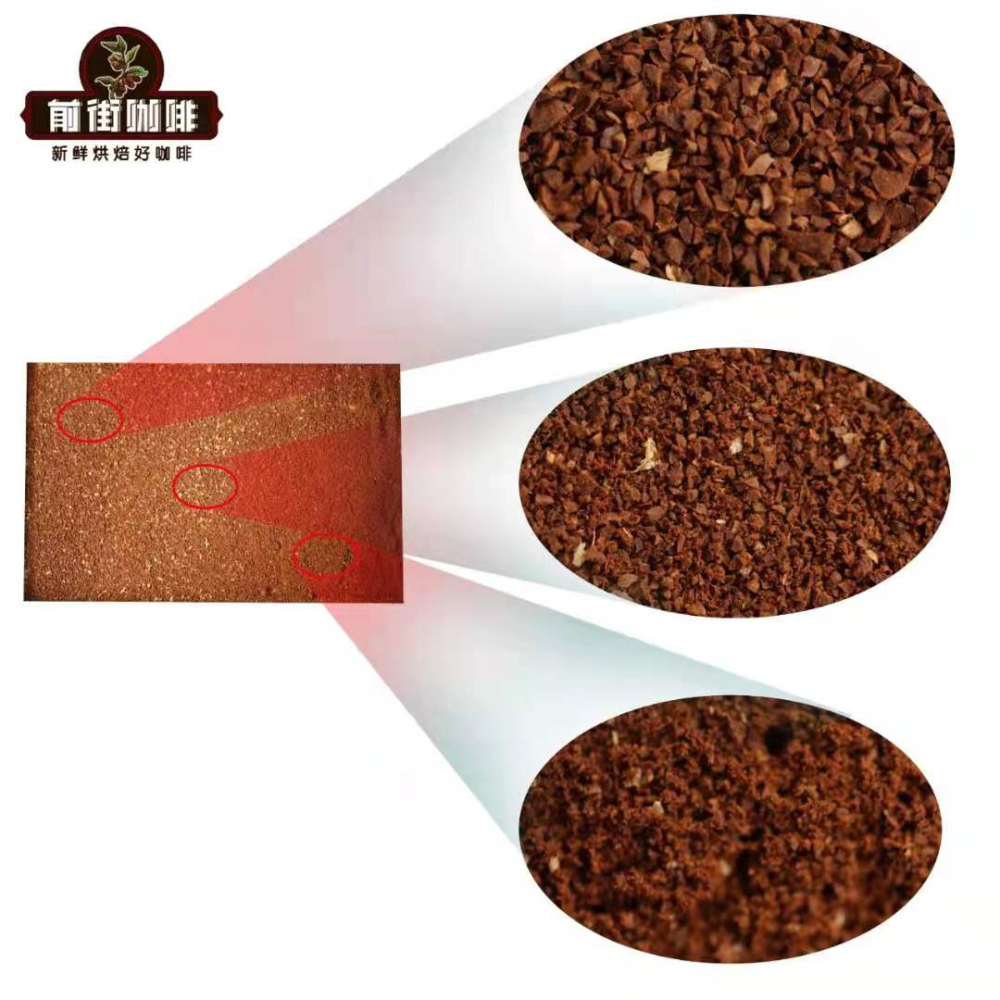
Under otherwise identical parameters, finer particles extract faster. The finer the grind, the greater the surface area exposed to water and the higher the resulting concentration; coarser particles do the opposite. The coarser the grind, the smaller the surface area in contact with water and the lower the concentration in the cup.
A finer grind also packs against the filter paper more readily, raising resistance and slowing the flow, which lengthens the extraction time. The result is a higher extraction yield, which simply means a stronger-tasting coffee. By the same logic, a coarser grind leaves larger gaps in the bed, so less coffee comes into contact with water, resistance drops, and the coffee drains faster. The result is a lower extraction yield, which is why we describe the cup as weak.

So if we change exactly one variable, the grind size, the difference in the cup is dramatic. This is why enthusiasts keep asking why grinding matters so much. FrontStreet Coffee often hears customers ask what "medium-fine" or "sugar-sized" actually means, so let us turn to the comparison chart below.
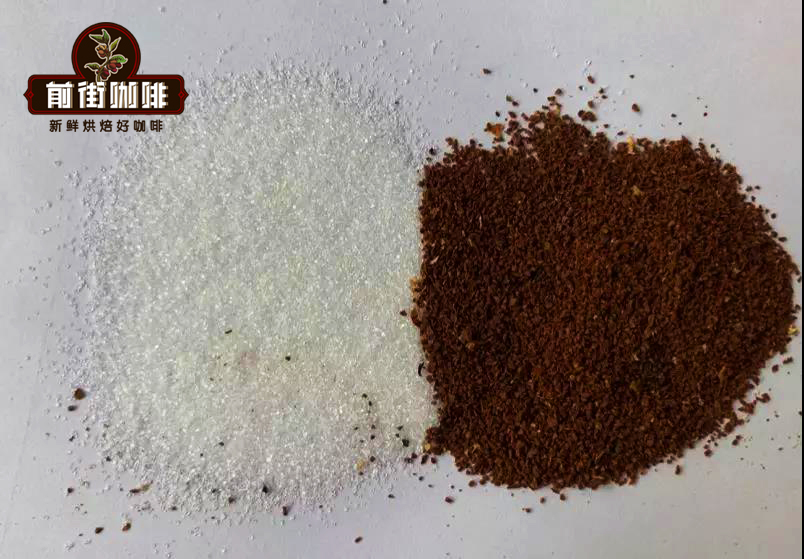
How Important Is Coffee Grind Size?
To repeat the point: at the same weight, a finer grind means the beans are cut more times, producing smaller particles with more total surface area exposed to water; a coarser grind means fewer cuts, larger particles, and both less contact area and less contact time with water. In other words, the coarser the grind, the lower the concentration and extraction yield, the lighter the body, and the more pronounced the acidity.
Reliable Reference Standards
Every cafe has its own brewing standards, but the industry does share an accepted reference for cupping. Cupping was originally used to assess green coffee quality, and today it is also used to map flavor and to set suitable brewing parameters for a sample. Write this one down: the standard cupping grind is a 70-75% pass-through rate on a #20 sieve.
Pour-Over Coffee (70-80% pass-through rate on #20 sieve)
Suitable for V60, Kono, Hario, Origami, conical filters, flat-bottom filters, smart drippers, and American drip coffee makers.
Pour-over is primarily a drip method. Unlike immersion, which runs longer and can easily pull out undesirable flavors, pour-over is quick, generally 1 minute 30 seconds to 2 minutes 30 seconds. The principle is simple: water dissolves compounds from the grounds and then passes through the filter paper to give a clean cup. Because the brew is short, the grind generally needs to be finer.

A finer grind than the cupping standard is therefore needed to fully express the coffee's flavor. Roast level also matters. Medium-light roasts call for a finer grind (75-80% pass-through rate), while medium-dark roasts want a coarser grind (70-75% pass-through rate).
Note: because bean density and roast degree differ, the same grinder at the same setting may not produce the same particle size for two different coffees. For example, FrontStreet Coffee sets an EK-43s to setting 10, and our Ethiopia Yirgacheffe comes out at an 80% pass-through rate, while our Colombia Rose Valley at the same setting 10 reaches only 75%. So when you are unsure how fine a bean should be ground, FrontStreet Coffee suggests you confirm the grind using that same single bean.
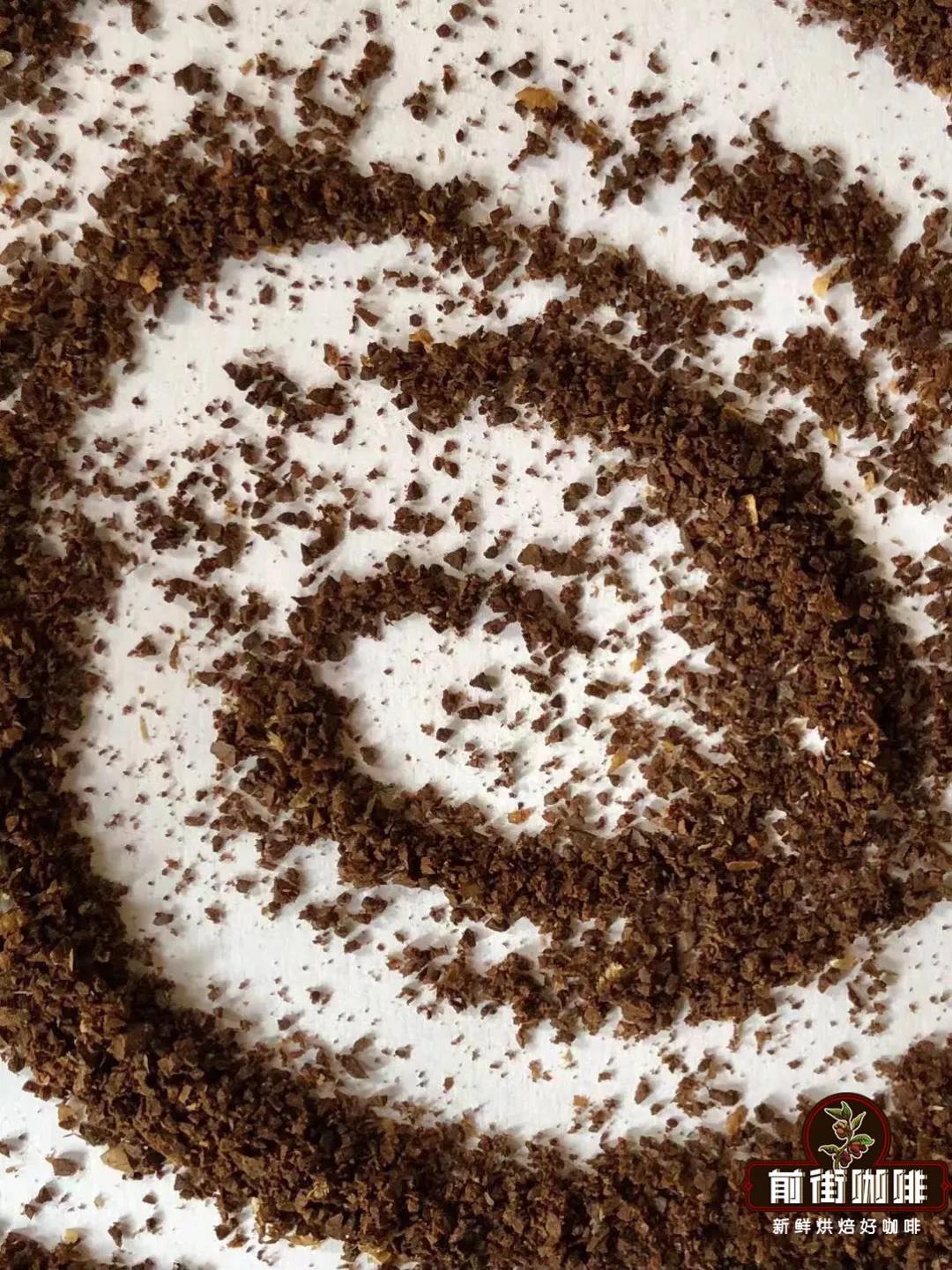
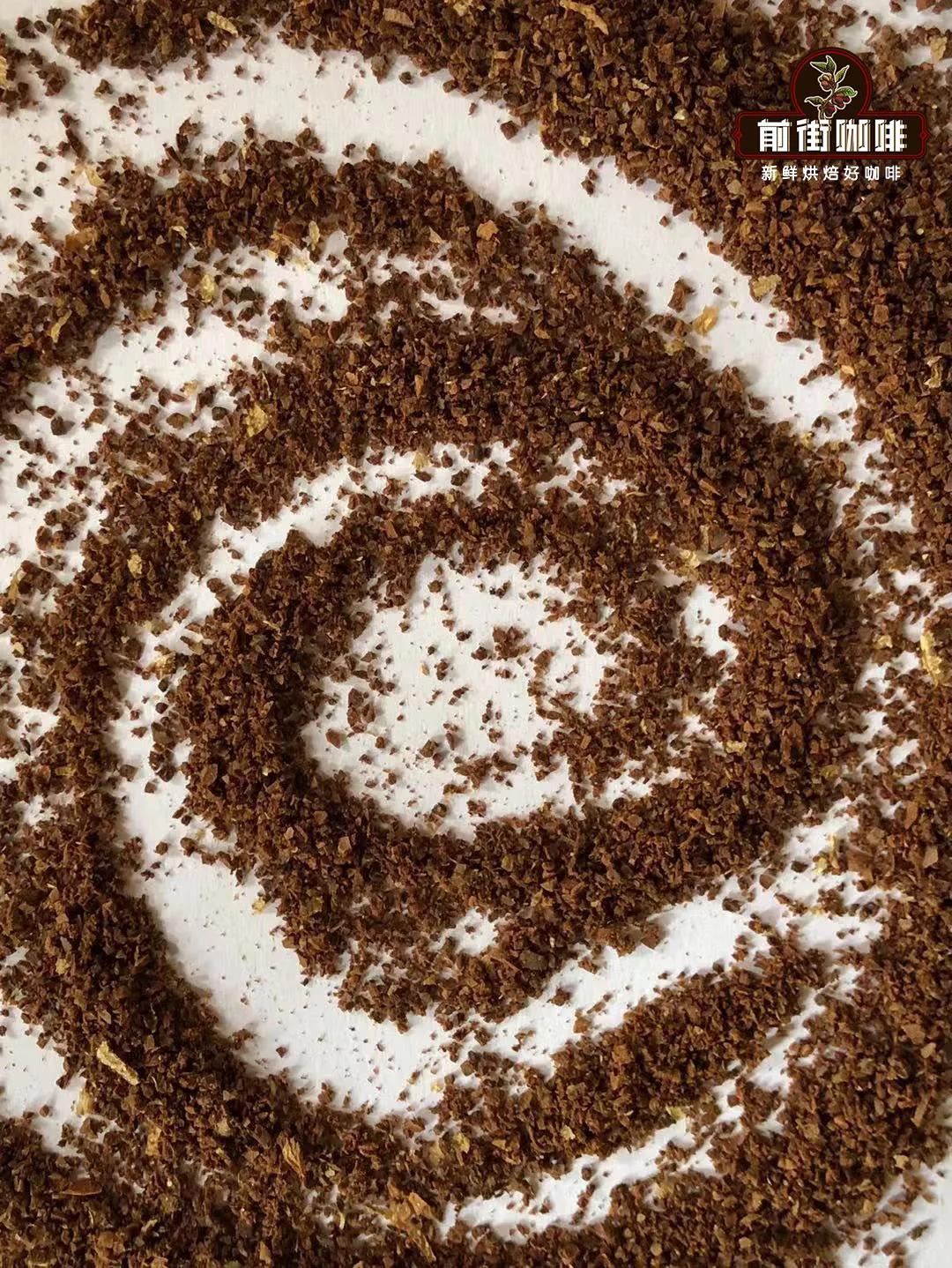
Signs of Coffee Ground Too Fine
Visually, the particles are smaller, and because they are smaller the gaps between them are shorter, making it harder for water to pass through. During brewing, the drip time runs longer.

Fine particles also clump once they are wet and filtered, taking on a paste-like appearance. After brewing, the coffee bed makes individual particles hard to see and mostly looks muddy. Because the particles are small, their total surface area is large, giving water more points of contact to dissolve coffee solids, which raises both concentration and extraction yield. The cup tastes heavy, with obvious bitterness and astringency that mask the other flavors.
Signs of Coffee Ground Too Coarse
Visually, the particles are larger, and because they are larger the gaps between them are wider, so water passes through the bed more easily. During brewing, the filtration time is shorter.

With a coarse grind, the particles remain clearly visible in the bed after brewing, which makes it hard to form a complete bed and often leaves cracks. Larger particles mean less total surface area, so water has fewer points of contact to dissolve coffee solids, and both concentration and extraction yield drop. The cup tastes bland and hollow, with a light body and almost no flavor.
Different Coffee Brewing Methods
Different brewing methods require different grind fineness.
Because the extraction mechanisms differ, each brewing method calls for its own grind size. Taking the methods we encounter most often day to day, pour-over, French press, espresso machine, and cold brew or ice drip, the grind sizes from coarsest to finest run: French press, then pour-over, then cold brew or ice drip, then espresso machine.
Pressurized Extraction / Espresso Machine Grind Size (Cannot be determined with a #20 sieve)
The espresso machine uses a very fine grind, finer than the 0.85mm aperture of a #20 sieve, so it cannot be measured with that tool.

To set the grind for espresso, you have to pull shots and taste them repeatedly. FrontStreet Coffee's in-store recipe is 20g of coffee grounds extracted to 40g of coffee liquid in 28 seconds (with a margin of plus or minus 1 second). You can use this recipe as a starting point and fine-tune it based on how the shot tastes.
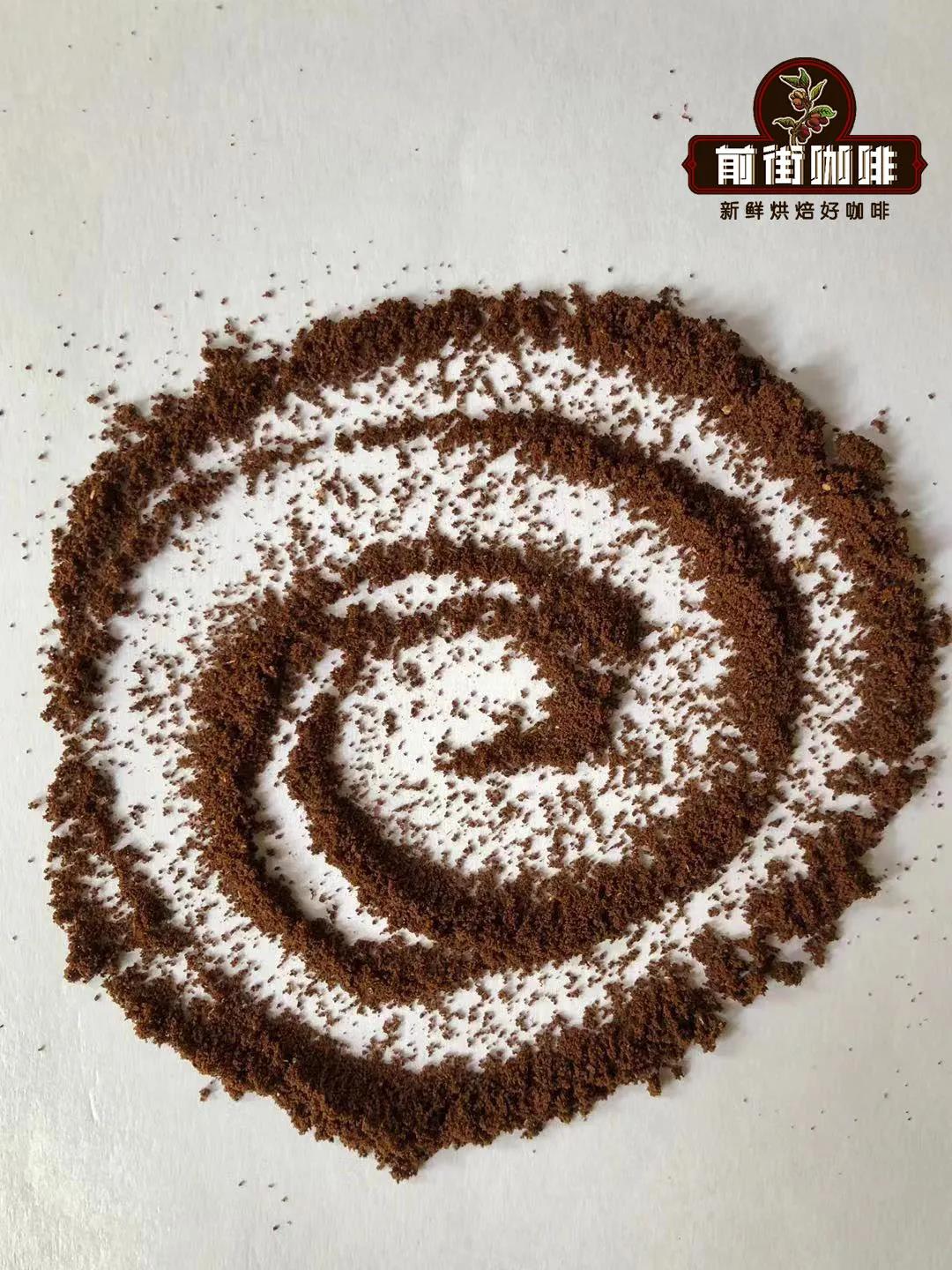
Steam Pressure Extraction / Moka Pot Coffee Grind Size (Cannot be determined with a #20 sieve)
The moka pot, like the espresso machine, uses a very fine grind, though slightly coarser than espresso. It is still finer than the 0.85mm aperture, and it also cannot be measured with a #20 sieve.
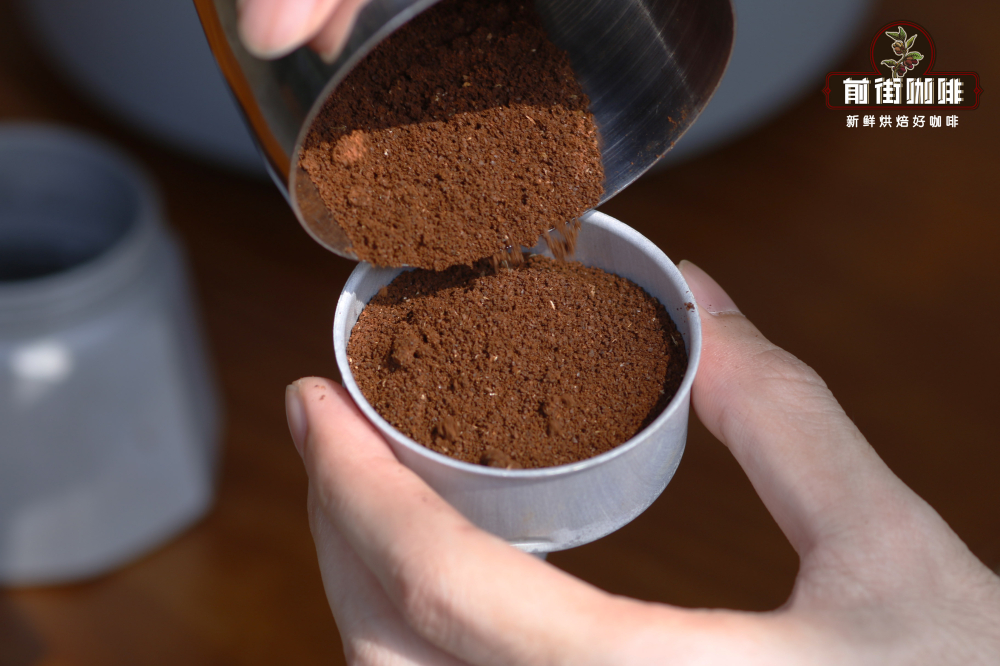
For the grind size, refer to the gap in the moka pot's coffee basket and make sure the particles will not slip through it.
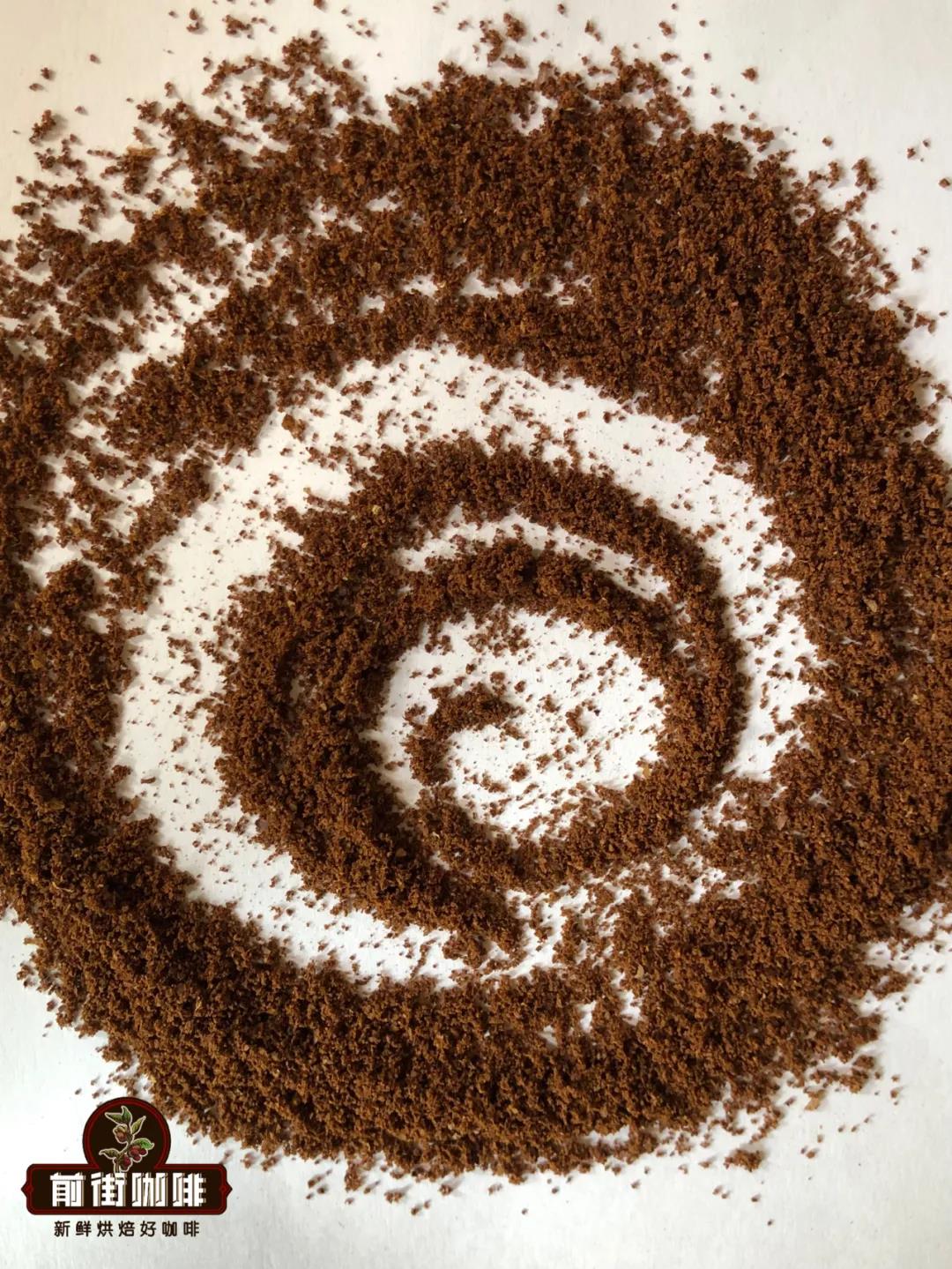
Cold Extraction / Cold Brew and Ice Drip Coffee Grind Size (80-85% pass-through rate on #20 sieve)
Cold extraction differs from hot extraction. In an ice-water mixture or a refrigerated environment, extraction efficiency is very low, so flavor compounds release from the grounds far more slowly and the process takes much longer. The advantage of cold extraction is that it fully draws out the sour and sweet compounds while extracting fewer bitter ones.

Because extraction is slow, the coffee can be ground finer, but not too fine. FrontStreet Coffee recommends an 80-85% pass-through rate on a #20 sieve for cold brew and ice drip. Choose 85% for a stronger flavor, or 80% for a cleaner cup.
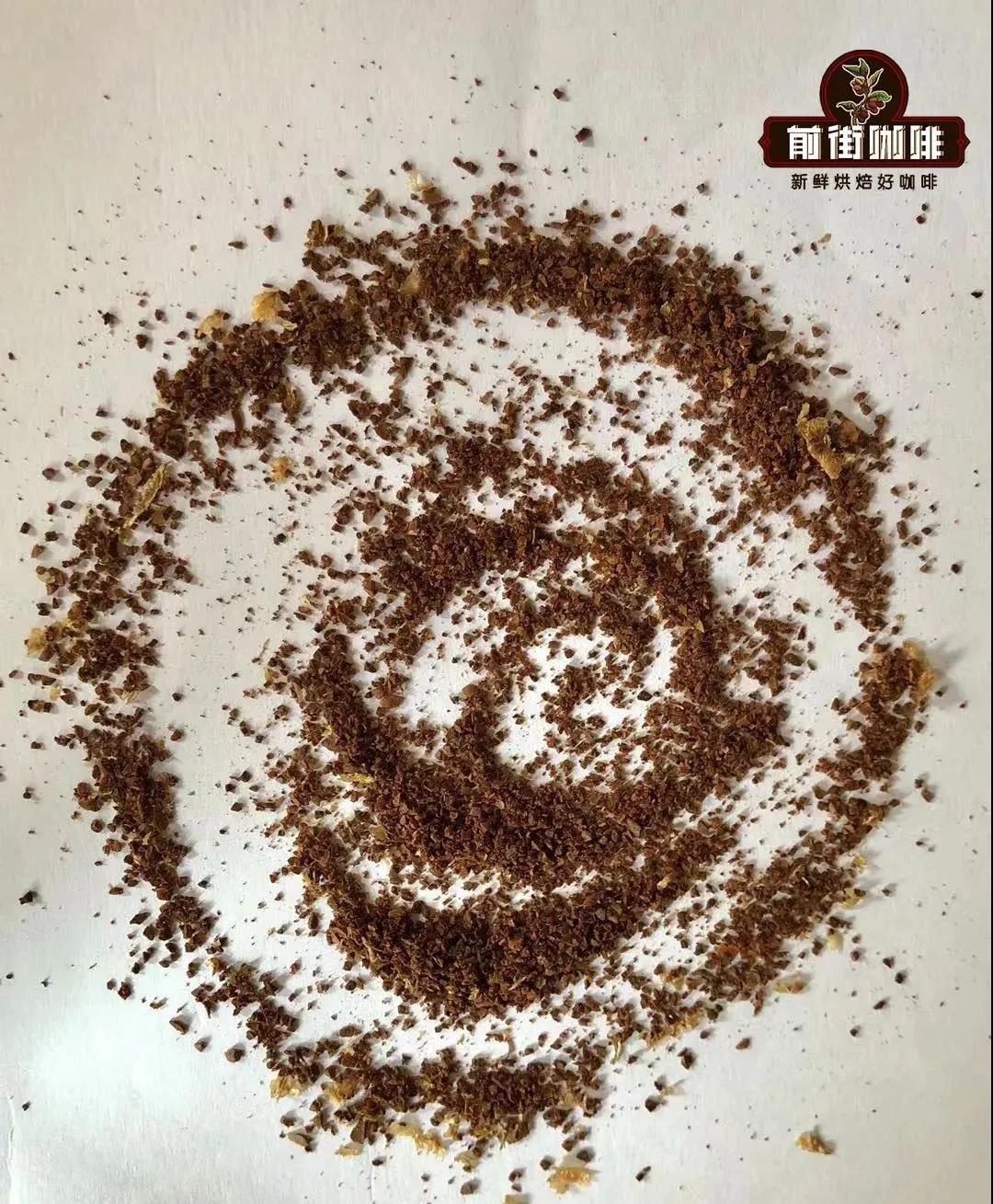
Immersion Extraction / French Press Grind Size (68-75% pass-through rate on #20 sieve)
The French press extracts by immersion, with a longer steep of about 4 minutes, and its filter has a wide mesh, so the grind needs to be coarser. This reduces over-extraction and filters the particles more effectively.

Roast level also changes the target fineness. FrontStreet Coffee recommends a 70-75% pass-through rate on a #20 sieve for medium-light to medium roasts, and a 65-70% pass-through rate for medium-dark roasts.
FrontStreet Coffee - Extended Reading
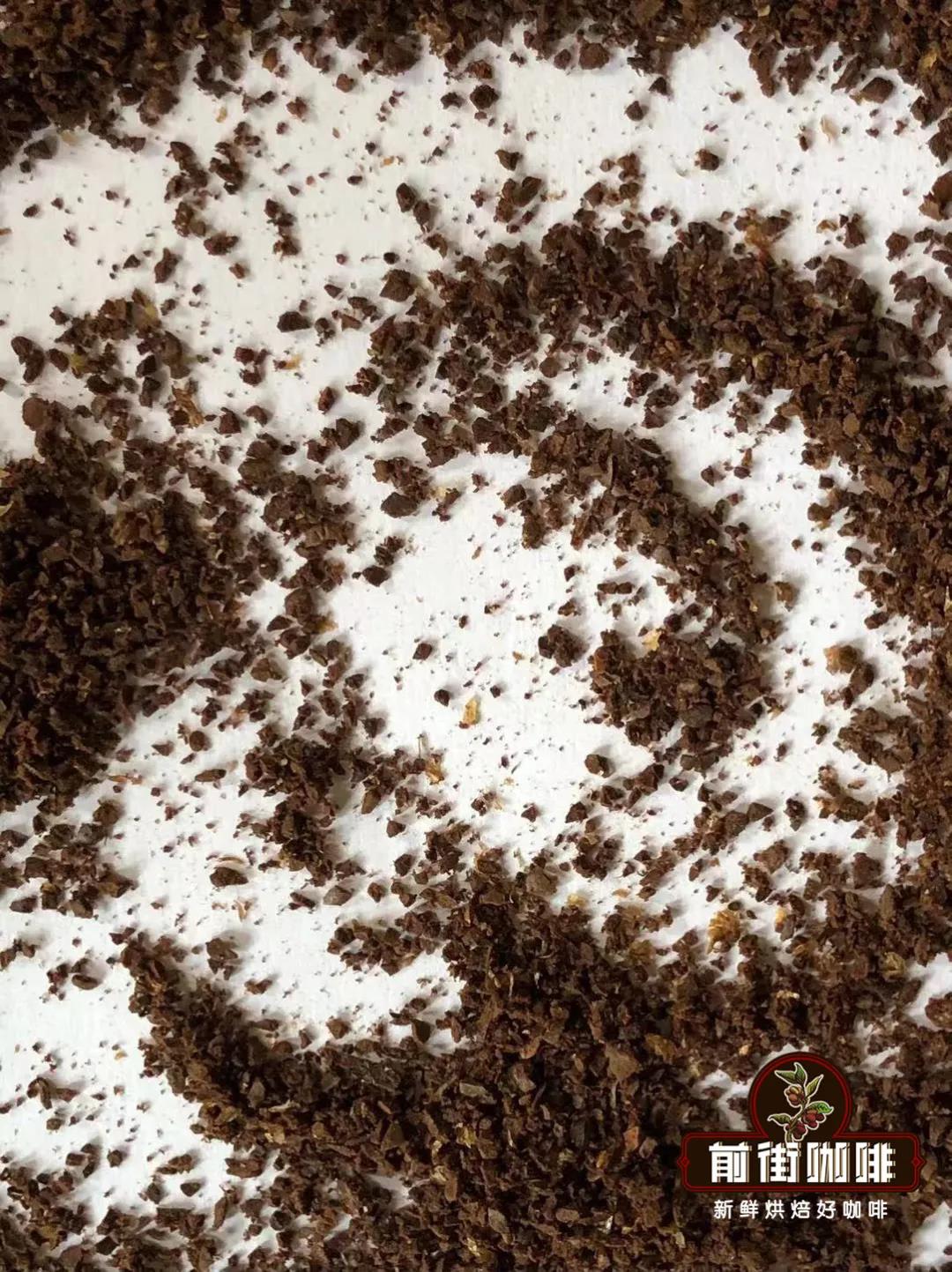
#20 Chinese standard sieve: a sieve is a tool used to classify and measure the particle size of a substance. Standard sieves that meet factory specifications are all accurate. The sieve aperture is 0.85mm.
Calibrating a coffee grind is also very simple to do:
Pour the ground coffee into the sieve, cover it with the lid, and shake horizontally.
Shake until no more particles fall, then weigh the particles that passed through the sieve.

The result is the fineness of the grind. A simple example: weigh out 10g of ground coffee, and if the coffee remaining after sieving weighs 7.5-8g, then that grind has a 75-80% pass-through rate on a #20 sieve. The finer the particles, the higher the pass-through rate; the coarser the particles, the lower it is.

FrontStreet Coffee Recommendation
Once your grind is dialed in, the bean itself still decides how much a V60 can show. FrontStreet Yirgacheffe Gutingding is the classic starting point for a fine pour-over grind: distinct citrus, berry, and floral notes with a green-tea sweetness, and acidity that is soft and bright rather than sharp. Ethiopia Flower Queen pushes toward tropical fruit, with strawberry, passion fruit, and jackfruit aromas and a juicy, low-bitterness body.
For a lighter, tea-like cup, FrontStreet Strawberry Candy balances delicate rose and orange with raisin, blueberry, and strawberry-gummy sweetness, and it also works in a moka pot, an espresso machine, or as a cold brew. FrontStreet Mozart adds a raisin and fermented-fruit depth that shines when you grind a touch coarser for a French press or cold brew.
Because V60 brewing is short and flow-rate sensitive, grind around a 70-80% pass-through rate on a #20 sieve, use a 1:15 ratio, and keep the water at 90-91 degrees Celsius. If the flow stalls, coarsen the grind slightly; if the cup tastes thin and sour, grind finer.
Important Notice :
FrontStreet Coffee is a long-established specialty coffee roaster in Guangzhou China, selling freshly roasted beans from its own farm in Yunnan as well as dozens of carefully selected single-origin beans from around the world for both pour-over and espresso. The products deliver consistently excellent quality and great value, with shipping within 24 hours. Guangzhou's FrontStreet Coffee shop is recommended by many coffee lovers, and the beans are now available online at the Tmall 。
FrontStreet Coffee has moved to a new address:
FrontStreet Coffee Address: 315,Donghua East Road,GuangZhou
Tel:020 38364473
 Scan and follow the En Gafei WeChat official account. Please indicate that the reprint comes from "En Gafei".