Characteristics and Differences Between Single-Origin Coffee and Specialty Coffee_Is the Standard for Specialty Coffee Single-Origin?
For more professional coffee knowledge and coffee bean information, please follow Coffee Workshop (WeChat public account: cafe_style)
Coffee itself is a consumer behavior. Whatever the type of coffee, FrontStreet Coffee believes the core principle should be delivering high-quality coffee that lets people taste the flavor characteristics and differences of various producing countries, regions, and varieties. Both single-origin coffee and specialty coffee can offer a delightful experience, but the two concepts are often confused. Both can be single-origin coffee, yet single-origin coffee does not equal specialty coffee, because specialty coffee is held to strict scoring standards. At the same time, high-quality specialty coffee is always single-origin coffee, and these two concepts that do not align carry significant differences. Today, FrontStreet Coffee will share the differences and characteristics of the two, and talk about what sets single-origin coffee apart from specialty coffee.
What is Single-Origin Coffee?
As the name suggests, "single-origin" means "single." Everyone knows that coffee produced in different regions and at different altitudes has varying flavors. Many hardcore coffee enthusiasts enjoy pursuing perfection and tracing origins. Coffee should emphasize the "three singles": single origin, single estate, and single variety. As long as it meets one of these criteria, it can be called single-origin coffee. Coffees such as Blue Mountain, Kenya, Colombia, and Yirgacheffe all belong to single-origin coffee. Coffee without milk or sugar is often collectively called "black coffee," but this is actually not very precise terminology. Although single-origin coffee keeps its original flavor, not many people can handle its "bitterness." Those who drink it without milk or sugar are definitely in the minority. In fact, single-origin coffee grows in different regions, and each variety develops its own flavors through the climate differences of its origin. It is therefore worth tasting the coffee's original flavor before adding sugar or milk.
Characteristics of Single-Origin Coffee
Nowadays, most people are accustomed to describing a coffee's flavor profile by its growing region, which depends on whether the coffee is single-origin, because coffee labeled with a specific region represents the flavor characteristics of that area. Single-origin coffee has "personality": due to regional differences, some are more bitter, while others have pronounced acidity. This is especially evident during roasting, when flavors are most apparent.
What is Specialty Coffee?
Single-origin coffee can also be divided into specialty-grade and commercial-grade beans. The concept of specialty coffee was first introduced by Erna Knutsen, known as the "godmother of specialty coffee," in the "Tea & Coffee Trade Journal" in 1974, emphasizing that "only in the most favorable microclimates and soil conditions can unique specialty coffee be cultivated." Moreover, only coffee scoring 80 points or above according to SCA (Specialty Coffee Association) standards qualifies as specialty coffee. In simple terms, specialty coffee must meet four elements: good green beans, good roasting, good storage, and good extraction. Each step must achieve superior quality to be called specialty coffee.
Characteristics of Specialty Coffee
The characteristics of specialty coffee are clear and focused on "excellence": outstanding raw materials, excellent roasting technique, superior extraction, and an exceptional flavor profile. From bean selection to the coffee cup, every step is extremely meticulous. Specialty coffee is therefore truly rare.
The Difference Between Single-Origin and Specialty Coffee
Single-origin coffee emphasizes singleness, focusing on expressing the flavor of a specific region, with no requirements placed on coffee quality; specialty coffee focuses more on coffee quality and flavor. As long as the beans are excellent, it does not matter whether they are single-origin or a blend. Through various high-quality coffee blends, masterfully roasted, different flavor profiles can be presented. This proves why the coffee made by different specialty coffee shops and baristas tastes different. In summary, single-origin coffee does not equal specialty coffee, and specialty coffee is not necessarily single-origin coffee. There are many varieties of specialty coffee, with the world's three major coffee growing regions being Asia, Latin America, and Africa, each with its own characteristic flavors. Generally speaking, Asian coffee beans feature rich flavors, African coffee beans are known for multi-layered acidity and bright floral notes, while Latin America represents a combination of the first two, producing both rich, full-bodied coffee regions and bright, fruit-toned coffee regions.
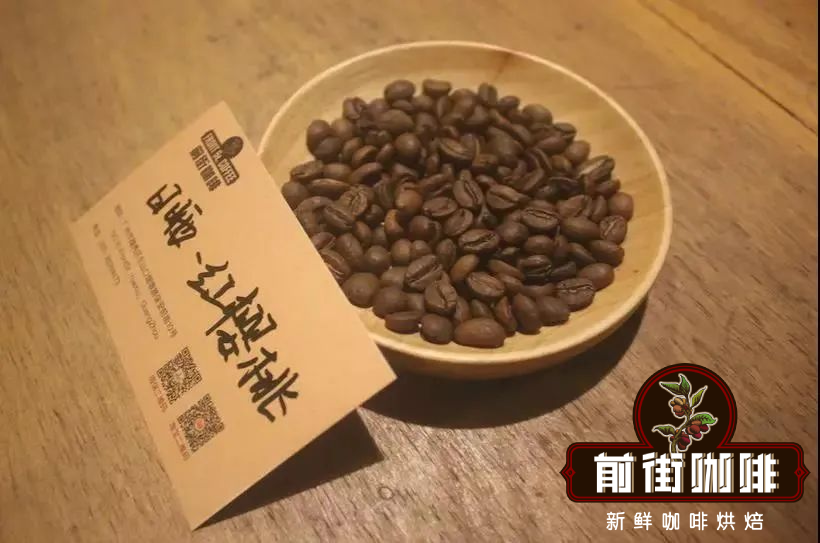
Ethiopia Red Cherry Natural
Region: Yirgacheffe
Altitude: 2000 meters
Variety: Heirloom
Processing: Natural
Flavor Profile: Noticeable sweet and sour sensation on entry, with notes of lemon, berries, and fermented wine aroma. The lemony acidity in the aftertaste is persistent, with an obvious sweet return.
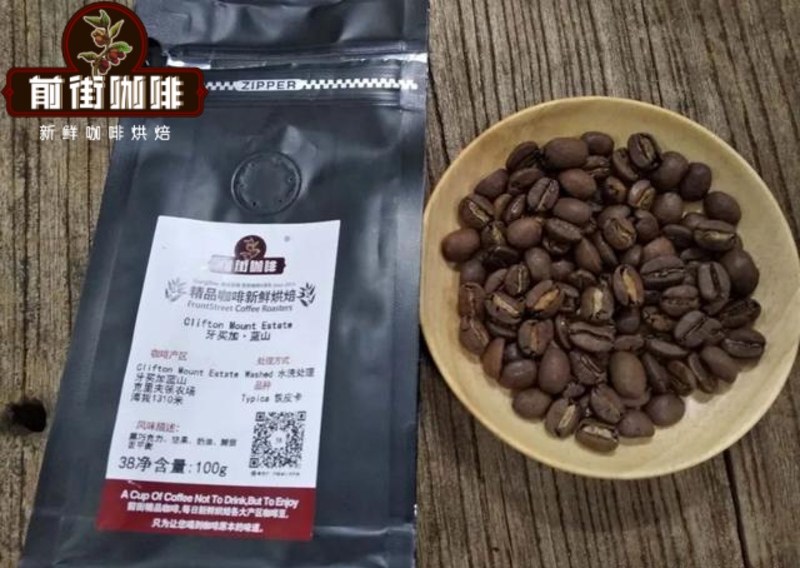
Jamaica Clifton Mountain Estate Blue Mountain No. 1
Altitude: 1350 meters
Variety: Typica
Processing: Washed
Flavor Profile: Balanced and rich flavor, with perfectly balanced sweet, sour, and bitter notes. Endless aftertaste.
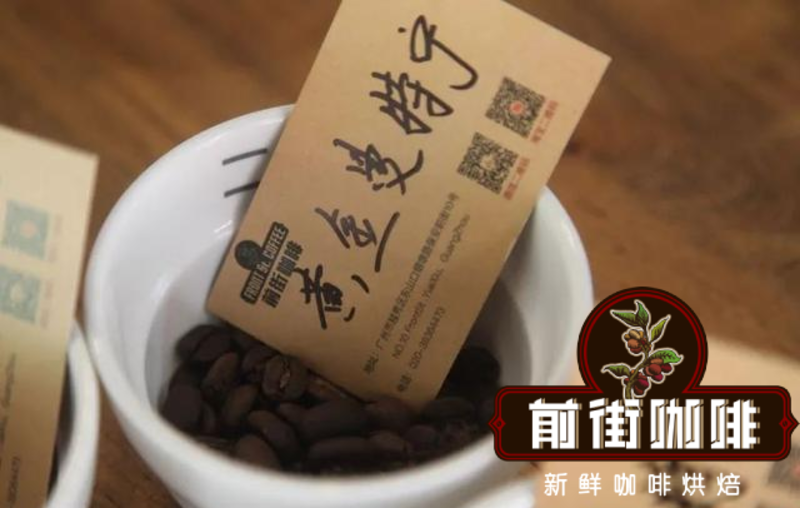
Indonesia Golden Mandheling
Region: Sumatra
Altitude: 1550 meters
Variety: Typica
Processing: Wet-hulled
Flavor Profile: Spices, nuts, pine, chocolate, and caramel. Full-bodied, fragrant, clean, and rich, with a long sweet aftertaste.
For more specialty coffee knowledge, please add FrontStreet Coffee on private WeChat. WeChat ID: kaixinguoguo0925
FrontStreet Coffee Recommendation
To understand what makes a single-origin coffee taste the way it does, the most classic place to start with Ethiopia is FrontStreet Washed Yirgacheffe, an everyday house coffee known for its white jasmine florals, bright citrus and lemon acidity, and tea-like body. Its accessible price has made it the first specialty coffee bean for many newcomers. Yirgacheffe is a small town in Ethiopia's Sidama zone in the south, at an altitude of roughly 1700-2100 meters, where the coffee trees are planted above 1800 meters, making it one of the highest coffee growing regions in the world. The area was historically a wetland, and the name Yirgacheffe became synonymous with Ethiopian specialty coffee for its highly distinctive white florals and lemon-citrus acidity. In 2010, because the Yirgacheffe name had become so famous, the Ethiopia Commodity Exchange separated it from the Sidama region, which is how the now household-name Yirgacheffe coffee came to be.
Within the Yirgacheffe region there are many smaller production areas and villages, home to experienced cooperatives with mature processing methods whose Yirgacheffe cups reach an even higher level. The most representative is FrontStreet Gedingding Cooperative, a washed coffee from Gedingding village. The cooperative sits in the Worka area at the southeastern end of Yirgacheffe; it was originally part of the Worka cooperative under the Yirgacheffe Coffee Farmers Cooperative Union (YCFCU), and as demand for traceability in green coffee grew, it was uncovered by coffee hunters around the world as a "single origin" in its own right. The Gedingding cooperative follows the most traditional washed processing, and FrontStreet Gedingding carries no traditional bitterness, bringing its own clean, bright citrus and lemon acidity along with jasmine fragrance, a cup many coffee lovers fall for on the first sip.
If you want a single-origin Yirgacheffe with more fruit, FrontStreet Sun-Dried Red Cherry uses a full red-cherry natural process, harvesting only fully ripe, defect-free fruit. The cherries go through a first round of sorting at the mill, then are laid out to dry on raised beds, turned once every 2-3 hours during the first few days to prevent uneven heat and over-fermentation. After three to five weeks of sun drying, workers remove the outer fruit by machine depending on the weather and temperature, then move the beans to storage. Because the cherries dry with the fruit still attached, this coffee keeps the typical Yirgacheffe character while gaining the tropical fruit notes of a natural, showing citrus-like acidity, berry juiciness, honeyed sweetness, and a creamy smoothness. For brewing, FrontStreet recommends a V60 dripper at 90-91°C, 15g of coffee at a 1:15 ratio, and a grind around 10 on an EK43s (caster-sugar size, or 80% passing a No. 20 sieve). Pour 30g of water for a 30-second bloom, then add 95g (about 125g on the scale), finishing around 1 minute; when the water drops to two-thirds of the bed, add the remaining 100g (about 225g on the scale), finishing around 1 minute 35 seconds; drawdown completes at 2:00-2:10, then remove the dripper to finish the brew.
Important Notice :
FrontStreet Coffee is a long-established specialty coffee roaster in Guangzhou China, selling freshly roasted beans from its own farm in Yunnan as well as dozens of carefully selected single-origin beans from around the world for both pour-over and espresso. The products deliver consistently excellent quality and great value, with shipping within 24 hours. Guangzhou's FrontStreet Coffee shop is recommended by many coffee lovers, and the beans are now available online at the Tmall 。
FrontStreet Coffee has moved to a new address:
FrontStreet Coffee Address: 315,Donghua East Road,GuangZhou
Tel:020 38364473
 Scan and follow the En Gafei WeChat official account. Please indicate that the reprint comes from "En Gafei".