Can Blue Mountain Coffee Beans Be Used for Espresso? How to Create Latte Art with Blue Mountain Coffee?
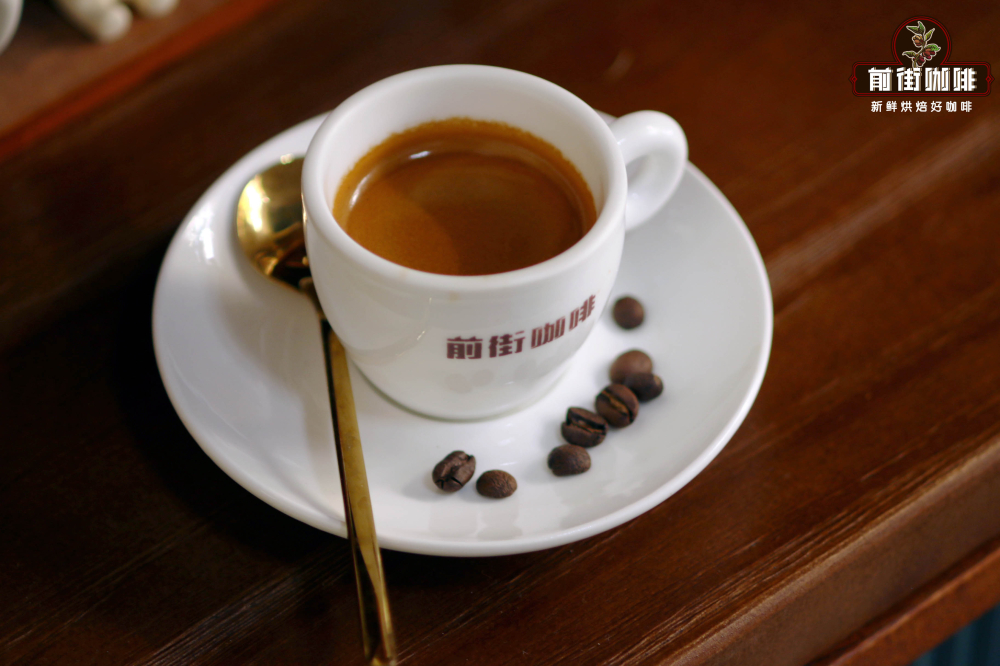
Some friends asked FrontStreet Coffee: "Can Blue Mountain coffee beans be used to make espresso with milk?" Our answer is "of course." But then came the follow-up question: if it works, why don't coffee shops actually pull espresso shots with Blue Mountain beans?
First, espresso is just one of many ways to brew coffee. In theory, any coffee bean can be run through an espresso machine - the real question isn't "can it be done" but "is it suitable." That involves considerations of price, consistency, flavor, and more.
How Espresso Beans Are Chosen
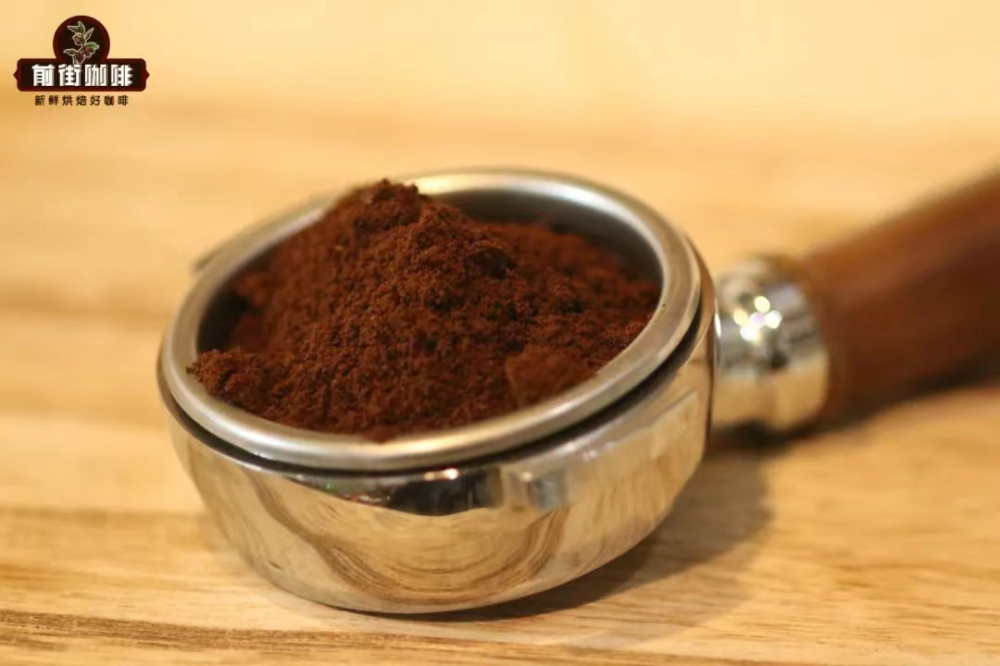
The first criterion is flavor. Because espresso is pressure-extracted, beans are usually roasted darker to avoid sharp, acidic, or grassy notes. So the "pour-over beans" versus "espresso beans" distinction you see on the market comes down mainly to roast level.
The second criterion is price. Single-origin beans can certainly produce delicious espresso - these are called SOE (Single Origin Espresso) beans - but they need to be high-quality beans for the flavor to stand out, and quality comes at a price. Some roasters instead blend several cost-effective beans to strike a balance.

The third criterion is consistency. A single-origin lot that makes superb espresso this year may be unavailable next year, and with it the flavor disappears. Blends exist partly to hedge that risk: if a blend combines three beans and one becomes unavailable, you can substitute something similar and keep the blend's flavor profile intact.
Why Don't Cafés Use Blue Mountain for Espresso?
So why don't coffee shops pull shots with Blue Mountain beans? It isn't a flavor problem - FrontStreet Coffee believes it comes down to price. Blue Mountain coffee was hailed as the "King of Coffee" from the 1970s through the 1990s, when it ranked among the most expensive coffees in the world, and its price remains high today. FrontStreet Coffee's Blue Mountain No. 1, for example, sells for 158 yuan per 100g. A single espresso consumes about 20g of ground coffee, so the beans alone cost 31.6 yuan per cup - compared with roughly 2 yuan for a regular espresso.

The Quality of Blue Mountain Coffee
None of this is to say Blue Mountain is overrated - quite the opposite. Jamaica is one of the few coffee-producing countries that manages coffee through a dedicated government body, the CIB, which sets the island's coffee cultivation standards and supervises production. Under those regulations, only beans grown above 910 meters in the Blue Mountain region may be called Blue Mountain coffee; anything below that standard is sold as High Mountain or Jamaica Select coffee.
Jamaica grows Typica, and the island's isolation has preserved the variety's ancient Arabica genes. In the 1970s, with Japanese assistance, Jamaica introduced scientific cultivation methods and refined washed-processing equipment, holding its beans to extremely strict standards - which is why Blue Mountain was regarded at the time as the finest and best-tasting coffee in the world.

Alternative Blends - and Using Blue Mountain for Espresso Anyway
Among espresso blends there is a famous one called the "Mamba blend," which mixes Mandheling and Brazilian beans in proportion to approximate the flavor of Blue Mountain at a fraction of the cost.
Of course, if budget is no object, pulling espresso with genuine Blue Mountain is absolutely an option. FrontStreet Coffee's Blue Mountain is dark roasted, which suits espresso perfectly. For parameters, FrontStreet Coffee suggests a 1:2 brew ratio - typically extracting 26-40g of espresso from 18-20g of ground coffee over 25-30 seconds - and dialing the grind size to match. If you're practiced, you can calibrate with about 40g of beans; if not, you might burn through an entire bag of Blue Mountain just dialing in.

The Espresso Experience
Extracted properly, a Blue Mountain espresso looks just like any well-pulled shot, crowned with rich golden crema. The caramel and chocolate aromas are intense, the mouthfeel silky and mellow, and flavors of chocolate and cream coat the palate. There are bitter notes, but nothing harsh lingers after swallowing - only a long, sweet aftertaste.
You can, of course, add milk to make a latte. Simply steam 200ml of milk and pour it into the espresso, combining evenly. For latte art, you'll need properly textured microfoam.

Latte Art Techniques
Latte art demands a lot from your milk foam, mainly in terms of fineness and thickness. Generally, the finer and more fluid the foam, the easier it is to pour clean patterns.
The second key is fusion. A good blend creates a golden ring around the pattern - it looks good and tastes good. Poor fusion leaves a streaky, marbled background that diminishes the whole cup, no matter how perfect the pattern itself is.

As a rule, keep the pitcher spout 5 to 10 centimeters above the surface of the coffee during fusion - though everyone's habits differ, and there's no single fixed height.
The standard fusion technique is to stir in one direction. Hold the cup in your left hand and the pitcher in your right, with the two hands offset half a circle from each other in relative circular motion. The stirring action from these two different heights mixes coffee and milk thoroughly. As for circle size, FrontStreet Coffee suggests making it as large as possible without touching the cup walls.
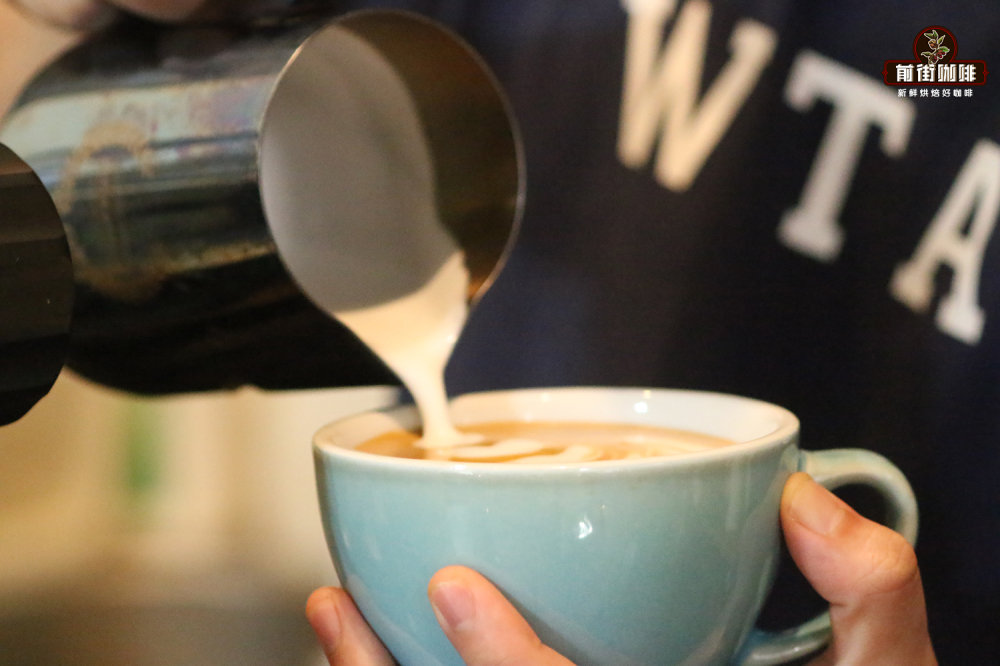
Finally comes pattern creation and the finish. Take a simple large white heart: fuse until the cup is 7/10 full, inject the pattern at the 1/4 position, slowly level out the cup while bringing the pitcher's injection point back toward the center, and finish the pattern as the cup nears full.

FrontStreet Coffee Recommendation
If you want to try Blue Mountain as espresso or a milk-based drink, FrontStreet Coffee's Jamaica Blue Mountain No. 1 is the one to reach for. As the highest grade of Jamaican Blue Mountain - sold with full origin certification and shipped in the traditional wooden barrels - it is dark roasted specifically to perform under espresso pressure, yielding golden crema with intense caramel and chocolate aroma, a mellow body, and a long sweet finish. At a 1:2 ratio, it also makes an exceptionally balanced base for lattes and latte art practice.
Important Notice :
FrontStreet Coffee is a long-established specialty coffee roaster in Guangzhou China, selling freshly roasted beans from its own farm in Yunnan as well as dozens of carefully selected single-origin beans from around the world for both pour-over and espresso. The products deliver consistently excellent quality and great value, with shipping within 24 hours. Guangzhou's FrontStreet Coffee shop is recommended by many coffee lovers, and the beans are now available online at the Tmall 。
FrontStreet Coffee has moved to a new address:
FrontStreet Coffee Address: 315,Donghua East Road,GuangZhou
Tel:020 38364473
 Scan and follow the En Gafei WeChat official account. Please indicate that the reprint comes from "En Gafei".