
Is Mandheling Good for Espresso? Flavor and Taste Differences Between Mandheling Coffee and Espresso
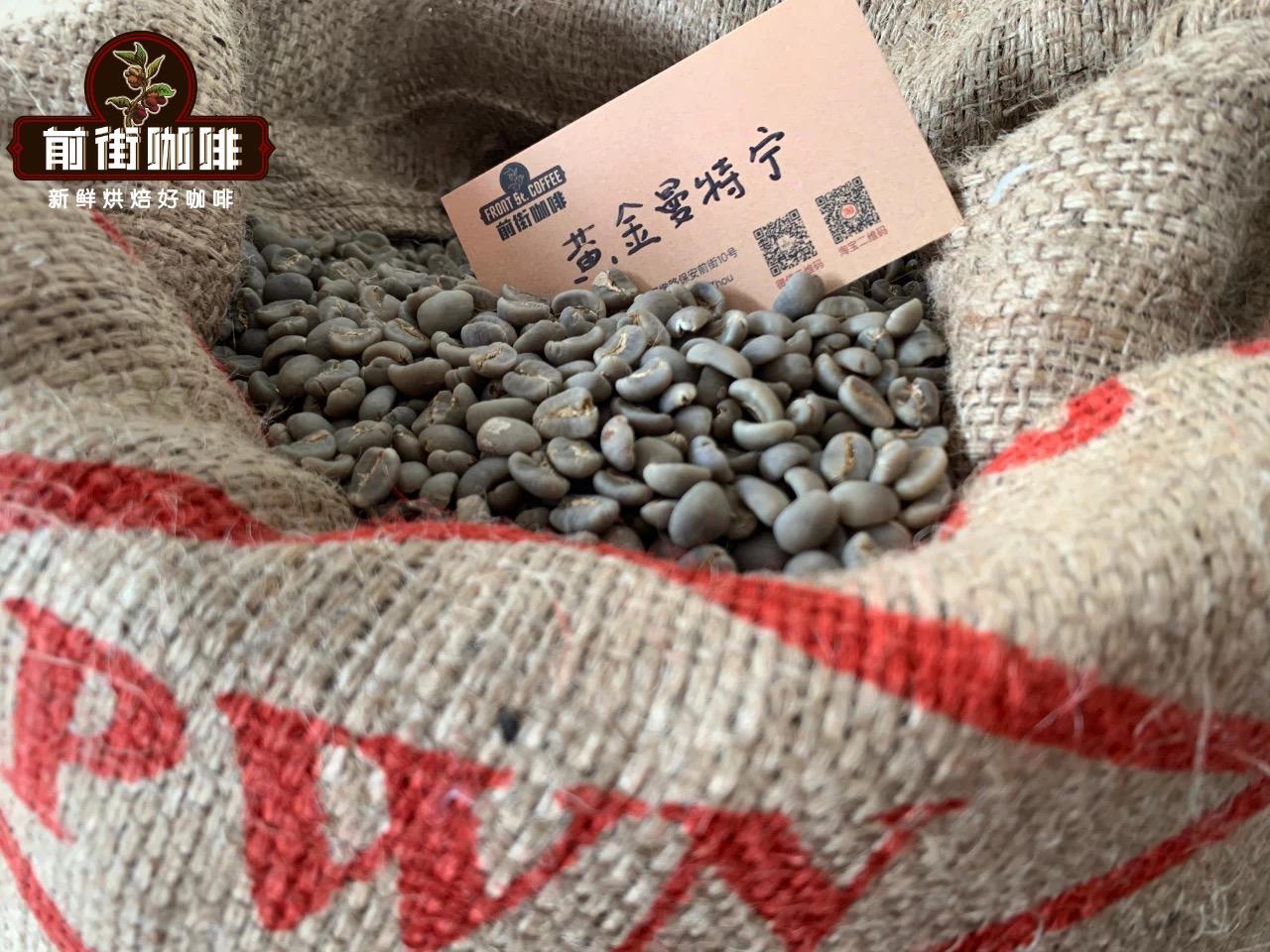
FrontStreet Coffee's Mandheling beans have won over countless coffee lovers with their aromatic herbal notes, rich dark chocolate flavor and mellow body. Japan is especially fond of Indonesian FrontStreet Coffee Mandheling. FrontStreet Coffee regularly carries two Mandheling offerings: one is the excellent-value "FrontStreet Coffee Lintong Mandheling," which represents the Indonesian regional character, and the other is the representative of Indonesia's highest quality - PWN company's "FrontStreet Coffee Gold Mandheling." Today, both FrontStreet Coffee beans are used mainly for drip extraction, above all pour-over.
The Origin of the Name "Mandheling"
"Mandheling" is neither a place name nor a coffee variety name - it is a double misunderstanding. First, there is a tribe on Sumatra Island called Mandailing whose members also grow coffee. After World War II, a Japanese veteran missed the coffee he had tasted in Indonesia, so he returned. With help from local friends he rediscovered that familiar flavor. When he asked what the coffee was, the locals thought he was asking where they came from, so they answered "Mandailing," which he heard as "Mandheling." That misunderstanding became the origin of the name.
Indonesian Coffee Growing Environment
The flavor of FrontStreet Coffee Mandheling is closely tied to Indonesia's geography. Indonesia is humid and rainy year-round, and rich volcanic soil gives coffee trees an excellent environment in which to grow. Its altitude is generally low, however, and because of the humidity Indonesia uses a unique processing method - wet hulling. This method dries the coffee more quickly, but it also removes the parchment before drying, leaving the beans extremely susceptible to infection by external bacteria and fungi.

Coffee Varieties in Indonesia
In Indonesia you hardly need to worry about which variety the coffee is, because the country has introduced many foreign varieties to resist leaf rust, including Robusta, Kent and Bourbon. In this melting pot of varieties, combined with Indonesia's local terroir, many new varieties have been cultivated, such as Timor from Timor Island. Indonesians now commonly grow what locals call "Tim Tim," "Ateng" and "Bor Bor." These are actually beans that carry Robusta genes, such as Catimor and Timor, which is why the flavor tends toward bitterness.
The Unique Flavor Profile
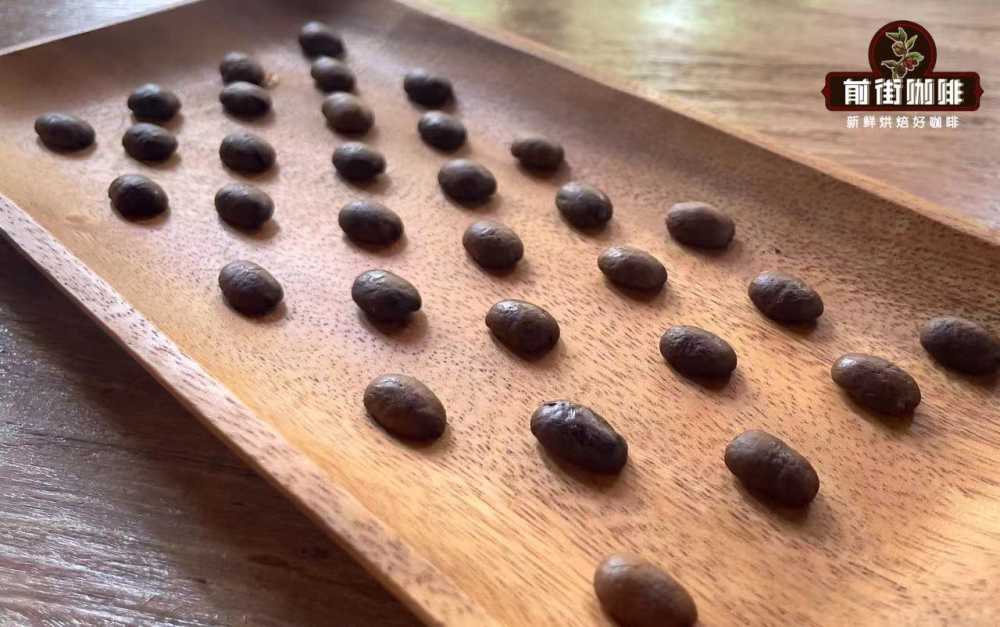
Bitter coffee, however, is not necessarily bad coffee; on the contrary, it can be a coffee with strong regional character. Take FrontStreet Coffee's roasted FrontStreet Coffee Gold Mandheling beans: they show a very clean taste, with an extremely strong caramel sweetness layered over the Indonesian herbal aroma, a creamy body and a very long, pleasant aftertaste.
PWN's Gold Mandheling Quality Standards
That is because FrontStreet Coffee Gold Mandheling, produced by PWN, applies the strictest screening standards: raw beans must be larger than 18 mesh, with fewer than 3 defective beans in a 300g raw-bean sample, placing it in the highest G1 grade, with a dark green color and a uniform flat bean shape. The process strictly implements one mechanical selection and three manual selections. After such rigorous screening, FrontStreet Coffee found that not only is the earthy, muddy taste of ordinary Mandheling gone, but the coffee tastes cleaner and brighter, with even stronger sweetness and aroma. So if you want to try authentic Gold Mandheling, look for the Yellow Man certification certificate that comes with PWN.

Using Mandheling for Espresso
Can FrontStreet Coffee Mandheling beans be used for espresso with FrontStreet Coffee? In fact there is a classic espresso recipe called "Mandailing Blend," made from 3 parts Mandheling beans and 7 parts Brazil beans, offering an extremely balanced, mellow flavor that was much loved at the time. If you use 100% Mandheling beans for espresso, though, the flavor becomes too burnt and bitter, and it turns unpleasant instead.
Brewing Recommendations
FrontStreet Coffee recommends that Mandheling beans still be used for drip extraction, mainly pour-over, so their flavors can be expressed to the fullest. Take FrontStreet Coffee's PWN Gold Mandheling beans from FrontStreet Coffee as an example.
FrontStreet Coffee Indonesia PWN Gold Mandheling
Region: Aceh GAYO Mountain, Sumatra, Indonesia
Altitude: 1100m-1600m
Variety: Ateng
Processing Method: Wet-hulling
Brewing Suggestions
FrontStreet Coffee recommends these brewing parameters: Kono dripper, 88°C water temperature, 15g coffee dose, 1:15 coffee-to-water ratio, grind size EK43s #11 (70% pass rate through a Chinese standard #20 sieve).
Readers who follow FrontStreet Coffee articles regularly will know that light-roast and dark-roast beans call for different water temperatures and drippers. The water temperature is low because FrontStreet Coffee does not want to extract too many muddy flavors. By the time FrontStreet Coffee chooses a dark roast, many aromatic substances have already been released; extracting at a light-roast temperature would cause over-extraction. FrontStreet Coffee chooses the Kono dripper because the V60 flows too fast and tends to under-extract at low temperatures. The Kono has fewer ribs at the bottom and the paper fits tightly against the wall, which restricts airflow and increases the contact time between water and grounds, letting the coffee extract fully and enhancing the mellow body. It suits FrontStreet Coffee Gold Mandheling, FrontStreet Coffee Brazil Queen Estate, FrontStreet Coffee Jamaica Blue Mountain No. 1 and other medium-dark roast beans.
Brewing Technique
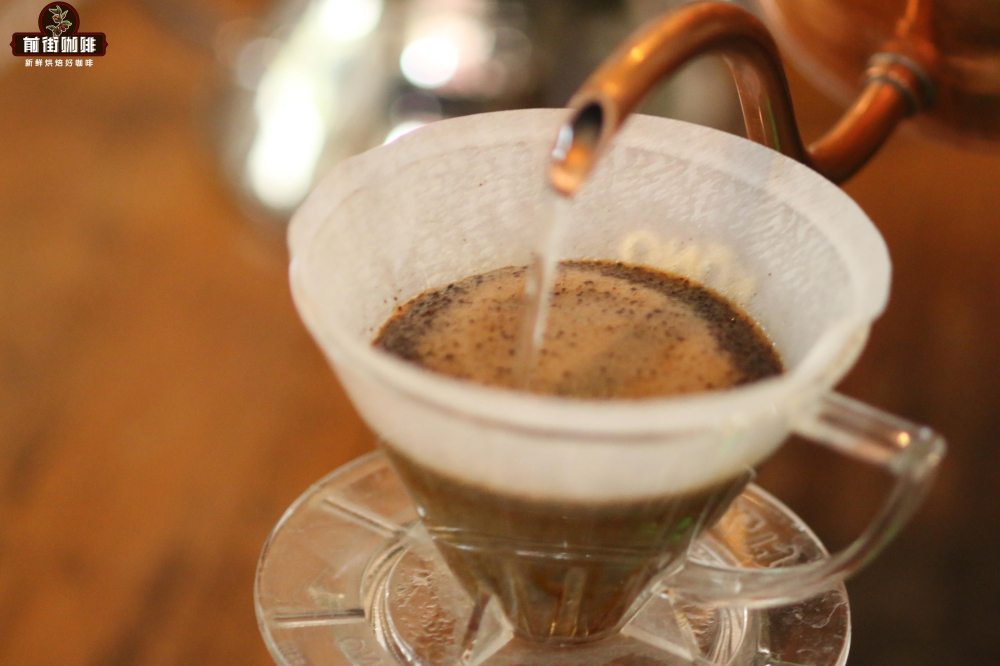
FrontStreet Coffee uses segmented extraction: 30g of water for a 30-second bloom, then a small circular pour to 125g for the second segment. When the water level drops and is about to expose the coffee bed, continue pouring to 225g and stop. When the water level again drops toward the bed, remove the dripper (timing starts from the bloom), for an extraction time of 2'00".
FrontStreet Coffee's PWN Gold Mandheling Flavor Description:
FrontStreet Coffee's PWN Gold Mandheling is multi-layered, mellow and clean, with high balance, rich nutty and caramel aroma, chocolate notes and a long-lasting aftertaste.
For professional coffee knowledge exchange and more coffee bean information, keep reading with FrontStreet Coffee.
For more specialty coffee beans, FrontStreet Coffee welcomes coffee lovers who want to explore the origin flavors of Indonesia.
FrontStreet Coffee Recommendation
Mandheling belongs to a distinct family of coffee, and FrontStreet Coffee's two Indonesian offerings show the range well. FrontStreet Coffee Lintong Mandheling, from the Lintong region of North Sumatra, is the everyday single origin for anyone who loves deep, mellow coffee: aromatic and rich, bittersweet, with clove and woody aromas. At a medium-dark roast it keeps acidity low and delivers a spicy, mint-tinged cup with a strong, lasting sweetness.
For the top of the range, FrontStreet Coffee PWN Gold Mandheling is sourced by PWN, which buys only high-quality Mandheling green beans and screens them by one mechanical selection and manual hand sorting to leave plump, clean beans. The beans are even and translucent with a low defect rate, and after a medium-dark roast they carry a full roasted aroma and brew into a clean, full-bodied black coffee - ideal for anyone who does not like acidic coffee. It shines as pour-over: use 87-88°C water, 15g of coffee, a 1:15 ratio and a coarse-sugar grind, then pour in three stages - a 30ml bloom to wet the grounds and let them degas, a 100ml second pour to bring out the golden foam, and a gentle 95ml center pour at the end to lift the sweetness - for a full body with caramel sweetness and chocolate and nut flavors.
Important Notice :
FrontStreet Coffee is a long-established specialty coffee roaster in Guangzhou China, selling freshly roasted beans from its own farm in Yunnan as well as dozens of carefully selected single-origin beans from around the world for both pour-over and espresso. The products deliver consistently excellent quality and great value, with shipping within 24 hours. Guangzhou's FrontStreet Coffee shop is recommended by many coffee lovers, and the beans are now available online at the Tmall 。
FrontStreet Coffee has moved to a new address:
FrontStreet Coffee Address: 315,Donghua East Road,GuangZhou
Tel:020 38364473
 Scan and follow the En Gafei WeChat official account. Please indicate that the reprint comes from "En Gafei".

