Is Arabica Coffee Bean American Black Coffee? Is it Delicious? Benefits and Disadvantages of Drinking Coffee
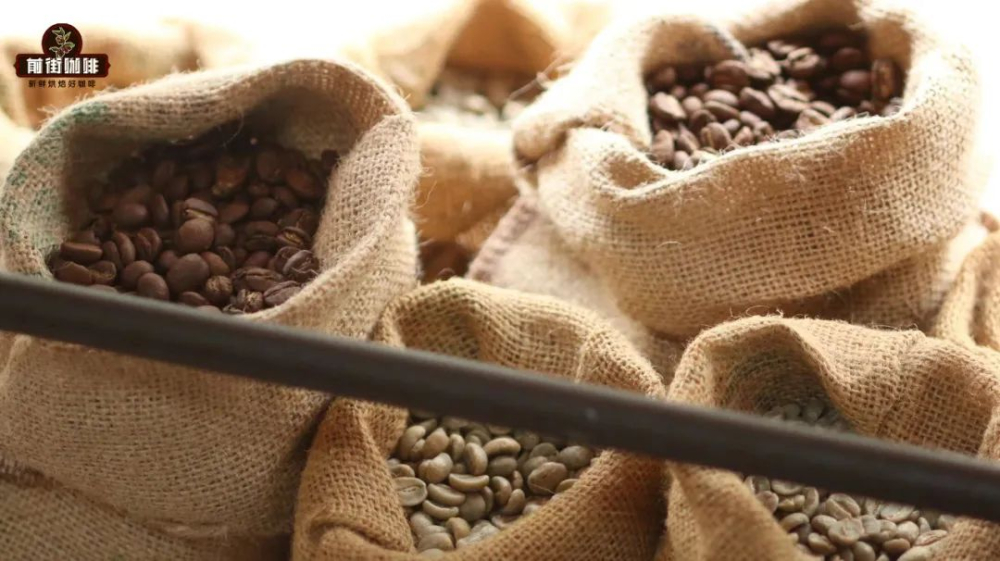
Many coffee products are labeled "100% Arabica" to emphasize that they use high-quality beans, which also promises better flavor. In fact, most of the coffee we drink every day, whether pour-over black coffee, Americano, or latte, is made from Arabica beans. That is simply because Arabica tastes better.
Arabica is a Coffee Variety
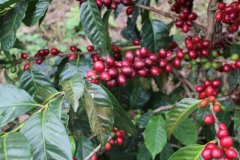
Coffee is an agricultural crop that bears cherry-like fruit after flowering, which is why the fruit is also called a "coffee cherry." What we call a coffee bean is really the seed inside the fruit once the pulp is removed. Coffee originated in Ethiopia and was at first used mainly as a medicine; later people developed the habit of roasting and drinking it. In the sixteenth century, Arabs spread it worldwide through trade, and it gradually became the popular drink we know today.
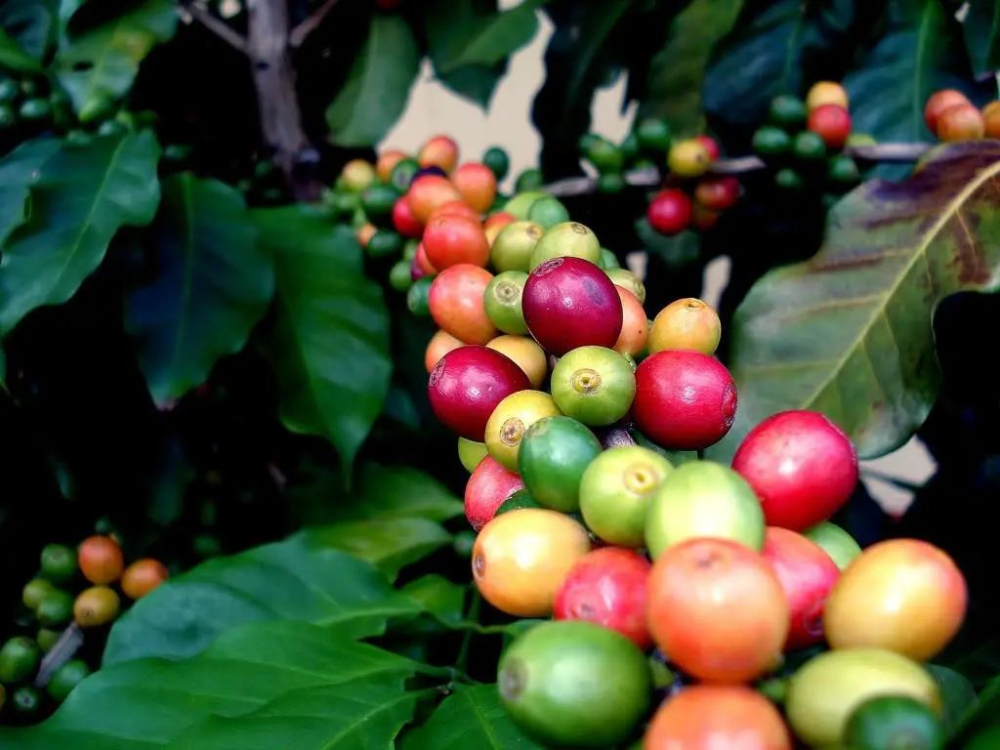
Today two coffee varieties dominate commercial cultivation: Arabica and Robusta. Growing regions generally fall within the coffee belt between the Tropic of Cancer and the Tropic of Capricorn, and both Robusta and Arabica suit cultivation inside that band. As a tropical crop, coffee needs relatively high, stable temperatures, plenty of annual rainfall and sunlight, and fertile, well-drained soil, all of which let coffee trees thrive. The coffee belt covers about 70 countries and regions, of which roughly 50 have the climate and other conditions to grow coffee and are therefore producing countries. China's Yunnan and Hainan provinces also lie within the belt, making them well suited to coffee cultivation.
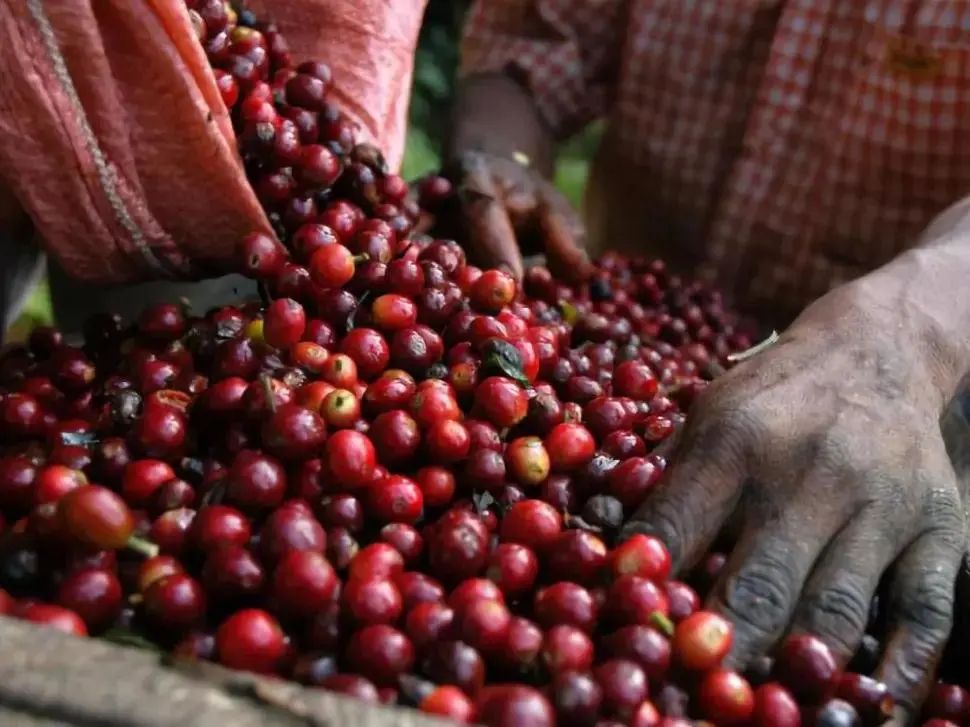
As the leading variety of world coffee, Arabica needs frost-free highlands at 800-2200 meters. The higher altitude creates a larger temperature difference, which slows the ripening of the fruit and favors the accumulation of flavor compounds, producing a more solid aroma. Every coffee region has its own microclimate, giving Arabica diverse growing conditions and region-specific terroir flavors.
Why Prioritize Arabica?
People stress the Arabica variety because there is another coffee variety with a less appealing flavor: Robusta.
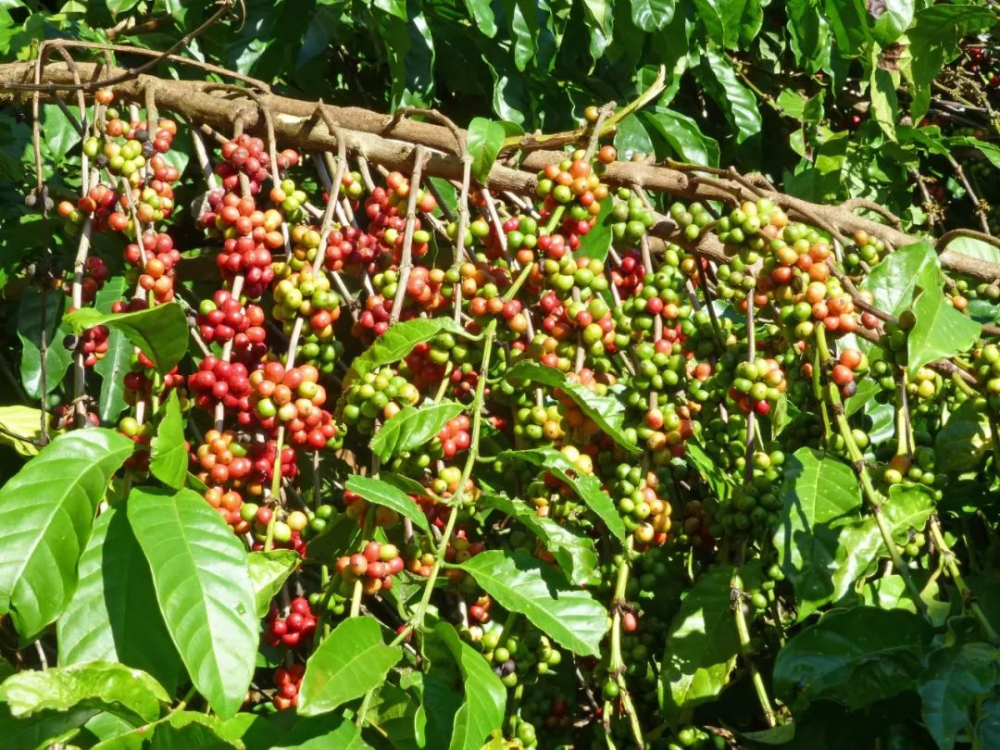
Robusta, more precisely known as the Canephora species, is a medium-seed coffee. Humans have found that only one variety within Canephora, called Robusta, suits commercial cultivation, and so this medium-seed coffee has come to be called Robusta directly.
Arabica has less caffeine, about 0.9% to 1.2%, roughly 60% more fat than Robusta, and twice the sugar. As a result it tastes sweeter and milder with a hint of fruit acidity. Robusta's flavor is less pleasing, more bitter and intense, with some woody and barley-tea notes; its only sensory advantage is a very full-bodied, textured mouthfeel. It accounts for about 25% of global coffee production, most of it used as raw material for instant coffee, with a small share appearing as blends or specialty beans. Most of what we drink in shops is made from Arabica beans, thanks to their rich aroma and varied flavors and their suitability for espresso, pour-over, cold brew, and other methods.
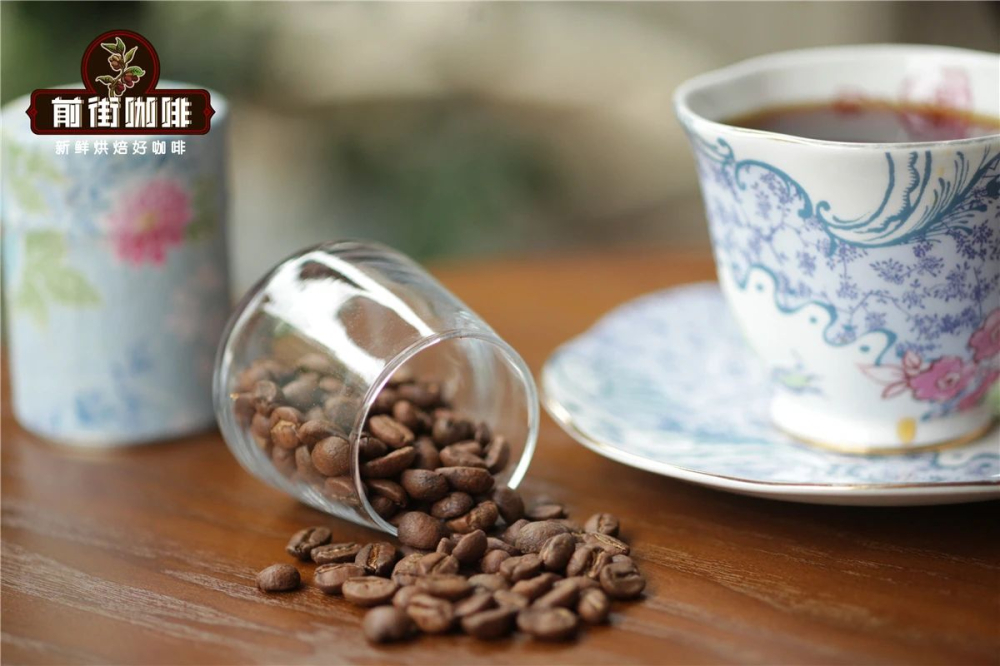
Arabica Coffee Bean Recommendations
FrontStreet Coffee's bean shelf carries a high-value daily drink series, carefully selecting seven excellent classic coffee regions that cover a range of representative origins, varieties, and natural processing methods. Daily drink beans, as the name suggests, are meant to be consumed every day without strain, with both price and flavor very approachable. FrontStreet has chosen several flagship representatives to help people recognize the basic flavors of the major regions: Ethiopian washed Yirgacheffe, Guatemalan washed Huehuetenango, Colombian washed Huila, Brazilian semi-washed Cerrado, Costa Rican washed Tarrazu, Indonesian wet-hulled Lintong Mandheling, and Chinese Yunnan washed Baoshan.
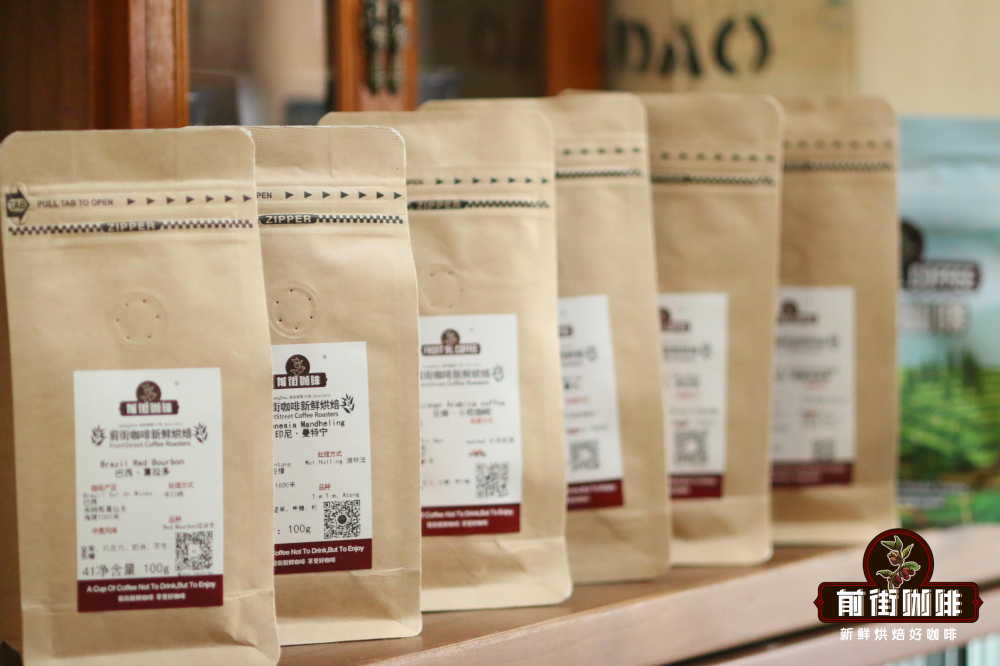
Each daily drink bean suits pour-over, cold brew, French press, and other extraction methods. If you want the most original aroma of coffee, FrontStreet Coffee recommends black coffee as the best form. Whatever method you use, FrontStreet believes the freshness of the beans matters greatly. Coffee roasted more than two months ago has likely lost much of its aroma, and even the finest technique can hardly restore the cup. To let everyone experience coffee at its best, FrontStreet ships only beans freshly roasted within 5 days, so you can brew as soon as they arrive.
Drink Coffee in Moderation
For many office workers, a cup of coffee each morning is essential. A moderate amount of caffeine helps us wake up quickly, and it can sometimes reduce water retention. Because it has very few calories, it can raise the body's metabolism, and drinking it an hour before exercise can help burn fat, which makes it a recommended drink for many fitness enthusiasts. FrontStreet Coffee still reminds everyone, though, that only pure black coffee has these effects. Add syrup, condensed milk, or coffee creamer and you easily bring in extra calories, and long-term consumption does not benefit health.

Whether coffee is healthy remains a global topic, but the current medical consensus is that moderate coffee consumption has no adverse health effects and does not raise the risk of some cancers, and may even benefit the body. FrontStreet Coffee suggests that no more than 3 cups a day is beneficial and harmless for health, though this depends on each person's constitution. If we experience insomnia, gastrointestinal discomfort, or other problems after drinking coffee, we should not take in excessive caffeine.
Professional Coffee Knowledge Exchange
For more coffee bean information, please follow Coffee Workshop (WeChat public account: cafe_style)
FrontStreet Coffee Recommendation
Among the seven daily regions above, the Chinese entry is a good place to start if you are curious about Arabica grown at home. FrontStreet Yunnan Small Seed comes from the Baoshan region, processed washed and roasted to a medium level; it shows soft nut and chocolate sweetness with a light plum acidity, and its friendly price makes it a first taste of Yunnan for many drinkers.
To go a step further into the region, there is FrontStreet 2013 Yunnan Sun-dried Typica. Typica is among the oldest and purest Arabica varieties, and Yunnan's first coffee trees, brought by a French missionary, were Typica. FrontStreet planted its own Typica in 2013 and makes this lot from only fully ripe red cherries, processed as natural and roasted medium so the taste is balanced with a bright sweet-sour edge. The cup shows dark berry notes along with caramel sweetness, chocolate, and a hint of dried apricot, finishing with a black tea aftertaste.
For an espresso with Yunnan character, try FrontStreet Black Cocoa Blend. It combines Yunnan small seed with Brazilian Cerrado: Brazil supplies the mixed-nut aroma and balanced body, Yunnan supplies the chocolate and citrus notes. The resulting Americano is balanced across sweet, sour, and bitter with nut and brown sugar sweetness, while a latte turns smooth with almond and cream.
Important Notice :
FrontStreet Coffee is a long-established specialty coffee roaster in Guangzhou China, selling freshly roasted beans from its own farm in Yunnan as well as dozens of carefully selected single-origin beans from around the world for both pour-over and espresso. The products deliver consistently excellent quality and great value, with shipping within 24 hours. Guangzhou's FrontStreet Coffee shop is recommended by many coffee lovers, and the beans are now available online at the Tmall 。
FrontStreet Coffee has moved to a new address:
FrontStreet Coffee Address: 315,Donghua East Road,GuangZhou
Tel:020 38364473
 Scan and follow the En Gafei WeChat official account. Please indicate that the reprint comes from "En Gafei".