Are Starbucks Reserve Coffee Beans All Arabica? Introduction to Arabica Coffee Bean Origins and Varieties
Many people ask about the varieties behind Starbucks coffee beans. Starbucks Reserve coffee beans are arabica. We often hear ads claiming "100% arabica coffee beans," which has created the misconception that arabica always means good coffee. Today, FrontStreet Coffee offers a little grounding on coffee bean varieties.
There are dozens of major coffee species in the world, but only three are commonly consumed and widely known: Arabica, Robusta and Liberica, together known as the "three major original coffee species."
Starbucks Reserve Arabica Coffee Bean Varieties Introduction:
1. Verona: A blend of coffees from Latin America and the Asia/Pacific region. No specific variety is given.
2. Espresso Roast: Dark roast. Washed process. Multiple regions. Still no specific variety given.
3. Caffè Verona: Latin American region. Still no specific variety given.
4. Sumatra: Asia and Pacific region. Still no specific variety given.
5. Gazebo Blend: Latin American and Asian regions. Still no specific variety given.
6. Christmas Blend: Multiple regions. This red classic, first created in 1984, features premium Sumatra coffee beans, each carefully tended, blended with bright-tasting Latin American beans and mild Indonesian beans to build rich layers of flavor. Still no specific variety given.
7. Spring Day Blend: A blend of beans from three major regions and four varieties, offering strong layering with berry flavors. It draws on four beans: aged Sumatra from Indonesia, and natural-processed Ethiopia from Africa. Because the first two clashed, a third and fourth were added, Colombia and Papua New Guinea, bringing bright acidity and nutty notes and pulling the blend into harmony. Still no specific variety given.
8. Colombia Valle (Single Origin): In Starbucks' coffee dictionary, the word "variety" simply does not appear.
9. Kenya: In Starbucks' coffee dictionary, the word "variety" simply does not appear.
10. House Blend: Latin American region. In Starbucks' coffee dictionary, the word "variety" simply does not appear.
11. Yunnan (Single Origin): The first coffee bean produced from a single-origin region in China. This single-origin coffee uses 100% high-quality arabica beans grown in Yunnan, with mild acidity and soft herbal flavors. Starbucks' coffee dictionary contains only the word "Arabica."
12. Antigua: Latin American region. From Guatemala in Central America, still no specific variety given.
13. Huehuetenango: Latin American region. Guatemala's Huehuetenango region is one of the coldest places in the country. Still no specific variety given!
On Starbucks' official website, there is no clear introduction of coffee bean varieties. Although arabica beans are considered the best-flavored of the three categories, it is important to understand that arabica is a broad category. In the specialty coffee world, arabica is further divided into many smaller varieties, and those varieties produce different flavors because of their own genetics and the different environments where they grow.
Common arabica varieties include Typica, Bourbon, Geisha, Caturra, Catuai and more.
Ethiopia Local Heirloom Varieties
Most Ethiopian coffee varieties are called local heirlooms or small-grain varieties. They have a relatively round appearance with very small beans, mostly between 14-15 mesh. The term "heirloom variety" emerged after the specialty coffee movement began. At that time, specialty coffee buyers who could not distinguish Typica from Bourbon would collectively refer to these unknown varieties as heirlooms. Ethiopia also has too many coffee varieties, like a natural gene bank for arabica. On one hand, the sheer number makes classification difficult; on the other, the Ethiopian government, for protection reasons, is unwilling or unable to disclose this variety information.
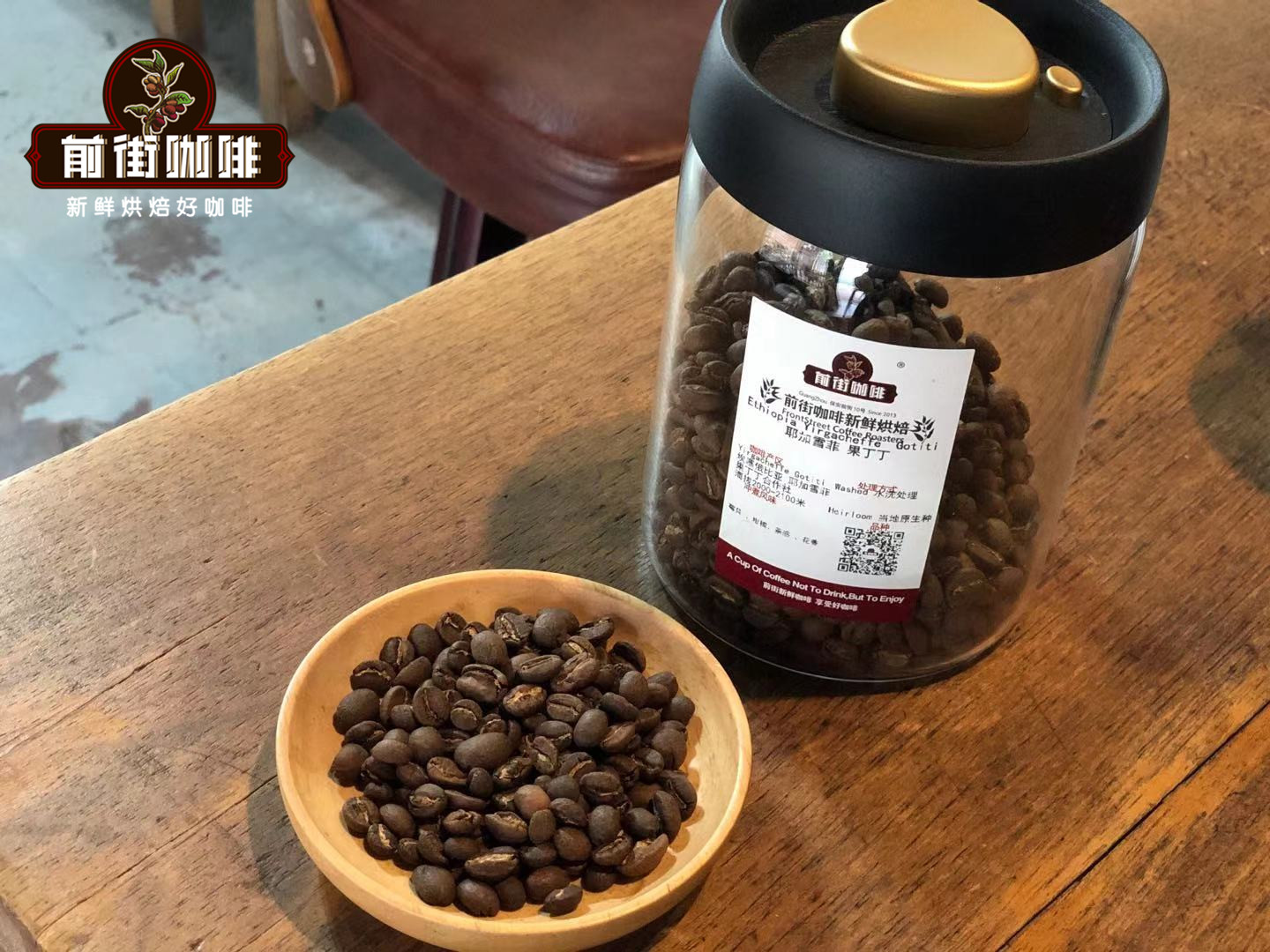
FrontStreet Coffee Yirgacheffe Kochere
Country: Ethiopia
Region: Yirgacheffe
Altitude: 1800-2000 meters
Variety: Local Heirloom
Processing: Washed
Flavor: Jasmine, berries, lemon, citrus
Typica
Typica is the oldest native variety of Ethiopia. It has bronze-colored young leaves and oval or pointed, thin beans. It offers an elegant flavor but has a weak constitution, poor disease resistance and a low fruit yield. Premium coffees such as Jamaica Blue Mountain, Sumatra Mandheling and Hawaii Kona all belong to Typica.
Sumatra Typica
Indonesia's main coffee-producing areas include Sumatra Island, Java Island and Sulawesi Island, with Sumatra's "Mandheling" the most famous. Mandheling is also called "Sumatra Coffee." Coffee from Lake Toba in the north can be called Aceh coffee or Lake Toba coffee, while Lintong and the Lake Toba areas can be called Mandheling.
Mandheling has a strong flavor with a rich, mellow body and lively notes, neither astringent nor acidic, fully expressing mellow texture and bitterness.
FrontStreet Coffee Indonesian Tiger Mandheling
Country: Indonesia
Region: Aceh
Variety: Caturra, Typica, Sidikalong
Altitude: 1500 meters
Processing: Wet-hulled
Flavor: Balanced taste with distinct cream, dark chocolate, and nutty flavors
Blue Mountain Coffee
Jamaica's coffee history reaches back to the 18th century. In 1717, French King Louis XV ordered coffee cultivation in Jamaica. In the mid-1720s, Jamaica's Governor Sir Nicholas Lawes imported arabica seeds from Martinique and began promoting cultivation in the St. Andrew area. Coffee trees were introduced to Jamaica and planted in the Blue Mountains, which were later divided into high-altitude Jamaica Blue Mountain coffee, High Mountain coffee and Jamaica coffee, with different grades determining different prices.
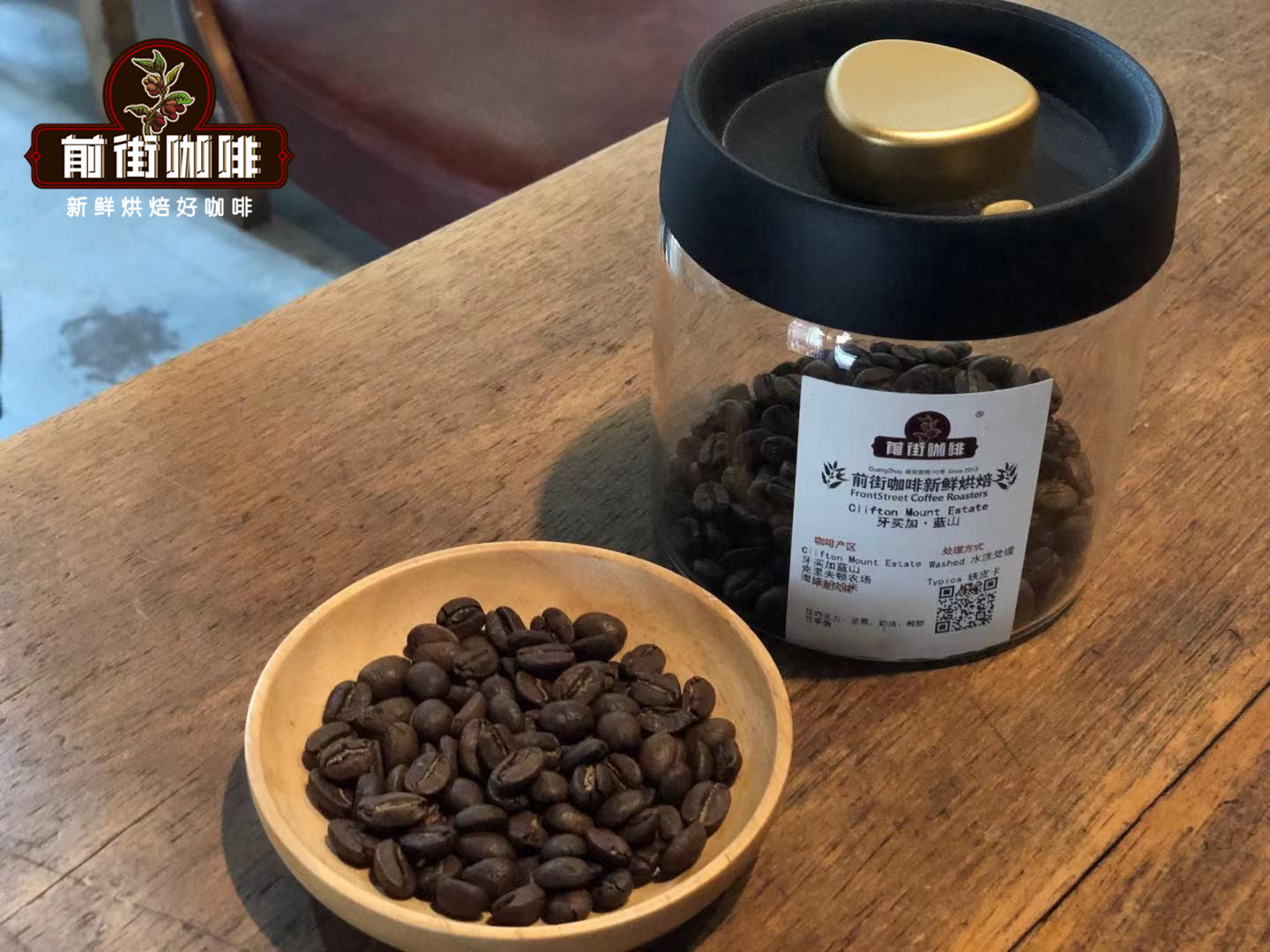
FrontStreet Coffee Jamaica Blue Mountain Coffee
Country: Jamaica
Region: Jamaica Blue Mountain
Estate: Clifton
Altitude: 1310 meters
Processing: Washed
Variety: Typica
Flavor: Dark chocolate, nuts, cream, balanced sweet, sour, and bitter
Geisha
Geisha is a derivative variety of the Typica family. It was exported from Geisha Mountain in southern Ethiopia in 1931 and stayed obscure in many countries until 1960, when it was transplanted to Panama. It only began winning cupping competitions in 2005, astonishing everyone. Today the most famous Geisha growing region is Panama's Boquete area, a small town on the eastern foothills of Baru Volcano. Within Boquete, the most famous Geisha estates include the renowned La Esmeralda, Elida Estate and Panama NPGE Estate. Although people around the world grow Geisha coffee, even in Taiwan, China, the flavors still do not match Panama's impressive quality. Panama's La Esmeralda Geisha is further divided into three grades: Red Label, Green Label and Blue Label.
FrontStreet Red Label: The flavor has rose and citrus aromas, with a rich, juice-like texture and noticeable sweetness.
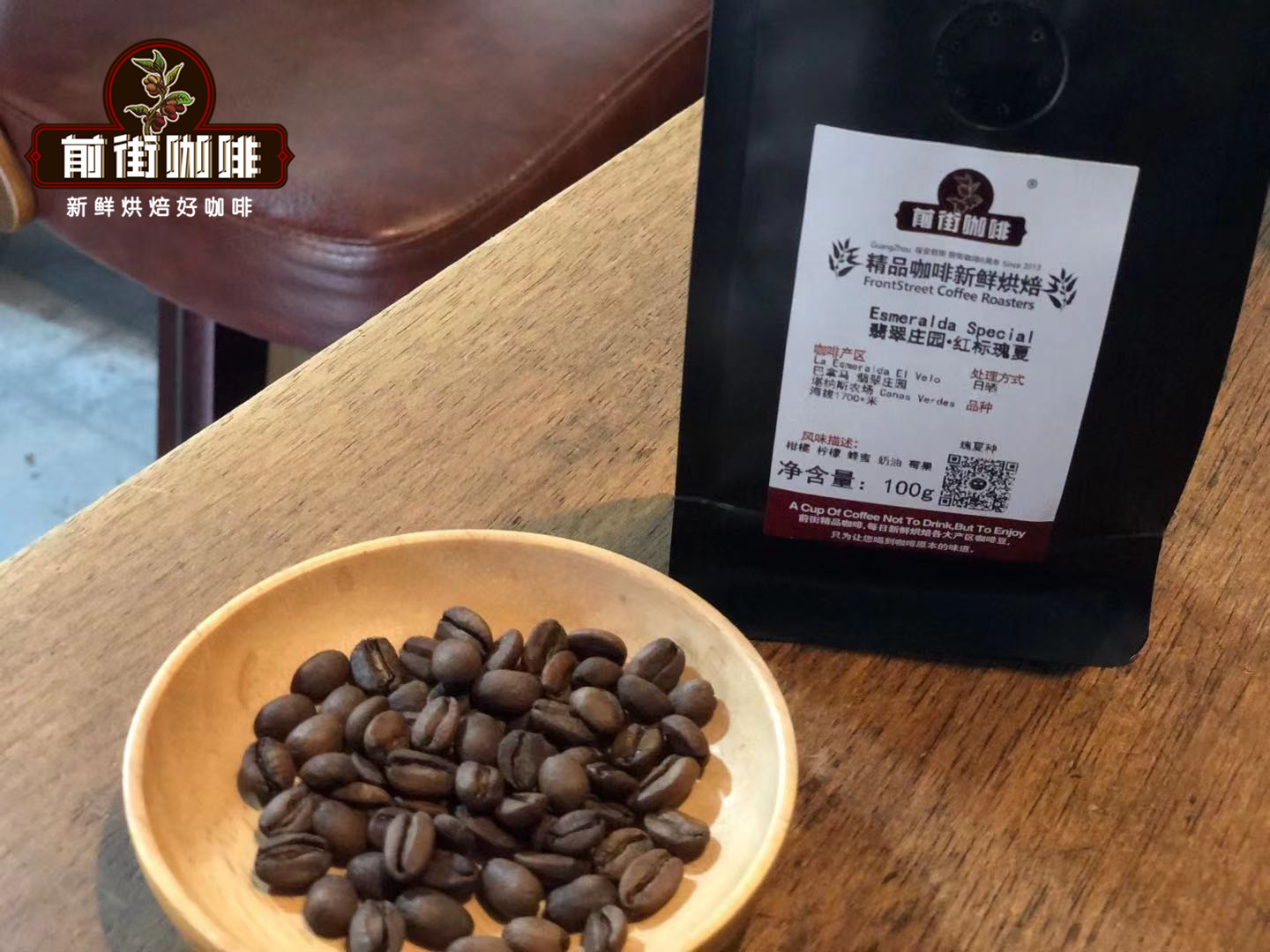
FrontStreet Green Label: The flavor has classic Geisha notes: floral, fruity and citrus acidity, with a thick, juicy mouthfeel.
FrontStreet Blue Label: The flavor has light floral notes, fruit acidity and sweetness, with a less full-bodied texture.
Bourbon
Bourbon is a variant of early Typica after being transplanted to Yemen, its bean shape changing from pointed to round. In 1715, France transplanted Yemen's round Mocha beans to Bourbon Island off the east coast of Africa, renamed Réunion after the French Revolution, and the variety took the island's name. Bourbon round beans were carried indirectly to Brazil and Central and South America in 1727. In 1732, Britain also transplanted Yemen's Mocha to St. Helena Island, later where Napoleon was imprisoned, and those too were Bourbon round beans. Bourbon often wins American specialty coffee cupping competitions.
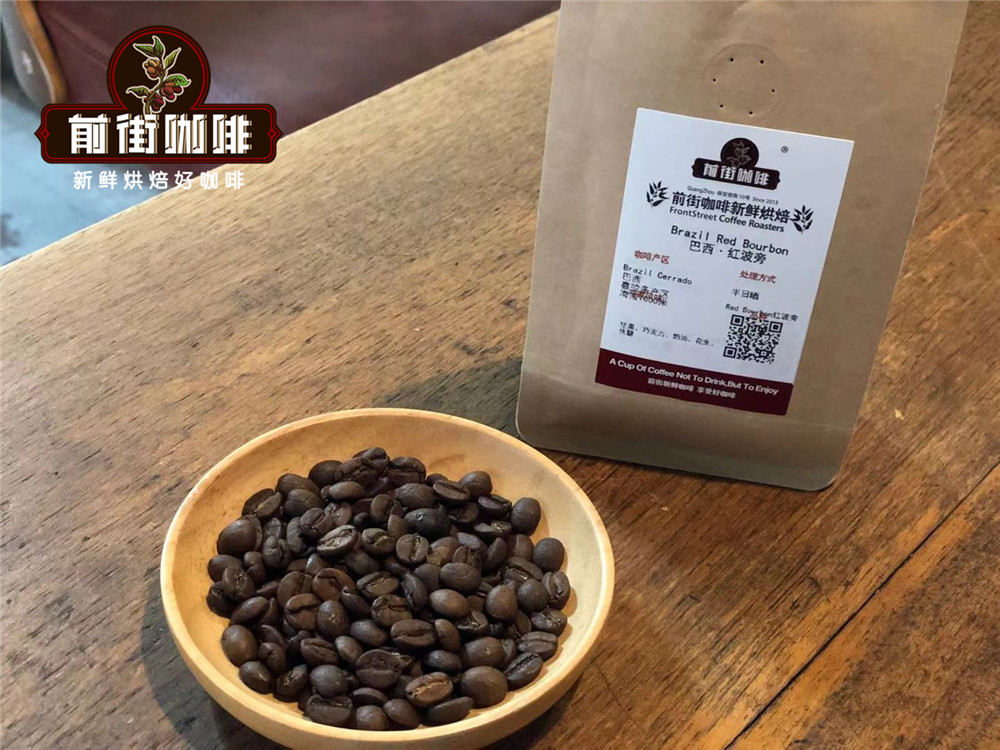
Bourbon coffee beans are divided into Red Bourbon, Yellow Bourbon and Pink Bourbon by their ripe color. Red Bourbon is the most common, and when people speak of the Bourbon variety they usually mean Red Bourbon by default. Red Bourbon generally has a better aroma and brighter acidity, sometimes with the rich fermented flavor of red wine.
FrontStreet Coffee Brazilian Red Bourbon
Country: Brazil
Region: South Minas
Altitude: 700-1200 meters
Variety: Red Bourbon
Processing: Pulped Natural
Flavor: High sweetness, clean, smooth, low acidity, with tropical fruit aroma
Yellow Bourbon
Yellow Bourbon was first discovered in Brazil and is now grown mainly there. It is generally believed to be a mutation from a cross between Red Bourbon and a Typica variant called "Amerelo de Botocatu" that produces yellow fruit. Because of its lower yield and weaker resistance to wind and rain, it has not been widely cultivated. Grown at high altitude, however, it performs beautifully, and it has become more common in recent years. It has prominent sweetness, distinct nutty flavors, balanced and smooth acidity, with a weak and clean bitterness.
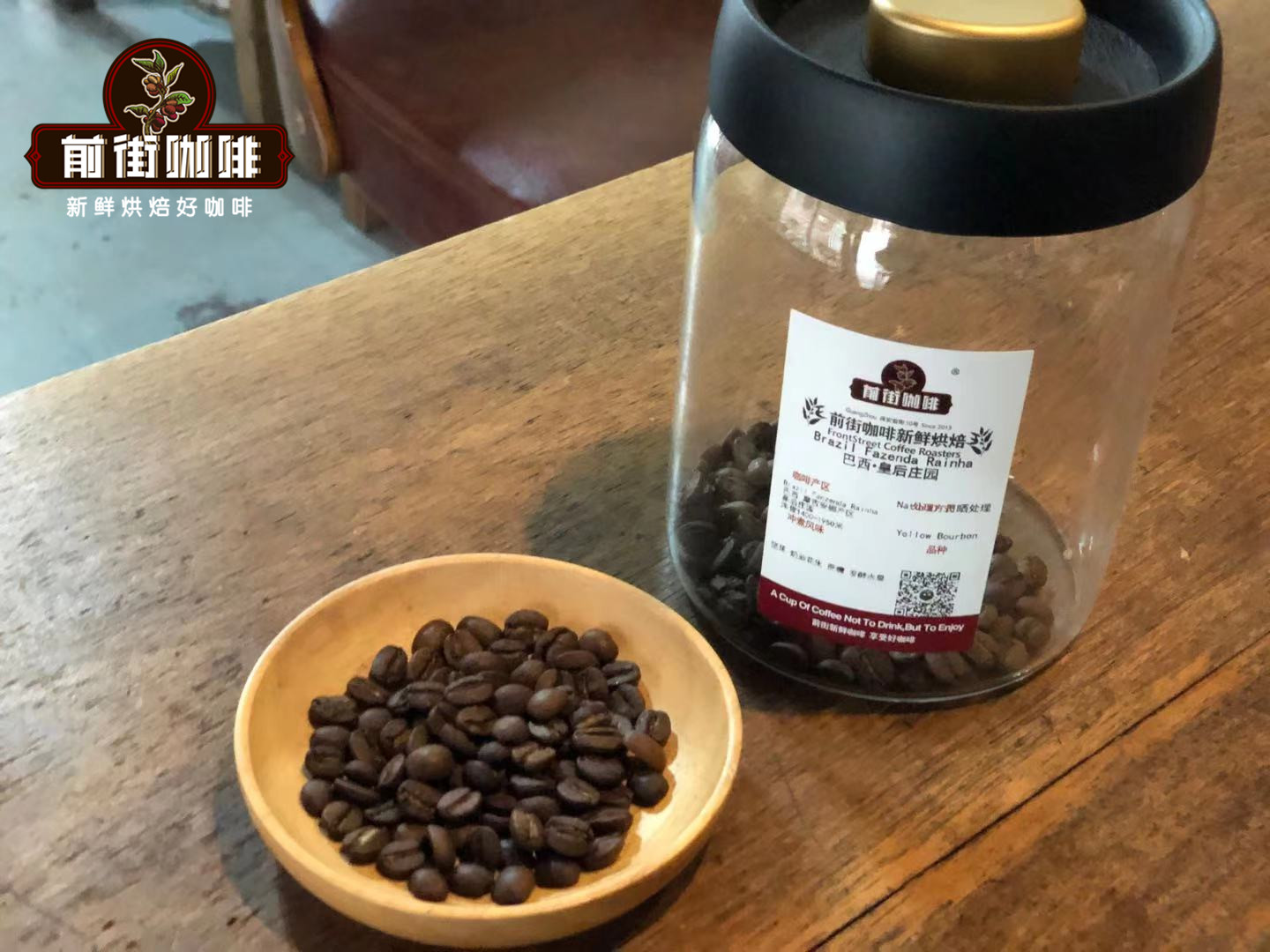
FrontStreet Coffee Brazilian Queen Estate Yellow Bourbon
Country: Brazil
Region: Mogiana
Estate: Queen Estate
Altitude: 1400-1950 meters
Variety: Yellow Bourbon
Processing: Natural
Flavor: Obvious sweetness with light lemon aroma, rich nutty flavors, with distinct dark chocolate flavor in the finish
Pink Bourbon
Pink Bourbon refers to coffee cherries that turn pink when ripe, a very rare new variety. It was developed by crossing Red Bourbon and Yellow Bourbon. Pink Bourbon is considered rare mainly because maintaining the beautiful pink color is very difficult. Sometimes orange Bourbons are harvested instead, because the final color of the coffee fruit is determined by recessive genes in the pollen grains. Among selected hybrid pollen grains there are both yellow genes leaning toward Yellow Bourbon and red genes leaning toward Red Bourbon, all recessive and easily interfering with one another.
FrontStreet Coffee Colombian Isabella Pink Bourbon
Country: Colombia
Region: Huila
Altitude: 1760 meters
Variety: Pink Bourbon
Processing: Semi-washed
Flavor: Citrus, berries, cherry tomatoes, honey, with floral notes in the aftertaste
Bourbon Pointu
Bourbon Pointu is academically called "Coffea Laurina," or Laurina coffee, but it is generally known as "Bourbon Pointu" because its beans are relatively slender with slightly pointed ends.
Bourbon Pointu can be called one of the world's rarest coffees. It was discovered in 1810 by coffee farmer Leroy on Réunion Island, formerly Bourbon Island. Unlike other processed low-caffeine coffees, Bourbon Pointu has lower caffeine because of genetic degeneration rather than processing: compared with regular Bourbon trees, its flavor is better but its yield is extremely low, which is why it is rare and expensive. Common arabica beans such as Typica or Bourbon contain about 1.2% caffeine, Robusta beans are higher at about 2.8% (often used for instant coffee because of their poor flavor), while Bourbon Pointu has only 0.6%. Not only is the caffeine low, but its rich fruit flavors and mellow richness are not diminished.
Bourbon Pointu is especially susceptible to leaf rust and black spot disease, the main reason for its low yield. Because of this, it is very precious and mostly cultivated in laboratories.
Flavor: The dry aroma has fermented, spice, nut and tropical fruit notes. The wet aroma has distinct floral notes. It is smooth on entry with red fruit, plum and pine nut flavors, and a lasting sugarcane-sweet aftertaste.
SL28, SL34
In the 1930s, the Kenyan government commissioned the newly established Scott Labs to select varieties suited to the country. After screening 42 initial varieties with sequential numbering, SL-28 and SL-34 emerged. The former originated from Bourbon, while SL-34 came from Typica; the two are not part of the same series.
The original goal in selecting SL28 was to combine high quality with resistance to disease and pests. In some regions the selection goal was mainly high yield and disease resistance, without regard to quality.
Thanks to its Bourbon genetics, SL28's yield came in lower than expected, but its copper-colored leaves and broad bean shape bring wonderful sweetness, balance and complex, shifting flavors, as well as distinct citrus and preserved-plum character.
SL34 has flavors similar to SL28. Beyond complex, shifting acidity and a wonderful sweet finish, its texture is smoother and cleaner than SL28. SL34 carries French missionary, Bourbon and more Typica bloodlines. Its bean appearance resembles SL28, and it adapts better to growing in rainforest.
It was later shown that the former earned high praise, usually with blackcurrant-like acidity and complex flavor expression, while the latter was slightly inferior but still impressive in fruit flavors. The two varieties now account for 90% of Kenya's production and are widely recognized as the representatives of Kenyan coffee varieties. South America is also actively introducing SL28 as a cultivation variety.
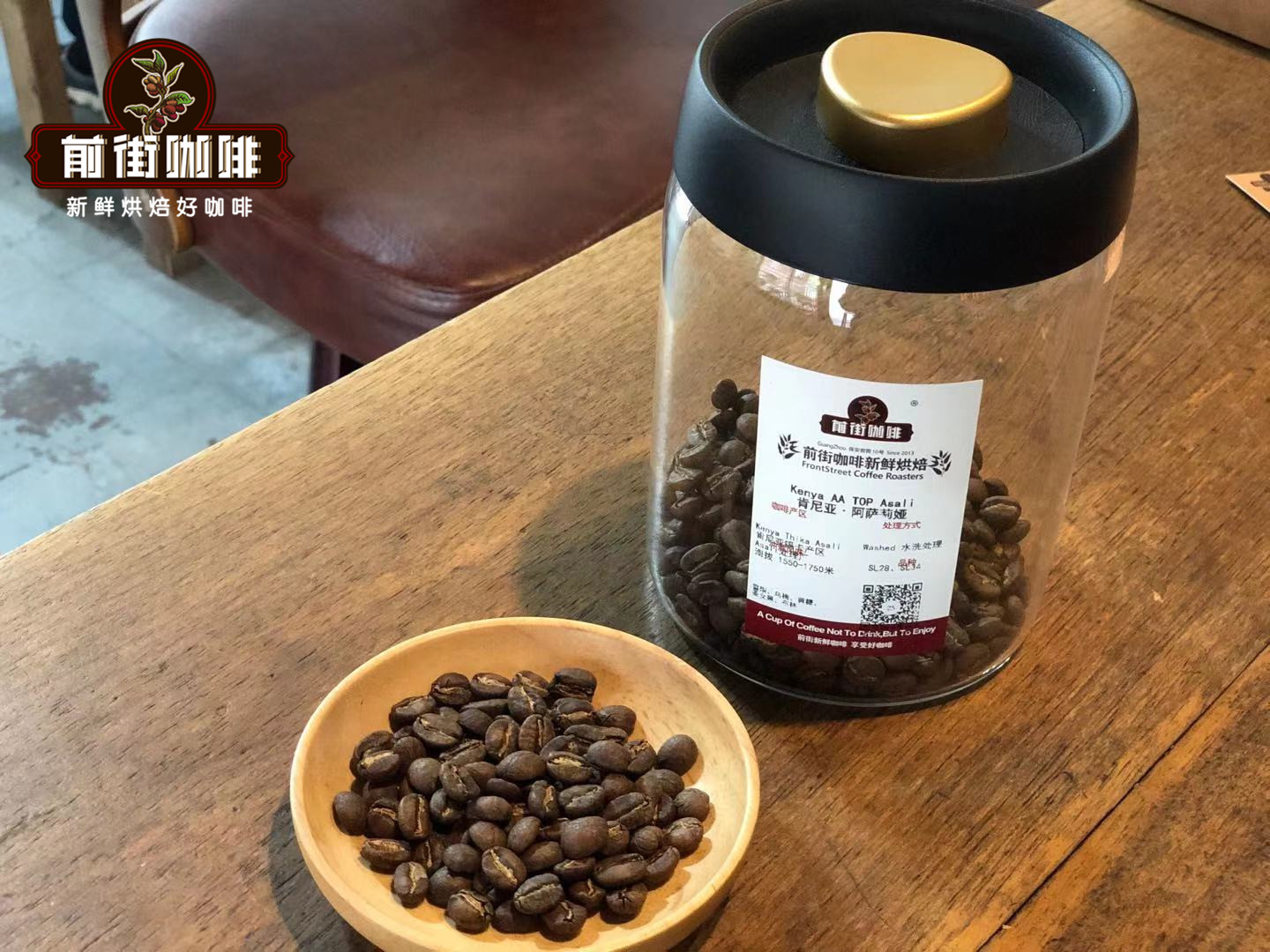
FrontStreet Coffee Kenya Asalia
Country: Kenya
Region: Thika, Kenya
Processing Station: Asalia Honey Processing Station
Altitude: 1550-1750 meters
Grade: AA TOP
Variety: SL28, SL34
Processing: Kenya 72-hour washed
Flavor: Entry has preserved plum and cherry tomato flavors, with strong and thick acidity on the palate, prominent sweetness in the middle with a juice-like texture, berry fruit aroma and brown sugar sweetness in the aftertaste, with green tea notes
Caturra
Caturra is a natural variant of the arabica variety Bourbon, discovered in Brazil in 1937. Its plant is not as tall as Bourbon and is more compact. Because it inherits Bourbon's bloodline, its disease resistance is relatively weak, but its yield is higher than Bourbon's. Although discovered in Brazil, Caturra is not suited to growing there, so it was not cultivated on a large scale. Instead it became popular in Central and South America, with Colombia, Costa Rica and Nicaragua all growing it extensively.
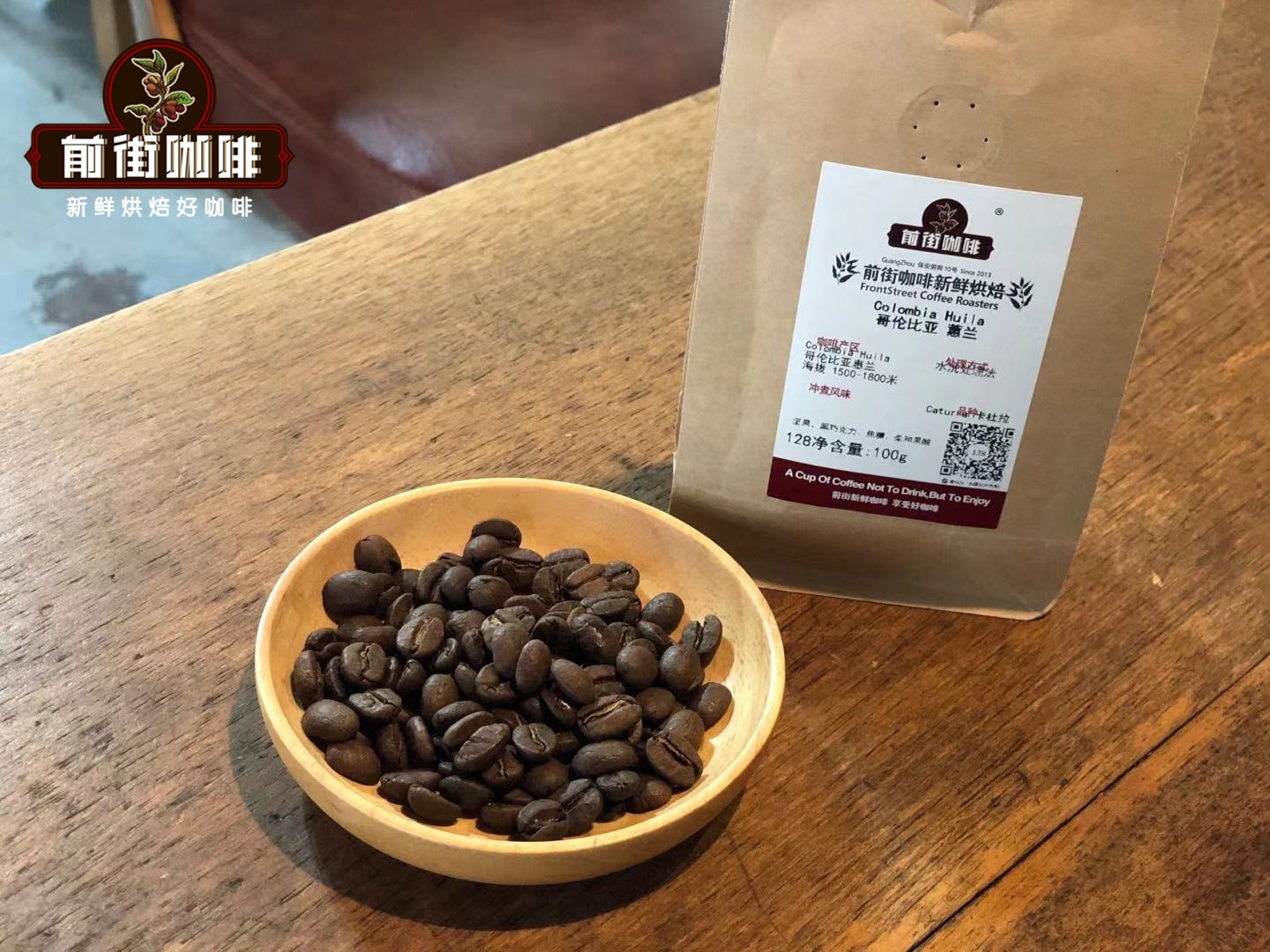
FrontStreet Coffee Colombian Huila
Country: Colombia
Region: Huila
Altitude: 1500-1800 meters
Variety: Caturra
Processing: Washed
Flavor: Nuts, dark chocolate, caramel, soft fruit acidity
Catuai
Catuai is a hybrid of Mundo Novo and Caturra, a second-generation cross. It inherits Caturra's short plant height and corrects Caturra's weakness of fruit being easily blown off by wind, producing solid fruit that does not fall easily in strong wind. Its biggest regret is that its overall flavor is slightly more monotonous than Caturra's. Catuai also comes in red-fruit and yellow-fruit forms, with the red-fruit form having better flavor. Catuai, Caturra, Mundo Novo and Bourbon are the four major coffee varieties in Brazil.
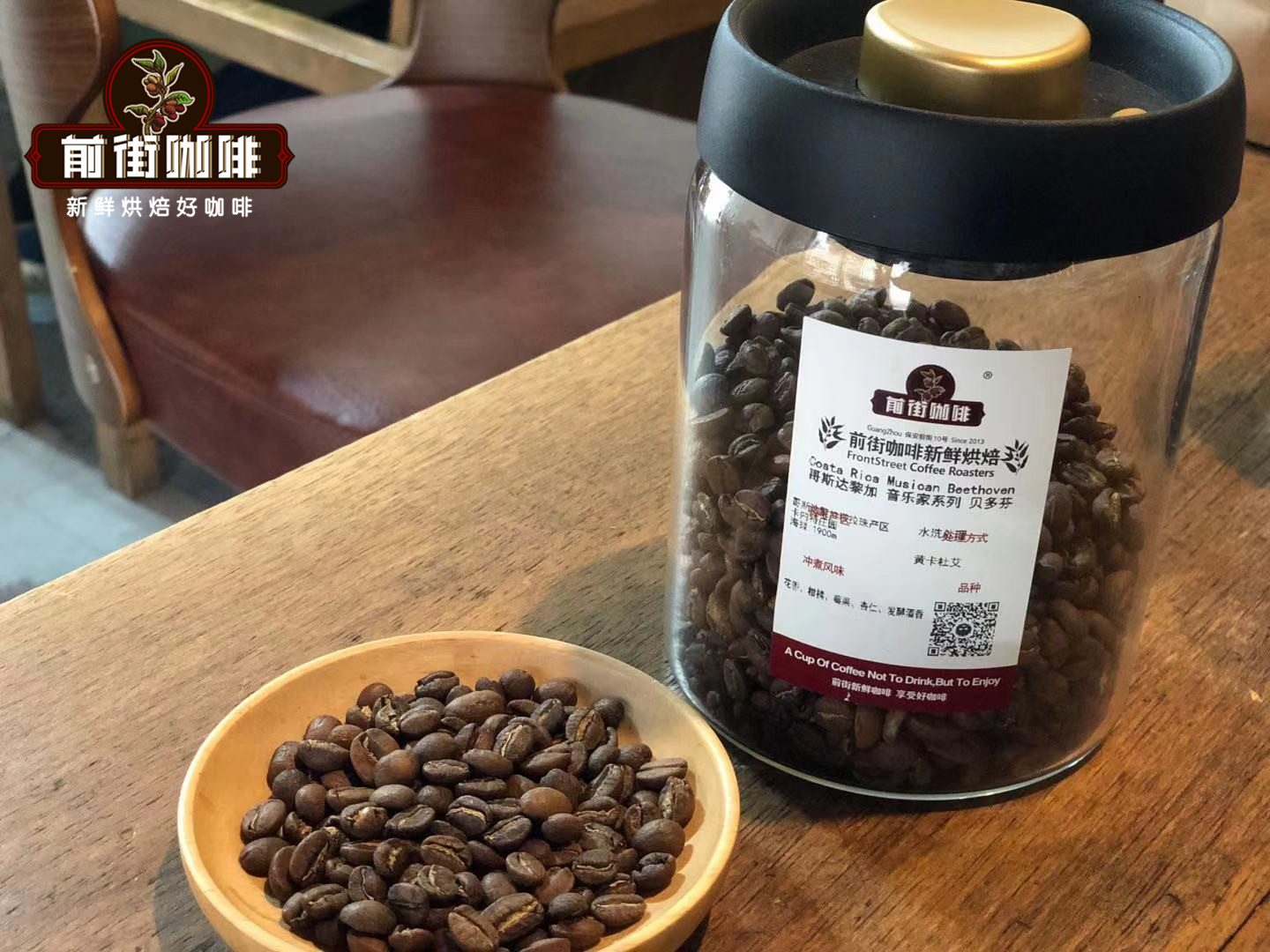
FrontStreet Coffee Panama Hartman Estate
Country: Costa Rica
Estate: Canet Estate
Altitude: 1980 meters
Variety: Catuai
Processing: Washed processing
Flavor: Relatively mellow and thick texture with obvious sweet and sour sensations. Smooth entry with rich red wine flavor, high sweetness, lively and bright acidity, rich layers, tropical fruits, aftertaste, honey and brown sugar flavors are obvious. When completely cooled, brown sugar flavors.
FrontStreet Coffee Recommendation
If the deep, low-acid end of arabica is what you enjoy, FrontStreet Coffee's Indonesian wet-hulled Mandheling is a strong place to start. Its Mandheling comes from the Lintong area around Lake Toba in Sumatra, and to express the classic character it is roasted medium-dark, giving a low-acid, full-bodied cup with rich caramel, dark chocolate and toast aromas and a long, sweet finish, ideal for anyone who likes a strong coffee.
For the top of the Indonesian range, FrontStreet Coffee's PWN Golden Mandheling is the flagship. The PWN company buys only premium Mandheling lots, and its Golden Mandheling is the house signature: beans are sorted by density, size, shape and color, then hand-sorted to remove defects, so the result is uniform, plump and translucent, with reduced earthy and grassy notes. Freshly roasted, it delivers sandalwood, herb, spice, roasted hazelnut, caramel and dark chocolate in a clean, sweet and layered cup that suits both daily drinking and gifting.
Important Notice :
FrontStreet Coffee is a long-established specialty coffee roaster in Guangzhou China, selling freshly roasted beans from its own farm in Yunnan as well as dozens of carefully selected single-origin beans from around the world for both pour-over and espresso. The products deliver consistently excellent quality and great value, with shipping within 24 hours. Guangzhou's FrontStreet Coffee shop is recommended by many coffee lovers, and the beans are now available online at the Tmall 。
FrontStreet Coffee has moved to a new address:
FrontStreet Coffee Address: 315,Donghua East Road,GuangZhou
Tel:020 38364473
 Scan and follow the En Gafei WeChat official account. Please indicate that the reprint comes from "En Gafei".