World's Top Five Coffee Beans Ranking Arabica Coffee Brand Chart Which Coffee Beans Taste Best
The three great beverages of the world are cocoa, tea, and coffee. Of the three, coffee only arrived in China a little over a hundred years ago, and it's only in recent years that coffee culture there has taken off, with the drinking population growing fast. FrontStreet Coffee has grown along with this trend — nowadays even newcomers to coffee can name famous beans from every major continent.
Yirgacheffe
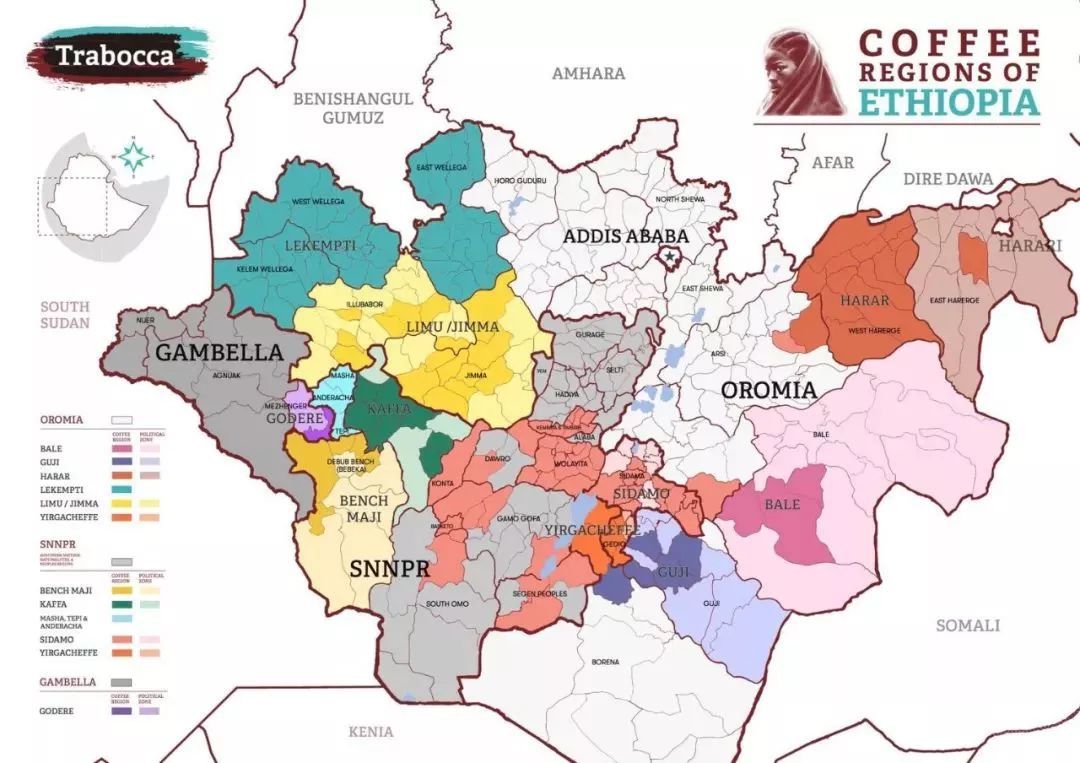
Yirgacheffe is the first name most specialty coffee beginners learn. Ethiopia, as everyone knows, is the birthplace of coffee. Yirgacheffe was originally a sub-region under Sidamo, but the coffee from Yirgacheffe town was so outstanding in processing and flavor that Ethiopia took great pride in it — beans from other regions were even marketed under its name. So Yirgacheffe was separated from Sidamo to become its own distinct category.
The characteristics of Yirgacheffe need no elaboration: uplifting fruit acidity, a clean mouthfeel, and delicate, elegant florals. FrontStreet Coffee loves the description in Han Huaizong's "Specialty Coffee Studies": "When the coffee enters the mouth, a hundred flowers bloom." FrontStreet Coffee's Yirgacheffe Kochere is exactly like that.
FrontStreet Coffee Yirgacheffe Kochere
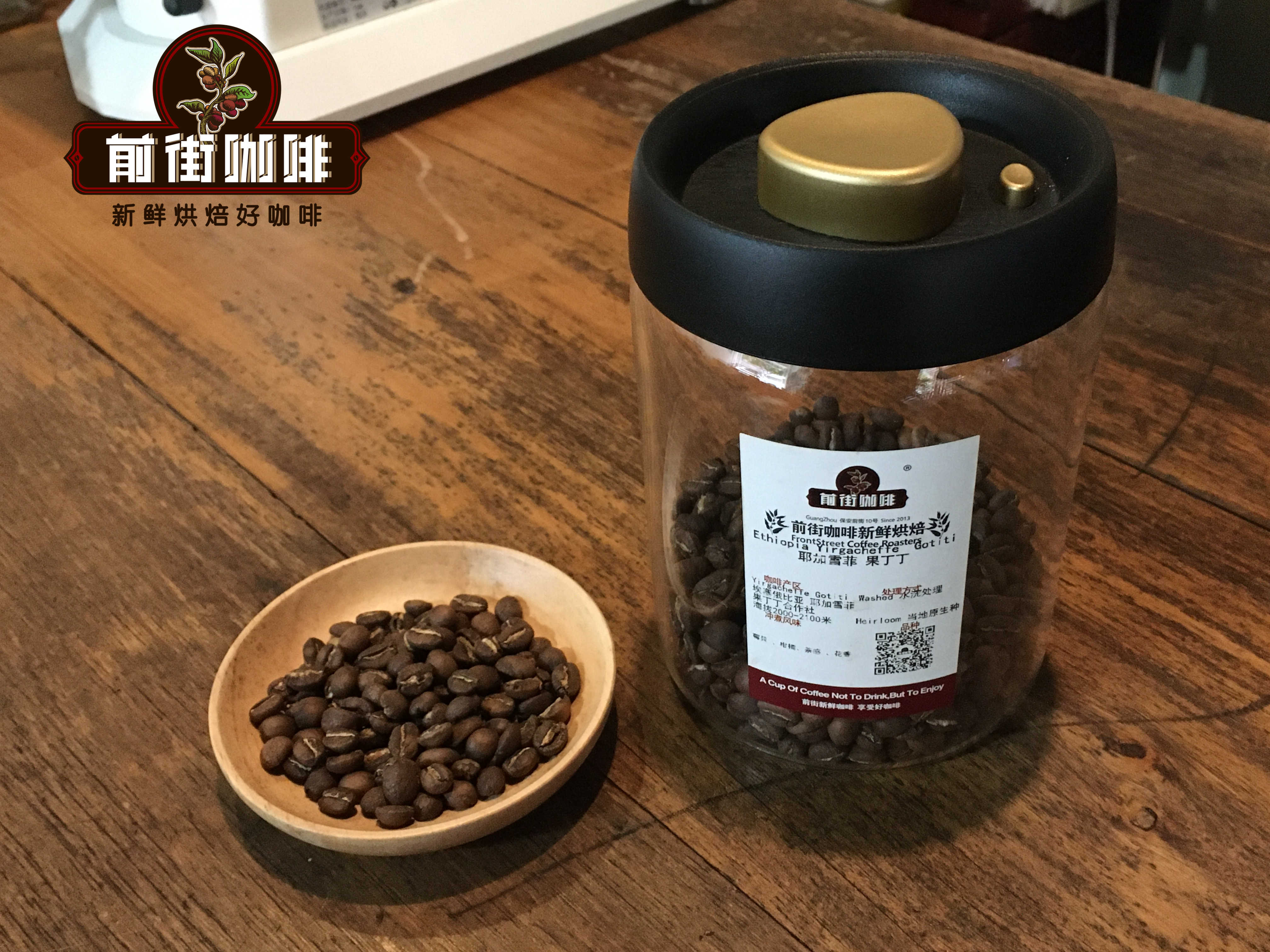
Region: Ethiopia, Yirgacheffe
Cooperative: Kochere Cooperative
Altitude: 2000m-2100m
Variety: Local heirloom varieties
Processing Method: Washed
Flavor: Citrus, black tea, floral, cream, caramel, almond
Beyond the classic Yirgacheffe profile, FrontStreet Coffee's Kochere also offers a tea-like sensation. Paired with the citrus acidity, it genuinely drinks like lemon tea — lemon tea lovers, give this one a try.
Kenya
Kenyan coffee is revered by connoisseurs as a gem of Africa. Kenyan varieties were initially introduced as Bourbon and Indian Kent, later adding Jamaican Blue Mountain Typica grown on Mount Elgon. Today Kenya's most famous varieties are SL28 and SL34, both selected and cultivated from Kenya's National Agricultural Laboratory (formerly the Scott Coffee Research Institute).
SL28 is drought- and pest-resistant, suited to medium and high altitudes; SL34 suits high-altitude areas with abundant rainfall. Their flavors are quite similar, but SL34 has richer acidity and a fuller mouthfeel.
Kenya's signature blackberry-toned acidity comes not only from the phosphate-rich local soil but also from the country's famous K72 washed process.
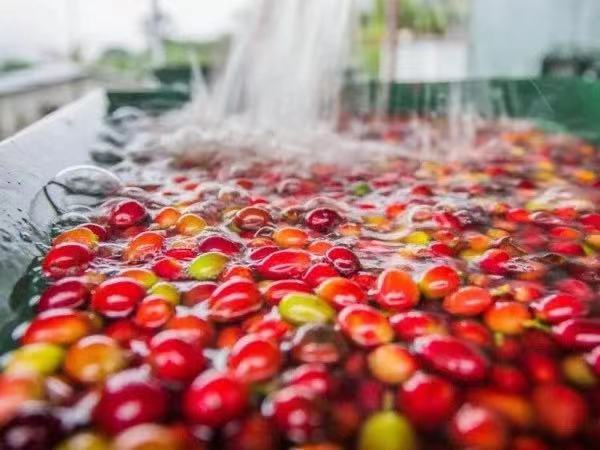
K72 washed processing: cherries are harvested, pulped, and fermented. After 24 hours of fermentation they're washed clean, then soaked and fermented for another 24 hours, washed again — the cycle repeating three times for a total 72-hour fermentation.
FrontStreet Coffee's Kenya Assalia uses the K72 washed process, resulting in brighter, cleaner flavors with fuller body.
FrontStreet Coffee Kenya Assalia
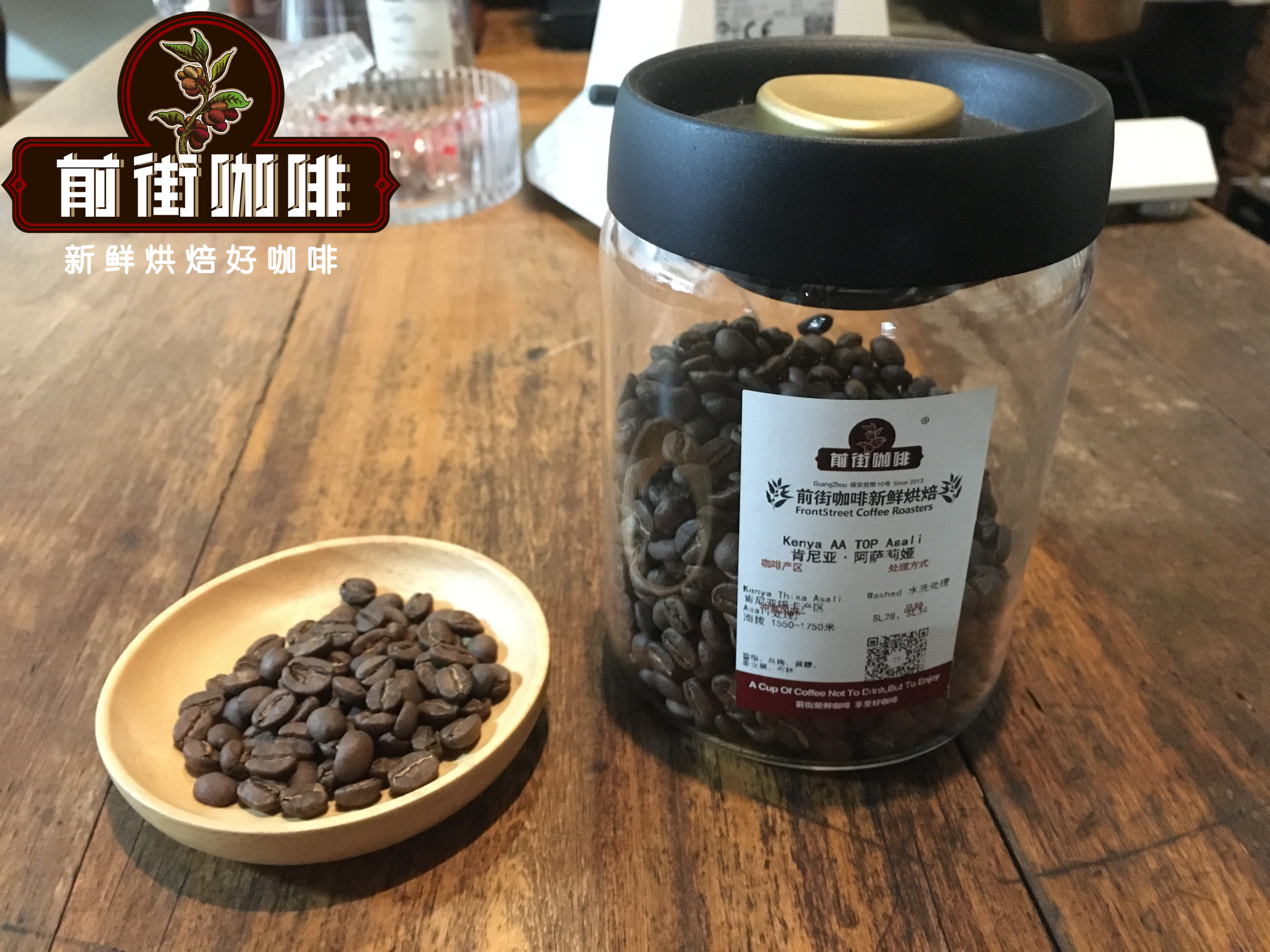
Region: Kenya, Thika
Processing Station: Asali
Altitude: 1550m-1750m
Variety: SL28, SL34
Processing Method: K72 washed
Flavor: Snow pear, dark plum, brown sugar, cherry tomato, plum
Brazil
Brazil is the world's number one coffee producer, with a cultivation history of over 300 years. In the 1720s, a Portuguese captain in Brazil — armed with a little charm — won the affection of the wife of the Cayenne governor in French Guiana and smuggled coffee seeds into Brazil.
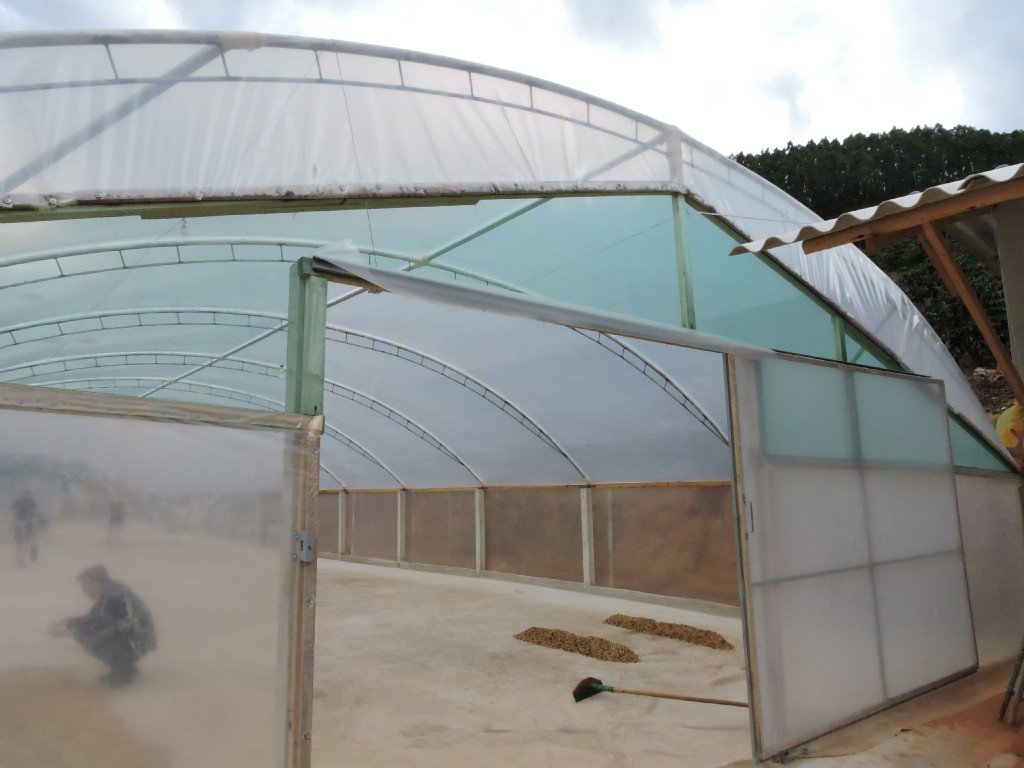
Brazil's growing altitudes are lower, ranging from 400 to 1600 meters, and with extensive sun-exposed cultivation, cherries ripen quickly, producing low-density, soft beans with that characteristic soft-bean flavor — a stark contrast to African beans. Brazilian coffee has low acidity, heavy nutty flavors, good chocolate sweetness and body, slight woody and earthy notes, and less prominent florals or citrus. FrontStreet Coffee's baristas often recommend Brazilian coffee to anyone who dislikes acidity precisely because it's mild, lacking the assertive rising acidity of African beans.
FrontStreet Coffee Brazil Queen Estate
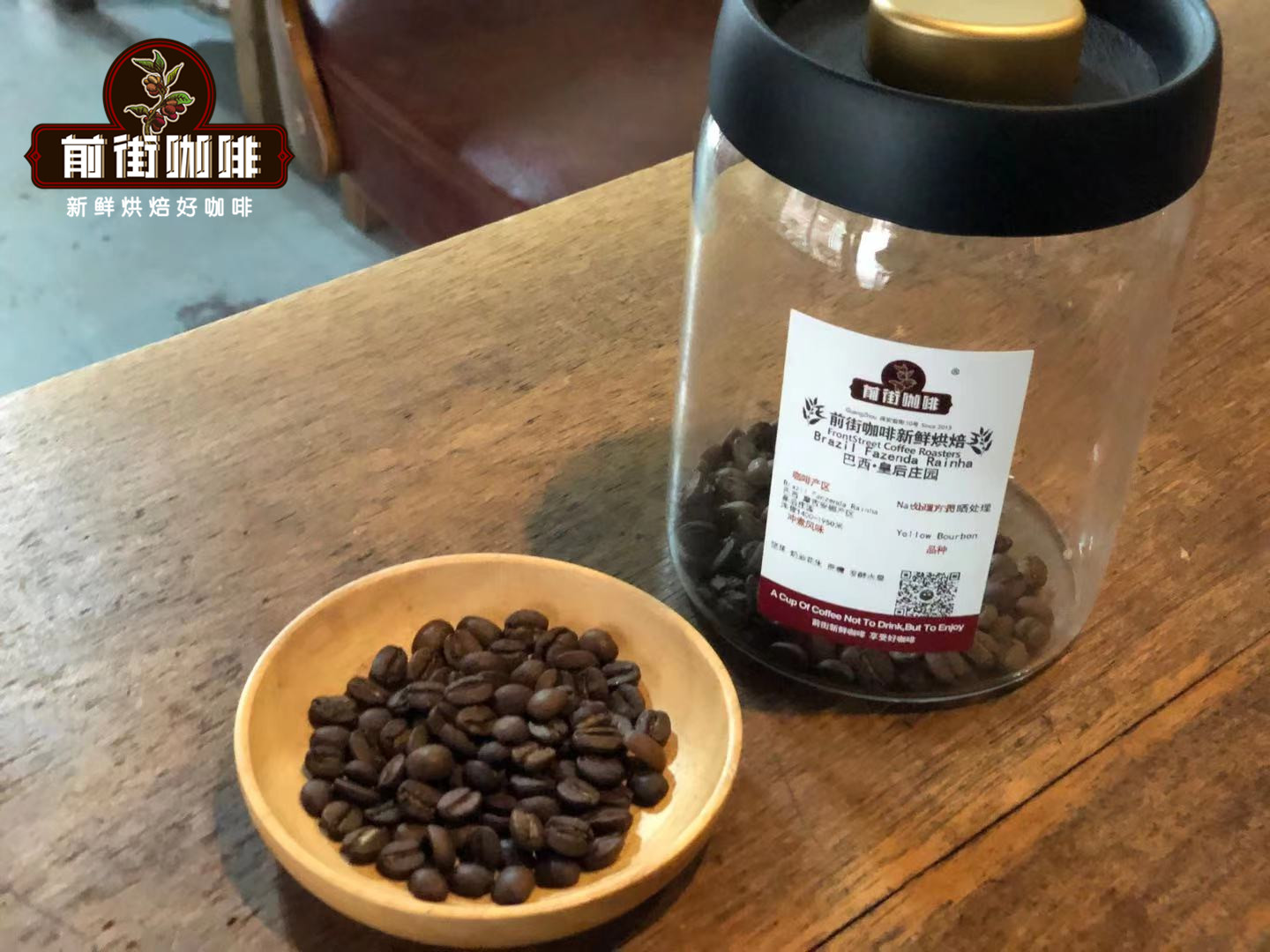
Region: Brazil, Mogiana region
Estate: Queen Estate
Altitude: 1400m-1950m
Variety: Yellow Bourbon
Processing Method: Natural
Flavor: Nuts, creamy peanut, sugarcane, fermented fruits
Indonesia
Indonesian coffee is familiar to many beginners. Kopi Luwak is famous for its rarity and price, but the most accessible Indonesian coffee is Mandheling.
Mandheling is produced mainly in Indonesia's Sumatra region, with a rich, intense profile and a strong personality — a character tied to local processing. Indonesia's year-round rainfall and shorter sunshine hours (compared to Ethiopia and Brazil) make natural drying prone to fermented or moldy beans, while washed processing demands water and money that smallholders don't have. So Mandheling uses a locally invented semi-washed method known as Wet Hulling, or Giling Basah.
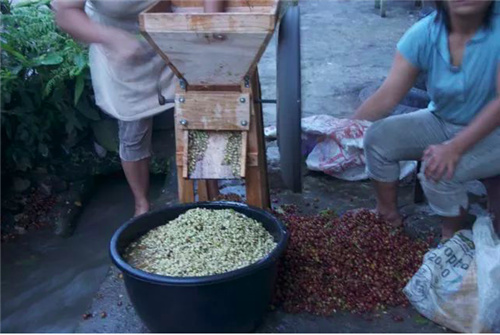
The Giling Basah process: cherries are pulped and soaked for 1-2 hours, then rubbed together to remove some mucilage before a first drying, bringing moisture down to 20%-35%. Beans with the loosely attached mucilage are collected and sent to processing plants for a second drying, down to about 18%. Then the parchment is hulled off while the beans are still damp, and drying continues to a final moisture content of 11%.
Coffee author Han Huaizong once described wet-hulled beans this way: "A rare processing method in the world, which by accident created Mandheling's special low acidity, rich body, and mellow aromatic flavor." Through years of cupping Indonesian wet-hulled coffees, FrontStreet Coffee has found them low in acidity with rich mouthfeel and unique herbal-spice flavors — though quality can be inconsistent, which often owes more to varying green bean quality than to the process itself.
FrontStreet Coffee Indonesia Golden Mandheling
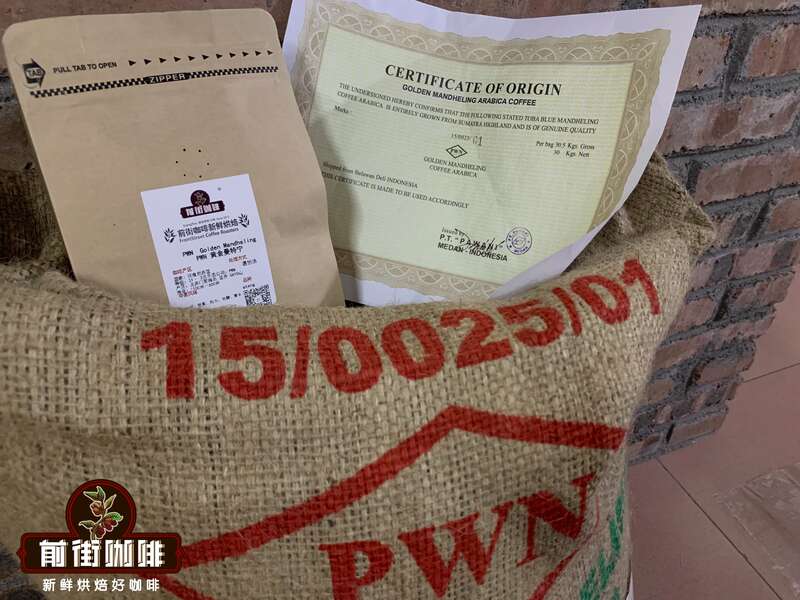
Region: Indonesia, North Sumatra, Aceh, Gayo Mountains
Altitude: 1100m-1600m
Variety: Ateng
Processing Method: Wet Hulling
Flavor: Spices, nuts, pine, caramel, herbal, chocolate
Panama
Geisha is famous today for its jaw-dropping price, and much of that fame traces back to Panama's Hacienda La Esmeralda — both the discoverer and the promoter of Geisha. Although the variety arrived in Panama in the 1960s, it lay low for more than 40 years before winning first place in the Best of Panama (BOP) in 2004, becoming world-renowned and a supreme treasure in the eyes of specialty coffee lovers.
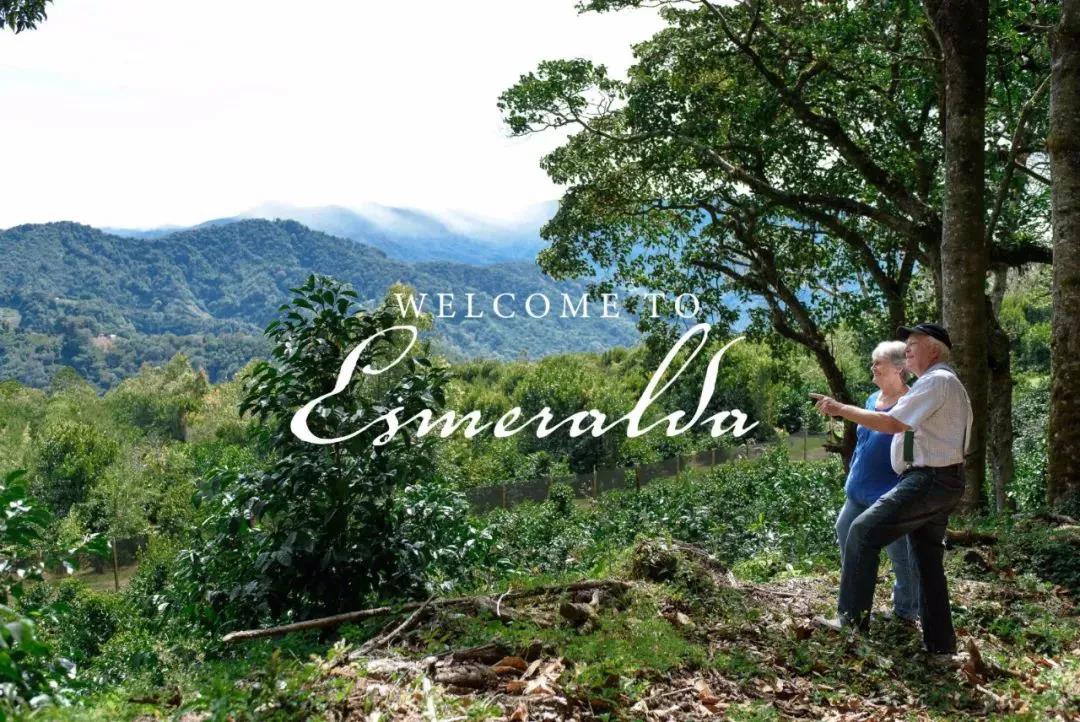
Geisha's delicate elegance comes from specific growing conditions: high altitude, shade, and fertile soil. These are precisely the factors behind the distinct floral aroma and refined fruit acidity of FrontStreet Coffee's Panama Hacienda La Esmeralda Geisha — elegance that explains its global popularity.
FrontStreet Coffee Hacienda La Esmeralda Red Label Geisha
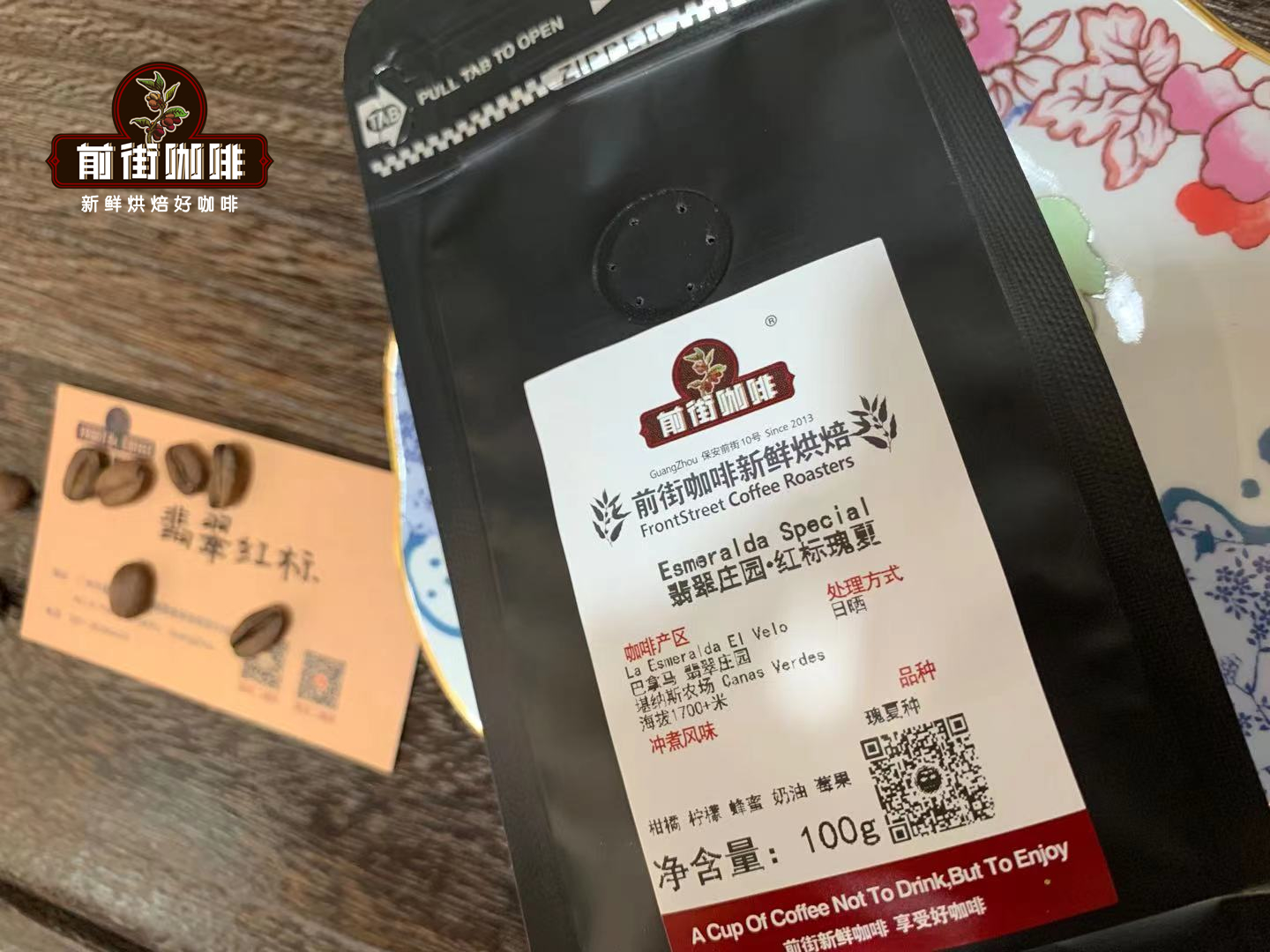
Region: Panama, Boquete
Estate: Hacienda La Esmeralda
Altitude: 1700m+
Variety: Geisha
Processing Method: Natural
Flavor: Citrus, jasmine, honey, berries
Yunnan, China
In China, tea has over a thousand years of history on coffee, and the circulation of coffee in China can be traced precisely back to 1870. Yunnan's cultivation history is debated — some say 1902, some 1892, others 1904.
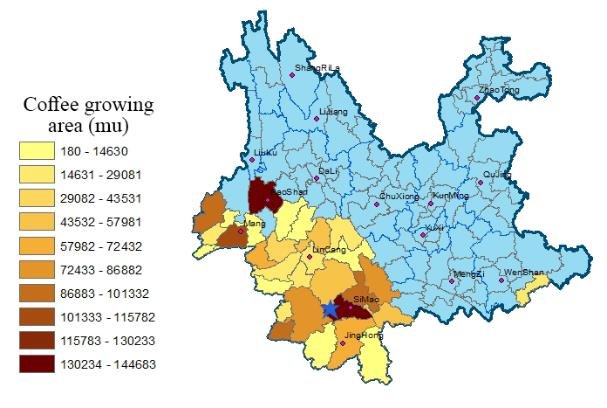
Yunnan's original plantings were Typica, but as China opened up, international brands like Starbucks and Nestlé entered the region and promoted Catimor — disease-resistant, high-yielding, but less flavorful. Over time, Yunnan's small-bean coffee shifted from Typica to today's Catimor.
Yunnan's growing areas are concentrated in the southwest of the province: Lincang, Baoshan, Pu'er, and Dehong. Lincang borders Pu'er to the east, Dali to the north, Baoshan to the west, and Myanmar to the southwest, with average annual temperatures between 16.8°C and 17.2°C, distinct dry and wet seasons, and abundant sunshine. FrontStreet Coffee has established its own estate in Lincang, and in 2021 released its first self-produced coffee bean.
FrontStreet Coffee Yunnan Natural Typica
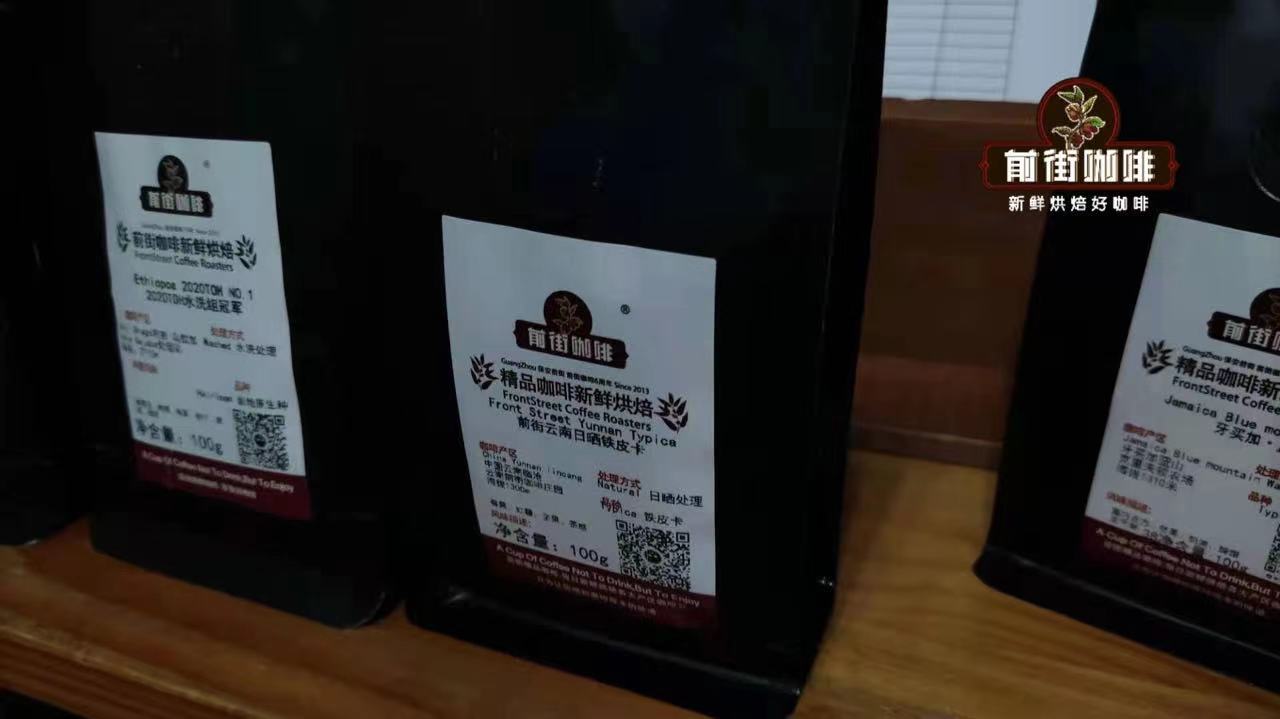
Region: China, Yunnan, Lincang
Estate: Yunnan FrontStreet Coffee Estate
Altitude: 1300m
Variety: Typica
Processing Method: Natural
Flavor: Berries, brown sugar, nuts, tea-like sensation
FrontStreet Coffee Recommendation
Looking at this list, the best starting point is the one everyone begins with: FrontStreet Coffee's Washed Yirgacheffe daily bean — white jasmine, bright citrus and lemon acidity, a tea-like finish, and a friendly price. For the next step up, the FrontStreet Washed Guodingding Cooperative lot from the Worka area of Yirgacheffe is "the last pure land" of the region: no trace of harsh bitterness, just clean, luminous citrus and lemon acidity wrapped in jasmine.
Craving fruit? The FrontStreet Red Cherry natural is made only from fully ripe, defect-free cherries, sun-dried whole on raised beds for three to five weeks and turned every 2-3 hours early on to prevent uneven fermentation. It keeps the classic Yirgacheffe character while adding tropical fruit: citrus acidity, berry juiciness, honeyed sweetness, and a silky, cream-smooth body. Brew either one as pour-over on a V60 at 90-91°C, 15g to 225g water (1:15), with a 30-second bloom and a three-stage pour.
Important Notice :
FrontStreet Coffee is a long-established specialty coffee roaster in Guangzhou China, selling freshly roasted beans from its own farm in Yunnan as well as dozens of carefully selected single-origin beans from around the world for both pour-over and espresso. The products deliver consistently excellent quality and great value, with shipping within 24 hours. Guangzhou's FrontStreet Coffee shop is recommended by many coffee lovers, and the beans are now available online at the Tmall 。
FrontStreet Coffee has moved to a new address:
FrontStreet Coffee Address: 315,Donghua East Road,GuangZhou
Tel:020 38364473
 Scan and follow the En Gafei WeChat official account. Please indicate that the reprint comes from "En Gafei".