Recommended Varieties of Brazilian Coffee Beans: Production, Flavor, and Taste Characteristics of Premium Brazilian Coffee

Most Brazilian coffee is grown by sun-drying methods on low-altitude flatlands. The lack of microclimate, combined with batch harvesting and processing, creates coffee with low acidity and full-bodied nutty and chocolate notes, which is why it is widely used in espresso blends. Some might think these Brazilian flavors are too monotonous and mostly commercial grade, but Brazil also produces premium specialty coffee, such as FrontStreet Coffee's house-roasted Brazil Queen Estate Coffee Beans, which selects the exceptionally flavorful Yellow Bourbon variety, a Brazilian single origin with excellent value.
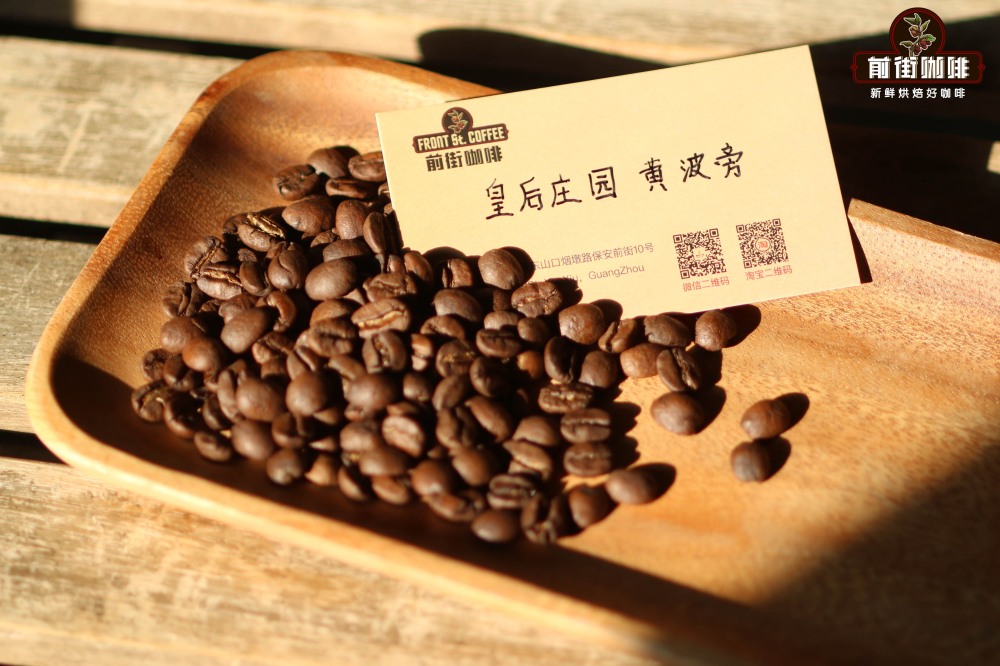
FrontStreet Coffee Brazil Queen Estate Coffee Beans
Region: Mogiana Region, Brazil
Estate: Queen Estate
Altitude: 1400-1950m
Variety: Yellow Bourbon
Processing: Natural Process
Flavor: Dark chocolate, cream, peanut, sugarcane, nuts
Queen Estate is located in São Paulo's Mogiana region, near southern Minas Gerais, and ranks among Brazil's three major specialty regions alongside Cerrado and South Minas. Unlike typical Brazilian coffee, Mogiana is grown at 1,100-1,250 meters, with terrain much higher than the rest of São Paulo. Those altitude differences create greater temperature variation and higher coffee quality, and the rolling terrain means Queen Estate mostly harvests by hand, exporting mainly Bourbon varieties. Among them, the delicate Yellow Bourbon has won Queen Estate multiple top rankings in coffee competitions.
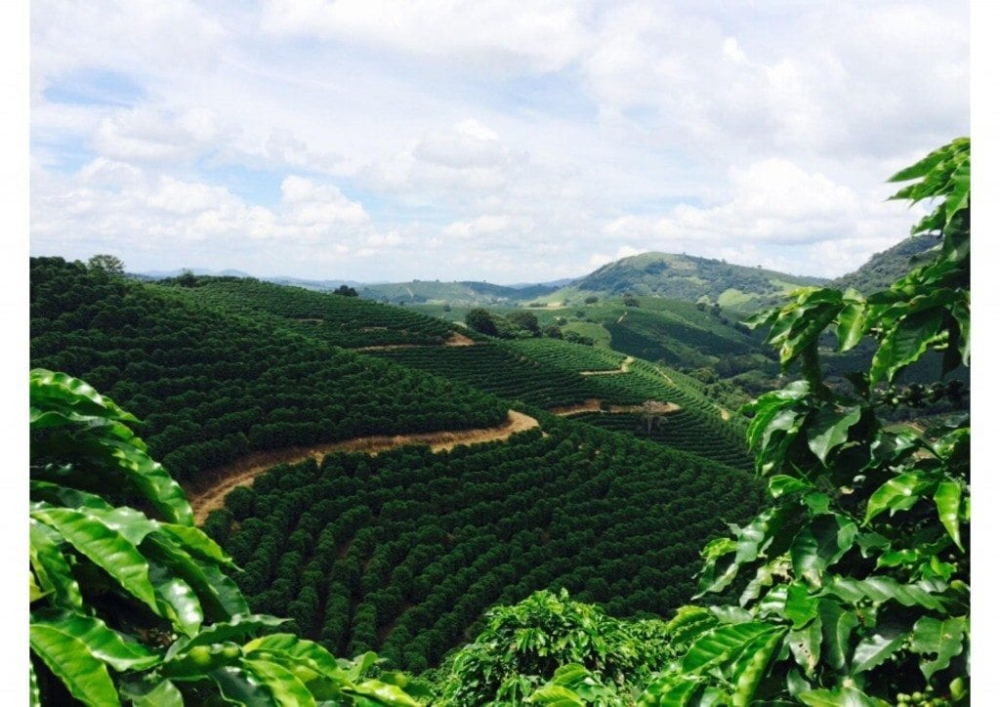
Yellow Bourbon Variety
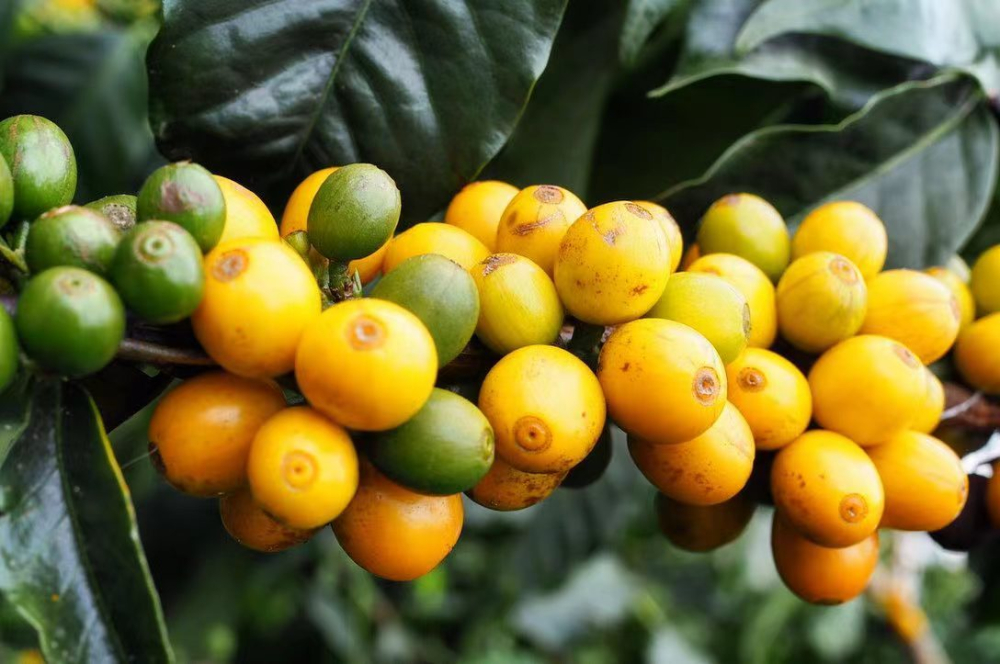
Yellow Bourbon is a Bourbon variant cultivated in Brazil. Common Bourbon varieties gradually change color from green to light yellow, then red, and finally deep red when fully ripe, which is why they are called Red Bourbon; FrontStreet Coffee's daily Brazilian blend is selected from traditional Red Bourbon, featuring chocolate and peanut flavors after roasting.
Yellow Bourbon, by contrast, does not turn cherry-red as it ripens but instead appears orange-yellow, and it was discovered in 1930. Later research by the Campinas Agronomic Institute (IAC) found that plants with dominant XcXc gene pairs produce red berries, plants with recessive xcxc gene pairs produce yellow berries, and in rare cases a plant with one dominant and one recessive gene, Xcxc, produces orange berries. Yellow Bourbon's color is therefore the result of genetic selection. Grown at high altitude, Yellow Bourbon contains high amounts of fructose and presents a sweet, juicy flavor. It once swept Brazil's Cup of Excellence for two consecutive years, nearly taking the top three places and captivating the specialty coffee world.
Natural Processing Method
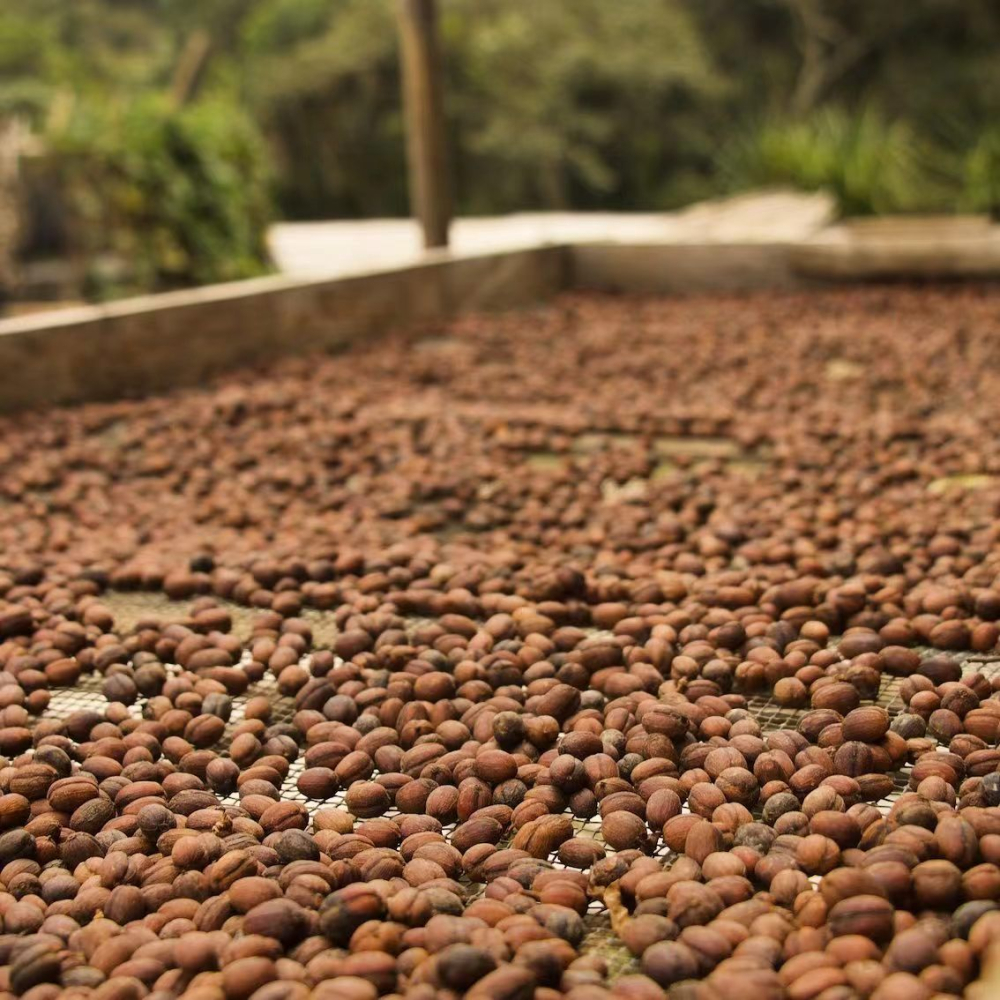
After harvesting ripe Yellow Bourbon cherries, Queen Estate uses natural processing, letting the cherries absorb more fruit-pulp sweetness during drying. Brazil sits near the equator, and because the harvest season coincides with the dry season, the cherries are well suited to direct dehydration and sun-drying.
Traditional "sun-drying," however, is crude: cherries are dumped straight onto muddy ground to dry, which mixes in earthy flavors, and uneven heating produces negative aromas from over-fermentation. Queen Estate first pours the cherries into water tanks and uses flotation to remove underripe fruit, then spreads the coffee in small batches on African raised beds with better airflow, turning them occasionally. This avoids earthy flavors and over-fermentation, and lifts the sweetness above that of traditional natural processing.
Roasting and Brewing
For roasting, FrontStreet Coffee aims to highlight Queen Estate's classic Brazilian profile, low acidity and full body, so it uses a medium-dark roast. In cupping, FrontStreet Coffee found this Queen Estate has very prominent sweetness, so it uses three-stage pouring during brewing to bring out more layered complexity.
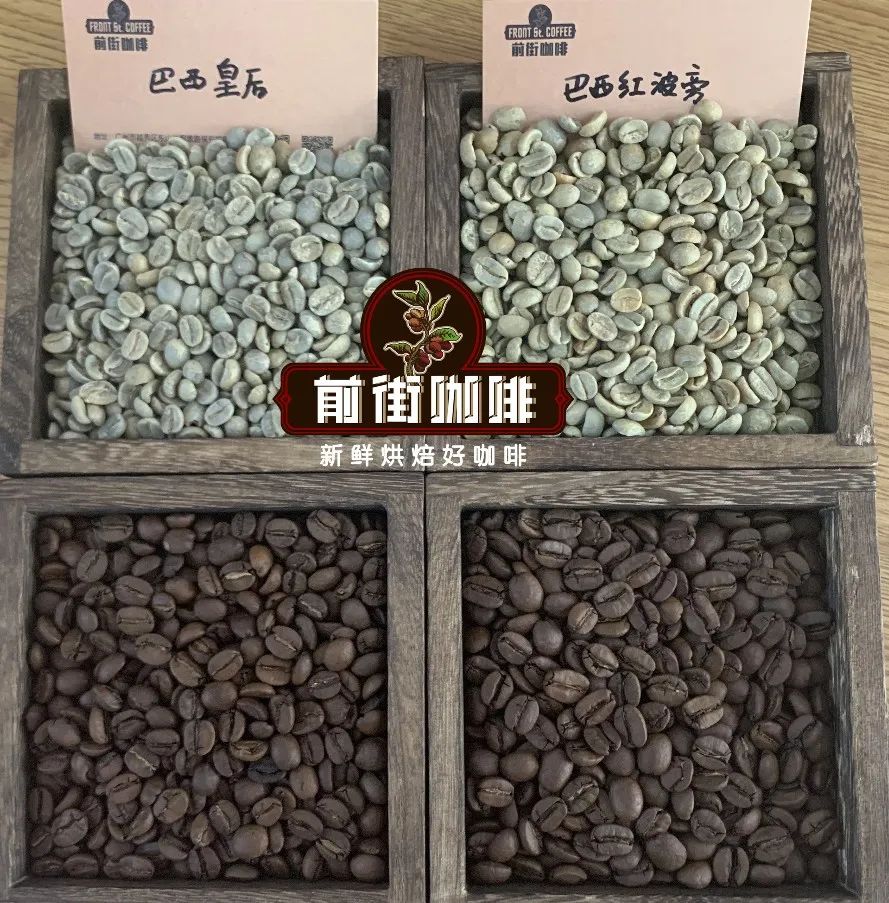
Coffee beans reach their optimal flavor period 4-7 days after roasting. After about a month and a half post-roast, the aroma may have dissipated and woody flavors may develop. To avoid this, FrontStreet Coffee has said in many articles that it most importantly ships only beans roasted within 5 days, so everyone can enjoy coffee at its best.
Brewing Recommendations
Dripper: Medium-dark roasted beans mainly present a full, rounded mouthfeel, so FrontStreet Coffee chooses the slower-flow KONO dripper for extraction. The KONO's upper part has a smooth curved surface and the lower part has guide ribs one-third of its length. This lets the filter paper sit more closely against the dripper and restricts upward airflow, so hot water can only flow downward, creating a siphon-like extraction that releases more aromatic substances from the grounds.
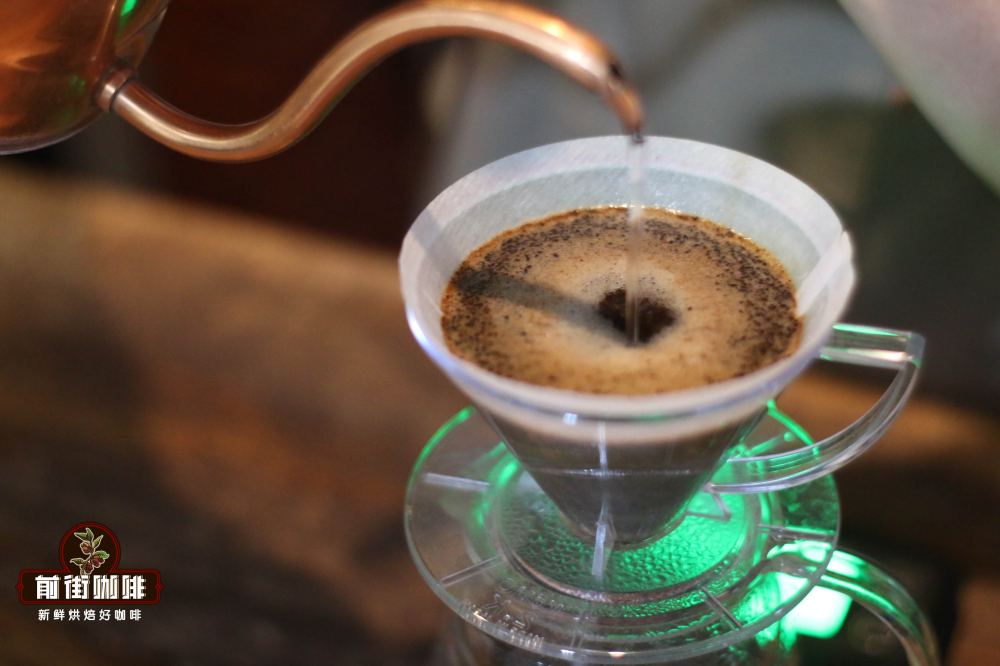
Medium roast changes the bean's internal structure, making it porous and more absorbent when ground. If the brewing parameters are not adjusted, the coffee easily over-extracts and turns bitter. To keep enough aroma without over-extraction, the extraction rate needs to come down, so FrontStreet Coffee uses a lower water temperature and a coarser grind to reduce the release of bitter macromolecules. Coffee grounds absorb about twice their weight in water. FrontStreet Coffee typically uses 15g of grounds at a 1:15 coffee-to-water ratio, yielding close to 200ml of coffee liquid for 1-2 people.
Brewing Parameters:
Dripper: KONO dripper
Water Temperature: 87-88°C
Dose: 15g
Ratio: 1:15
Grind: Medium grind (pass rate 70% through a Chinese standard 20-mesh sieve)
Use twice the coffee's weight in water to moisten the bed, forming a dome, and let it bloom for 30s. Then use a small stream to pour in concentric circles from inside to outside until reaching 125g, and pause. Wait for the bed to drop to half the dripper's height, then continue with the same fine stream to pour the third stage to 225g. When all the liquid has filtered through, remove the dripper. Total time is about 2 minutes.
Tasting Notes
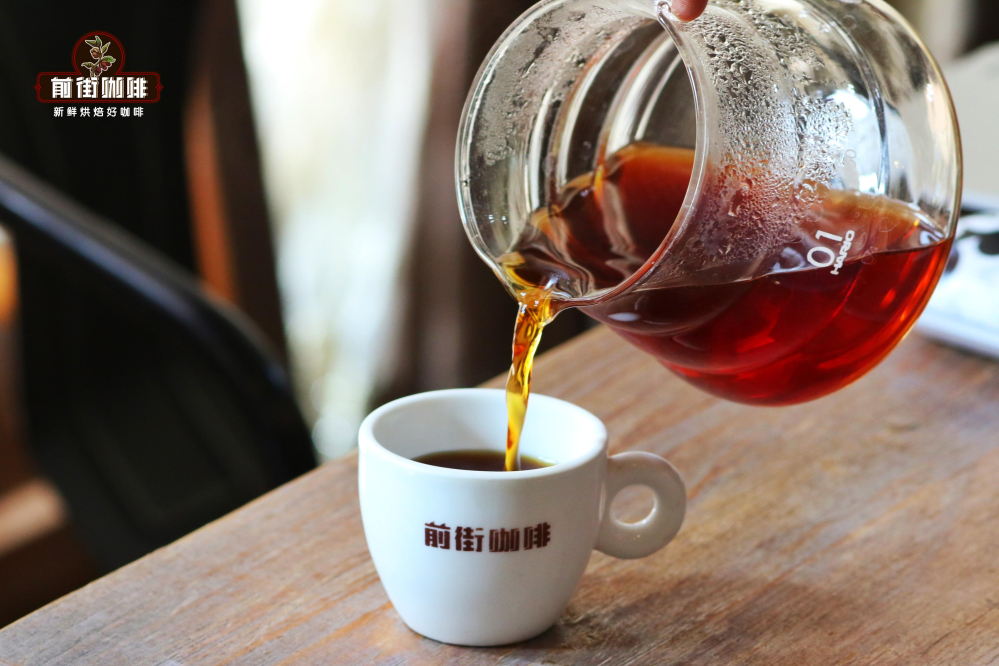
Hand-poured Brazil Queen Estate coffee smells of lemon, nuts, and peanuts. On entry it shows very mellow nutty, dark chocolate, and caramel flavors with noticeable sweetness, and the mouthfeel is as smooth as cream, rounded overall.
FrontStreet Coffee Recommendation
To taste where Queen Estate's Yellow Bourbon sits in Brazil, FrontStreet Coffee's Cerrado Red Bourbon is the everyday companion. Cerrado is a well-known region for high-quality coffee, and this lot, a common South American Red Bourbon, roasted medium, shows rich cream peanut, toast, caramel, and hazelnut aromas with a rounded body, no acidity, and a light bitterness, suited to pour-over, moka pot, espresso SOE, siphon, or French press. Queen Estate itself, from Mogiana near southern Minas, is the rarer Yellow Bourbon, a mutation of Red Bourbon with a cleaner fruit character, and delivers the sugarcane sweetness found in few other regions along with fruit and chocolate notes.
Because Brazil's low-acid, balanced cup and approachable price make it the first choice for espresso recipes, FrontStreet Coffee includes Brazilian beans across its blend range: the Classic Blend for rich crema, FrontStreet Coffee's Premium Blend with its nutty character, FrontStreet Coffee's Black Cocoa Blend for balance, and FrontStreet Coffee's Commercial Blend tailored to coffee shops. The Brazilian component brings chocolate and cream aroma and a soft sweet-sour-bitterness, and its balanced profile helps keep extraction stable.
Important Notice :
FrontStreet Coffee is a long-established specialty coffee roaster in Guangzhou China, selling freshly roasted beans from its own farm in Yunnan as well as dozens of carefully selected single-origin beans from around the world for both pour-over and espresso. The products deliver consistently excellent quality and great value, with shipping within 24 hours. Guangzhou's FrontStreet Coffee shop is recommended by many coffee lovers, and the beans are now available online at the Tmall 。
FrontStreet Coffee has moved to a new address:
FrontStreet Coffee Address: 315,Donghua East Road,GuangZhou
Tel:020 38364473
 Scan and follow the En Gafei WeChat official account. Please indicate that the reprint comes from "En Gafei".