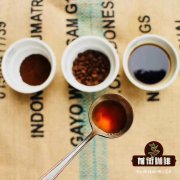
How to Brew Costa Rica Mozart Coffee Deliciously | Pour-Over Coffee Tips
Even with the same filter cup and the same coffee bean, different brewing methods can reveal completely different flavors. Today, FrontStreet Coffee wants to share how to brew the Costa Rica Mozart bean using different techniques.
Bean Information
First, let us introduce today's star—Mozart. This bean is stunning in both its dry and wet aroma, as very few beans carry such a special fragrance.
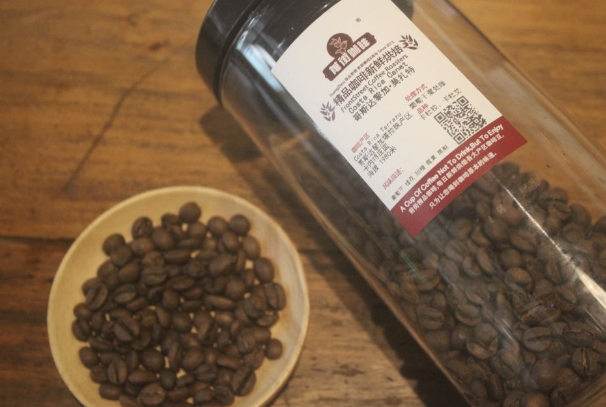
Its processing method is also quite interesting, called "Raisin Honey Processing." This method retains 100% mucilage and uses zero-water processing techniques. That increases the difficulty of honey processing, requiring strict time control.
On the day of harvesting, the coffee cherries are poured into large water tanks. Mature, full fruits sink to the bottom, while underdeveloped or overripe fruits float to the surface—these floating beans must be removed. The selected cherries are placed on raised beds to dry for at least three days, then the skin is removed while preserving the mucilage before further drying. At this stage, climate factors are key to successful honey processing. During drying, the cherries must be constantly turned to ensure even drying, but the turning frequency must be controlled to allow slow drying, ensuring proper fermentation without being so slow as to over-ferment.
Brewing Sharing
Today, FrontStreet Coffee has chosen the Hario V60 filter cup. The V60 is a favorite at FrontStreet Coffee. Because this filter cup is designed with the speed of water level drop as a priority, its internal ribs feature curved spiral structures that help accelerate water flow. Using this filter cup therefore places higher demands on pour thickness and water level height. FrontStreet Coffee typically chooses segmented extraction to complement the V60, slowing the flow of coffee liquid and improving extraction from the grounds.
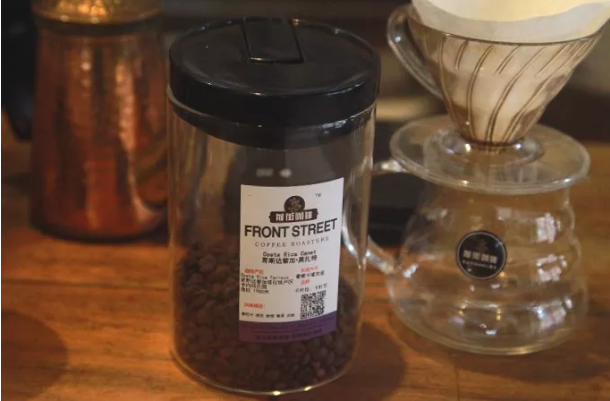
The brewing parameters stay the same; only the pouring method changes.
Parameters: 15 g coffee grounds; medium-fine grind (BG 6M: 58% pass-through rate on China standard #20 sieve); water temperature 90°C; coffee-to-water ratio 1:15.
Brewing Method 1
Use 28 g of water for a 30-second bloom, then pour a small circular stream in the center to 122 g. When the water level drops to just before exposing the coffee bed, use a slightly larger stream in circular motions to reach 227 g. Remove the filter cup when the water level drops to just before exposing the coffee bed again. (Timing starts from the bloom.) Extraction time: 1'56".
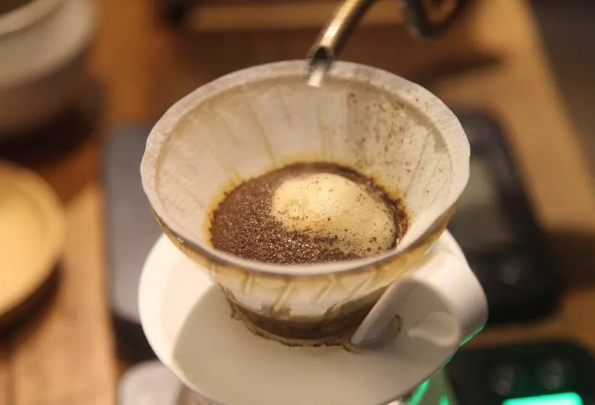
Flavor: The wet aroma features osmanthus fragrance and fermented notes. The entry reveals citrus and strawberry acidity, transitioning to caramel, raisin, and preserved-fruit sweetness with a sugarcane aftertaste. Overall balance is quite good, with a relatively full-bodied mouthfeel.
Brewing Method 2
Use 28 g of water for a 30-second bloom, then pour a small, faster circular stream to 121 g. When the water level drops to just before exposing the coffee bed, use a larger stream in circular motions to reach 227 g. Remove the filter cup when the water level drops to just before exposing the coffee bed again. (Timing starts from the bloom.) Extraction time: 1'45".
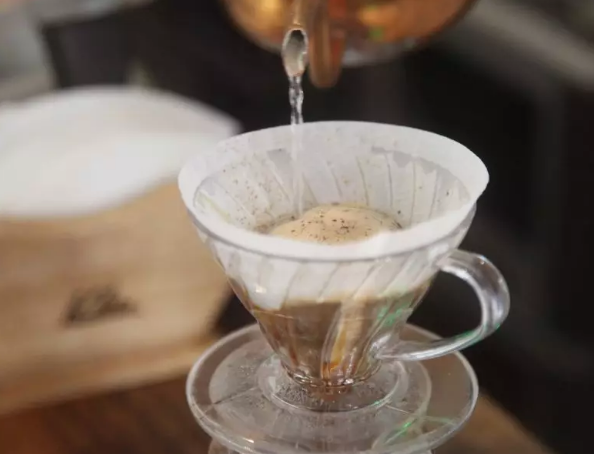
Flavor: The wet aroma features osmanthus fragrance. The entry reveals strawberry, citrus, and tropical fruit flavors, with distinct caramel and preserved-fruit sweetness. Overall mouthfeel tends toward lighter, creating a relatively refreshing sensation.
Brewing Method 3
Use 30 g of water for a 30-second bloom, then pour continuously in circular motions to 227 g without interruption. Remove the filter cup when the water level drops to just before exposing the coffee bed. (Timing starts from the bloom.) Extraction time: 1'40".
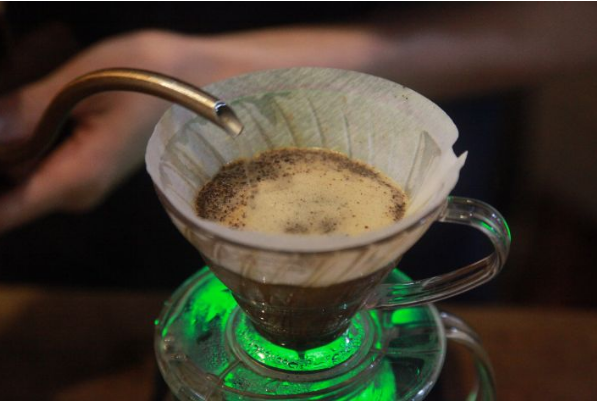
Flavor: The aroma reveals floral notes. The entry features strawberry, tropical fruit, and sweet orange flavors, along with nutty, raisin, and caramel notes.
Conclusion
Brewing Methods 1 and 2 both employ segmented extraction, differing in their extraction times, water stream sizes, and stream agitation.
Brewing Method 1 uses a small stream for slower circular pouring in the center during the first post-bloom infusion, then slightly increases the flow and expands the circular range during the second infusion. This yields coffee that is more balanced, with a fuller-bodied mouthfeel.
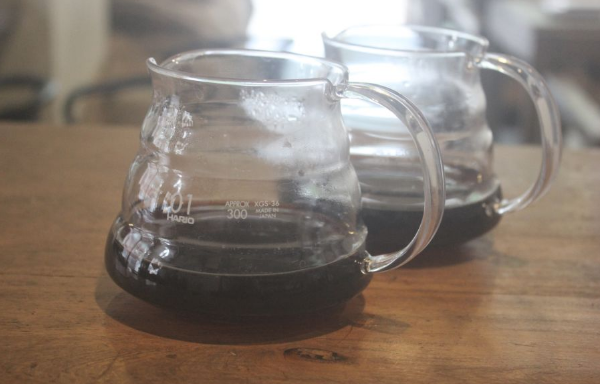
Brewing Method 2, by contrast, uses a small stream for faster circular pouring during the first post-bloom infusion, then a larger stream for circular pouring during the second. Throughout the process, the stream provides more agitation to the grounds, resulting in coffee with better aromatic performance.
Brewing Method 3 is a single-pour method, meaning continuous pouring without interruption after the bloom. This technique is relatively basic. A single pour mainly controls water volume and flow rate, achieving full extraction without losing balance; however, improper pouring can disrupt the coffee's overall balance.
FrontStreet Coffee Recommendation
The raisin-forward character of Costa Rica Mozart comes through best with the Hario V60, the dripper FrontStreet Coffee reaches for most often for fruit-toned light roasts. Its 60° cone, curved spiral ribs, and single large hole are built for fast drainage, so the pour controls the flow directly—FrontStreet favors a segmented pour to slow the coffee and lift extraction from the grounds.
FrontStreet's Mozart-style lots, with their dried-fruit, wine-like sweetness, sit alongside the rest of the house's fruit-and-floral range: FrontStreet Ethiopia Flower Champion for tropical fruit, FrontStreet Strawberry Candy for a Geisha-like strawberry sweetness, and FrontStreet Panama Emerald Estate Red Label Geisha for jasmine, bergamot, and black-tea finesse. FrontStreet's washed Yirgacheffe rounds out the lighter end with citrus, berry, and a green-tea finish.
For these beans, brew 15 g at a 1:15 ratio with 90-93 degrees Celsius water and a medium-fine grind. A 30 g, 30-second bloom followed by a segmented pour to about 225 g keeps the fruit acidity bright and the sweetness clean.
Important Notice :
FrontStreet Coffee is a long-established specialty coffee roaster in Guangzhou China, selling freshly roasted beans from its own farm in Yunnan as well as dozens of carefully selected single-origin beans from around the world for both pour-over and espresso. The products deliver consistently excellent quality and great value, with shipping within 24 hours. Guangzhou's FrontStreet Coffee shop is recommended by many coffee lovers, and the beans are now available online at the Tmall 。
FrontStreet Coffee has moved to a new address:
FrontStreet Coffee Address: 315,Donghua East Road,GuangZhou
Tel:020 38364473
 Scan and follow the En Gafei WeChat official account. Please indicate that the reprint comes from "En Gafei".