Honduras Coffee COE Lot 29# Introduction to Double Flower Estate Coffee
Honduras ranks among the world's top coffee-producing countries, with genuinely high altitudes and a focus on Arabica varieties. In 2019, FrontStreet Coffee sold the wildly popular Honduras Sherry-Process coffee - proof that Honduran producers have innovative ideas of their own. Today we share the story of a farm with a beautiful name: Las Gemelas Estate.
Regional Introduction
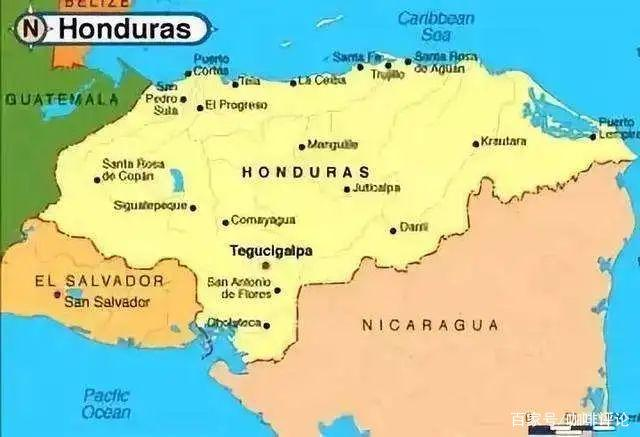
Honduras sits in northern Central America, bordered by the Caribbean Sea to the north and the Pacific's Fonseca Bay to the south, with Nicaragua and El Salvador to the east and south and Guatemala to the west. Its mostly mountainous, highland terrain enjoys a mild tropical climate and abundant rainfall - ideal coffee country.
Honduras produces two exceptionally high-quality coffees prized by enthusiasts: "Highland Coffee," grown at 1,000-1,500 m, and "Strictly High Grown" coffee, grown at 1,500-2,000 m - the country's top grade.
The beans are relatively large, uniform in shape, with even color and luster. For picking convenience, farmers prune the trees to no more than 150 cm; taller trees would need ladders, which wastes time and can damage branch structure. Because each cherry ripens on its own schedule, hand picking and sorting of ripe fruit are essential to quality - cherries from the same branch may take several weeks to finish harvesting.
Honduran coffee divides into six major regions, mainly in the west and south: Copan, Opalaca, Montecillos, Comayagua, Agalta Tropical, and El Paraiso, with specialty coffee grown at an average altitude above 1,100 m. Across these regions, 69% of coffee is HG grade, 12% SHG, and 19% CS.
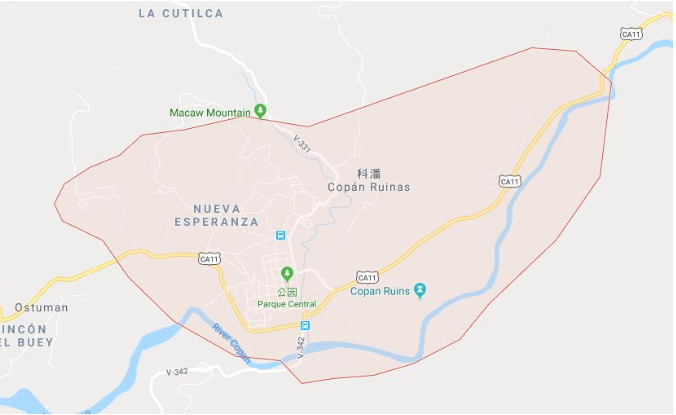
The Copan Region
Lying between the Copan, Ocotepeque, and Lempira areas, Copan shows strong chocolate flavors sweetened with honey and caramel, its fruit notes relatively subtle. Cultivation runs 1,000-1,500 m, with harvest from November to March.
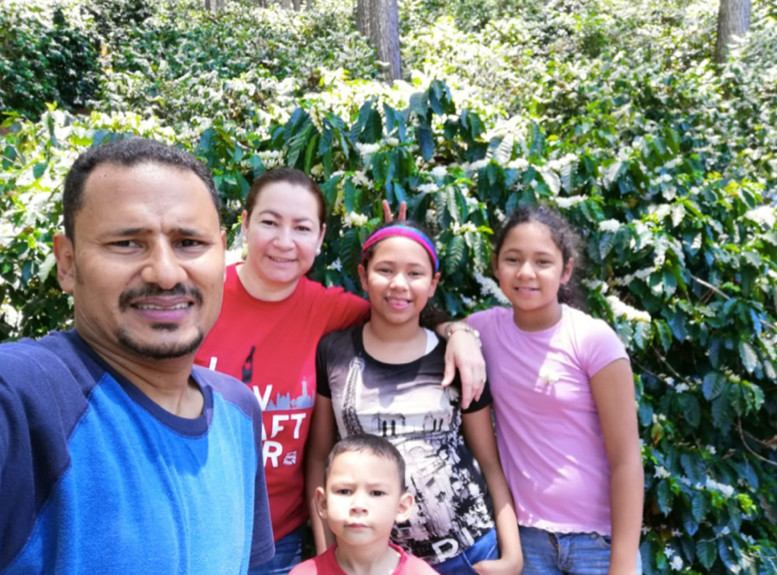
Las Gemelas Estate
Nelly Suaba Orellana Aguilar inherited the estate from her father and family. To guarantee quality, the family sends its coffee to the ARUCO ENTERPRISE association each year for cupping and quality control. The name Las Gemelas - "The Twins" - was Nelly's choice, commemorating the birth of her twin daughters.
The family traditionally grew Yellow Catuai; this year Nelly transplanted the original Yellow Catuai and put in a batch of Red Catuai instead.
She also broke from the family's traditional washed method, innovating with natural processing for competition. Her two experimental competition batches used different protocols: one with 72 hours of pre-drying fermentation, the other with 90 hours. This award-winning lot is the 72-hour extended-fermentation batch.
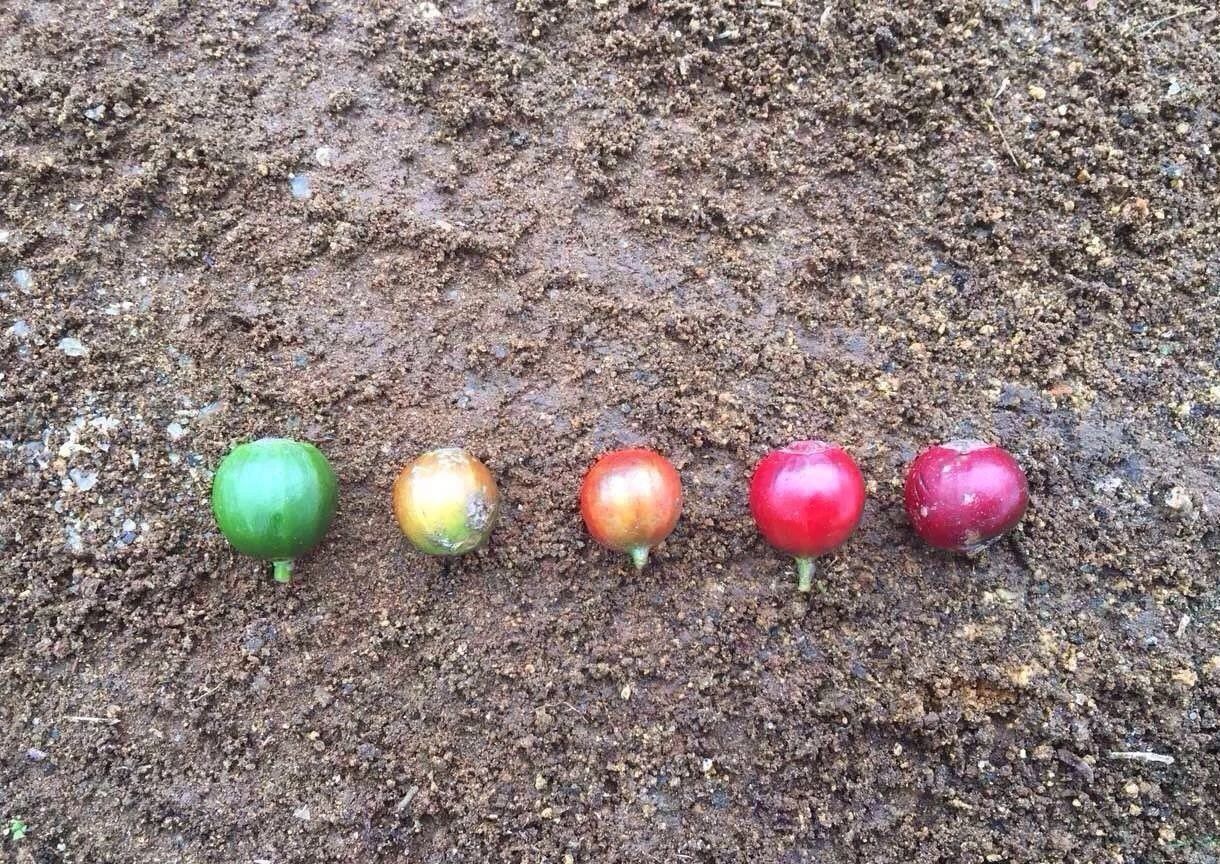
Variety: Red Catuai
Red Catuai is a natural hybrid within the Arabica Bourbon line discovered in Brazil in 1937. Its fruit grows more densely and is harder to pick than most, but the variety resists disease better, suits high-altitude cultivation, and yields delicate, clean acidity.
Red Catuai shows medium acidity, a smooth, mild, easy-drinking texture, and excellent body and sweetness. That smoothness lets it blend with most coffees without disturbing their profile.
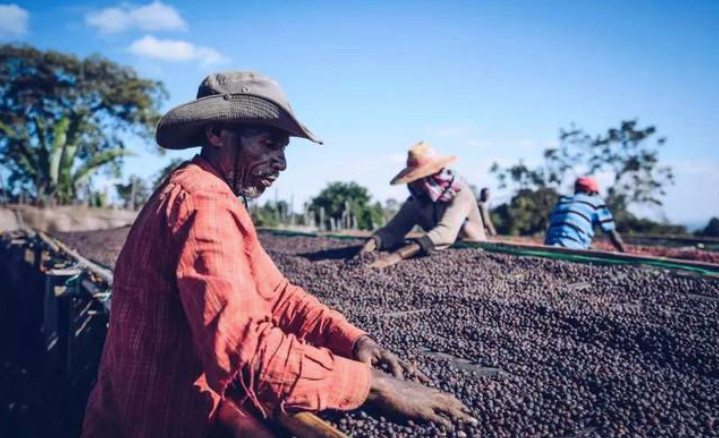
Natural Processing
This COE competition lot #29 from Las Gemelas Estate is natural-processed.
Natural processing is the oldest and most original coffee method: harvested cherries are laid on patios - sometimes even roadside - to dry in the sun for roughly 27-30 days until moisture falls from 60% to about 12%. Naturals show the lowest acidity, noticeable sweetness, and high body, with slightly lower clarity.
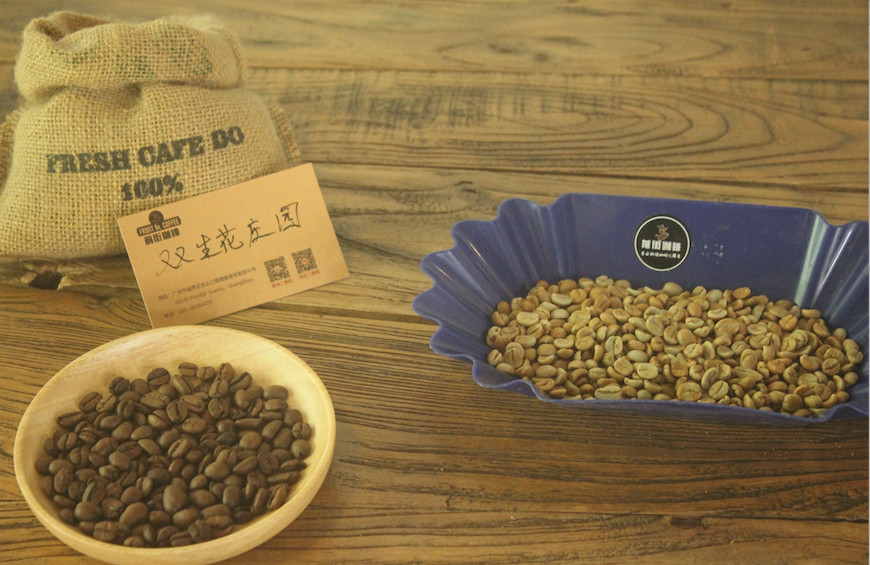
Green Bean Analysis
The beans are light green with a fair amount of silver skin, relatively round, short, and uniform. They smell tart, with grassy notes and pear aromas.

Roast Profile Analysis
Noting the modest altitude and the natural process, FrontStreet Coffee's roaster chose a lower charge temperature and a gradual heat reduction over medium fire.
Roasting machine: Yangjia 800N (300 g batch)
At a drum temperature of 175°C the beans were charged with heat at 130 and the damper at 3; the turning point came at 1'36". When the drum read 140°C, the damper opened to 3.5 with heat unchanged. At 151.1°C the bean surface yellowed, the grassy aromas vanished entirely, and the roast entered the drying phase. At 176°C, heat was reduced to 100, damper unchanged.
At 8'28" the bean surface showed uneven wrinkles and black specks, and the toast aroma clearly turned to coffee aroma - the prelude to first crack, when the roaster listens carefully. First crack began at 9'00", and the damper was opened to 4. After crack, development ran 1'40", with the beans dropped at 196°C.
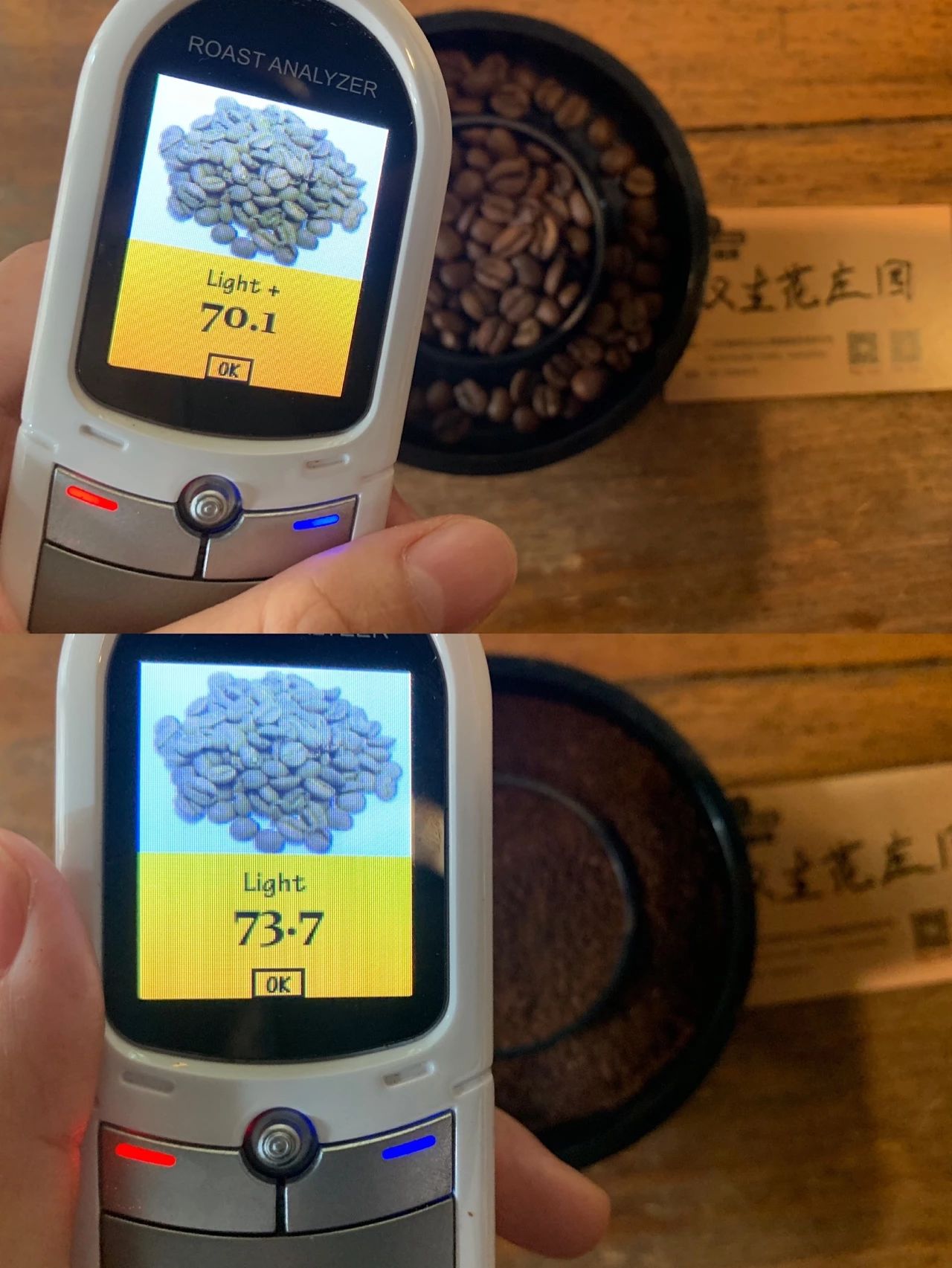
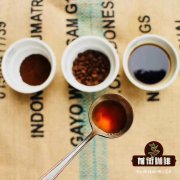
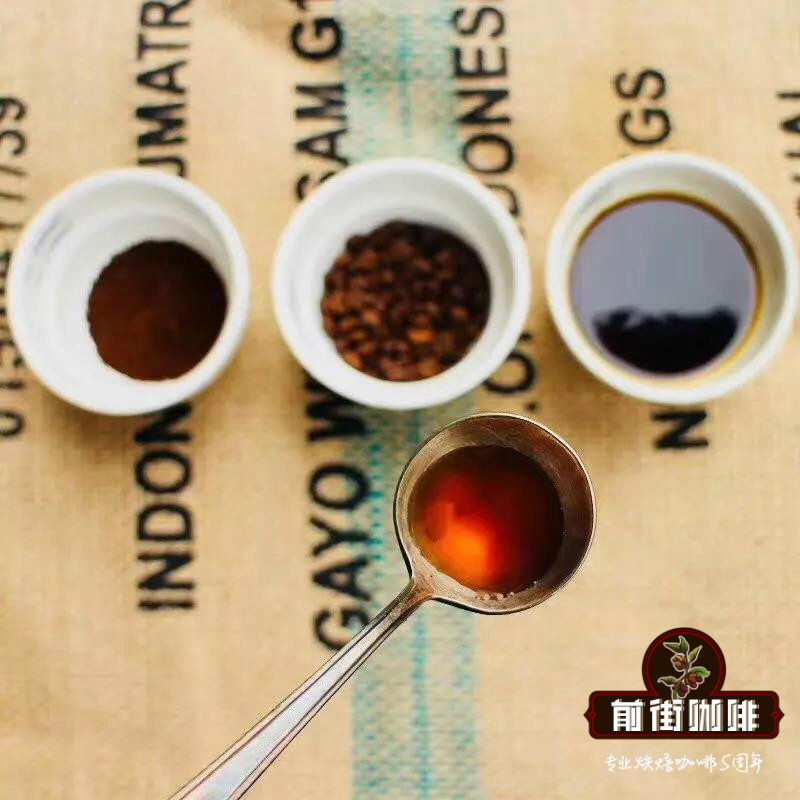
Agtron bean value is 70.1 (top image), Agtron ground value is 73.7 (bottom image), and the roast delta is 3.6.
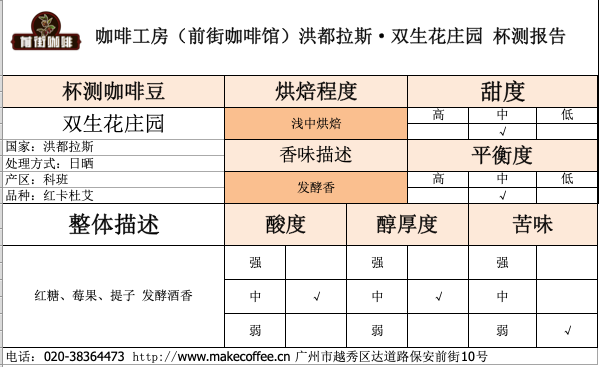
Cupping Analysis
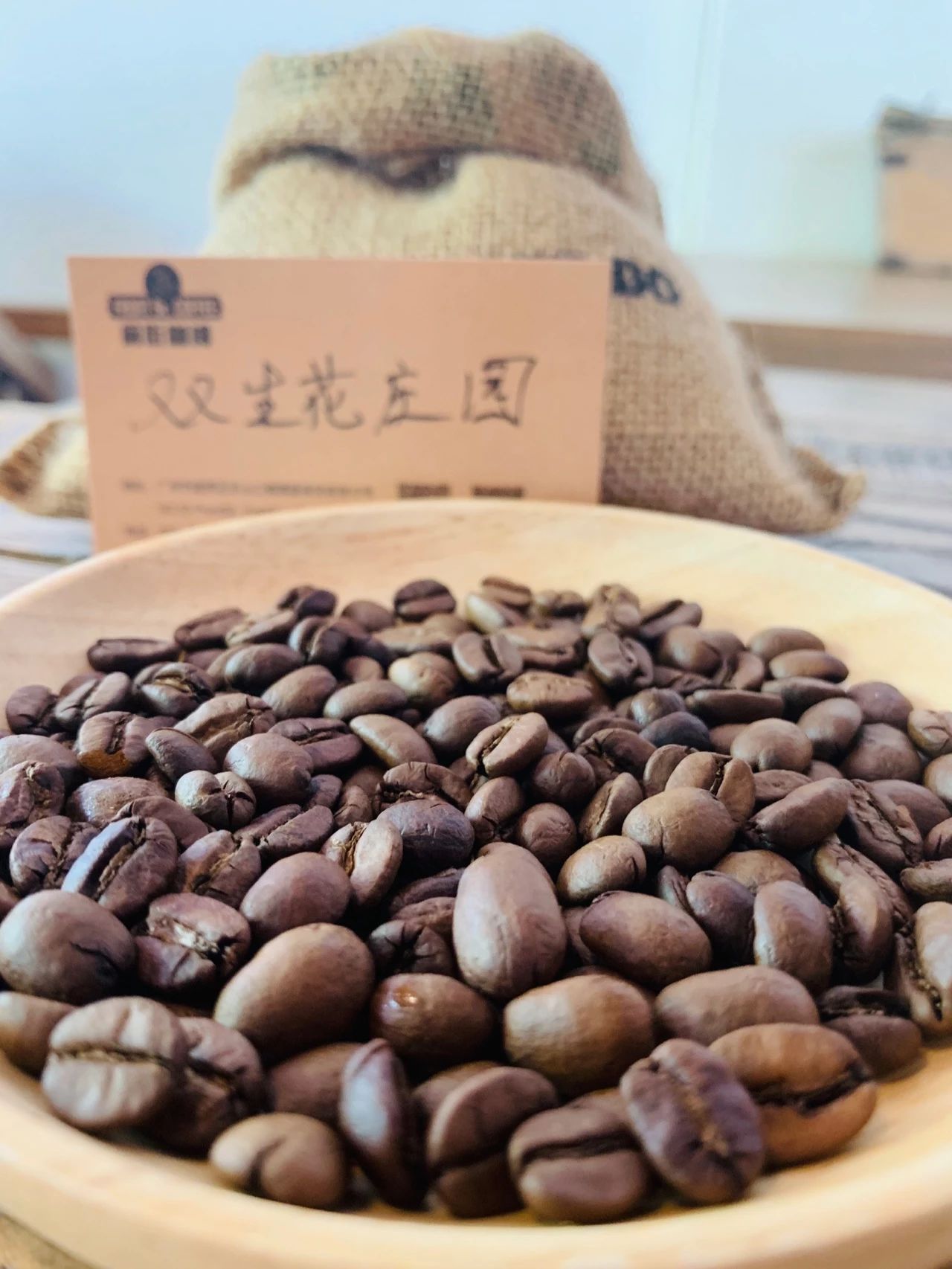
Honduras Las Gemelas
Honduras Las Gemelas Estate
Region: Copan
Estate: Las Gemelas
Altitude: 1,250 m
Variety: Red Catuai
Processing Method: Natural
Flavor Notes: Brown sugar, berries, raisins, fermented wine-like aroma
FrontStreet Coffee Recommendation
FrontStreet Coffee Recommendation: Popular Arabica Coffees to Explore
Coffee descends from three original species - Arabica, Robusta, and Liberica - and nearly every specialty coffee you can buy is Arabica, prized for complex, refined flavors that shift with each origin. FrontStreet Coffee's shelf highlights several worth knowing. The Hua Kui (Flower Queen) uses Ethiopia's most common heirloom varieties and classic natural processing: cream strawberry, mango, jackfruit, citrus, and blueberry in a ripe tropical register - the very perfume that won first place in that year's TOH green-bean competition - at a price as attractive as the cup. If Hua Kui is Ethiopia's natural ambassador, the Yirgacheffe Idido (Guodingding) Cooperative is its washed one: top-grade G1, classically washed, with elegant white florals, citrus, orange, and green tea.
FrontStreet Coffee's Jamaica Blue Mountain No.1 is Typica - one of Arabica's founding varieties, carried from Martinique to Jamaica in the 1820s, where 200-plus years of evolution gave it resistance to cherry rot beyond ordinary Typica, though its clean sweetness and delicate perfume cannot be replicated outside the Blue Mountains; on the cupping table no other origin matches its balance. The Panama Red Label Geisha, from the famed Esmeralda estate in Boquete, Chiriqui province, offers lush florals, citrus, peach, layered fruit acidity, silky texture, and an oolong-tea finish - more fragrant fruit tea than coffee - though the variety's low yields and fragility explain its price. Brazil's Queen Estate Yellow Bourbon, the first Yellow Bourbon ever identified - a mutation of red-fruited Bourbon, a variety itself yielding 30% more than Typica - brings cream, peanut, toast, and sugarcane aromas, rich and cleanly sweet, across pour-over, moka pot, and espresso. And FrontStreet Coffee's Colombia Sidra, medium-light roasted, charms with florals, tropical fruit, grape, dried fruit, and passion fruit in a juice-like body - a variety thrust into the spotlight when world barista champion Anthony Douglas chose it at the 2022 World Barista Championship.
Important Notice :
FrontStreet Coffee is a long-established specialty coffee roaster in Guangzhou China, selling freshly roasted beans from its own farm in Yunnan as well as dozens of carefully selected single-origin beans from around the world for both pour-over and espresso. The products deliver consistently excellent quality and great value, with shipping within 24 hours. Guangzhou's FrontStreet Coffee shop is recommended by many coffee lovers, and the beans are now available online at the Tmall 。
FrontStreet Coffee has moved to a new address:
FrontStreet Coffee Address: 315,Donghua East Road,GuangZhou
Tel:020 38364473
 Scan and follow the En Gafei WeChat official account. Please indicate that the reprint comes from "En Gafei".