How to Brew Authentic PWN Gold Mandheling Coffee Beans for Best Taste - Can You Brew Mandheling Beans Before the Rest Period Ends?
The Perfect Pour: A Guide to Brewing Exceptional Coffee
Just as fine tea requires the right teapot, premium coffee beans deserve the perfect brewing equipment. But that is only one piece of the puzzle. FrontStreet Coffee believes that to brew truly delicious coffee, you need not only high-quality beans but also skilled brewing technique.
As specialty coffee continues to evolve, enthusiasts are no longer satisfied with simply drinking coffee in cafés. Instead, they increasingly seek the joy and process of brewing at home. With dark and light roasts available, and methods ranging from pour-over to espresso, different beans and equipment require different grind sizes and brewing approaches. FrontStreet Coffee believes understanding these variables is essential to brewing a truly delicious cup.

Golden Mandheling Coffee
As a premium Indonesian coffee, Golden Mandheling offers a richer, cleaner taste than Lintong Mandheling, with a lasting aftertaste and superior balance. Some describe Golden Mandheling as having a "mature man's" character. FrontStreet Coffee believes the richness of Mandheling embodies a distinctly masculine quality. Premium Grade 1 Mandheling has minimal acidity, resembling the subtle tartness of flowers and fruit. Beyond the characteristic richness of Indonesian coffees, it also offers a bittersweet complexity that appeals to lovers of full-bodied brews.
Mandheling coffee is one of FrontStreet Coffee's best-selling daily beans and represents Indonesian coffee, while Golden Mandheling is the premium version. Sumatra, Indonesia, is the main producing region for premium Arabica. When we refer to Mandheling coffee, we typically mean Arabica beans from areas near Lake Toba in north-central Sumatra (900-1200m altitude) and regions near Aceh at Sumatra's northern tip (900-1600m altitude). The suitable altitude and tropical rainforest climate create ideal growing conditions, with average temperatures between 25-28°C, evenly distributed seasons, and no dry period.
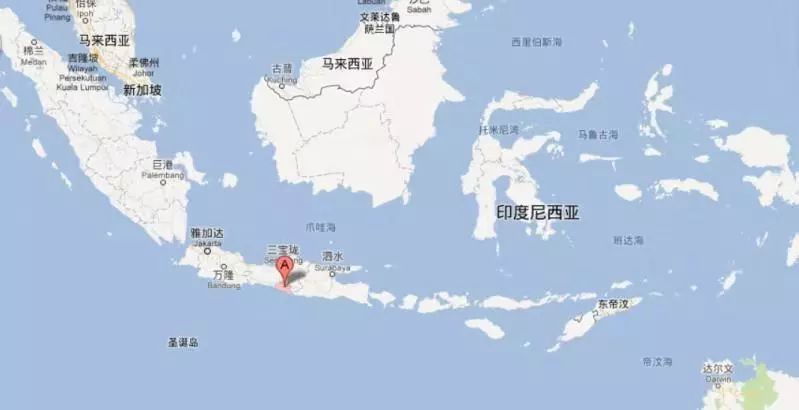
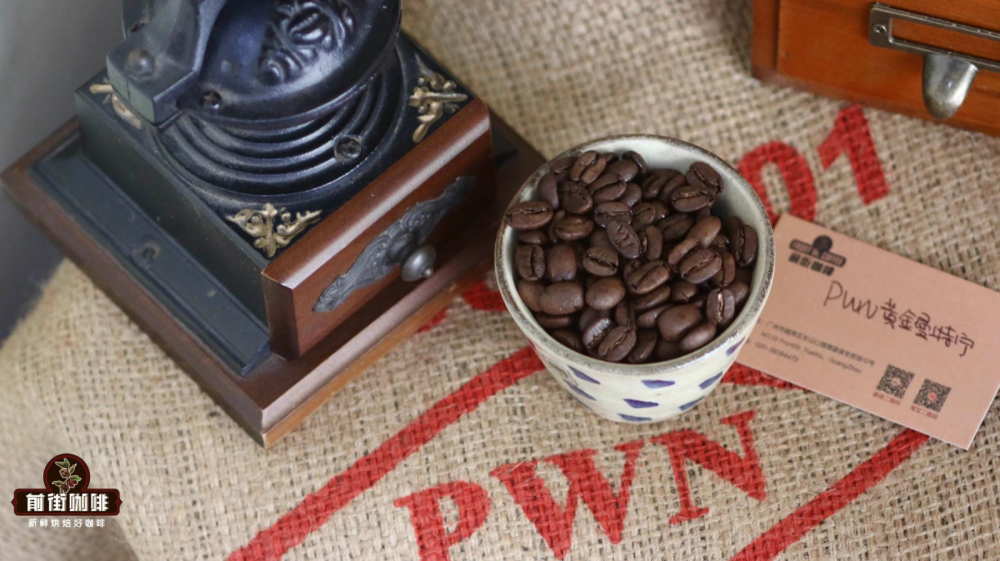
FrontStreet Coffee's Golden Mandheling beans come from PWN Company's Golden Mandheling, with the new harvest sourced from the Gayo Mountain in North Sumatra's Aceh region. After harvesting and drying, PWN Golden Mandheling undergoes one machine selection and three hand-picking passes, ensuring beans meet Grade 1 specifications (18 screen or larger, with fewer than 3 defects in a 300g raw-bean sample). PWN beans are deep green and flat in shape.
Golden Mandheling Coffee Varieties
FrontStreet Coffee's Lintong Mandheling variety is labeled Tim Tim Ateng, while Golden Mandheling is simply labeled Ateng. Ateng is a hybrid between Arabica and Robusta with several sub-varieties, widely cultivated in Sumatra and other Indonesian islands. What Indonesians call Tim Tim is what we refer to as Timor, a branch of Catimor, while Ateng is the local name.
Golden Mandheling Coffee Processing Method
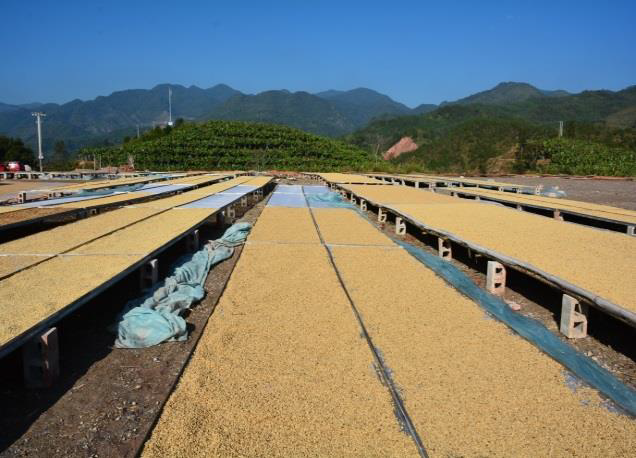
Mandheling coffee's wet-hulling process is unique in the world. Sumatra, Indonesia's largest island, sits on the equator and features a tropical rainforest climate with high temperatures, humidity, and abundant rainfall. Small-scale farmers typically grow coffee in wild mountain areas. While Sumatra has abundant water and consistently warm weather, frequent rain and typhoons prevent the sunny conditions needed for natural processing. Limited local resources also make expensive washed processing impractical, which led to the development of the distinctive wet-hulling method.
Brewing Parameters for Golden Mandheling Coffee
FrontStreet Coffee breaks the brewing process into four key factors: water temperature, grind size, coffee-to-water ratio, and brewing technique.
1. Water Temperature
FrontStreet Coffee selects different water temperatures for pour-over based on roast level. During roasting, compounds within the beans are lost as roast depth increases. To avoid extracting excessive bitterness from dark-roasted beans, we use lower temperatures. For light to medium roasts, FrontStreet Coffee recommends 90-91°C, while medium-dark roasts work best at 88-89°C.
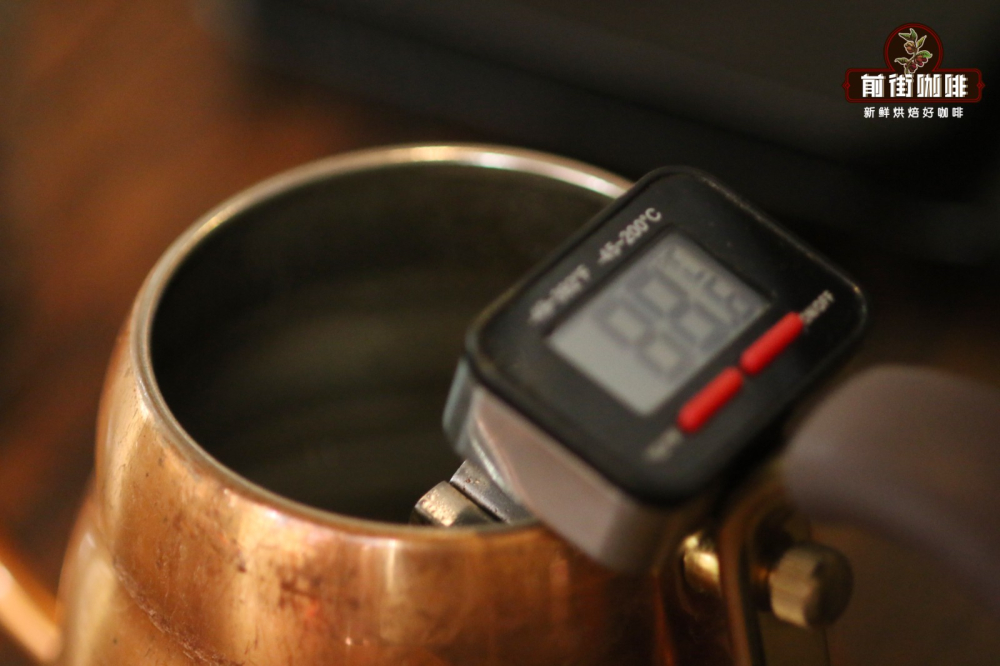
This Golden Mandheling is renowned for its rich, full-bodied character. To highlight that richness, FrontStreet Coffee uses a medium-dark roast.
2. Grind Size
Coffee grind size relates to roast level. Grind size refers to the size of the coffee particles and affects the contact time between coffee and water. Finer grinds let water extract more compounds in the same time but risk over-extraction. Coarser grinds extract fewer compounds but may lead to under-extraction.
Since everyone's grinder differs, parameters vary. FrontStreet Coffee recommends buying a No. 20 cupping calibration sieve (0.85mm aperture). Take 10g of beans, grind them at a general setting, then sift through the sieve. Weigh the sifted coffee (continue sifting until no more passes through).
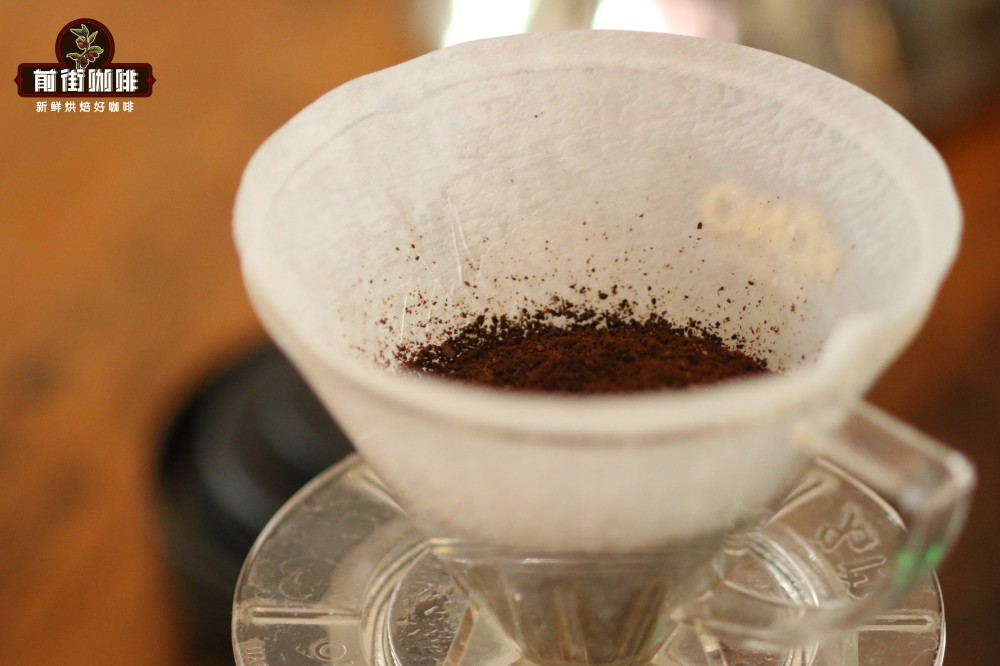
A 70-75% pass rate (7-7.5g from 10g) indicates the optimal grind size. For pour-over, light roasts should reach an 80% pass rate while medium-dark roasts should reach 75%. If the pass rate exceeds the target, adjust coarser; if it is below target, adjust finer.
3. Coffee-to-Water Ratio
FrontStreet Coffee derives these pour-over parameters from SCAA Golden Cup extraction theory:
Rich Flavor: 1:10-1:11 (equivalent to Golden Cup standard 1:12.5-1:13.5)
Medium Flavor: 1:12-1:13 (equivalent to Golden Cup standard 1:14.5-1:15.5)
Light Flavor: 1:14-1:16 (equivalent to Golden Cup standard 1:16.5-1:18.5)
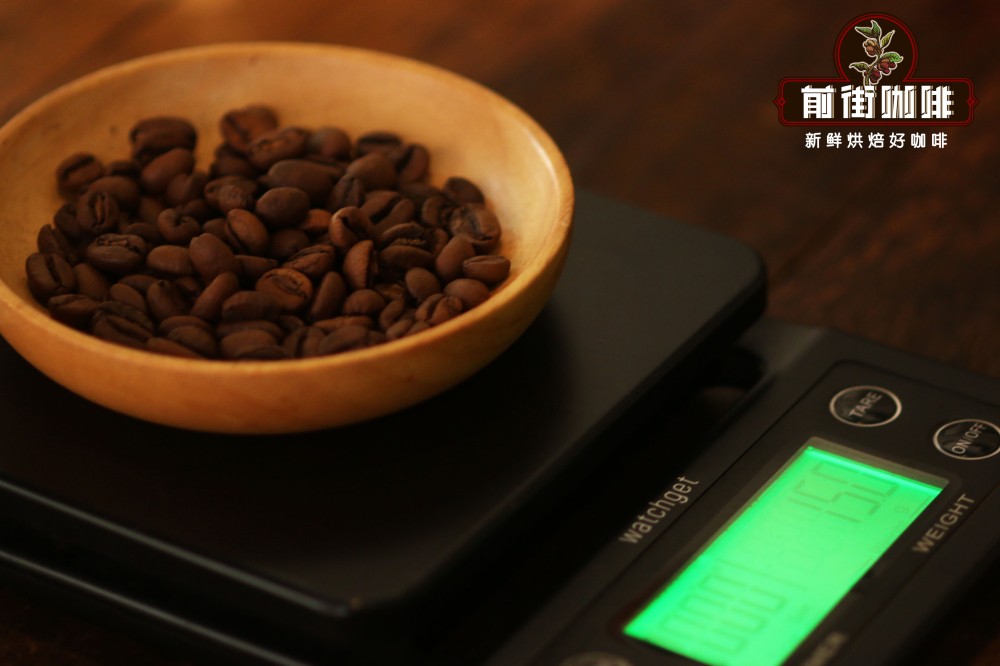
A coffee-to-water ratio of 1:14.5-1:15.5 most easily achieves a Golden Cup extraction rate of 18-22% and a concentration of 1.15-1.35%.
FrontStreet Coffee therefore recommends the reliable 1:15 ratio when brewing this Golden Mandheling.
4. Brewing Technique
Finally, brewing technique is crucial. Common methods include the three-stage pour, single-stream pour, and drip-by-drip pouring. FrontStreet Coffee recommends beginners use the three-stage pour, as it works well for light, medium-light, and medium-dark beans. This segmented extraction clearly presents the coffee's front, middle, and back-end flavors, ensuring full flavor development. Now FrontStreet Coffee will teach you how to perform the three-stage pour.
Three-Stage Pour Method (FrontStreet Coffee's Method for Golden Mandheling)
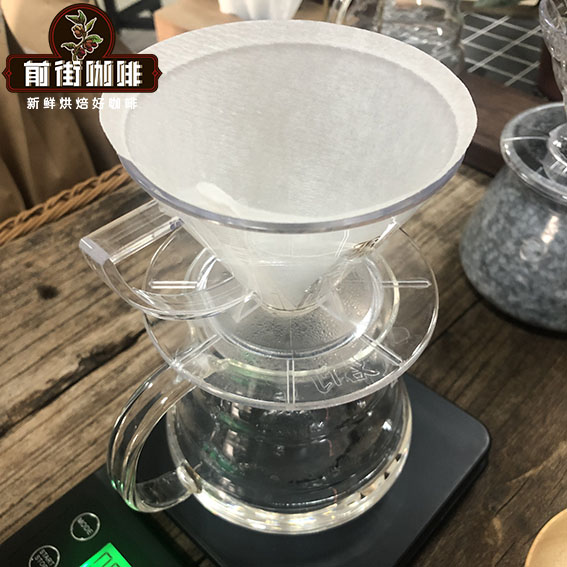
FrontStreet Coffee believes Golden Mandheling's quality lies in its balance of acidity, sweetness, and bitterness, with excellent body. For roasting, FrontStreet Coffee chose a medium-dark roast to highlight the coffee's nutty, pine, and herbal notes. Using a KONO dripper enhances body. Brewing parameters: 88°C water temperature, 1:15 ratio, 15g coffee, 75% pass rate on a Chinese No. 20 sieve.
First Pour: Bloom (to release gases)
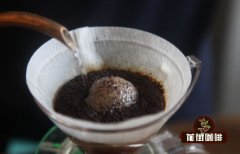
First, wet the KONO dripper to ensure better filter contact. Pour out the water from the server and add 15g of coffee grounds. Bloom with 30g of water for 30 seconds. Many enthusiasts don't understand why blooming is necessary in pour-over. During roasting, green beans undergo chemical and physical changes, and at certain roast levels the beans accumulate large amounts of gas (mostly carbon dioxide).
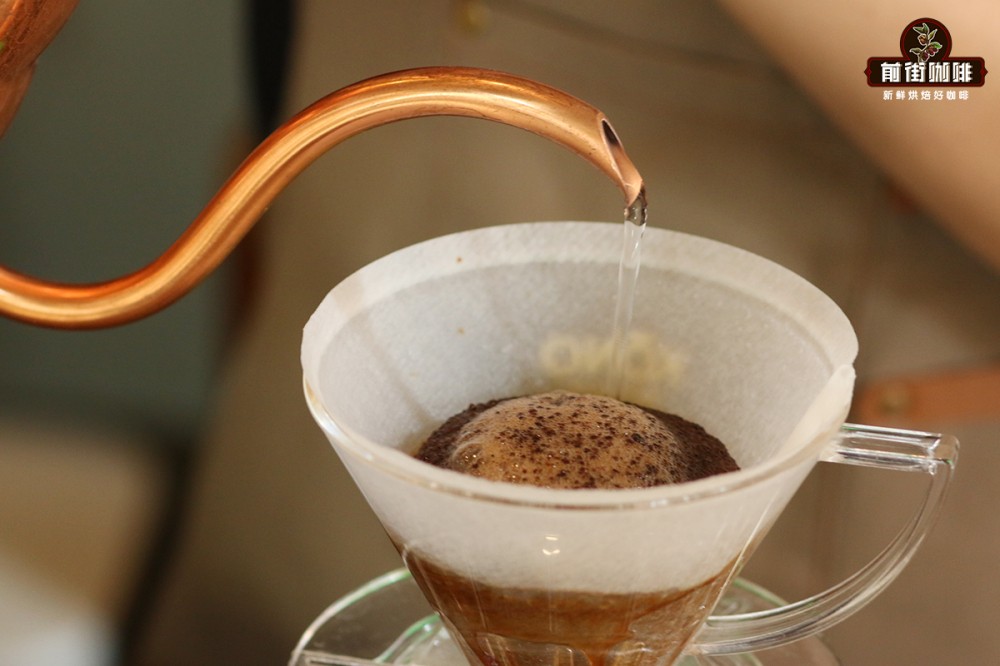
Generally, fresher beans produce more bubbles during blooming, and dark-roasted beans release more gas than light-roasted beans. FrontStreet Coffee's beans are freshly roasted, so we typically recommend customers let them rest for 3 days to release carbon dioxide first, avoiding unstable extraction and under-extraction during brewing.
After blooming releases gases, coffee particles can absorb water evenly, ensuring even extraction later. Good blooming lets the grounds exhaust gases quickly and uniformly while ensuring thorough water contact—these are the purpose and significance of blooming in pour-over coffee.
Second Pour
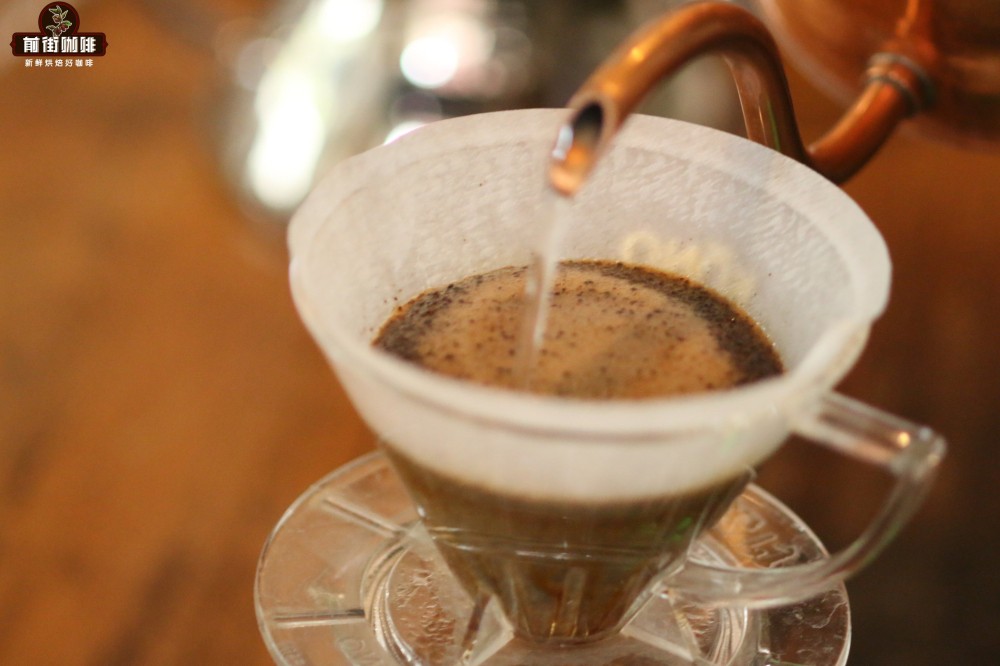
After 30 seconds of blooming, perform the second pour. Start with small circular pours in the center until reaching 125g. To concentrate the water column's penetrating power, keep the circular motion small (about the size of a coin), then expand outward. During this pour, keep the water level below the coffee bed height—stop pouring when the water column approaches the filter paper.
Third Pour
When the coffee bed drops to half the dripper height, begin the third pour using the same technique until reaching 225g. Remove the dripper when dripping completes.
From the third pour onward, observe the water level drop rate. Start from the center with circular motions, keeping water below the coffee bed height. You will notice foam covering the surface. The third pour should increase coffee particle agitation to stir settled particles, dissolving soluble substances.
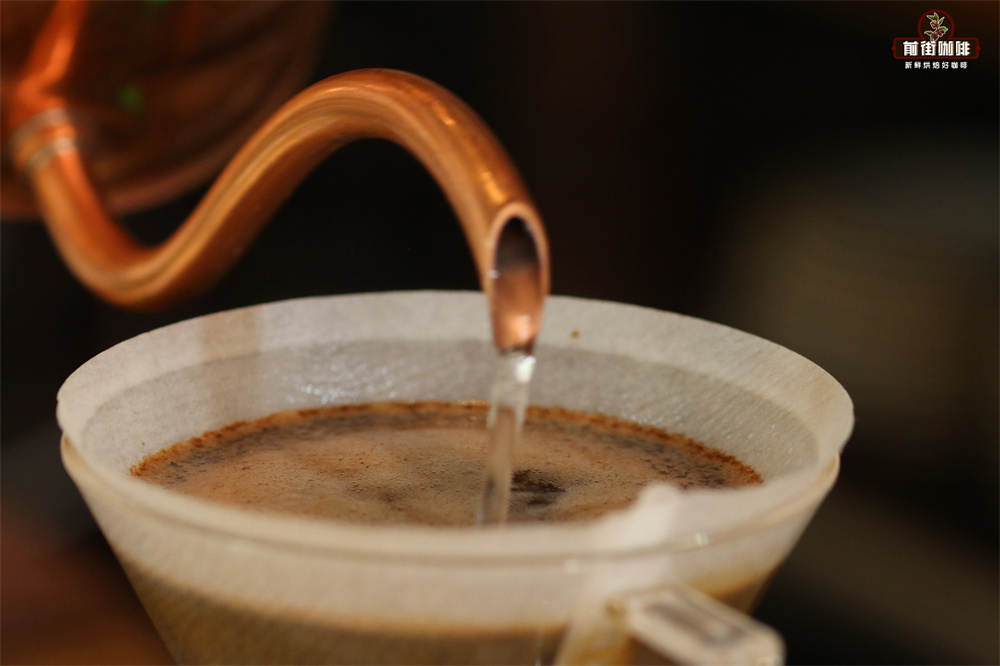
Agitated particles settle when water stops. The falling water level creates a flow rate that generates friction between coffee particles. Once water stops, coffee particles sink and cause blockages. Pay special attention to pouring rhythm. Too many interruptions mean coffee particles soak continuously in water, leading to astringency and bitterness in the final extraction.
Start timing from the first pour, with a total extraction time of 2'00". Finally, stir the entire server and pour into cups for tasting.
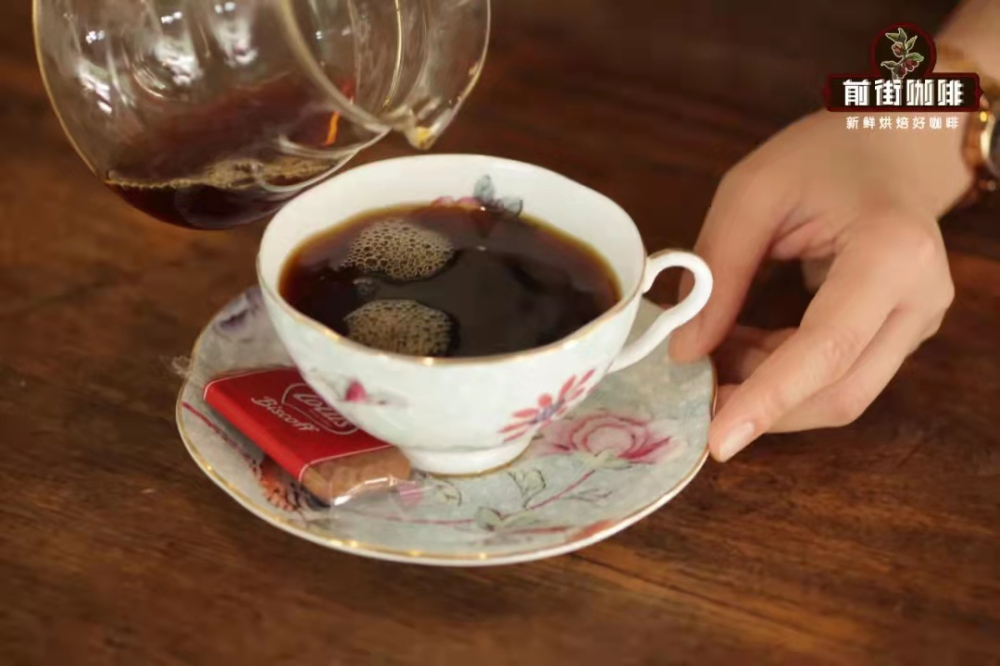
PWN Golden Mandheling Flavor Profile: Multi-layered complexity, rich and clean, with intense nutty and caramel aromas, chocolate notes, a lasting aftertaste, and excellent balance.
FrontStreet Coffee's Brewing Recommendations
To brew delicious coffee, you need quality equipment, premium beans, and proper bean resting. While you can brew unrested beans, they won't showcase their full potential. Only properly rested beans reveal their perfect flavors.
FrontStreet Coffee has always believed bean freshness is crucial for brewing. FrontStreet Coffee ships beans within 5 days of roasting because freshness significantly impacts flavor. Our roasting philosophy is "Freshly Roasted Quality Coffee," ensuring every customer receives the freshest coffee possible. The optimal resting period is 4-7 days, so customers receive beans at their flavor peak.
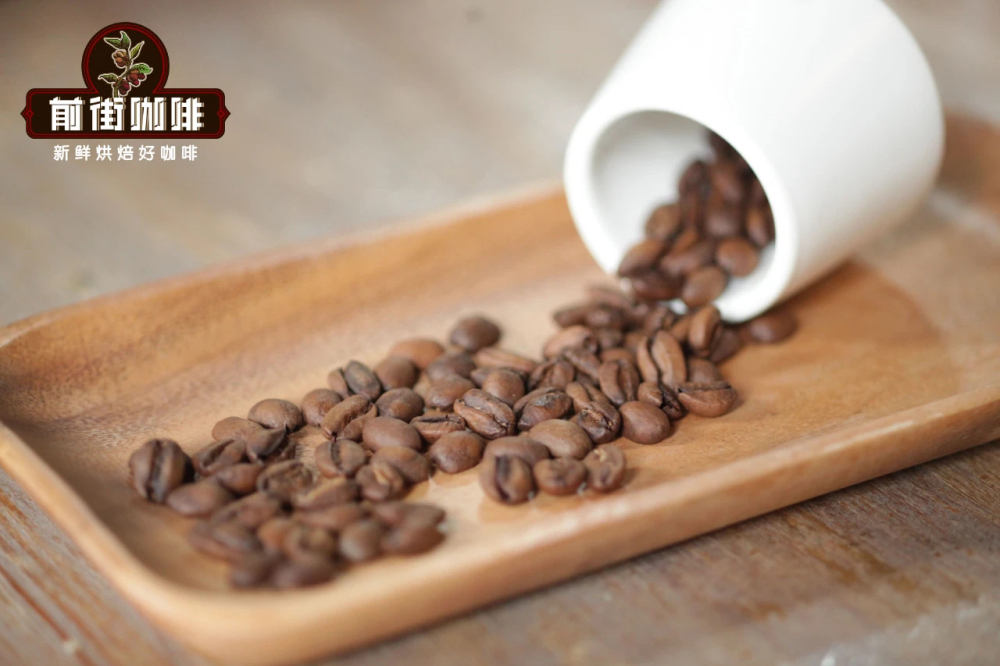
Some customers request pre-ground coffee, which is fine. However, FrontStreet Coffee reminds you: pre-ground coffee doesn't need resting, as carbon dioxide pressure during shipping helps mellow the flavor, so you can brew immediately upon receiving it. Ground coffee should still be used quickly, because it oxidizes rapidly and flavors dissipate faster. FrontStreet Coffee therefore recommends buying whole beans and grinding fresh for each brew to better appreciate coffee's flavors.
Whatever brewing method you choose, with practice you can extract the perfect flavors from coffee beans. Enjoying a delicious coffee at home is truly a pleasant experience!
For professional coffee knowledge exchange and more coffee bean information, please follow Coffee Workshop (WeChat official account: cafe_style)
For more specialty coffee beans, add FrontStreet Coffee's private WeChat: qjcoffeex
FrontStreet Coffee Recommendation
The wet-hulled process behind this Golden Mandheling is the same method that created Sumatra's signature profile. Sumatra, Indonesia's largest island, provides the setting: humidity of 70-90%, rainfall above 2000mm, and frequent typhoons make the two-to-three-week natural drying used in Africa impossible, and washed processing costs too much water and labor for ordinary farmers. So growers remove the parchment while the bean is still semi-dry and expose it to the air to speed drying—absorbing airborne microbes along the way, which is where Mandheling's uniquely wild flavor comes from. Only Aceh and North Sumatra, among Sumatra's eight provinces, grow Arabica at high altitude on a large scale.
FrontStreet Coffee's top recommendation for the wet-hulled style is the PWN Golden Mandheling, produced by Indonesia's PWN company: beans of 18 screen or larger with fewer than 3 defects per 300g raw-bean sample qualify for G1, and after machine selection and three hand-picking passes it shows uniform, plump, translucent beans with a low defect rate. Given a medium-dark roast, it carries abundant roasting aroma, a clean cup, and a full body—perfect for those who dislike acidic coffee. FrontStreet Coffee's Lintong Mandheling, from the traditional Lintong area around Lake Toba, is likewise medium-dark roasted and wet-hulled, tasting strong and stimulating with clove and woody aromas, low acidity, spice and mint notes, and a powerful, lasting sweetness.
For pour-over, FrontStreet Coffee suggests 87-88°C water, 15g of coffee, a 1:15 ratio, a coarse-sugar grind, and a three-stage pour—blooming with 30ml to wet the grounds and release gas, then 100ml to bring out the golden foam and lift the bed, and finally a gentle 95ml center pour to raise sweetness, yielding a thick body with caramel sweetness and chocolate, nutty notes. For the espresso machine, FrontStreet Coffee's Classic Blend adds a medium-dark Mandheling to Brazilian creamy nuttiness for prominent butter, roasted chestnut, and caramel notes; the Mandheling lifts the coffee's body and adds sandalwood, herbal, and spice character, while a small amount of Robusta enriches the crema for latte art or a layered Dirty.
Important Notice :
FrontStreet Coffee is a long-established specialty coffee roaster in Guangzhou China, selling freshly roasted beans from its own farm in Yunnan as well as dozens of carefully selected single-origin beans from around the world for both pour-over and espresso. The products deliver consistently excellent quality and great value, with shipping within 24 hours. Guangzhou's FrontStreet Coffee shop is recommended by many coffee lovers, and the beans are now available online at the Tmall 。
FrontStreet Coffee has moved to a new address:
FrontStreet Coffee Address: 315,Donghua East Road,GuangZhou
Tel:020 38364473
 Scan and follow the En Gafei WeChat official account. Please indicate that the reprint comes from "En Gafei".