How to Drink Bourbon Coffee - Basic Characteristics of Yellow Bourbon Coffee Beans
FrontStreet Coffee · Brazilian Yellow Bourbon Flavor Characteristics and Tasting Methods
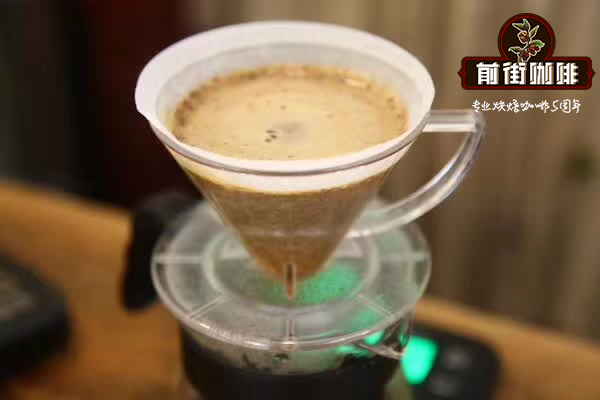
Yellow Bourbon is a unique Bourbon variety from São Paulo state, Brazil. It's named for the way its fruit ripens not to red but to a bright orange-yellow. Grown at high altitudes, it shows outstanding flavor — it once dominated Brazil's Cup of Excellence for two consecutive years, with Yellow Bourbons sweeping nearly all of the top three prizes and causing a sensation in the specialty coffee world!
FrontStreet Coffee's Brazilian Yellow Bourbon typically shows nuts and chocolate, with balanced, smooth acidity and a faint, clean bitterness — an overall bright and refreshing cup!
Coffee Tasting
1. Aroma
Dry Aroma:
Bring freshly ground coffee close to your nose and you'll pick up different dry aromas from different origins. Latin American coffees tend toward nut and dark chocolate notes, while African coffees lean floral and fruity.
Wet Aroma:
Pour the brewed coffee into a cup, close your eyes, and slowly smell the wet aroma — you may find nuts, chocolate, fruit, or flowers in there.
2. Tasting Flavors
Once coffee enters your mouth, you can start reading its flavors. Many enthusiasts — especially beginners — feel that coffee never tastes as good as it smells. True, reading flavor in liquid takes practice, but with time the individual notes do emerge.
Another key skill is learning to separate coffee's sweetness, saltiness, acidity, and bitterness.
Body is the mature, mellow richness of the liquid itself. The difference between a glass of water and a cup of coffee is that water has no flavor or viscosity, while an oil-rich espresso has excellent thickness. A coffee with good body holds its aromas in the mouth longer, with a more extended aftertaste.
Body shapes not just the overall experience but also how completely the coffee releases its aromatic compounds. Most cuppers and drinkers can't clearly articulate which mouthfeel is "good" — but everyone knows which ones they like. In the end, judgment of body is personal.
Sweetness
Sweet coffee is like fruit — the beans carry sugars of their own. Even in a black coffee, behind the acidity or bitterness there should be sweetness. Different beans hold their sweetness differently on the finish; there's no better or worse, only preference. But if the aftertaste is dry and astringent, that points to poor-quality beans.
Cleanliness
A coffee's astringency doesn't need to be eliminated so much as kept in check — how much depends on the drinker. A cup with muddled flavors or negative off-notes isn't clean.
Bitterness
Specialty coffee never tastes of simple "bitterness." What we usually call bitterness is the pleasant bite within nut, dark chocolate, and caramel flavors.
Acidity
"Sweetness is easy; good acidity is rare." Quality acidity is contained within the coffee, never sharp or shrill. Fine coffees are full of organic acids that read as citrus, berries, and the like — the quality of that acidity is a defining factor in specialty coffee.
Saltiness
Saltiness comes in several forms. An aroma can evoke heavily salted food — stir-fries gone heavy-handed, or the bottom of an empty cup that smells faintly of salty snacks like shrimp crackers. On the palate it simply tastes of salt.
When brewing pour-over or espresso, I can occasionally taste and "smell" that saltiness (in the dry fragrance after grinding); most of the time, though, it shows up more prominently in espresso.
FrontStreet Coffee Recommendation
Brazilian coffee, with its moderate acidity and lovely balance of sweetness, bitterness, and body, is ideal for a medium roast that fills the room with nutty aroma — usable as a single origin or in blends. If you want a classic introduction, FrontStreet's pulped-natural Cerrado Red Bourbon shows creamed peanut, toast, caramel, and hazelnut at a medium roast, round and smooth with only a whisper of bitterness, and works equally well as pour-over, moka pot, siphon, French press, or SOE espresso. For the variety in the spotlight here, FrontStreet's Fazenda Rainha Yellow Bourbon from Mogiana — grown in fertile red volcanic soil — offers a clean sugarcane sweetness plus fruit and chocolate notes you won't find in other origins.
Brazil's low acidity and stable extraction also make it the backbone of FrontStreet's espresso lineup: the Classic Blend and Commercial Blend add a touch of robusta to the traditional Italian formula for butter, nut, spice, dark chocolate, and toast notes with a thick golden crema, while the Boutique Blend and Black Cocoa Blend lean on a large proportion of Brazilian beans for that comfortable bittersweet, creamy-peanut character — with the Boutique Blend adding Colombian nut, chocolate, and caramel tones.
Important Notice :
FrontStreet Coffee is a long-established specialty coffee roaster in Guangzhou China, selling freshly roasted beans from its own farm in Yunnan as well as dozens of carefully selected single-origin beans from around the world for both pour-over and espresso. The products deliver consistently excellent quality and great value, with shipping within 24 hours. Guangzhou's FrontStreet Coffee shop is recommended by many coffee lovers, and the beans are now available online at the Tmall 。
FrontStreet Coffee has moved to a new address:
FrontStreet Coffee Address: 315,Donghua East Road,GuangZhou
Tel:020 38364473
 Scan and follow the En Gafei WeChat official account. Please indicate that the reprint comes from "En Gafei".