How Should You Drink El Salvador Chocolate Lover's Coffee? El Salvador Coffee Flavor Profile
Recently, FrontStreet Coffee sourced some beans from El Salvador's "Chocolate Lover" variety. The processing behind this bean is quite interesting: 50% washed and 50% honey. The approach lets the native Bourbon variety express different flavors through different processing methods, presenting a multi-layered, milk-like smoothness with added cocoa and chocolate notes, creating the "Chocolate Lover" profile.
During cupping, this bean showed flavors of nuts, dark chocolate, cream, berries and caramel. One might wonder what flavors it would reveal when pour-over brewed.
Bean Information
Origin: El Salvador, Santa Ana Estate
Estate: Finca Guayabo Chocolate Lover Estate
Variety: Bourbon
Altitude: 1450 meters
Grade: SHB
Processing Method: 50% washed, 50% honey processed
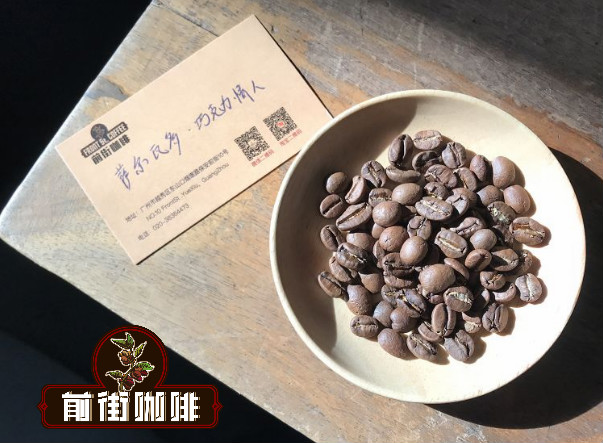
Combining 50% honey processing with 50% washed processing creates a single-origin coffee with real character. This is the flavor profile the estate set out to express, filling the coffee with chocolate and nut tones, which is why it is named the "Chocolate Lover" series.
Brewing
Hario V60
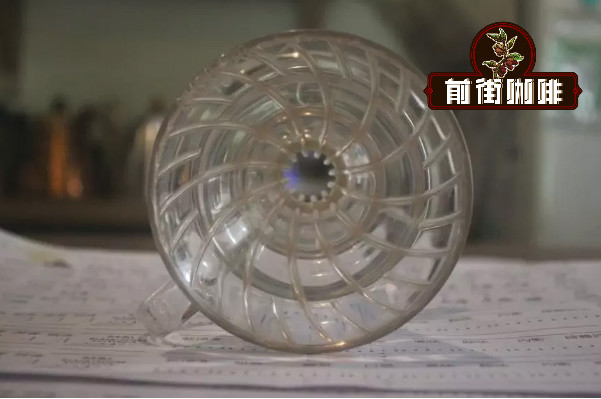
First, FrontStreet Coffee chose the Hario V60 for brewing. The V60's flow rate tends to be fast, since its design focuses on how quickly the water level drops, letting the grounds extract more fully. The internal ribs use a curved, vortex-like structure that speeds the water flow, running from the bottom to the top, ensuring smooth exhaust and lengthening the water's path so the grounds and water stay in contact longer.
Even with the same beans and parameters, different brewing techniques extract different flavors. Today FrontStreet Coffee will share two brewing techniques. The parameters stay the same for both, only the pour-over method changes.
Parameters: 15g of coffee, medium-fine grind (BG6T: 58% pass-through rate on China standard #20 sieve), water temperature 90°C, 1:15 coffee-to-water ratio.
Segmented Extraction
As the name suggests, this method pours water in several segments. After the bloom, the water is divided into two to three pours. We noted earlier that the V60's flow rate tends to be fast, while segmented extraction can slow the flow somewhat and increase extraction from the grounds. Coffee brewed this way has richer layers, clearly revealing the front, middle and back-end flavors. It also makes it easier to keep the water from escaping along the filter's edge, reducing instability in pour-over brewing. The downside is that it demands relatively more skill in controlling flow rate and water volume.
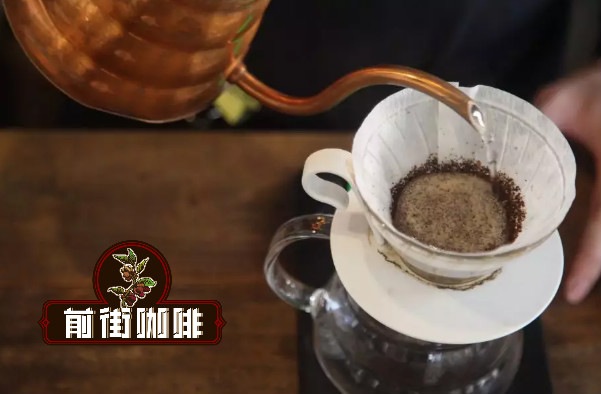
Technique: Use twice the coffee weight in water (33g) for a 30-second bloom, pour with a small stream to 120g in segments, increase the flow slightly when the water level is about to expose the coffee bed and pour to 226g, then stop. Remove the filter when the water level in the dripper is about to expose the bed. (Timing starts from the bloom.) Extraction time: 1'50".
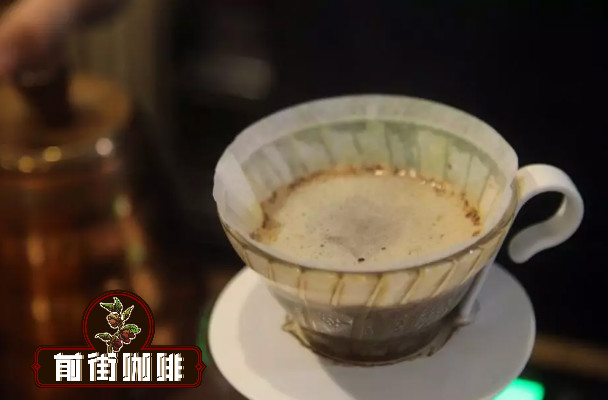
Flavor: The wet aroma is fruit-forward. On the palate there are notes of citrus, lime, chocolate, cream, nuts and cane sugar. The overall fruity character is more pronounced and refreshing.
Single Stream
Single stream means pouring continuously without stopping after the bloom. This technique is quite basic. It mainly controls the pouring amount and the flow rate, achieving full-segment extraction without losing balance. A careless pour can disrupt the coffee's overall balance.
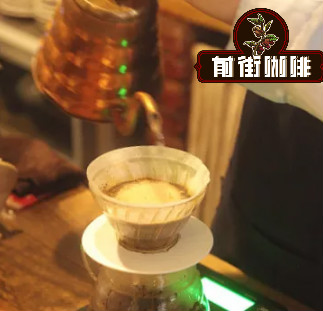
Technique: Use twice the coffee weight in water (32g) for a 30-second bloom, pour directly to 226g then stop. Remove the filter when the water level in the dripper is about to expose the bed. (Timing starts from the bloom.) Extraction time: 1'40".
Flavor: The wet aroma carries a light fermented note. On the palate there are citrus, almond, chocolate and honey sweetness. Overall it tends toward balance, with more pronounced sweetness.
KONO Filter
Because this bean's flavors leaned toward chocolate and nuts in cupping, FrontStreet Coffee decided to brew a pot with the KONO filter. The KONO has shorter ribs, a tighter fit between filter and paper, limited exhaust space and a slower flow rate, which increases the contact time between grounds and water and lets the grounds steep. That yields a more even extraction, with restrained aroma, better body in terms of thickness and a fuller, rounder sweetness.
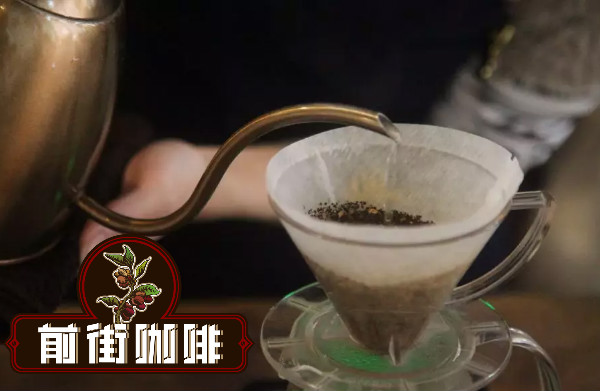
Parameters & Technique: 15g of coffee, medium grind (BG7I: 50% pass-through rate on China standard #20 sieve), water temperature 90°C, 1:15 coffee-to-water ratio.
Technique: Use twice the coffee weight in water (33g) for a 30-second bloom, pour with a small stream to 120g in segments, increase the flow slightly when the water level is about to expose the coffee bed and pour to 225g, then stop pouring. Remove the filter when the water level in the dripper is about to expose the bed. (Timing starts from the bloom.) Extraction time: 2'05".
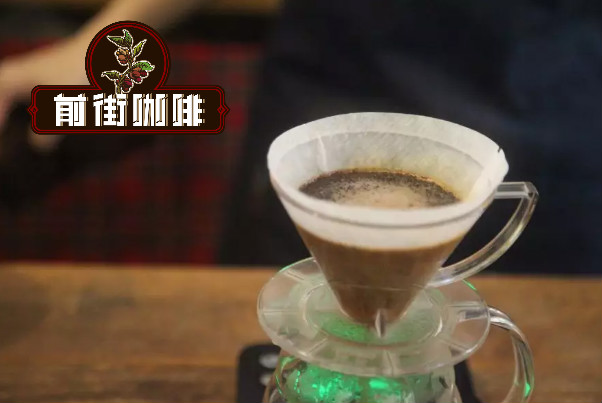
Flavor: Citrus, nuts, cream, chocolate and honey. The mouthfeel is relatively thick, with more pronounced sweetness.
1. Flavor descriptions vary by individual and are influenced by water temperature and brewing method. This cupping report offers descriptions limited by the flavor wheel under identical brewing equipment and parameters and is for reference only.
2. Content will be updated promptly with new information. The latest update should be considered definitive.
Summary
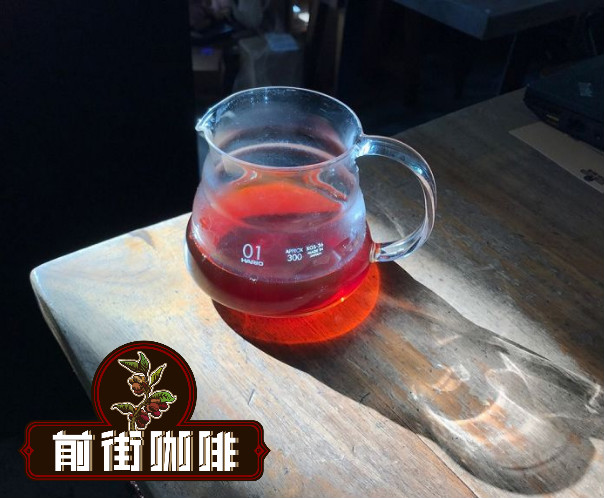
Different brewing devices use different extraction methods and produce different coffee flavors. The brewing technique also affects extraction from the grounds. Under the same parameters and equipment, different techniques produce different flavors.
FrontStreet Coffee Recommendation
For a chocolate-and-nut cup like the Chocolate Lover, a V60 or a slower dripper is the perfect stage, and FrontStreet's PWN Golden Mandheling is a natural fit. Sourced from Indonesia's PWN company, the beans are 18 screen or larger and hand-sorted three times, meeting the top G1 grade with fewer than 3 defects per 300 grams. Medium-dark roasted, it delivers black chocolate, caramel and a wild herbal edge with a thick, lasting sweetness.
If you prefer a nutty, lower-acid chocolate profile, FrontStreet Brazil Queen's Manor is a rare Yellow Bourbon from Mogiana, roasted medium for creamy peanut, chocolate, toasted bread and sugarcane sweetness with a rounded texture. And for balance in the classic mold, FrontStreet Jamaica Blue Mountain No.1 layers cream, caramel, chocolate and nuts with a soft, clean finish that suits both a V60 and a moka pot.
Important Notice :
FrontStreet Coffee is a long-established specialty coffee roaster in Guangzhou China, selling freshly roasted beans from its own farm in Yunnan as well as dozens of carefully selected single-origin beans from around the world for both pour-over and espresso. The products deliver consistently excellent quality and great value, with shipping within 24 hours. Guangzhou's FrontStreet Coffee shop is recommended by many coffee lovers, and the beans are now available online at the Tmall 。
FrontStreet Coffee has moved to a new address:
FrontStreet Coffee Address: 315,Donghua East Road,GuangZhou
Tel:020 38364473
 Scan and follow the En Gafei WeChat official account. Please indicate that the reprint comes from "En Gafei".