Introduction to Papua New Guinea Coffee Bean Varieties and Island Nation Coffee Growing Conditions

When people think of Blue Mountain coffee, they naturally think of Jamaica. Yet when the subject turns to Papua New Guinea's "Little Blue Mountain" beans, FrontStreet Coffee has found that many coffee lovers are unfamiliar with the variety. This article introduces the characteristics and stories behind Papua New Guinea coffee beans.
Coffee Bean Cultivation History in Papua New Guinea
According to FrontStreet Coffee's research, Papua New Guinea introduced Typica coffee trees from Jamaica in 1931. At the time Papua New Guinea was a British colony, and Britain had already held Jamaica for nearly 300 years. Jamaica's most representative coffee is the Typica variety of Blue Mountain. Because Australia also enjoyed friendly relations with Britain, it was quite logical for Papua New Guinea to introduce Typica. This is why Papua New Guinea beans came to be known as "Little Blue Mountain" coffee.
By 1950, Papua New Guinea had also introduced Bourbon coffee beans from Kenya. Coincidentally, Kenya was a British colony at that time too. With government encouragement for open cultivation, the coffee industry grew significantly during the 1970s-80s.
In 1962 Papua New Guinea introduced Mundo Novo and Caturra varieties from Brazil, marking a significant leap in the quality of its coffee beans. So even though the 1975 frost destroyed most coffee crops in Brazil, it actually stimulated the development of Papua New Guinea coffee. The government funded rural areas to establish about 20 hectares of coffee plantations, increasing the reach of coffee cultivation in the local economy. By 1990 annual production had reached 1 million bags.

This is also why single-origin Papua New Guinea beans are easy to find today.
Coffee Bean Cultivation Conditions in Papua New Guinea
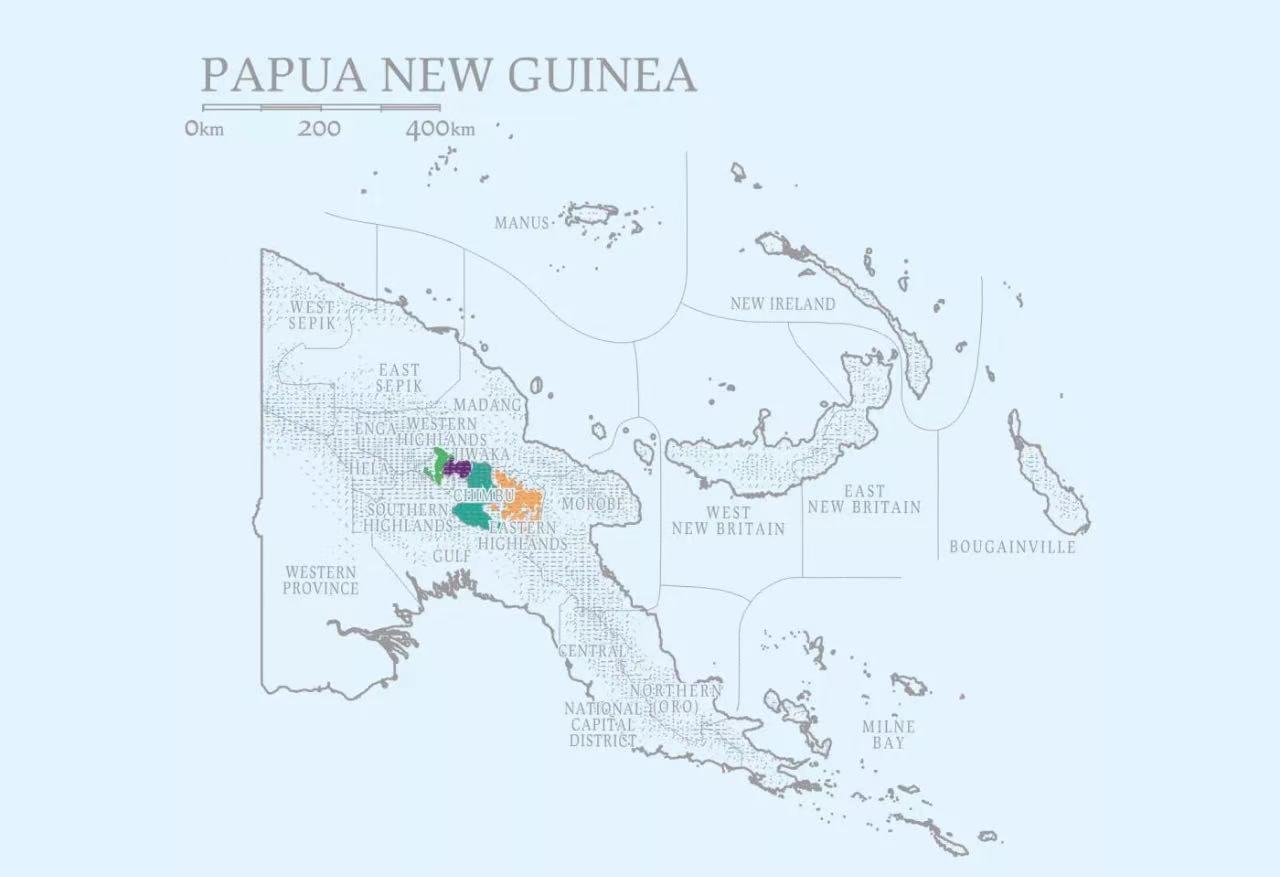
According to FrontStreet Coffee's understanding, Papua New Guinea borders Indonesia, and in the highlands coffee is the only economic crop. More than 2 million small farmers in the country rely on coffee for their livelihood. The coffee produced is distributed mainly across mountainous areas at altitudes between 1,500 and 1,900 meters. This region boasts picturesque scenery, abundant rainfall, and volcanic soil, making it ideal for cultivating high-quality Arabica beans.
Most of the country's territory also lies on the island of New Guinea, with a straight dividing line splitting the island into an eastern and a western half: the west belonging to Indonesia and the east to Papua New Guinea. Because of its lengthy name, it is commonly shortened to "Papua" or its English abbreviation "PNG." Another reason FrontStreet Coffee calls its beans "Little Blue Mountain" is that Papua New Guinea's cultivation environment, altitude, and precipitation are remarkably similar to Jamaica's Blue Mountains.

Furthermore, the Typica introduced from Blue Mountain quickly adapted to the island environment of New Guinea. From both the variety and the island-type environment, it truly deserves the name "Little Blue Mountain." Papua New Guinea's growing regions (6° south latitude) are closer to the equator than the Blue Mountains (approximately 18° north latitude). Through cupping, however, FrontStreet Coffee found that while its flavor profile differs slightly from Blue Mountain, Papua New Guinea coffee adds sweet-and-sour notes of dark fruits.
Papua New Guinea Coffee Bean Varieties
FrontStreet Coffee has frequently noted in earlier articles that a bean's flavor profile is determined by growing region (cultivation conditions, soil, climate, and so on), variety, and processing method. As mentioned above, Papua New Guinea beans are called "Little Blue Mountain" beans because the country uses Typica introduced from Blue Mountain. So what are the characteristics of Typica?
Typica Coffee Beans
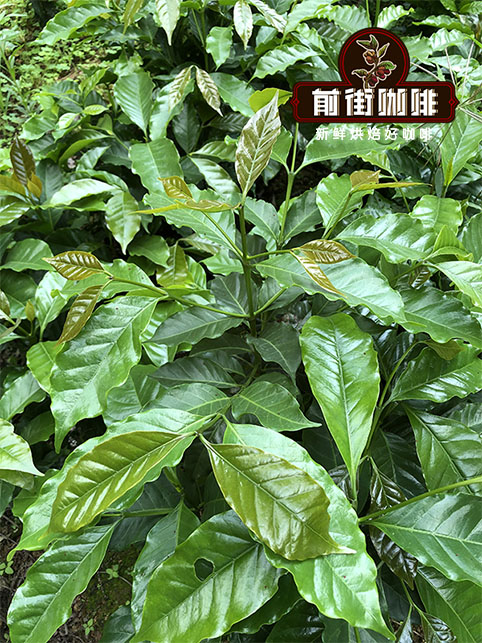
Typica is the most classic high-quality Arabica variety, and many of today's commercial improved varieties descend from it. Typica beans show excellent flavor expression and are recognized as a specialty coffee variety, but they yield extremely little and are susceptible to rust disease, requiring more intensive human management. Typica originates from Ethiopia and southeastern Sudan and is the most widely cultivated coffee variety in the Western Hemisphere. The plants are relatively robust but not tolerant of strong sunlight. Typica's top leaves are bronze-colored, earning it the name "red-top coffee."
Papua New Guinea Coffee Bean Processing Methods
Experienced coffee lovers know that one of the most distinctive features of Blue Mountain beans is the use of washed processing. This method produces cleaner flavor profiles and a crisper mouthfeel, making it the best way to showcase a bean's inherent character, and it is also FrontStreet Coffee's favorite processing method. According to FrontStreet Coffee's understanding, "Little Blue Mountain" beans also use washed processing, but Papua New Guinea's local washing method differs from the washing used in Central and South America. The process is as follows:

Papua New Guinea beans undergo three-stage washed fermentation, with each soak lasting approximately 24 hours, and clean water is replaced to control the coffee's flavor. After washing, the green beans are hulled and then pass through various grading stages. This meticulous post-processing brings bright, delicate fruit acidity to the coffee, with a clean and lingering sweetness.
The content compiled by FrontStreet Coffee above covers the characteristics and stories of Papua New Guinea coffee beans and the favorable natural conditions for coffee cultivation in Papua. Next, FrontStreet Coffee shares a coffee bean it imported from Papua New Guinea.

FrontStreet Coffee: Papua New Guinea Bird of Paradise Coffee Beans
Estate: Bird of Paradise Estate
Variety: Typica
Altitude: 1,600-1,800 meters
Processing Method: Washed
Bird of Paradise Estate
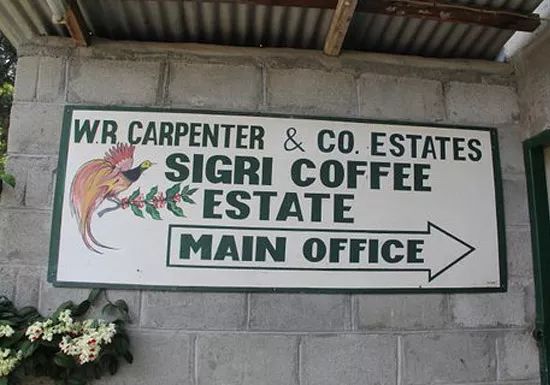
The beans FrontStreet Coffee introduces come from the Sigri Bird of Paradise Estate in Papua New Guinea. The estate's name is tied to Papua New Guinea's culture. According to FrontStreet Coffee's understanding, the country's people regard the beautiful bird of paradise as a symbol of freedom and happiness and consider it a "divine gift."
The Typica beans from Sigri Bird of Paradise Estate, like migrating birds, traveled a long way from Jamaica's Blue Mountains to be cultivated in Papua New Guinea, carrying the same genetic lineage as Jamaican Blue Mountain. This Blue Mountain heritage is also why the Bird of Paradise beans are gaining attention. FrontStreet Coffee carefully selects every bean in the hope of finding unique characteristics and avoiding different beans that taste alike. This is why FrontStreet Coffee spends significant time on bean selection, roast-parameter adjustment, and many other stages. A bean may share similarities with others, but it must also have distinguishing features.
According to current records, more than 160 different bird species live in the Wahgi Valley, and 90 of them inhabit the Bird of Paradise Estate, including Papua New Guinea's national symbol, the bird of paradise, so the estate truly lives up to its name as a paradise for birds. Sigri Estate also earned the name Bird of Paradise Estate for this reason. The estate was established in 1950 and has been operating for more than 60 years, making it a pioneer of the local coffee industry. Bird of Paradise Estate is located in the Wahgi Valley of the Western Highlands Province, in high mountain terrain at about 1,600-1,800 meters, with mineral-rich volcanic soil, a cool climate, fertile ground, and abundant rainfall.
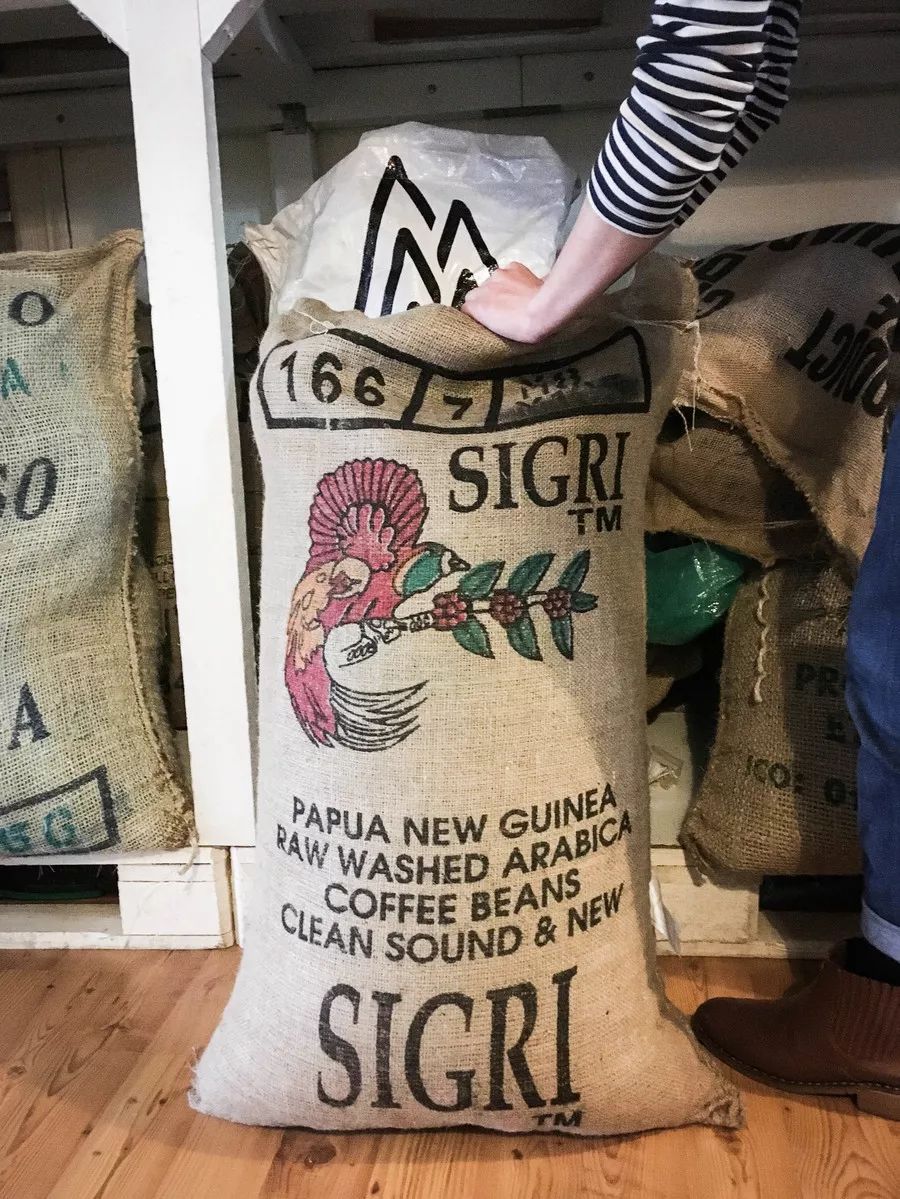
According to FrontStreet Coffee's understanding, Bird of Paradise Estate also places great emphasis on ecological protection, refusing to use pesticides or insecticides in order to protect soil and water and to care for the ecosystem and nearby birds. The estate has followed high-standard cultivation and processing systems for many years. During the harvest season from April to September each year, only fully ripe red cherries are hand-picked, ensuring a perfect balance of acidity and sweetness in the coffee berries.
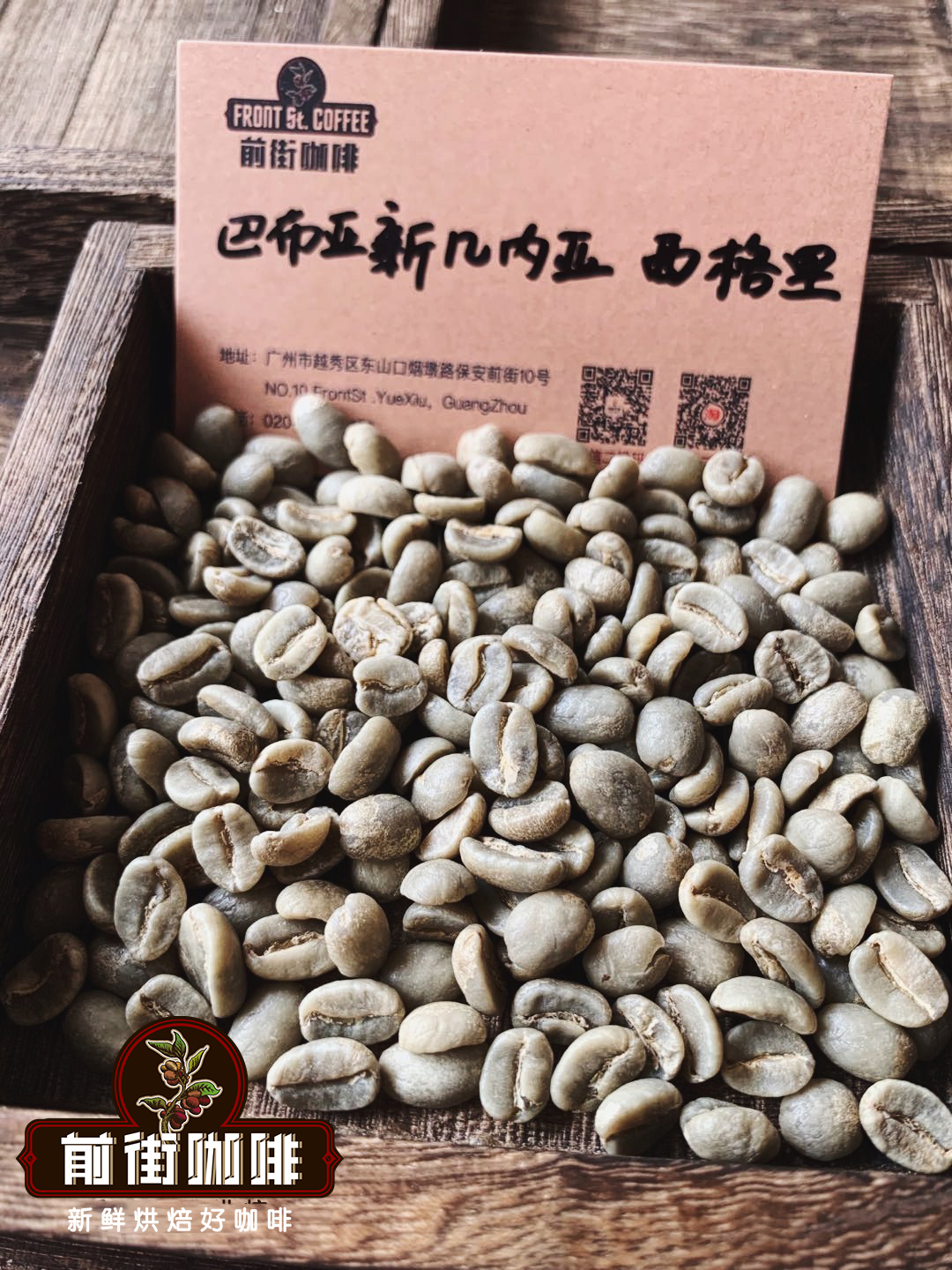
FrontStreet Coffee therefore believes that the beans produced by Sigri Estate truly live up to the name Bird of Paradise. FrontStreet Coffee also observed that the 2020-harvest beans were full and emerald green, with excellent bean appearance. This is one reason FrontStreet Coffee chose this estate's coffee: it values the estate's strict production chain, which ensures bean quality.
The content above covers the story of this coffee bean. Before introducing any new bean, FrontStreet Coffee conducts extensive roasting and brewing experiments. Next, FrontStreet Coffee shares the roasting curve and brewing parameters that best present this bean's flavor profile.
FrontStreet Coffee's Papua New Guinea Coffee Bean Roasting Curve
FrontStreet Coffee recommends a medium roast because Typica is a low-density green bean. To highlight its inherent refreshing acidity and fruit aroma, emphasis is placed on heat adjustment after first crack. Set the drum temperature to 170°C when loading, air damper at 3, heat at 140°C, with the temperature return point at 1'36"; when the temperature reaches 140°C, open the air damper to 4; roast to 6'25", at 151°C, when the bean surface turns yellow and the grassy aroma disappears completely, dehydration is complete at 176°C and the heat is reduced to 110.

The air damper changes to 4; at 180°C the heat is reduced to 90, the bean surface shows ugly wrinkles and black patterns, and the toast aroma clearly transforms into coffee aroma, which can be defined as the prelude to first crack. The heat then rises to 183.5°C, first crack begins at 10'08", and the air damper is fully open; at 188°C the heat is reduced to 60 with the air damper fully open (adjust the heat very carefully, not so low that cracking sounds stop, and control the temperature rise rate after first crack at around 6°C). First-crack development time is 3'00", and the beans are discharged at 198.5°C.
FrontStreet Coffee's Papua New Guinea Coffee Bean Cupping Report
FrontStreet Coffee cups within 8-24 hours after roasting the sample beans. Its baristas typically use 200 ml ceramic cupping bowls marked with 150 ml and 200 ml lines. Following SCAA standards, water TDS is around 150 ppm; too low a TDS can easily cause over-extraction, while too high a TDS affects mouthfeel and leads to under-extraction. Cupping water temperature is 94°C. Grind size is controlled to achieve a 70%-75% pass-through rate on a #20 standard sieve (0.85 mm). The ratio is 11 g of coffee powder to 200 ml of hot water, i.e., 1:18.18, producing a concentration within the 1.15%-1.35% golden-cup range. Steeping time is 4 minutes.

Dry Aroma: Caramel, citrus
Wet Aroma: Spices
Flavor: Citrus, nuts, cocoa, gentle fruit acidity, balanced sweet-and-sour notes
FrontStreet Coffee compared Bird of Paradise beans with Jamaican Blue Mountain through cupping. Bird of Paradise has a subtle spice aroma compared with Jamaican Blue Mountain. The balance of sweetness, acidity, and bitterness is somewhat similar to Jamaican Blue Mountain, but not as rich and full-bodied.
FrontStreet Coffee's Experience Brewing Papua New Guinea Coffee Beans

FrontStreet Coffee recommends a Kono dripper because its ribs are few and located at the bottom, allowing the filter paper to fit closely against the dripper and restrict airflow, thereby slowing the water flow and increasing water-coffee contact time. This uses immersion to extract more coffee solids, enhancing body and richness. Water temperature is set at 89°C, a relatively low brewing temperature that avoids extracting excessive bitterness from the beans, since the darker the roast, the more bitterness increases.
Dripper: Kono Coffee
Dose: 15g, water ratio 1:15
Grind Size: BG6w (#20 sieve 75% pass-through)
Water Temperature: 89°C

FrontStreet Coffee uses segmented extraction: pour 30 g of water for a 30-second bloom, continue with a small circling pour to 125 g for the second segment, and when the water level drops and is about to expose the coffee bed, continue pouring to 225 g and stop. When the water level drops and is about to expose the bed again, remove the dripper (timing starts from the bloom). Extraction time is 2'00".

Brewing Flavor: Toast sweetness, nutty sweetness, and a subtle fruit acidity creating a pleasant layered sweetness, with a special spicy-sweet aftertaste. It tastes rich and balanced, with sweet notes and bright acidity, and possesses fruit-like aromatics.
FrontStreet Coffee Recommendation
If Papua New Guinea's "Little Blue Mountain" story appeals to you, the classic reference point is FrontStreet's Jamaica Blue Mountain No.1, from the historic Clifton Estate. Clifton's cultivation and processing facilities sit at an average altitude of 4,300 feet (1,310.64 meters); the sufficient altitude, the gentle afternoon cloud that wraps the mountain forests and provides shade, ample sunlight, and mineral-rich soil all give the coffee trees excellent growing conditions and stretch out the ripening of the cherries. The result is the round, smooth mouthfeel and subtle floral notes that define a fine Blue Mountain.
Blue Mountain is prized for balance above all: it shows none of the fierce fruit acidity of some African coffees and none of the heavy bitterness of a dark roast, but instead strikes an exceptional balance among acidity, sweetness, bitterness, and aroma. A good cup layers cream, caramel, chocolate, nuts, honey, and a light fruit note, smooth and round on entry, rich with sweetness through the middle, and finishing clean and long. FrontStreet recommends brewing it with a Kono dripper to draw out that full body, using 15 g of coffee (rested 4-7 days from the roast date), a grind a little coarser than a light roast, roughly granulated sugar; 87-88°C water; and a 1:15 ratio. Pour in three stages: a 30 g bloom for 30 seconds, then to 120 g with a slow vertical circling stream, then a slightly quicker pour to 225 g to avoid clogging the filter and over-extracting.
And if you want to taste the "Little Blue Mountain" itself, FrontStreet's Papua New Guinea Bird of Paradise, from the Sigri estate in the Western Highlands, carries the same Typica lineage as Blue Mountain, planted on volcanic soil at 1,600-1,800 meters, harvested as fully ripe red cherry from April to September, and processed with a three-stage washed fermentation. Brewed in a Kono dripper at 89°C with a 1:15 ratio, it offers toast and nutty sweetness, a subtle fruit acidity, and a distinctive spicy-sweet aftertaste: rich, balanced, and bright.
Important Notice :
FrontStreet Coffee is a long-established specialty coffee roaster in Guangzhou China, selling freshly roasted beans from its own farm in Yunnan as well as dozens of carefully selected single-origin beans from around the world for both pour-over and espresso. The products deliver consistently excellent quality and great value, with shipping within 24 hours. Guangzhou's FrontStreet Coffee shop is recommended by many coffee lovers, and the beans are now available online at the Tmall 。
FrontStreet Coffee has moved to a new address:
FrontStreet Coffee Address: 315,Donghua East Road,GuangZhou
Tel:020 38364473
 Scan and follow the En Gafei WeChat official account. Please indicate that the reprint comes from "En Gafei".