Mandheling Coffee Citrus Flavor: Golden Mandheling Coffee Bitterness and Taste Characteristics
Unlike African beans with their bright citrus acidity, Indonesian Mandheling stands out for its rich bitter aroma, high body, and deep flavor. So how should such a heavy coffee be brewed? FrontStreet Coffee works through how to hand-brew a good cup of FrontStreet Mandheling, starting from the bean's characteristics.
The Unique Wet-Hulling Method of Indonesian Mandheling
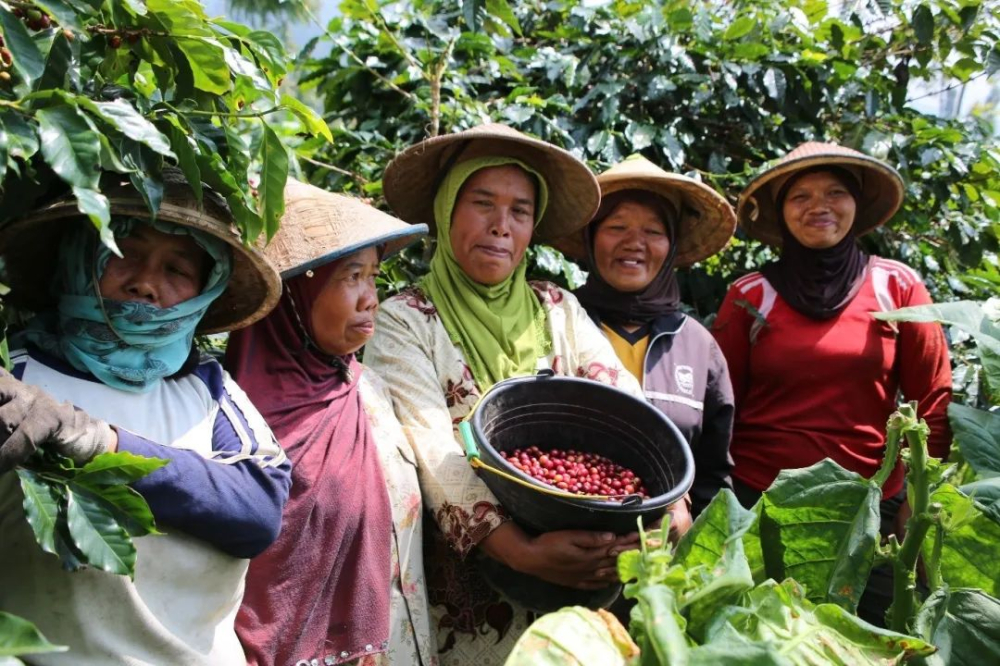
Since Dutch colonists introduced coffee to Indonesia in 1699, it has become the main cash crop for local farmers. Traditional natural processing takes too long and makes it hard to sell to merchants and turn a profit in time, since both sun-drying and washing require at least 2-3 weeks to dry. More importantly, Indonesia's many islands are frequently windy and rainy with high humidity, so raw beans often mold and spoil before they ever finish drying.
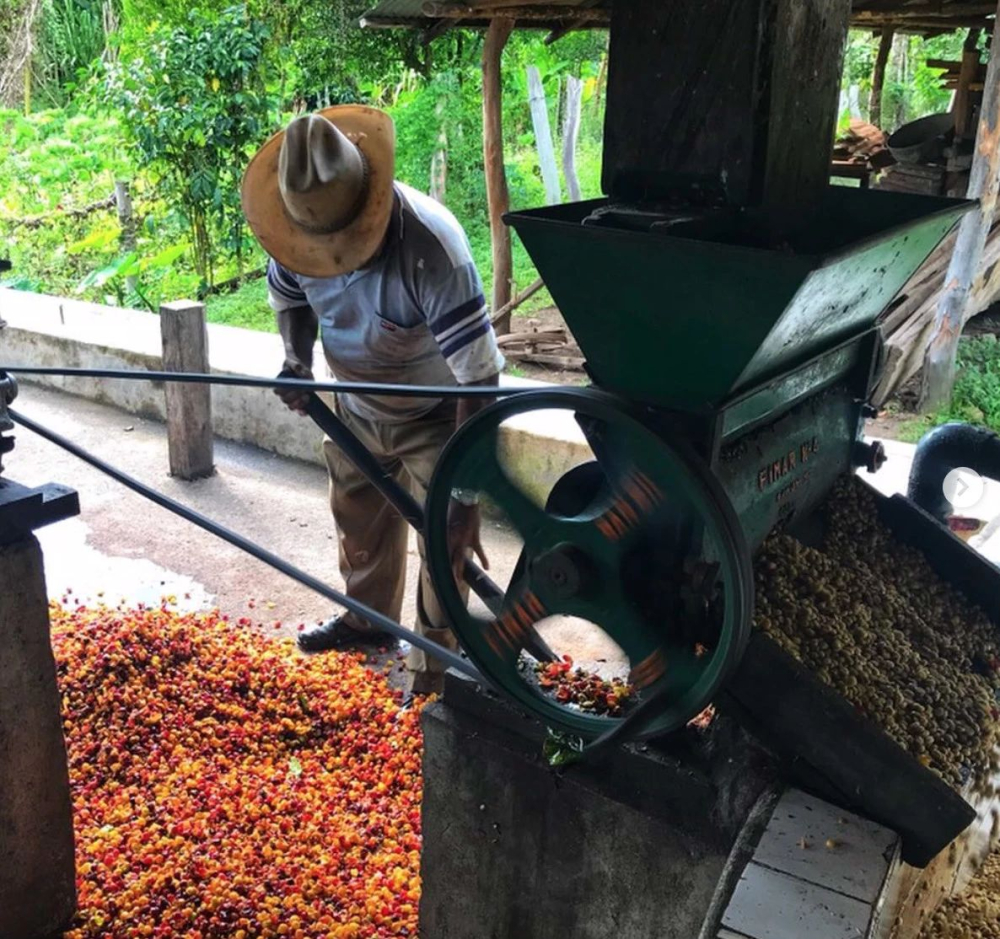
Wet-hulling begins the same way as the washed method. Indonesians first remove the pulp from the cherries, then ferment them in water for 3 hours. After washing away the mucilage, the parchment beans go through a short drying period of 2-3 days. When moisture reaches 20-24% and the beans are half-soft and half-hard, the parchment is removed from the hull-covered beans, which then continue drying until the moisture content reaches 13%, at which point they can be packed.
Because the hulling machine uses considerable friction to tear away the parchment tightly attached to the raw bean, that stirring action also makes the beans prone to being crushed or squeezed, especially at both ends, forming small gaps that create "cloven hoof beans." The "naked beans," stripped of their parchment, dry very quickly while directly exposed to a humid environment where various fungi thrive. This is what gives Indonesian coffee its unique woody, spicy, and herbal notes, what we call terroir flavor.
Some friends may already be wondering what Southeast Asian flavors taste like. If you haven't tried FrontStreet Mandheling yet, FrontStreet Coffee suggests starting with the FrontStreet Lintong Mandheling daily brew beans, processed by the wet-hulling method. After brewing, this coffee shows the classic Mandheling flavors, making it easy to experiment with at home. If you're an experienced drinker who wants to taste the exceptional aroma of Mandheling, FrontStreet Coffee believes FrontStreet PWN Gold Mandheling is the ideal choice.
What Does Gold Mandheling Mean?
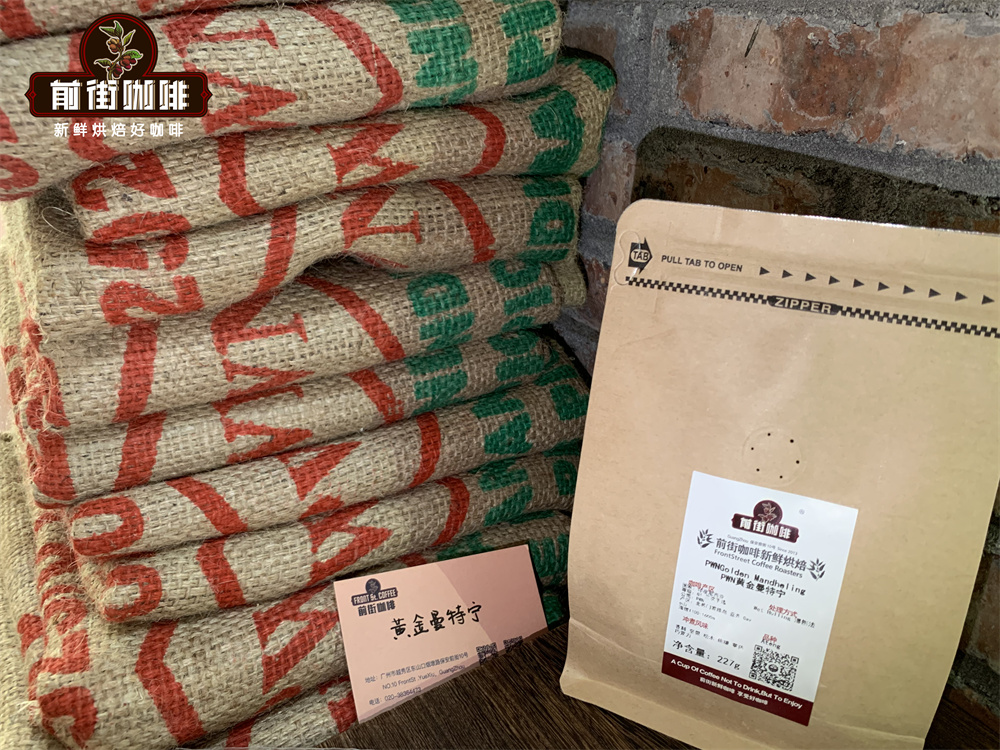
Mandheling's fame originated when Pwani Coffee Company (PWN) successfully launched it in the Japanese market. Unlike many raw bean merchants in Indonesia, PWN is the exclusive supplier of high-grade Gold Mandheling, having contracted the best Mandheling producing regions and guaranteeing premium quality. The FrontStreet Gold Mandheling coffee, which consistently occupies the top corner of FrontStreet Coffee's bean menu, is produced by PWN, and our East Mountain outlet even displays the jute bags and certification papers used for the raw bean packaging.
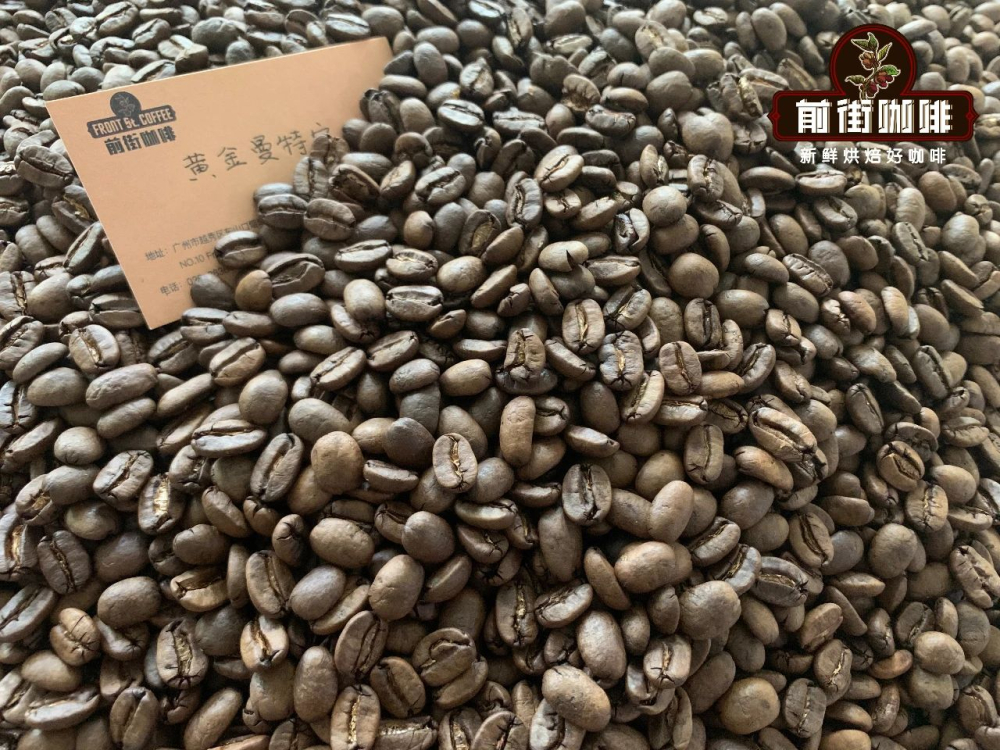
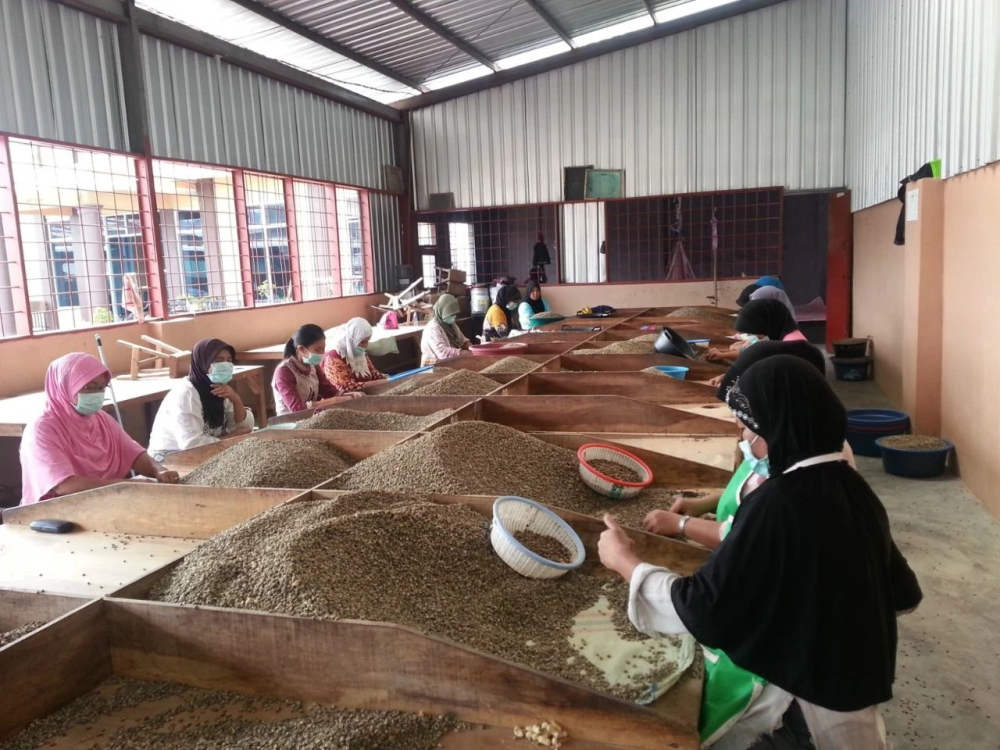
Wet-hulling saves a great deal of time and labor in raw bean processing, but the rapid process also brings a higher defect rate. So only strict manual sorting can remove the defects that machines miss. PWN gives purchased Mandheling raw beans one machine selection plus three manual sorts, far exceeding Indonesia's local top G1 grade. To meet PWN Gold Mandheling standards, the following must be satisfied:
1. Raw bean size: first manual selection of screen size 18-19 or above
2. Fewer than 3 defective beans in a 300-gram raw bean sample
3. Raw coffee bean grade at G1 level
4. Dark green color, uniform size, and regular shape
Before launching a bean, FrontStreet Coffee always cups it to evaluate quality and flavor. Cupping assesses both the strengths and weaknesses of the flavors present and the inherent character of the bean, using unified standards for objectivity.
Through cupping, FrontStreet Lintong Mandheling daily brew beans show rich nutty notes with a hint of melon in the finish. As the temperature drops, herbal plant flavors emerge, with a full body and saturated aroma. FrontStreet PWN Gold Mandheling offers aromas of dark chocolate, nuts, and caramel along with herbal spice and pine, a dark chocolate aftertaste, a full lingering finish, high clarity, and a gentle fruit acidity as it cools.
What Variety Is FrontStreet Gold Mandheling?
Indonesia grows many varieties. Originally the coffee grown there was the widely recognized, excellent-flavored Typica, introduced by the Dutch in the late 17th century. In 1877, coffee trees across Indonesia were almost all severely damaged by leaf rust, with vast areas of Typica withering. To solve the crisis, the government brought in more disease-resistant Robusta varieties from Africa and elsewhere, and Robusta remains Indonesia's main variety today.
To raise production, Indonesia kept introducing disease-resistant varieties. Among them, the Tim Tim, Bor Bor, and Catimor-series Ateng varieties, hybrids of Robusta and Arabica, have excellent disease resistance and have adapted to Sumatra's terroir, presenting a unique fir aroma. Ateng and Tim Tim now account for 70% of Sumatra coffee. FrontStreet Indonesia Lintong Mandheling daily brew beans are a blend of Tim Tim and Ateng, while FrontStreet Gold Mandheling is selected from Ateng, which is what we call Catimor.
The Best Hand-Brew Method for FrontStreet Gold Mandheling
FrontStreet Gold Mandheling's aroma is complex. To enjoy its best flavor and texture, FrontStreet Coffee suggests brewing with freshly roasted beans. Coffee reaches its optimal flavor window 4-7 days after roasting; past roughly six weeks, the aroma gradually fades and woody, defective flavors develop. FrontStreet Coffee considers freshness especially important, so shipped beans are roasted within 5 days. Add logistics and shipping time, and you can brew them as soon as they arrive.
Dark-roasted beans are looser and absorb water strongly, which easily leads to over-absorption and over-extraction, making the brewed coffee bitter and astringent. So FrontStreet Coffee grinds coarser and brews with slightly cooler water.
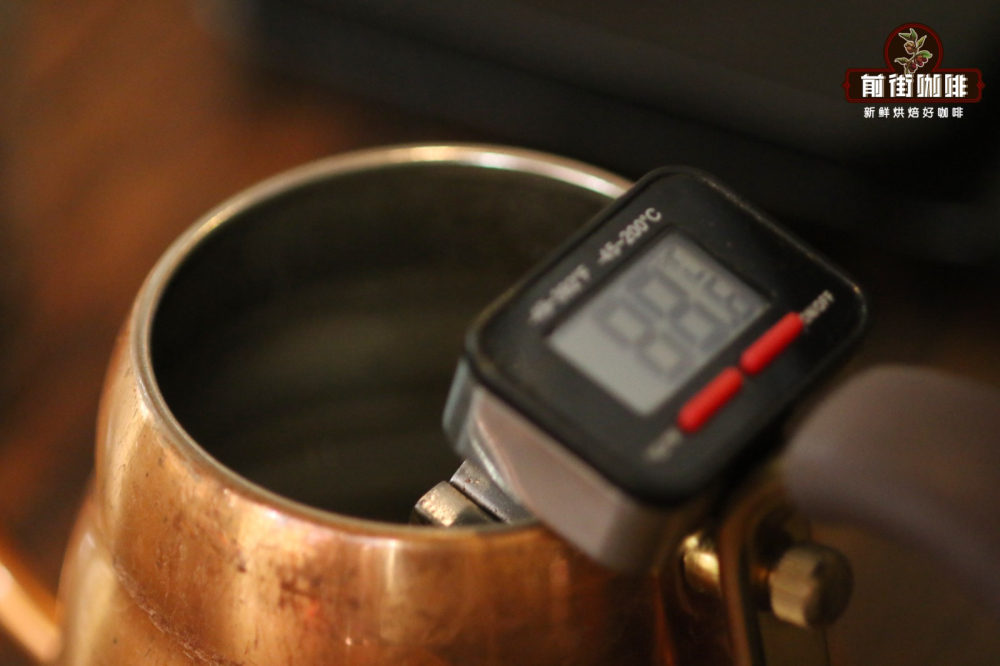
Recommended parameters: water temperature 87-88°C | coffee grounds 15g | coffee-to-water ratio 1:15 | grind size medium (70% pass rate on a China standard No. 20 sieve)
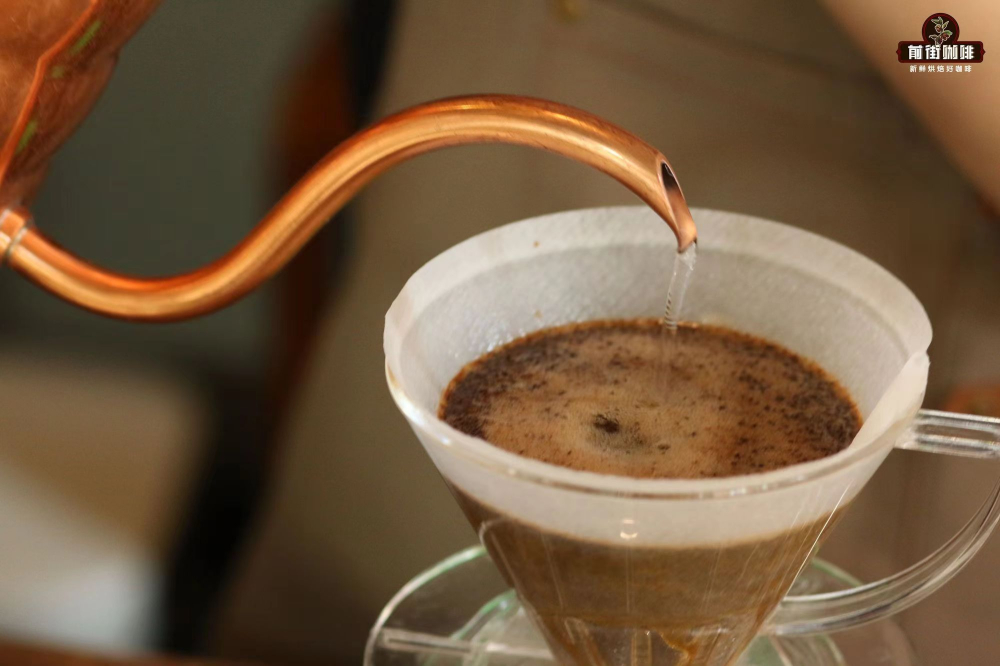
Use a three-stage pour to better express the full body and caramel sweetness of FrontStreet Gold Mandheling. The first stage is a 30ml bloom that fully wets the grounds for degassing, improving extraction in the stages that follow. The second stage injects 100ml, mainly to bring out the golden foam and raise the bed. The final stage gently pours 95ml down the center. Wait for all the liquid to filter through, then remove the dripper and gently swirl the pot.
Hand-brewed FrontStreet PWN Gold Mandheling tastes very rich, releasing spicy and herbal notes, with a solid full body overall and caramel sweetness plus chocolate and nut flavors.
FrontStreet Coffee Recommendation
To taste wet-hulling at its most approachable, start with FrontStreet Lintong Mandheling. It is aromatic and rich, sweet with a bitter edge, intense on entry, and layered with clove and woody aromatics; a medium-dark roast keeps the acidity low and brings out spice and a mint-like freshness with a strong, lasting sweetness.
To go straight to the top grade, FrontStreet PWN Gold Mandheling is the pick. Produced by PWN and held to the standards above, it is hand-selected three times to minimize defects, so the cup is cleaner and smoother, with clearer woody notes and caramel sweetness. Use a pour-over with 87-88°C water, 15g of coffee, a 1:15 ratio, and a coarse-sugar grind; a three-stage pour pulls out the full body and caramel sweetness, finishing with chocolate and nut flavors.
Mandheling also shines on the espresso bar. FrontStreet's Classic Blend adds a medium-dark Mandheling to Brazilian coffee's creamy nut base, bringing out butter, roasted chestnut, and caramel, then layering in sandalwood, herbal, and spice notes. A touch of Robusta lifts the richness of the crema, so it handles latte art and a layered Dirty with ease.
Important Notice :
FrontStreet Coffee is a long-established specialty coffee roaster in Guangzhou China, selling freshly roasted beans from its own farm in Yunnan as well as dozens of carefully selected single-origin beans from around the world for both pour-over and espresso. The products deliver consistently excellent quality and great value, with shipping within 24 hours. Guangzhou's FrontStreet Coffee shop is recommended by many coffee lovers, and the beans are now available online at the Tmall 。
FrontStreet Coffee has moved to a new address:
FrontStreet Coffee Address: 315,Donghua East Road,GuangZhou
Tel:020 38364473
 Scan and follow the En Gafei WeChat official account. Please indicate that the reprint comes from "En Gafei".