
What is the Golden Cup Coffee Extraction Theory Standard? SCA Golden Cup Extraction Guidelines and Optimal Brewing Ratios
Tea, coffee, and cocoa are the world's three great beverages, and coffee ranks as the second-most-traded futures product on the planet, behind only crude oil. But unlike petroleum buried deep underground, coffee is actually the fruit of a tree — the umbrella term for roasted beans and ground coffee. Brew it with hot water and the soluble compounds dissolve out while the insoluble ones stay behind in the filter, yielding the black drink that has become inseparable from daily life across the globe.
Brewing at home is more convenient and cheaper than buying from a café — which leads straight to a familiar frustration: why can't we reproduce café-quality coffee in our own kitchens? The answer runs through a term many have heard but few truly understand: "SCA Golden Cup Extraction."
The Science Behind Coffee Extraction
A whole coffee bean contains more than 1,800 chemical compounds, but only about 30% of the bean's weight is soluble — and not all of that 30% is made of flavors we want. Brewing methods differ wildly in detail, but they all exploit the same principle of solid-liquid extraction to pull out coffee's best qualities. The catch is that "best" means different things to different people.
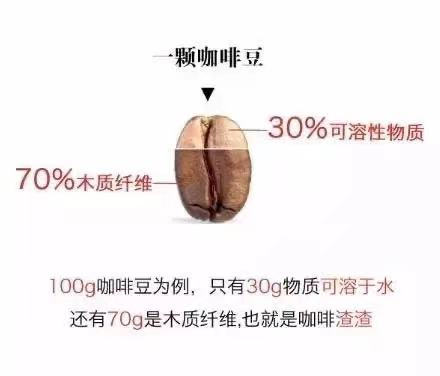
Given coffee's dizzying chemistry, extracting it precisely at the highest quality is genuinely hard. But once you look at extraction mathematically and isolate the variables that control the cup, brewing suddenly becomes much simpler.
Unlike espresso — where hot water is forced through a compacted puck of finely ground coffee under high pressure — pour-over is a drip method: hot water poured over grounds in a V-shaped cone, at roughly atmospheric pressure, with a longer extraction time. Both methods dissolve substances out of the grounds and leave the undissolved material behind in the filter as the liquid passes through.
SCA Golden Cup Extraction Standards
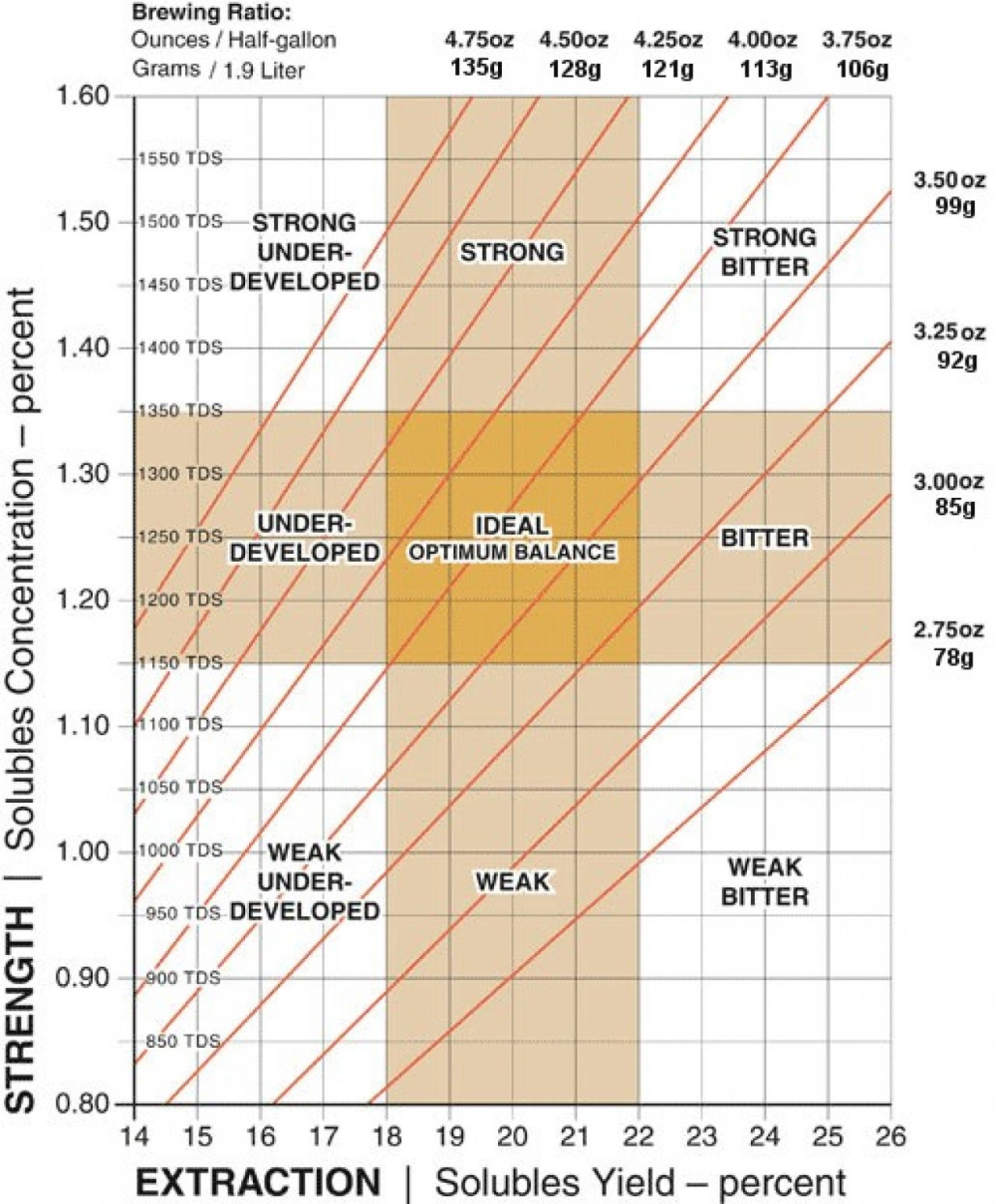
According to the Specialty Coffee Association's brewing chart, a coffee falls within Golden Cup standards when its final concentration (TDS) sits between 1.15% and 1.35% and its extraction rate between 18% and 22%. TDS — the ratio of dissolved solids to water — directly shapes the flavors you perceive. On the chart, the Golden Cup zone is the shaded band in the middle.
The idea has spread so widely that even pour-over beginners now aim for a Golden Cup brew. FrontStreet Coffee would like to share some fundamentals of pour-over coffee.
People who want to brew at home often ask FrontStreet Coffee's baristas which beans to buy — and then, once they have their new beans, how to brew them so the cup tastes like the café's.
Key Elements of Pour-Over Coffee
Attentive readers will notice FrontStreet Coffee keeps returning to a few key variables: water temperature, grind size, coffee-to-water ratio, and filter type — with parameters adjusted to the roast level of the beans.
Ethiopian beans are typically roasted medium-light to showcase their acidity, while Indonesian Mandheling usually gets a medium-dark roast to emphasize its rich, full body.
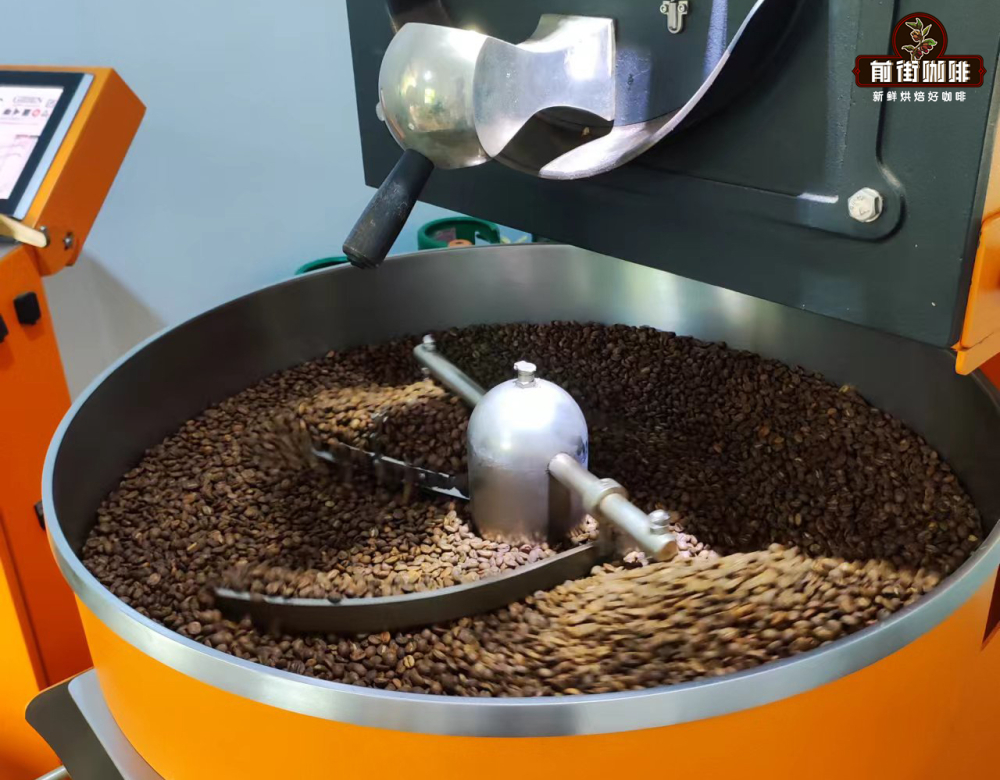
Compare the two side by side and the pattern is obvious: darker roasts taste more bitter, lighter roasts lean acidic — and as roast level rises, the rate at which coffee compounds exchange with water speeds up too.
The Four Essential Factors
Time
Extraction begins the moment water meets the grounds. Acidity, sweetness, and bitterness all dissolve into the water until the brew saturates or you stop it. In the early stage, acids and sweets come out faster and in greater quantity than bitters, so to maximize desirable flavors while dodging bitterness and astringency, FrontStreet Coffee typically keeps total brew time around 2 minutes.
Grind Size
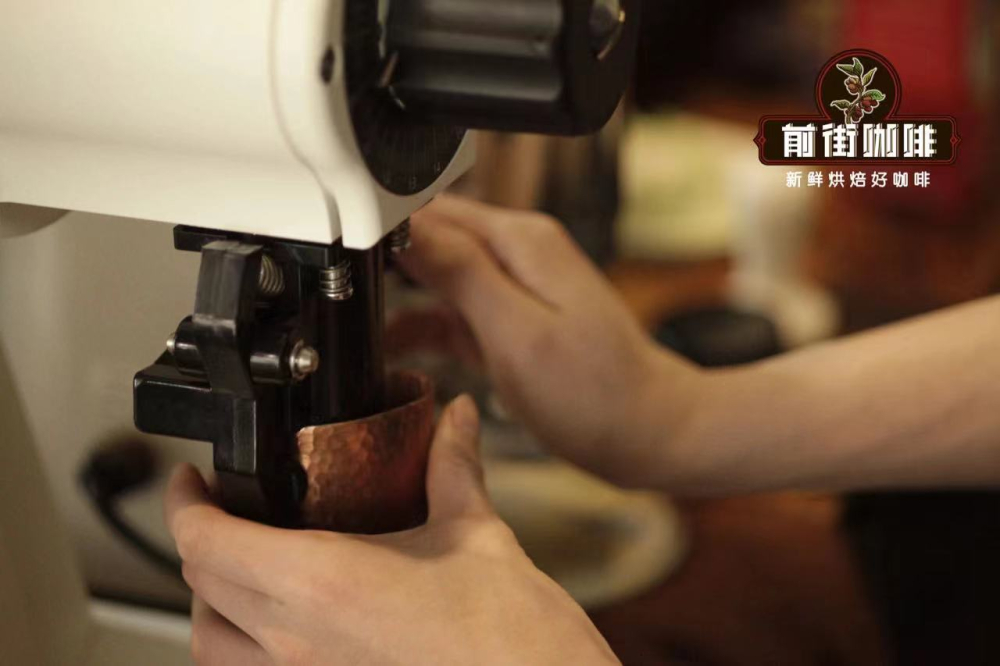
The smaller the particle, the more surface area touches water — the reaction runs faster and pulls out more compounds. Finer grounds, therefore, mean a more intense cup.
Water Temperature
Hotter molecules move faster — you can feel this one in everyday life. Steep tea in room-temperature water for two minutes and you get pale, flavorless water; boiling water gives you tea. When brewing coffee, FrontStreet Coffee weighs both grind and roast: dark-roasted beans dissolve faster, so they get a coarser grind and lower water temperature to avoid the over-extracted bitterness.
Coffee-to-Water Ratio
Regular readers will have noticed that FrontStreet Coffee brews nearly everything at a 1:15 coffee-to-water ratio.
Case Study: FrontStreet Coffee's Ethiopia Sidamo Guji 5.0
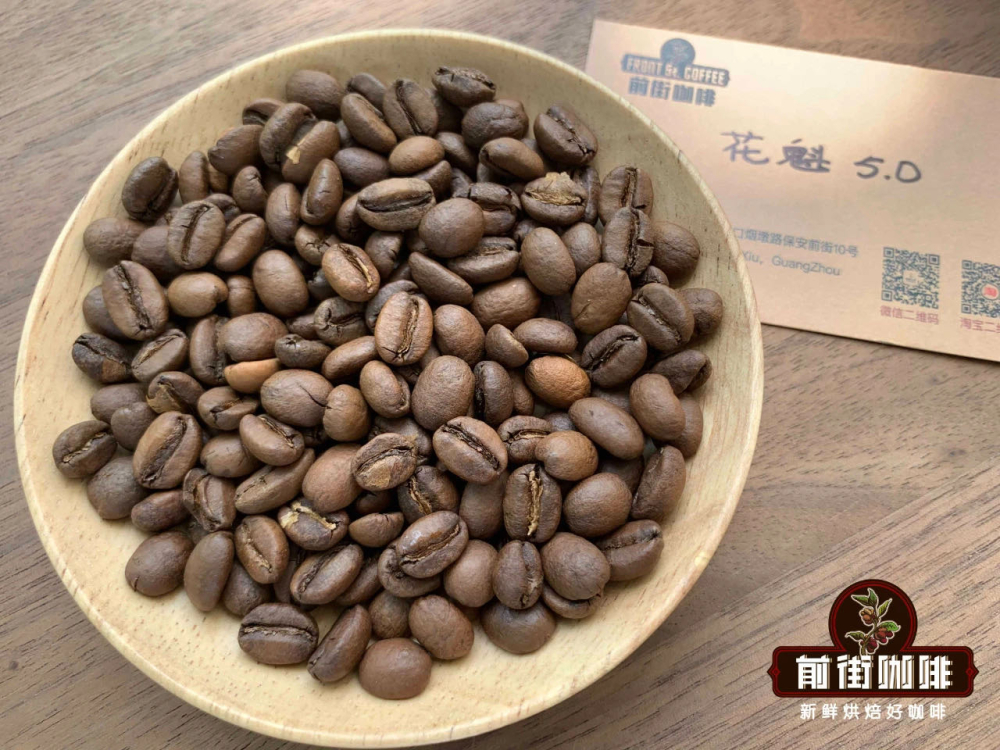
FrontStreet Coffee Ethiopia Sidamo Guji 5.0
Origin: Ethiopia Sidamo Guji Region
Altitude: 2,250-2,350 meters
Variety: Local Landraces
Processing: Natural
FrontStreet Coffee brewed Guji 5.0 at four ratios — 1:15, 1:16, 1:17, and 1:18. As the ratio stretched, the berry acidity grew progressively more diluted, and by 1:18 the aftertaste had picked up bitterness. A longer ratio lowers TDS and lets individual flavors separate, but it also risks a watery cup.
So FrontStreet Coffee brews Guji 5.0 to café standard: Hario V60 cone; water at 92°C; 15g of coffee; a 1:15 ratio; grind set at 80% pass-through on the China standard #20 sieve.
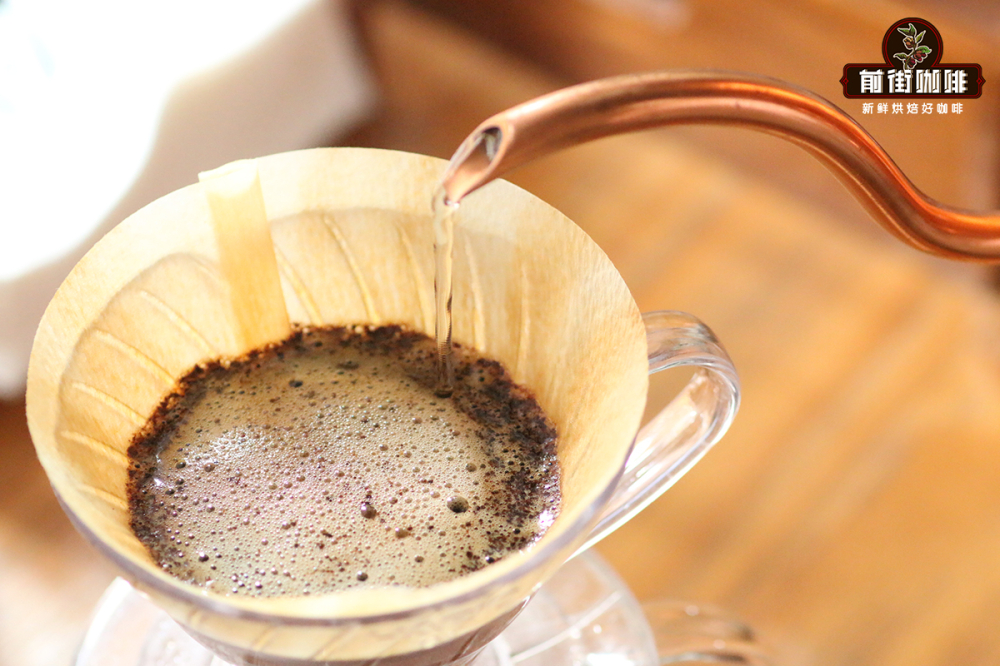
Pour 30g of water first to saturate the grounds and bloom for 30 seconds. Then, starting from the center, pour in a small slow spiral up to 125g. As soon as the coffee bed starts to show, keep spiraling up to 225g and stop. Once all the water has dripped through into the server, remove the dripper. Total extraction time: approximately 2 minutes.
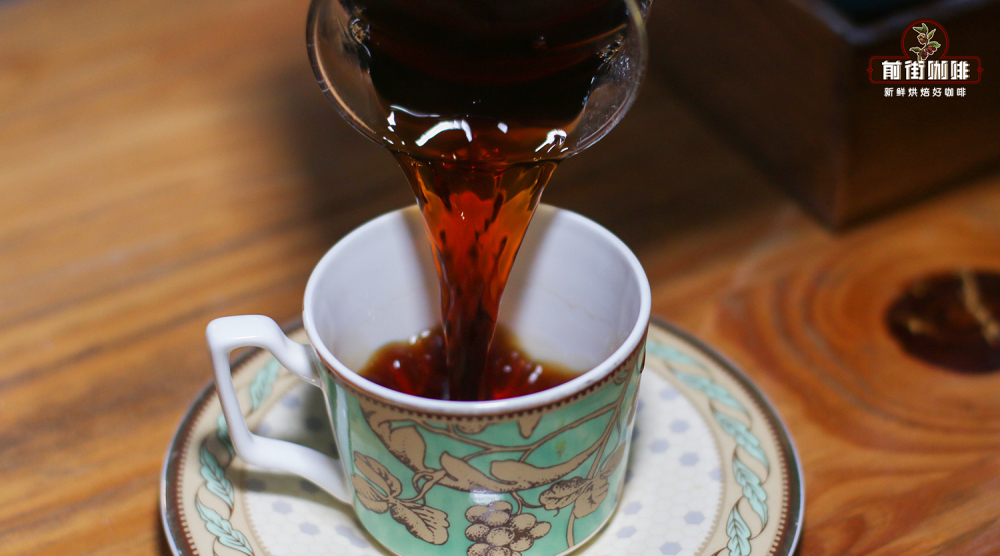
Brewed to these parameters, Guji 5.0 bursts with berry flavor — sweet-tart citrus and plum, a distinct mango-juice character, subtle florals, and a black-tea-like sweet finish.
FrontStreet Coffee Recommendation
Golden Cup brewing favors a balanced roast, and medium roasts hit the sweet spot where acidity, sweetness, and bitterness all cooperate. The FrontStreet Brazil Fazenda Rainha is a perfect candidate: a Yellow Bourbon from Brazil, medium roasted to show creamy peanut, chocolate, toast, and sugarcane sweetness — forgiving enough for any dripper, moka pot, or espresso machine. The FrontStreet Strawberry Candy Geisha blend, marrying honey-processed Costa Rica with washed Panamanian Geisha at a medium roast, rewards precise 1:15 brewing with orange-blossom aroma, honeyed depth, and a rounded sweetness across pour-over, cold brew, and espresso alike.
And for an everyday Golden Cup at remarkable value, the FrontStreet 2013 Natural Typica from Yunnan — nuts, brown sugar, black tea, and dried apricot at a medium roast — works in a pour-over, a cold brewer, or a drip machine without fuss.
Important Notice :
FrontStreet Coffee is a long-established specialty coffee roaster in Guangzhou China, selling freshly roasted beans from its own farm in Yunnan as well as dozens of carefully selected single-origin beans from around the world for both pour-over and espresso. The products deliver consistently excellent quality and great value, with shipping within 24 hours. Guangzhou's FrontStreet Coffee shop is recommended by many coffee lovers, and the beans are now available online at the Tmall 。
FrontStreet Coffee has moved to a new address:
FrontStreet Coffee Address: 315,Donghua East Road,GuangZhou
Tel:020 38364473
 Scan and follow the En Gafei WeChat official account. Please indicate that the reprint comes from "En Gafei".

