Honduras Barrel-Aged Coffee Beans Sherry-Flavored Coffee Beans Pour-Over Flavor Characteristics
Honduras produces some exceptionally good high-altitude coffee: a rich body, subtle sweetness woven into the acidity, distinctive and complex aromatics, and a long finish. Yet among coffee lovers, the most beloved Honduran beans are the barrel-aged ones — FrontStreet Coffee's Sherry and Lychee Orchid. What makes these two beans so special? FrontStreet Coffee takes a closer look at our barrel-processed Honduran coffees.

Honduran Coffee Origins
Every coffee is shaped by its terrain, climate, and processing. Honduras sits in northern Central America, bordered by the Caribbean Sea to the north and the Gulf of Fonseca to the south, with Nicaragua and El Salvador to the east and south, and Guatemala to the west. The landscape is predominantly mountainous and highland. Its geography and climate are remarkably varied: the Central American coastal plains have a tropical rainforest climate with an average annual temperature of 31°C, while the mountainous interior has a subtropical forest climate averaging 23°C. The rainy season from June to November brings mild temperatures and abundant rainfall — ideal conditions for growing coffee.
Premium Coffee Regions
Honduran coffee is grown across a wide area, traditionally divided into six major specialty regions: Copan and Opalaca in the west and south, plus Montecillos, Comayagua, and Agalta Tropical. Only Arabica varieties are grown here, mainly Typica, Bourbon, Caturra, and Villa Sarchi. Production is substantial, and Honduras has become one of the world's top ten coffee-exporting countries.
FrontStreet Coffee's Honduran Selection
Honduran coffee is graded into two categories: High Grown, cultivated between 1,000 and 1,500 meters, and Strictly High Grown — the country's highest grade — grown between 1,500 and 2,000 meters. FrontStreet Coffee has cupped more than 50 lots from the various growing regions. Central American coffees generally lean toward floral and fruity notes with a soft, juice-like acidity, but our Honduran coffees tend to lead with spicy notes, followed by the nutty, chocolatey richness of their body — an overall balanced, layered profile.
Processing Methods
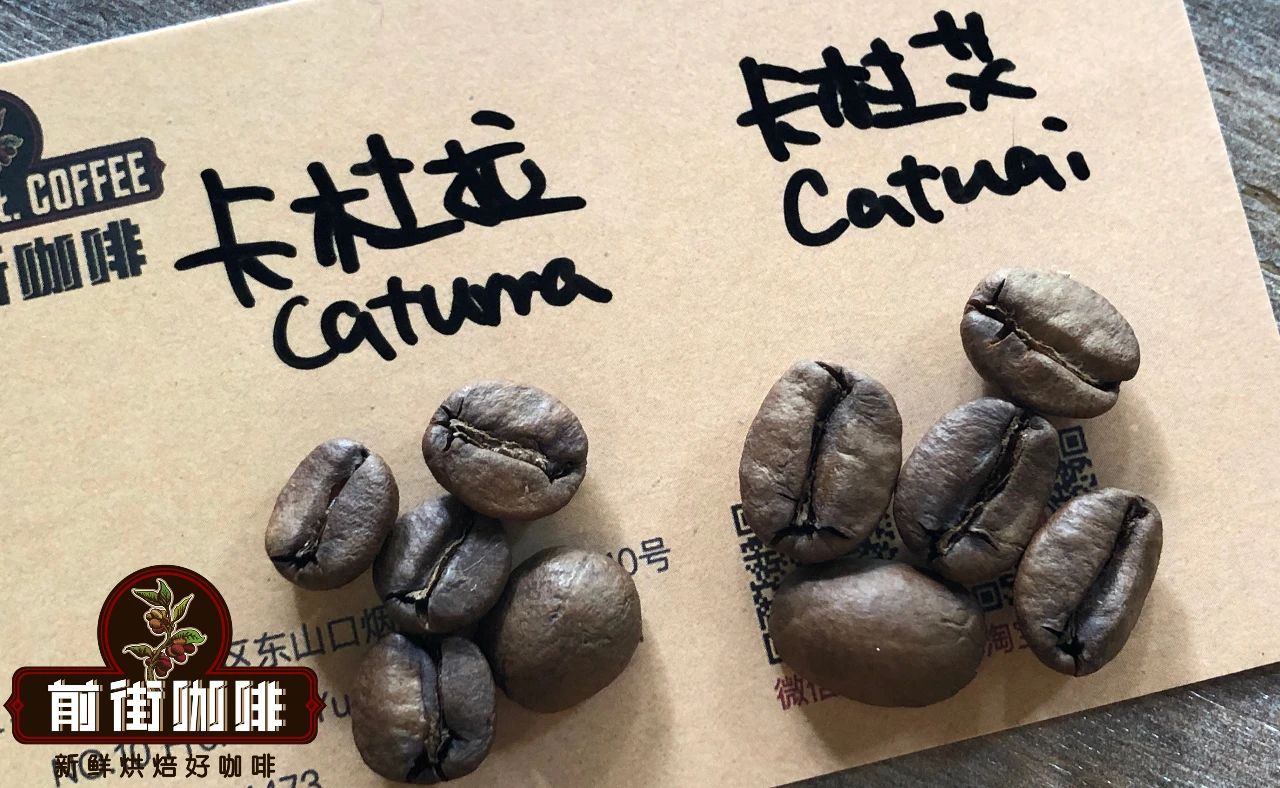
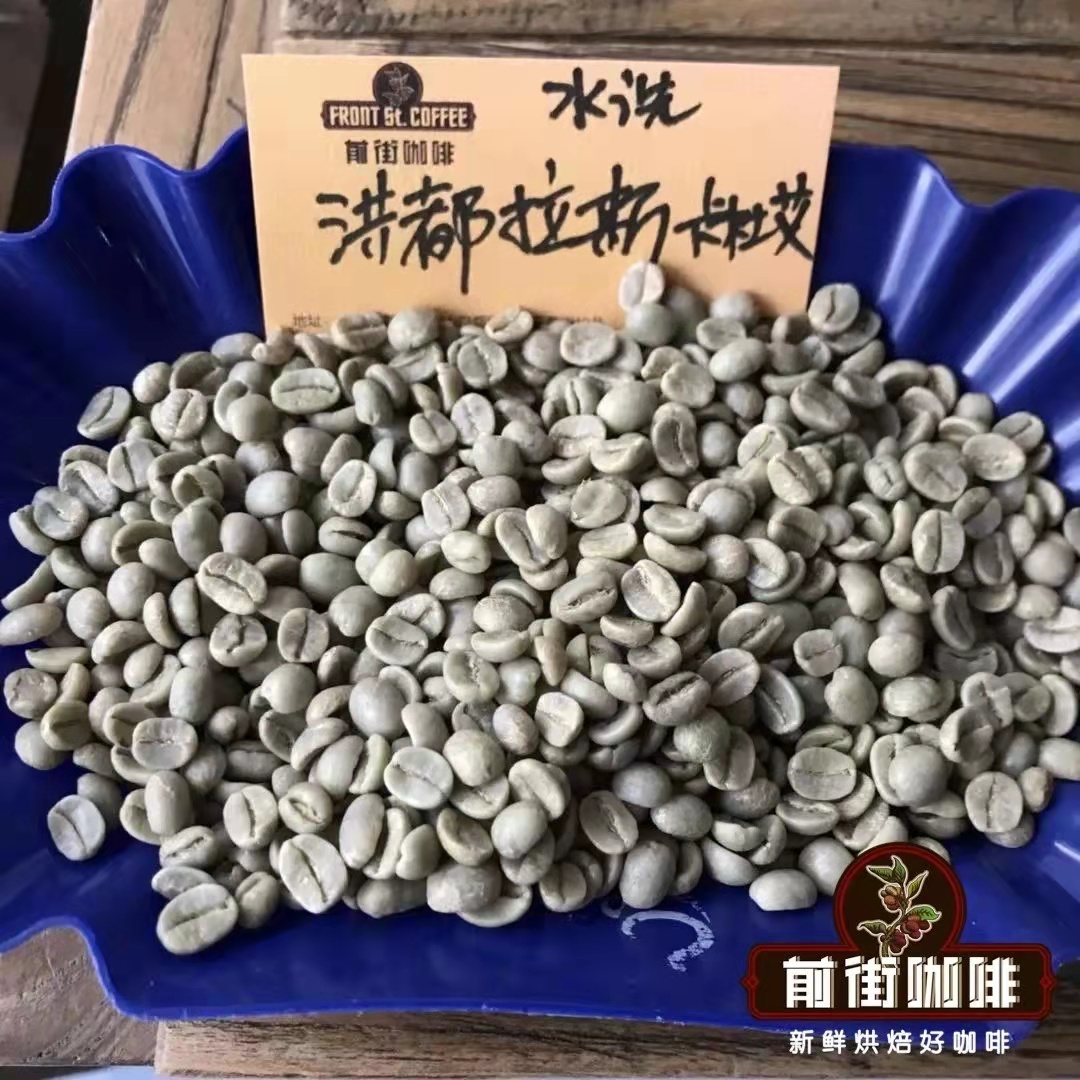
The two beans FrontStreet Coffee sources are mainly Caturra, Catuai, and Pacas. Farmers harvest fully ripe cherries and pour them into water tanks, where floatation removes defective fruit. A pulping machine then strips away the skin and pulp, leaving beans still coated in a slippery layer of mucilage. These beans go into fermentation tanks for 16–36 hours, during which microorganisms break down the mucilage. Once fermentation is complete, plenty of clean water washes away any remaining residue, and the beans are finally dried in the sun.
The Barrel-Aging Process
That is only the first step in producing these barrel-aged Honduran coffees. The crucial second step is placing the fully washed beans into sherry casks or rum barrels for low-temperature fermentation over 30–40 days, followed by shade drying. The technique is borrowed from winemaking. During fermentation, the barrel walls let small amounts of air pass through, causing gentle, controlled oxidation. That measured oxygen exposure accelerates fermentation and builds layered complexity along with rich wine-like aromas.
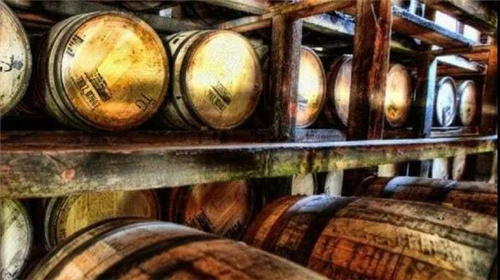
This barrel-aging step is what defines the flavor profile of the finished beans. The unmistakable aroma you get when brewing these Honduran barrel-fermented coffees comes precisely from this process.
When FrontStreet Coffee brews these two beans, the rich aroma of aged spirits is apparent the moment the bag is opened — one of the signatures of both coffees.

Cupping Notes
FrontStreet Coffee has cupped both. The Sherry beans show a strong whiskey note in the dry fragrance, vanilla in the wet aroma, and flavors of whiskey, creamy vanilla, and berry acidity, finishing with dark chocolate and honey. The Lychee Orchid beans offer creamy vanilla in the dry fragrance, lychee in the wet aroma, brandy and sweet-tart lychee pulp flavors, and the same finish of dark chocolate and honey.

Brewing Recommendations
Of course, once you bring these beans home there is no need for formal cupping — simply brew them as pour-over. If you enjoy cupping and want to try it, by all means do. So how should you brew them?

FrontStreet Coffee recommends pour-over brewing: it extracts the beans' origin character with ease and is simple to learn, making it a great fit for beginners.
Brewing Parameters
Here are the parameters FrontStreet Coffee uses for these two beans: Dripper: Hario V60 #01; Water temperature: 90–91°C; Coffee: 15g; Coffee-to-water ratio: 1:15; Grind size: medium-fine, about the texture of fine sugar (80% pass rate on a #20 sieve).
Pour-Over Technique
The recipe uses FrontStreet Coffee's straightforward three-pour method. Start by pouring 30g of water to fully saturate the grounds into an even "coffee bed," and bloom for 30 seconds. For the second pour, at 54 seconds on the timer, pour up to 125g and stop; wait until the water level drops to two-thirds of the coffee bed before starting the third pour — this stage draws out the sweet and acidic compounds. The third pour brings the total to 225g at 1 minute 40 seconds, with total drawdown finishing around 2 minutes 10 seconds. When the brew is done, give the carafe a gentle swirl to combine before tasting.

Tasting Experience
FrontStreet Coffee Sherry shows vanilla and cream aromatics, flavors of whiskey, berries, almonds, and dark chocolate, and a maple-sweet finish. FrontStreet Coffee Lychee Orchid delivers lychee and brandy with a creamy texture; as the cup cools, the wine notes and dark chocolate grow more pronounced, the body stays rich, and a honeyed sweetness lingers in the finish. FrontStreet Coffee's suggestion when choosing between the two: if you love pronounced wine aromas, go for the Sherry; if you prefer the sweet-tart character of lychee pulp, choose the Lychee Orchid.
FrontStreet Coffee Recommendation
If these wine-toned Honduran beans have whetted your appetite for barrel-aged character, they are also wonderful companions on the brewer's bench. For a lighter, fruit-forward contrast, FrontStreet Coffee's Natural Process Flower Queen from Ethiopia is a natural pick — its pronounced tropical fruit aromatics of strawberry, passion fruit, and jackfruit, low bitterness, and juice-like body make it feel like "the least coffee-like coffee," an eye-opener for anyone wary of traditional coffee bitterness. And if you want something to balance richer cups, our PWN Golden Mandheling offers deep herbal and dark chocolate notes with a long, mellow body and very little acidity — a favorite for those who prefer their coffee bold and smooth.
Important Notice :
FrontStreet Coffee is a long-established specialty coffee roaster in Guangzhou China, selling freshly roasted beans from its own farm in Yunnan as well as dozens of carefully selected single-origin beans from around the world for both pour-over and espresso. The products deliver consistently excellent quality and great value, with shipping within 24 hours. Guangzhou's FrontStreet Coffee shop is recommended by many coffee lovers, and the beans are now available online at the Tmall 。
FrontStreet Coffee has moved to a new address:
FrontStreet Coffee Address: 315,Donghua East Road,GuangZhou
Tel:020 38364473
 Scan and follow the En Gafei WeChat official account. Please indicate that the reprint comes from "En Gafei".