What is Flat White Coffee? Differences Between Australian Latte and Cappuccino - Milk Ratio and Taste Characteristics

What is Flat White Coffee?
When people talk about espresso-based drinks, they instantly name the latte, the cappuccino, and the mocha. The flat white rarely comes up. So what kind of espresso drink is it? In this article, FrontStreet Coffee breaks down what a flat white actually is.
A flat white is a milk coffee that originated in Australia, which is why it is sometimes called an Australian White. Some argue, however, that it really began in New Zealand. Beyond that debate, recipes vary. What defines the drink is a stronger coffee flavor, less milk, and a thinner layer of foam. For the espresso base, New Zealanders tend to pull a double ristretto, while Australian baristas prefer a single espresso.
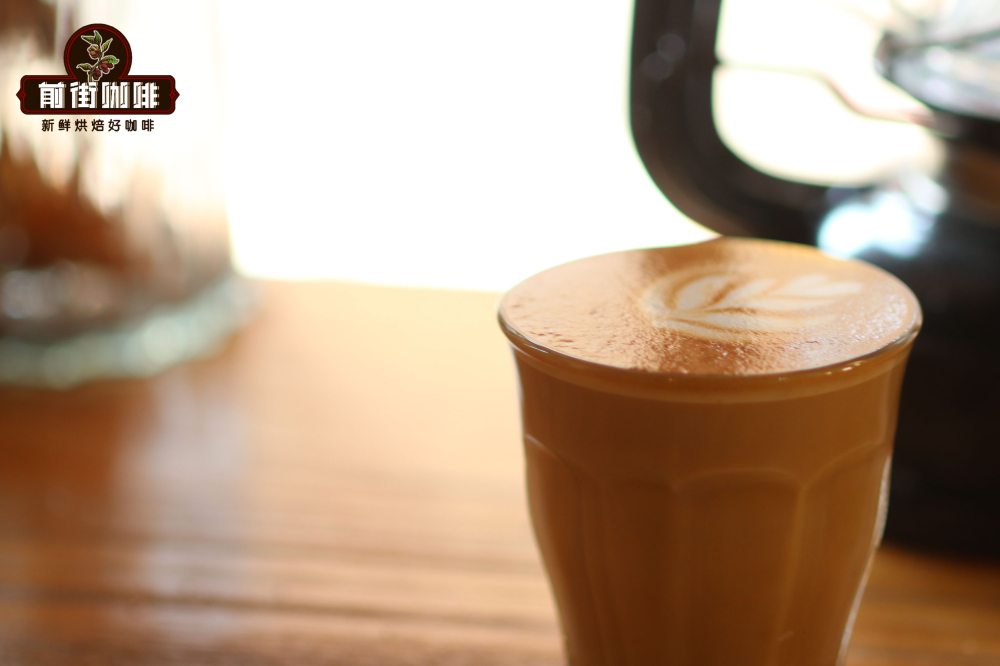
As far as FrontStreet Coffee understands, Australians only ever make a flat white hot. Add ice and it becomes a "soulless" flat white, because the ice dilutes the whole drink. In that light, an iced flat white is really just a latte.
How to Distinguish Between Australian White Coffee and Latte?
So how do you tell a flat white from a latte? The answer lies in the espresso ratios, since in practice every café uses different proportions for the two. Take FrontStreet Coffee's own standards as an example.
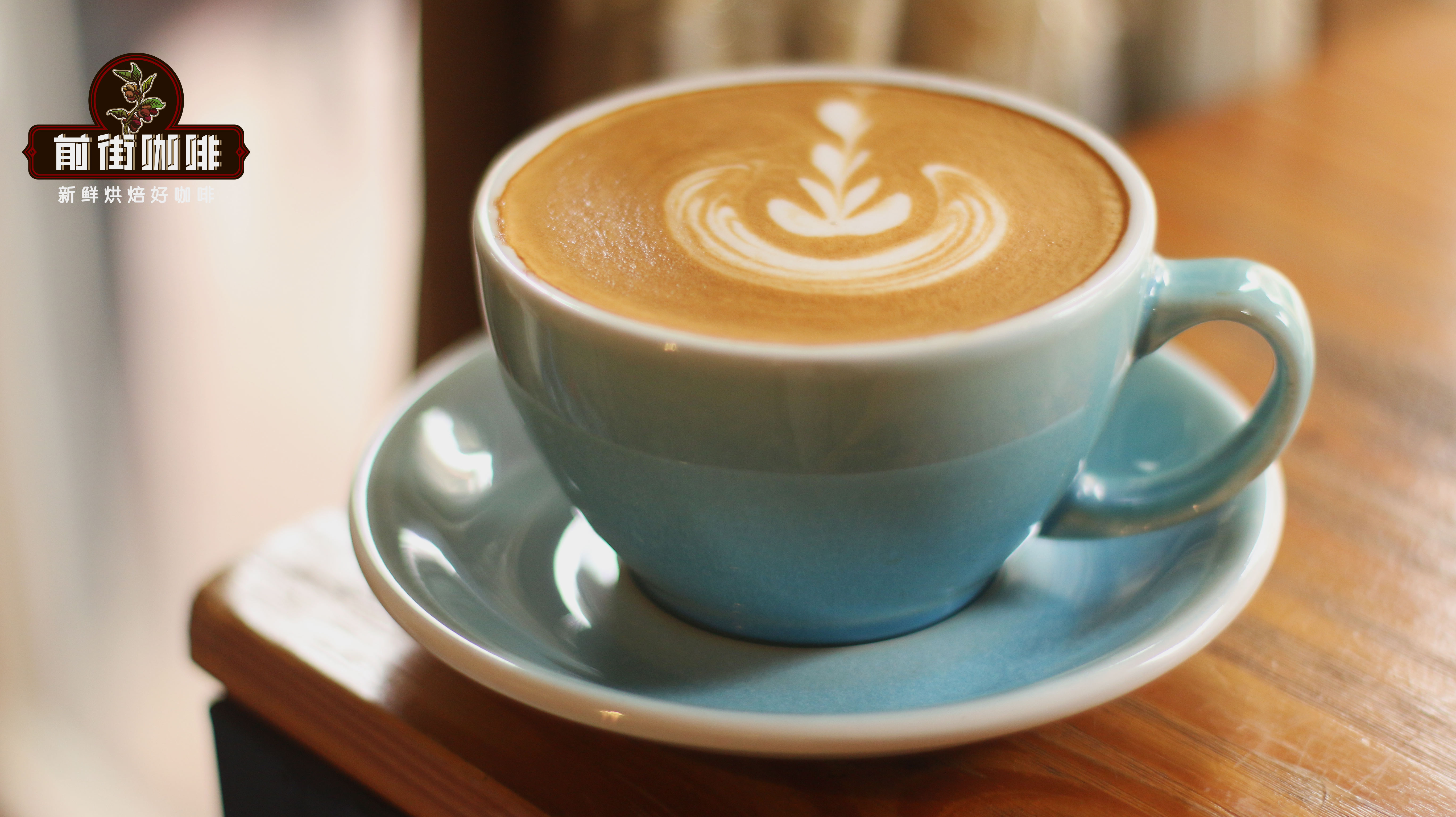
FrontStreet Coffee's latte standard: a 300ml ceramic cup, a 40g espresso base, and 260ml of milk plus foam. The foam is roughly 1cm thick, and the texture is around 5 parts whole milk steamed to 7 parts foam.
FrontStreet Coffee's flat white standard: a 220ml glass, a 30g espresso ristretto, and 190ml of milk plus foam. The foam is about 0.5cm thick, and the texture is around 5 parts whole milk steamed to 5.5-6 parts foam.
The differences: the latte is the larger drink. Visually, the latte wears a slightly thicker, gently domed cap of foam, while the flat white sits under a thin, flat layer. On the palate, the latte tastes more of milk; the flat white pushes the coffee forward. That is why Australians joke that a latte is coffee-flavored milk (milk first, really), while a flat white is milk-flavored coffee (coffee first, really).
How to Make Australian White Coffee?
So how exactly do you make a flat white? How do you make a latte? And what beans work best for espresso? FrontStreet Coffee answers these one at a time.
FrontStreet Coffee uses a Faema E98 espresso machine with the following extraction parameters:
Pressure: 9 bar
Temperature: 94°C
Time: 20-30 sec
Coffee-to-water ratio: 1:1.7-1:2
Dose: 12g (single shot) / 20g (double shot)
Espresso yield: 20ml (single) / 40ml (double)
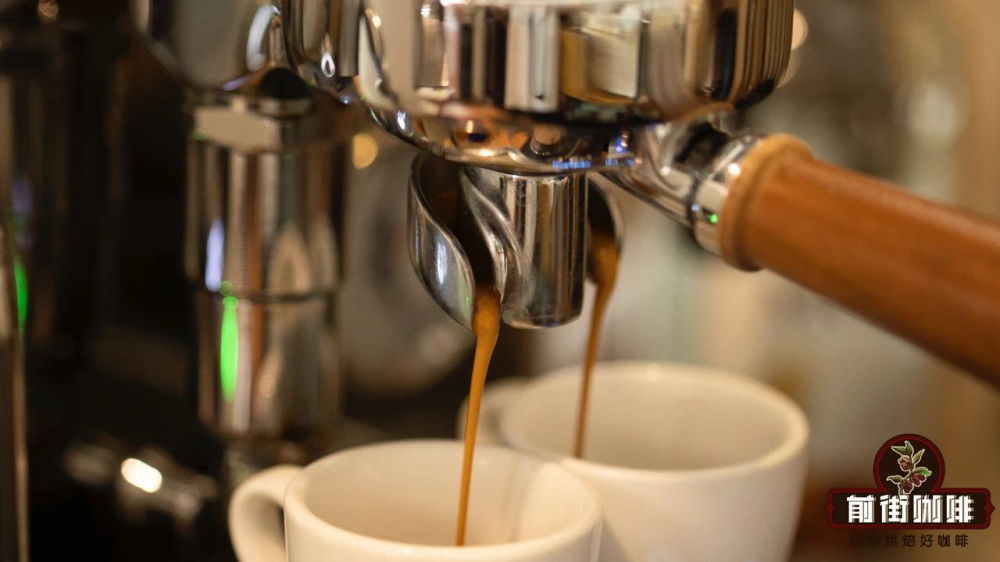
Australian White Coffee Milk and Coffee Ratio Recommendations
Milk: whole fresh milk (FrontStreet uses Kowloon Dairy fresh milk)
Milk frothing temperature: 50-60°C (too cool and the lactose will not activate; too hot and the proteins break down, leaving a grainy texture)
Foam thickness: 5mm (1cm is for a latte, 1.5cm for a cappuccino)
Espresso: 30ml ristretto
Milk: 190ml
For comparison, here is the latte preparation ratio.
FrontStreet uses the Faema E98 espresso machine.
Pressure: 9 bar
Temperature: 94°C
Time: 20-30 sec
Coffee-to-water ratio: 1:1.7-1:2
Dose: 12g (single shot) / 20g (double shot)
Espresso yield: 20ml (single) / 40ml (double)

FrontStreet pulls a double shot for its lattes. The beans show these characteristics once extracted: noticeable fruit acidity, a faint lingering berry aroma, rich wine and chocolate flavors, and a comfortable aftertaste.
Milk: whole fresh milk (FrontStreet uses Kowloon Dairy fresh milk)
Milk frothing temperature: 50-60°C (too cool and the lactose will not activate; too hot and the proteins break down, leaving a grainy texture)
Foam thickness: 1cm (thinner than 1cm is for a flat white, thicker than 1cm is for a cappuccino)

Those are the parameters FrontStreet Coffee uses for flat whites and lattes. Keep in mind that every café runs different espresso blends and different machines, so the milk-to-coffee ratio, bean choice, and extraction settings for a latte will drift a little from shop to shop.
Broadly speaking, a latte is simply espresso with a generous pour of milk. Different beans produce different latte flavors, different milks change the cup again, and even a shift in the coffee-to-milk ratio reveals something new.
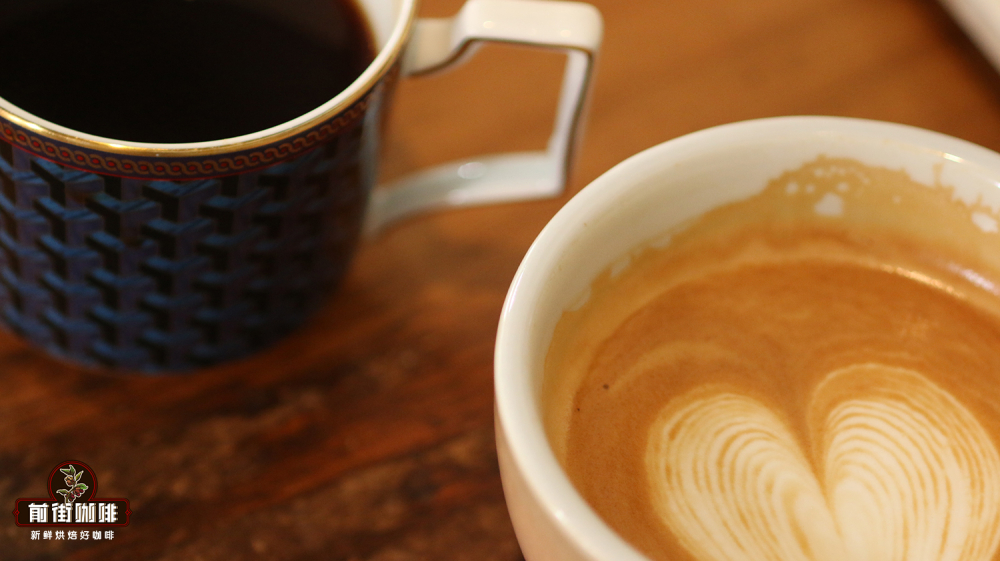
What Coffee Beans are Used for Espresso?
As FrontStreet Coffee noted above, an espresso-based drink is espresso plus milk, so the cup's flavor depends on the beans behind the shot. Which beans, then, should you use for espresso?
In general, espresso beans have to suit an espresso machine, which rules out very light roasts. The darker the roast, the stronger the coffee side of the latte (caramel, bitterness). The lighter the roast, the more the milk shows through. Choose a moderate roast so the coffee and the milk can complement each other.

Espresso machines have a way of amplifying a bean's original flavors, and lightly roasted beans are already high in acidity, so under pressure that acidity only grows more obvious. Beans roasted too light are therefore a poor fit for milk drinks: the flavors resist release during extraction, the shot tends to splatter, and the result is under-extracted.

For example, FrontStreet Coffee currently serves its own Sunflower Warm Sun blend in-store, the blend FrontStreet is proudest of. Built from Honduras Shirley coffee and Yirgacheffe natural red cherry coffee, it brings out rich chocolate, caramel, and a faintly intoxicating note once it meets milk.
Next, FrontStreet Coffee introduces the character of this blend.
FrontStreet Coffee Sunflower Warm Sun Blend
Flavor: noticeable fruit acidity, a faint berry aroma, wine fragrance, rich chocolate, and an obvious aftertaste.
Formula: Honduras Shirley : Yirgacheffe Red Cherry = 7:3
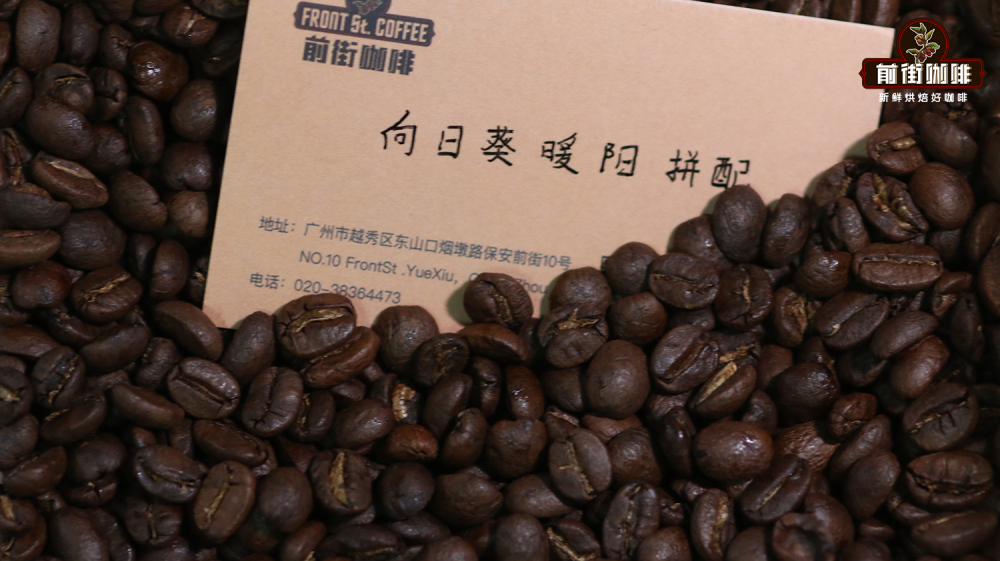
This blend pairs Yirgacheffe natural red cherry with Honduras Shirley. FrontStreet designed it to work for both espresso and pour-over. As espresso, it releases an obvious fermented wine aroma; on the palate, citrus and berry acidity appear at once, followed by a whiskey-like fragrance and a dark chocolate finish.
FrontStreet Coffee has also developed three other espresso blends for enthusiasts to choose from. Each has its own personality, so simply pick the one that matches the flavor you enjoy.
FrontStreet Coffee Premium Blend
Flavor: gentle, slight acidity, light sweetness, a nutty aftertaste, not too sharp overall, balanced, with medium crema.
Formula: Colombia : Brazil = 3:7
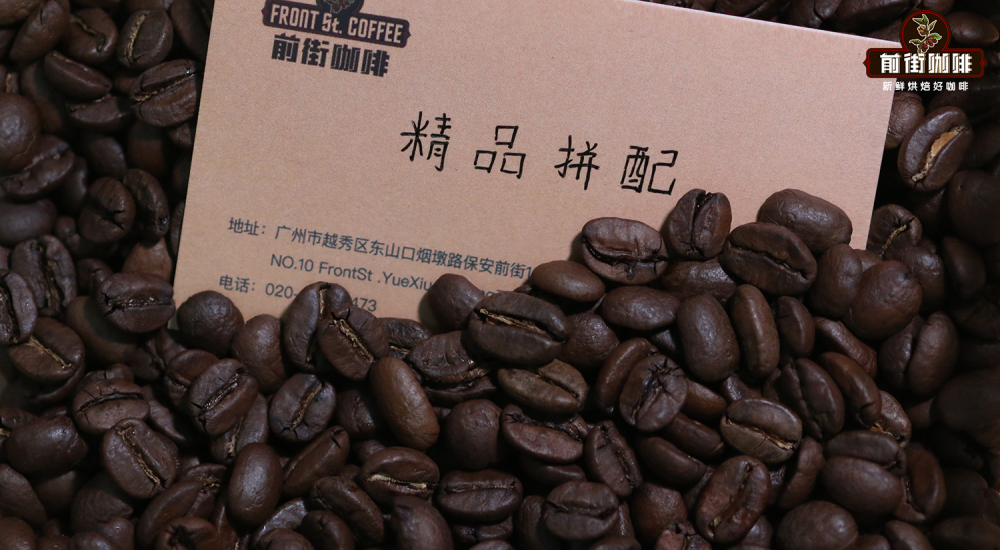
This blend combines Brazil and Colombia. Tasting it reveals a faint roasted-grass fragrance, a clear aroma with a touch of bitterness, and a smooth, sweet, refreshing finish. The Colombian beans from the Huila region bring a pleasant acidity and a mellow, sweet aroma, while the Brazilian beans from the Cerrado bring a comfortable bittersweet balance and an extremely smooth entry. Together they simply work.
FrontStreet Coffee Commercial Blend
Flavor: caramel sweetness, nutty and cocoa notes, dark chocolate, a balance of sweet and sour, slightly bitter, with a persistent aftertaste.
Formula: Colombia : Brazil : Robusta = 3:6:1
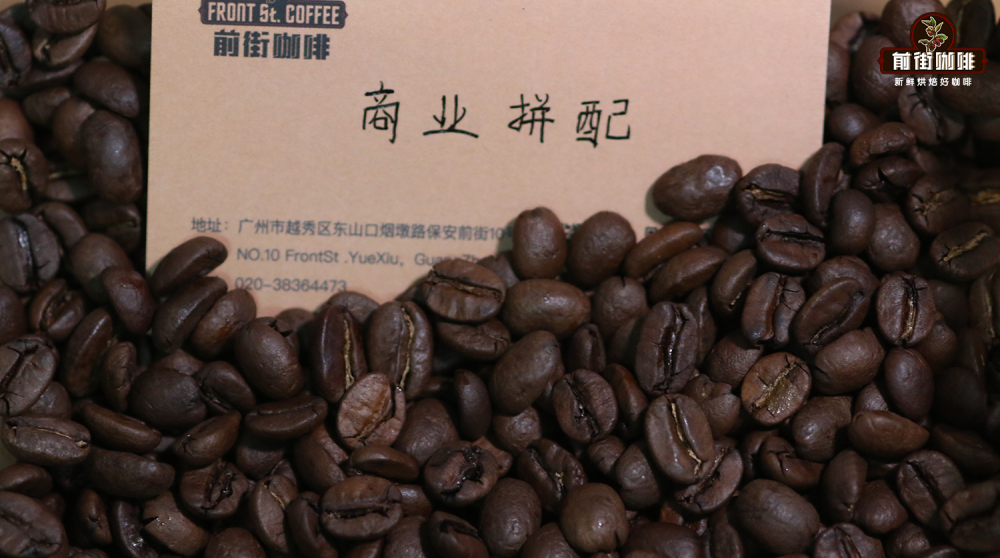
This blend uses Brazil and Colombia beans plus 10% Robusta. Classic in taste, it delivers rich crema and texture with caramel sweetness, nutty and cocoa notes, and dark chocolate, balanced between sweet and sour, slightly bitter, with a lasting finish. Like FrontStreet Coffee's Premium Blend it leans on Colombia and Brazil, but the Robusta adds a generous crema that makes the body even mellower.
FrontStreet Coffee Basic Blend
Flavor: gentle fruit acidity, caramel sweetness, nutty and dark chocolate notes, smooth and viscous, with a relatively light flavor.
Formula: Yunnan : Brazil = 3:7
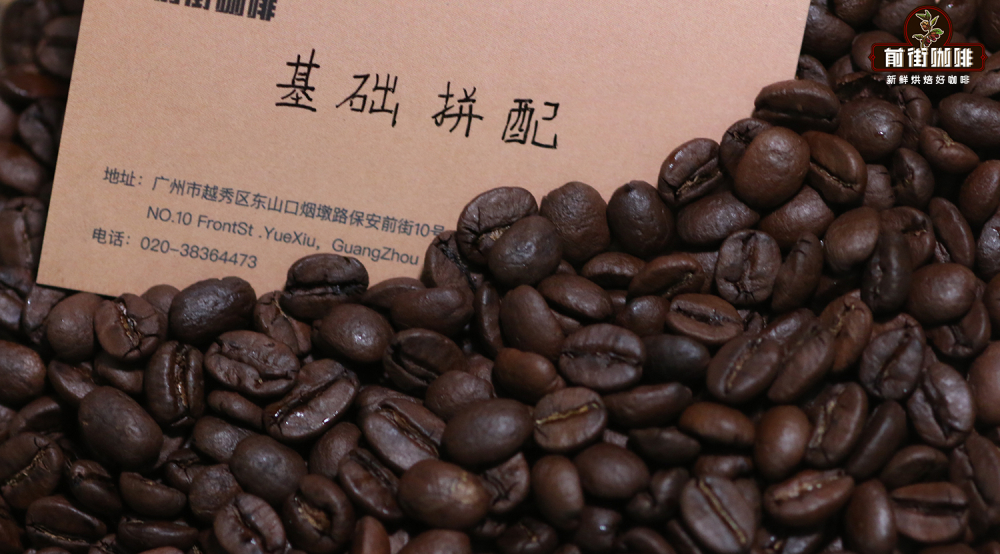
This blend uses Brazil and Yunnan. FrontStreet finds gentle fruit acidity and caramel sweetness, plus nutty and dark chocolate notes, smooth and viscous, though the flavor is relatively light. Yunnan's growing conditions closely resemble Colombia's (high altitude, wide day-night temperature swings), giving a mellow profile, moderate acidity, a rich body, even particles, and high oil content with fruit aroma, much like Colombian coffee, only a touch lighter. The Brazilian Cerrado beans add a comfortable bittersweet edge and an extremely smooth entry. The pairing works well, and this Basic Blend offers excellent value for espresso beginners and small cafés.

That is what FrontStreet Coffee has compiled about the flat white, in the hope that enthusiasts who want to understand the drink can choose an espresso blend suited to their taste.
FrontStreet Coffee Recommendation
Because a flat white leans on the coffee rather than the milk, the beans matter more than anything. If you favor a rich, savory profile, FrontStreet's Classic Blend brings a butter-and-cheese character with a mellow, low-acid body and a full, fine crema that stands up beautifully to steamed milk. For a more fruit-forward cup, FrontStreet's Strawberry Candy espresso blend carries almost no bitterness and pours with ripe grape and blueberry notes, sweet and tart in equal measure; with fresh milk it drinks almost like a strawberry milkshake and leaves a lasting impression.
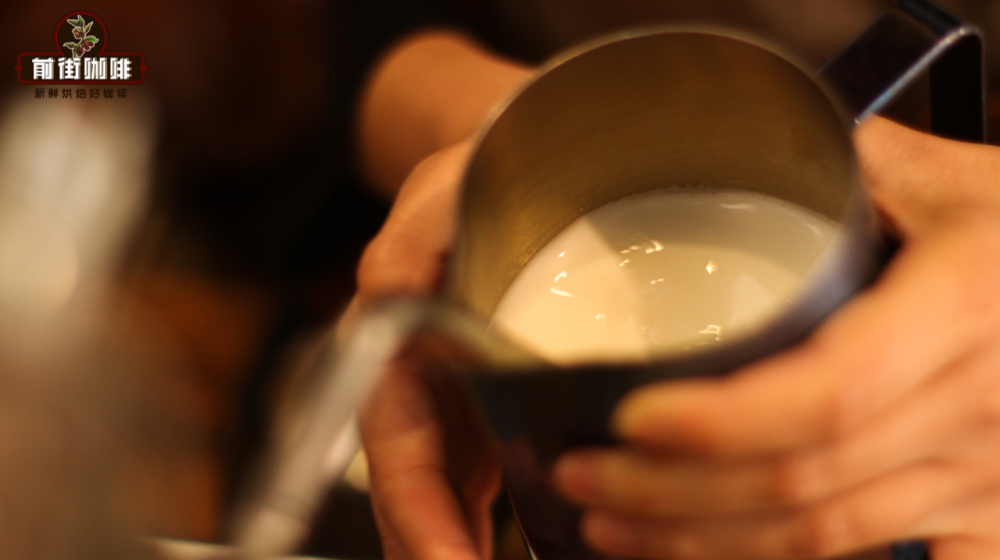
Milk choice matters just as much. Too thin and the flat white feels hollow; too heavy and the milk buries the coffee. Reach for fresh refrigerated milk and steam it carefully so the natural sweetness comes forward. To keep the foam thin and silky rather than fluffy, aerate only briefly, then sink the steam wand and build a fast whirlpool until the milk is glossy and dense. Poured gently over a ristretto base, that is the makings of a proper flat white.
Important Notice :
FrontStreet Coffee is a long-established specialty coffee roaster in Guangzhou China, selling freshly roasted beans from its own farm in Yunnan as well as dozens of carefully selected single-origin beans from around the world for both pour-over and espresso. The products deliver consistently excellent quality and great value, with shipping within 24 hours. Guangzhou's FrontStreet Coffee shop is recommended by many coffee lovers, and the beans are now available online at the Tmall 。
FrontStreet Coffee has moved to a new address:
FrontStreet Coffee Address: 315,Donghua East Road,GuangZhou
Tel:020 38364473
 Scan and follow the En Gafei WeChat official account. Please indicate that the reprint comes from "En Gafei".