Panama's Highest Coffee Plantation: An Introduction to Finca Deborah Coffee
When the talk turns to Panama's specialty coffee, you can't overlook Geisha, and when Geisha comes up, the first name most people think of is likely Panama's Hacienda La Esmeralda.
FrontStreet Coffee has introduced many Panamanian coffees, and the delicate florals of the Geisha variety have left a strong impression on enthusiasts. That is thanks to Panama's excellent climate, which gives the crop a longer growing cycle and lets it accumulate sugars during slow growth.
Besides Hacienda La Esmeralda, which has won countless awards by entering competitions itself, there is another estate that is quite special: it helps others compete and win major prizes. This is Finca Deborah, and it has been gaining recognition ever since.

Worth noting, Finca Deborah's owner, Jamison Savage, manages three coffee projects: Finca Deborah, Morgan Estate, and Savage Coffee.
Finca Deborah
Finca Deborah's owner, Jamison Savage, was originally an American banker who moved to Panama after marrying his Panamanian wife. For the past decade he has devoted himself entirely to building his ideal coffee estate in Panama, even though everyone initially thought it was impossible.

Jamison was undeterred. Starting in 2007 he began planning the estate's infrastructure, and in 2010 he planted the first batch of Geisha at an altitude above 1,900 meters. The first small-scale harvest came in 2015, with commercial harvest beginning in 2016.
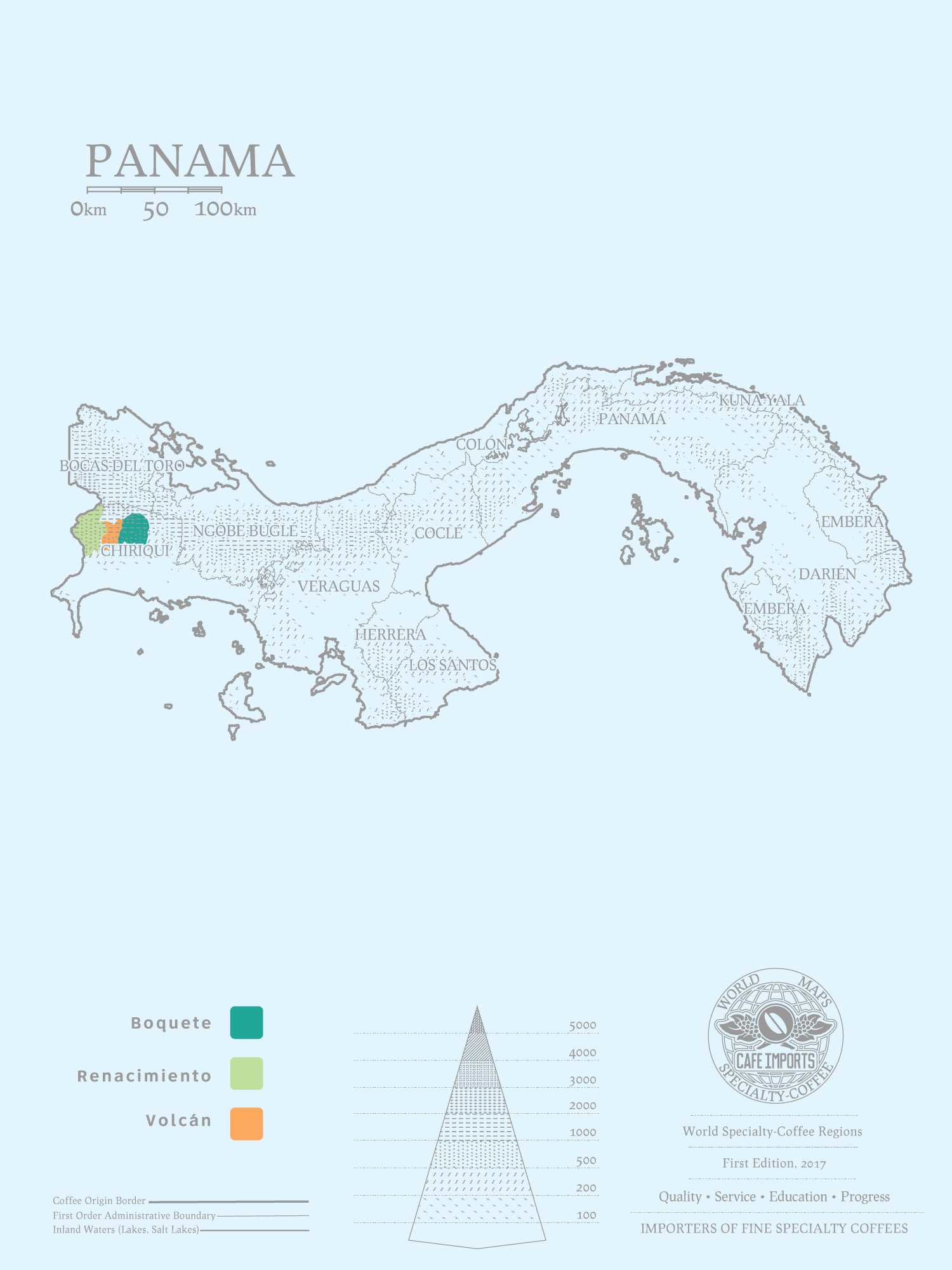
Finca Deborah sits on a majestic mountain in the Volcán region of Chiriquí Province, Panama. The estate's altitude exceeds 1,900 meters and it is covered by vast primary forest, making it the highest and most secluded coffee estate in Panama. Such altitude brings a wide day-night temperature swing, with nighttime temperatures dropping to 10°C. According to local farmers' experience, good coffee simply cannot be grown at such altitudes.

It is precisely because of this extremely high altitude that disease stays naturally at a minimum. The temperature alone makes it a desolate place for fungal problems and other unwanted diseases, freeing the coffee trees to produce beautiful fruit instead of wasting energy fighting disease. The higher elevation also keeps insect problems low.
Beyond the altitude and cooler temperatures favorable to coffee, Finca Deborah is often wrapped in dense fog and heavy rain, with annual rainfall of 2,200 millimeters. Together these conditions let the estate produce coffee with delightful sweet-sour notes, delicate and lingering flavors, and complex, unique character. Geisha, the world's most environmentally demanding variety, not only survives but thrives in Finca Deborah's superior conditions.
Morgan Estate
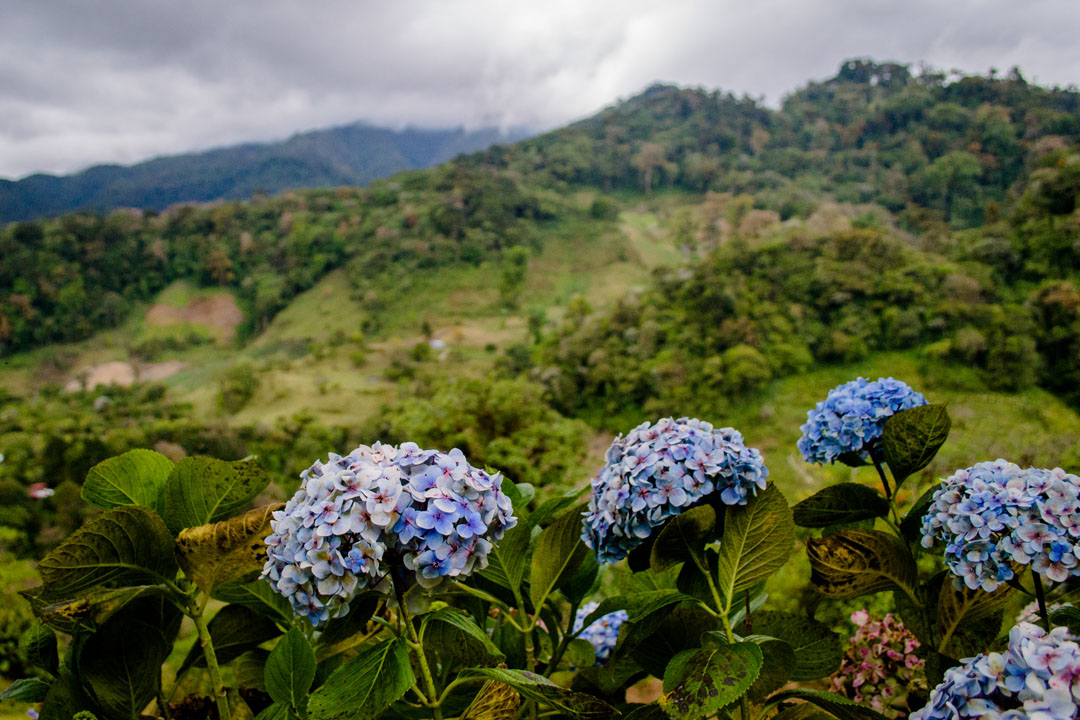
Morgan Estate is Finca Deborah's sister estate, located in Volcán, Chiriquí, on the steep western foothills of Volcán Baru. Surrounded by lush tropical rainforest and waterfalls, it covers a total area of 15 hectares, with each hectare planted to 2,000 coffee trees, and two clear rivers flowing from north to south. Century-old trees are everywhere, creating a beautiful landscape the estate works hard to protect.
Savage Coffee
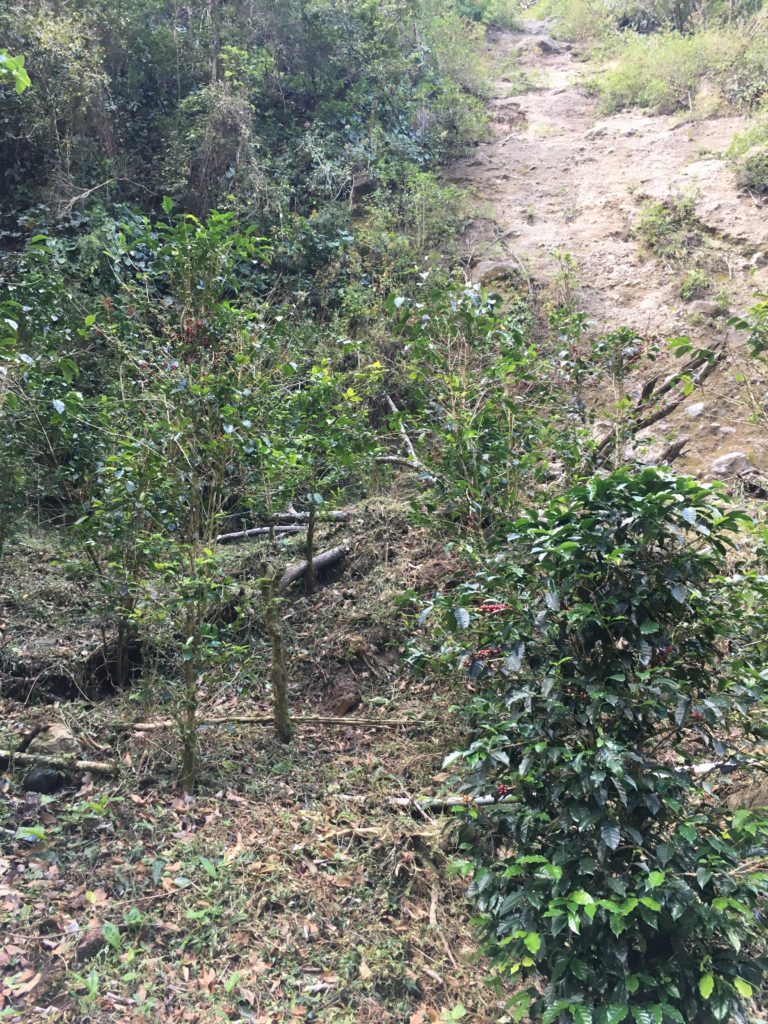
The Savage Coffee project was initiated by Jamison Savage in Panama's Boquete region. Its members are small coffee estates and smallholder farmers from the Boquete and Volcán producing areas. Jamison positions himself among the world's most accomplished coffee producers, and beans from his Finca Deborah have won famous competitions worldwide.
Savage series coffees are harvested from small estates and farmers in the Boquete and Volcán regions. To obtain coffee with optimal flavor, the project picks only fully mature red cherries. The growers behind the Savage series, like Jamison Savage, show the deepest respect for the local ecology, applying core ideas of sustainability, excellent quality, and innovation to their own land.
FrontStreet Coffee has also acquired a coffee from the Savage series. After cupping, FrontStreet Coffee's barista praised this Savage Coffee for its enticing floral aromas and pleasant sweet-sour notes.
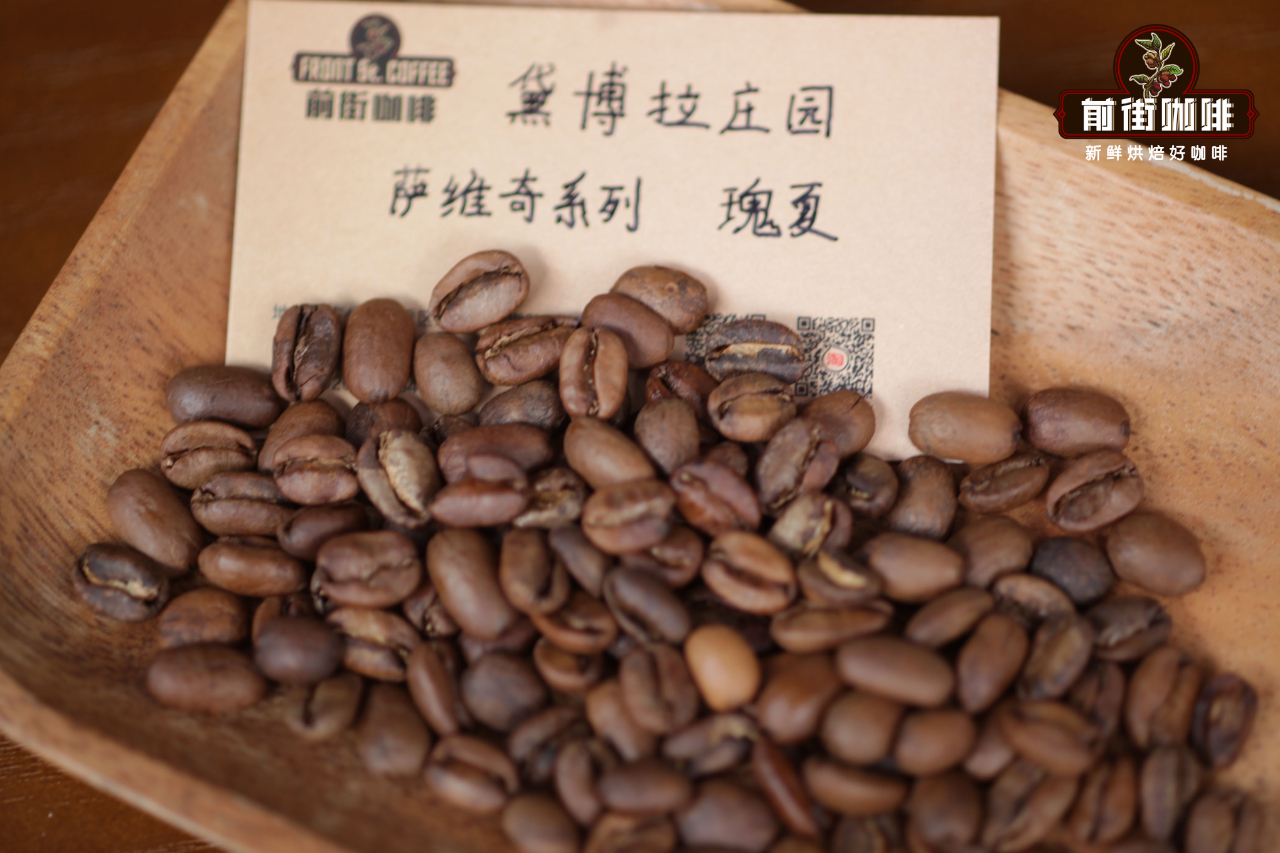
FrontStreet Coffee: Finca Deborah Savage Series Geisha Coffee Beans
Origin: Panama, Volcán region
Estate: Finca Deborah
Owner: Jamison Savage
Altitude: 2000m-2350m
Variety: Geisha
Grade: SHB
Processing Method: Anaerobic Natural Process
Coffee Processing Method
Jamison has researched post-harvest processing and techniques at Finca Deborah for over a decade. The Savage Series Geisha acquired by FrontStreet Coffee uses the anaerobic natural method.
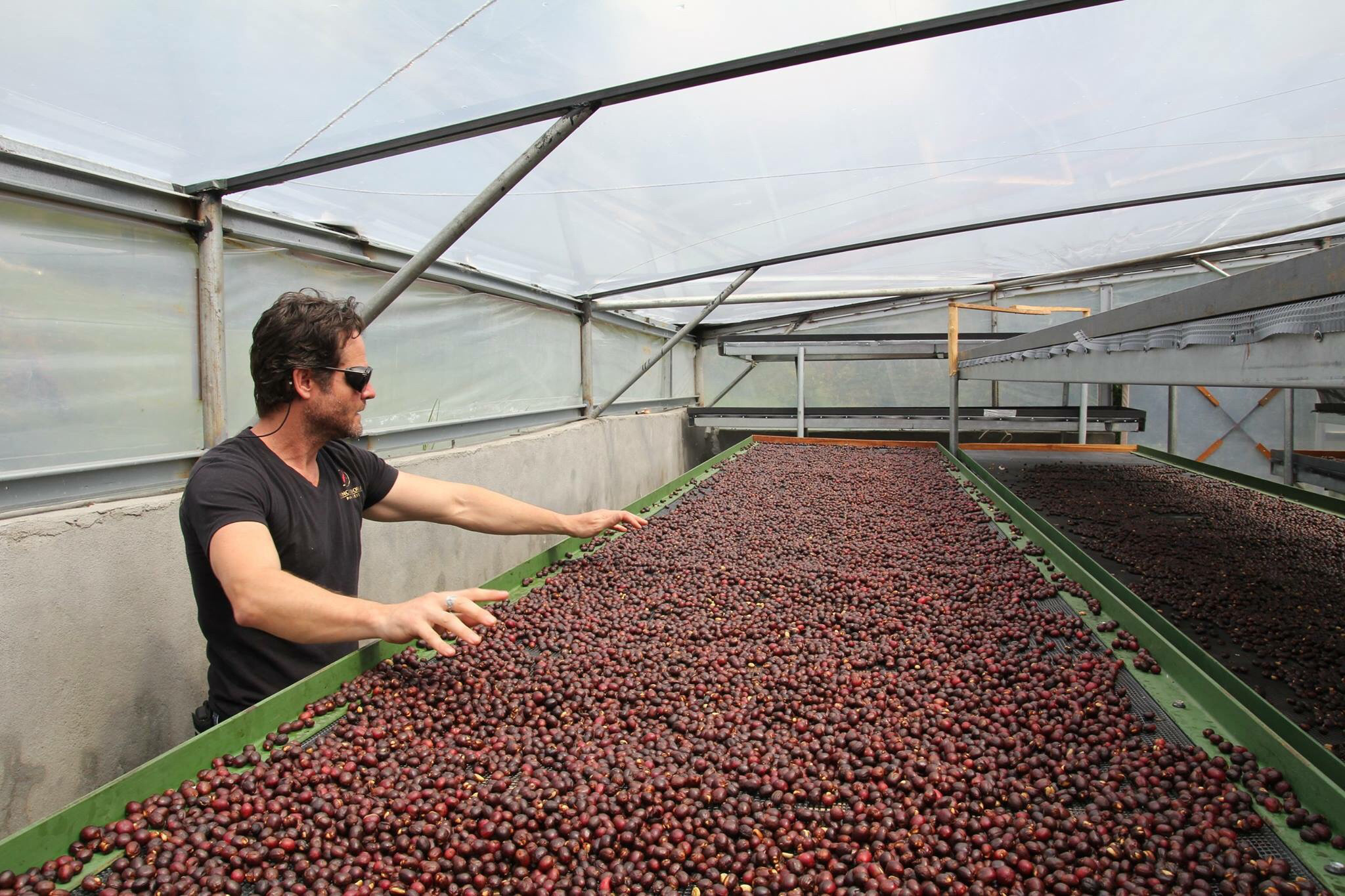
First, freshly picked cherries are sun-dried in a greenhouse until they become raisin-like and shriveled. These shriveled cherries are then placed in sealed containers, oxygen is extracted, and they undergo dry fermentation for 36 hours. After that, depulping is performed while retaining 100% of the pulp for fermentation. Coffee processed this way has an extremely sweet flavor, highlighting fresh fruit and floral notes.
FrontStreet Coffee Brewing Recommendations
FrontStreet Coffee considers this Geisha lightly roasted. Light-roasted beans dissolve more slowly than dark-roasted ones, so to ensure full extraction we brew with higher water temperature and a finer grind. Some fans have noticed that FrontStreet Coffee usually recommends 1:15, while Hacienda La Esmeralda's Geisha uses 1:16. The reason is that a slightly wider ratio helps you appreciate Geisha's layering and flavors more fully.
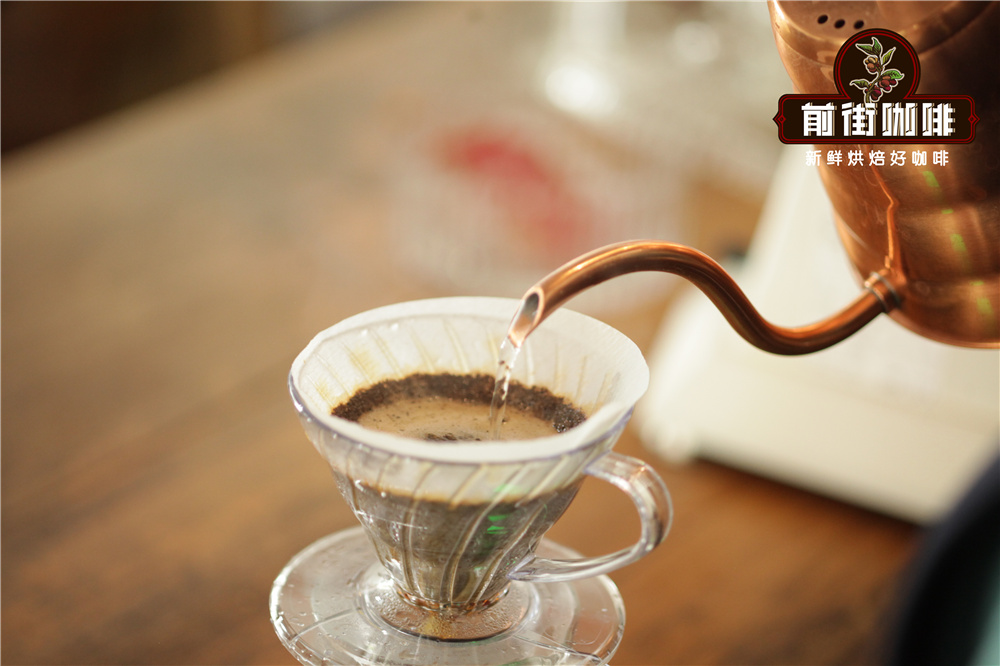
FrontStreet Coffee uses segmented extraction, also called three-stage brewing. Pour 30g of water for a 30-second bloom, then continue in small circles to 125g for the first split. When the water level drops and is about to expose the bed, continue pouring to 240g and stop. When it drops again and is about to expose the bed once more, remove the dripper. (Timing starts at the beginning of the bloom.) Extraction time: 2'00"-2'05".
Flavor Description
Prominent white floral aromas, pineapple-like and fermented-beverage sweet-sour notes, a full body, and an overall clean, balanced cup.

FrontStreet Coffee Recommendation
If Finca Deborah's story has you curious about Geisha, Panama is the place to start, and FrontStreet's Boquete Geisha is the accessible entry. Grown at 1,600 meters in the fertile volcanic ash of Boquete, it delivers the jasmine floral, green tea, honey, citrus, and orange flavors that define the variety, with a refined orange-blossom honey character and a clear, layered structure.
For the top of the Esmeralda line, FrontStreet's Esmeralda Estate Red Label Geisha, officially "Esmeralda Special," is grown at 1,600-1,800 meters, must cup above 90, and comes from a single plot with its own lot number, letting buyers choose by subtle flavor. FrontStreet's Esmeralda Green Label Geisha, or "Private Collection," blends batches from several plots to express the estate's signature high-altitude Geisha character at a more accessible price, offering excellent value.
To explore Geisha's Ethiopian roots, FrontStreet's Grana Geisha comes from a station on the border of Kochere and Gelana Abaya. Thanks to the fertile soil and shade of the original rainforest, the naturally processed cherries, hand-picked fully ripe and dried on raised beds for 14-20 days, yield a medium-light roast with bright citrus acidity, an elegant ginger-flower aroma, ripe-fruit sweetness, and a fine, silky body with Geisha's signature refined finish.
Important Notice :
FrontStreet Coffee is a long-established specialty coffee roaster in Guangzhou China, selling freshly roasted beans from its own farm in Yunnan as well as dozens of carefully selected single-origin beans from around the world for both pour-over and espresso. The products deliver consistently excellent quality and great value, with shipping within 24 hours. Guangzhou's FrontStreet Coffee shop is recommended by many coffee lovers, and the beans are now available online at the Tmall 。
FrontStreet Coffee has moved to a new address:
FrontStreet Coffee Address: 315,Donghua East Road,GuangZhou
Tel:020 38364473
 Scan and follow the En Gafei WeChat official account. Please indicate that the reprint comes from "En Gafei".