Introduction to El Salvador's Finca Lover's Estate: Chocolate Lover Single Origin Coffee Flavor

For professional coffee knowledge exchange and more coffee bean information, follow Coffee Workshop (WeChat public account: cafe_style).
El Salvador Santa Ana
Estate: Finca Guayabo Chocolate Lover Estate
Variety: Bourbon
Altitude: 1450 m
Grade: SHB
Processing Method: 50% washed, 50% honey processed
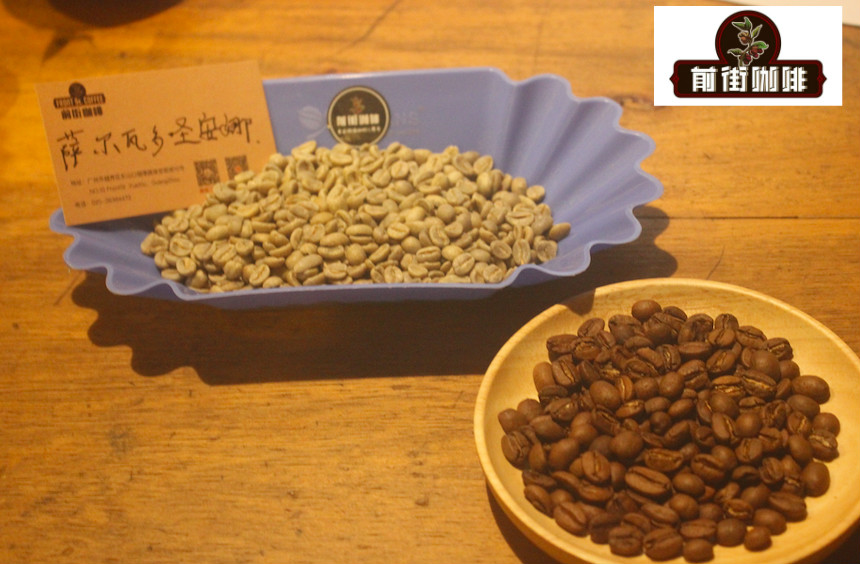
Bean Information
El Salvador is one of the smaller countries in Central America and one of the most densely populated. Its coffee is prized for its exceptional balance. In the Cuscacbapa region, packaged beans sit ready for export. Salvadoran coffee is a Central American specialty known for its light body, aroma, purity, and mild acidity. Like Guatemala and Costa Rica, El Salvador grades coffee by altitude: the higher the altitude, the better the cup. The best-known brand is Pipil, the Aztec-Mayan word for coffee, which holds organic certification from the Organic Certified Institute of America. Another rare coffee here is Pacamara, a cross between Pacas and Maragogype. Its best production area lies in western El Salvador, next to Santa Ana near the Guatemalan border. Pacamara beans are full and their aroma is milder.
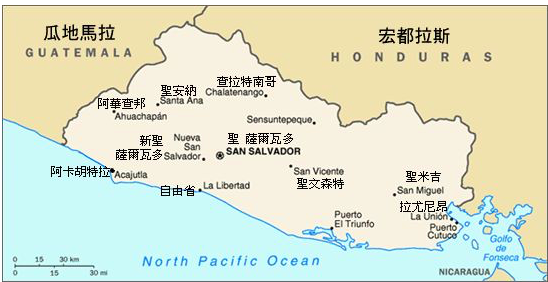
El Salvador has six major coffee-producing regions, all on high mountain slopes or plateaus covered in volcanic ash at altitudes above 1,200 meters. The harvest and picking season runs from November to April of the following year. Because coffee prefers a mild climate, Salvadoran trees are mostly grown under tall shade trees (shade-grown coffee) to avoid the high temperatures and direct sunlight that would harm bean quality. The beans produced are Arabica, mainly the Pacas and Bourbon varieties, with large beans and sweet, excellent flavor. Santa Ana Volcano, in El Salvador's Santa Ana region, rises to 2,381 meters, making it the country's highest volcano. Its summit holds four nested calderas and craters, with a small volcanic lake at the center.
Estate Introduction
Chocolate Lover Estate, or EL GUAYABO, is a farm in El Salvador's Santa Ana volcanic belt, at an altitude of 1,300-1,500 meters, set on the mountainside of the volcanic zone and extending along the valley. The winding terrain creates microclimates that give the coffee grown here very delicate flavors.
The farm mainly grows Bourbon, spreading across the whole mountainside. Thanks to the well-preserved original forest in the area, the plantation often receives visits from nearby birds, reptiles, and other wildlife.
Variety
Bourbon is a subvariety that arose from a mutation of Typica and, along with Typica, is among the oldest coffee varieties still in existence. Its green fruit ripens to a bright red. Compared with Typica, Bourbon has broader leaves and denser growth. Although it yields more than Typica, its cropping period is also two years, which makes it a low-yield variety. It rewards that, though, with excellent flavor: wine-like acidity and a sweet aftertaste.
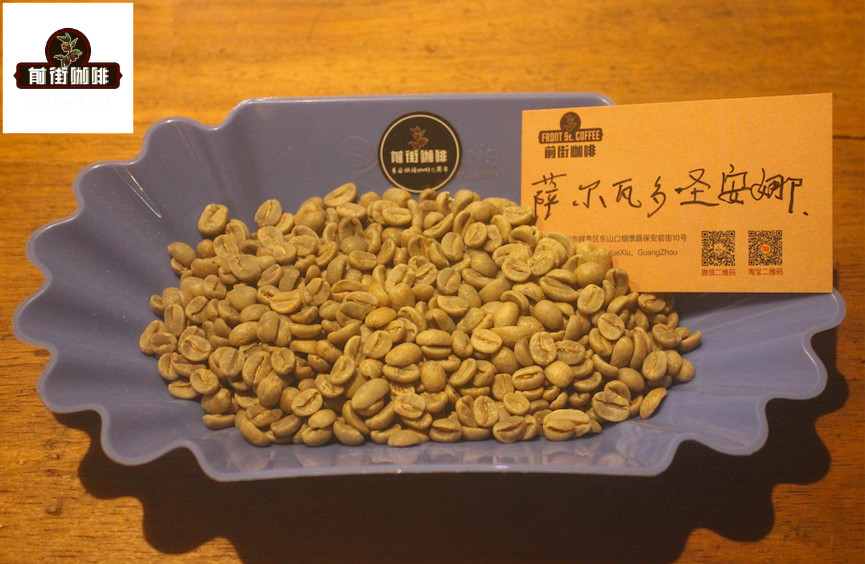
The beans are relatively large and uniform, with even color and luster. To make harvesting easier, farmers prune the trees so they do not exceed 150 centimeters in height.
Processing Method (50% washed, 50% honey processed)
Finca Guayabo uses different post-processing methods to showcase this bean. By taking 100% Bourbon and splitting it - 50% honey processed and 50% washed - the estate lets the same variety present different flavors through different methods, creating a multi-layered, milk-like smoothness with cocoa and chocolate tones, which is where the name "Chocolate Lover" comes from.
The honey processing takes place at a facility at approximately 1,800 meters altitude. Working at a lower altitude is deliberate: this area is less prone to fog, with ample sunlight and strong UV radiation, so the beans absorb enough heat to develop excellent aroma. This lets the coffee dry quickly while better expressing its flavors.
The washed method uses the region's abundant water to give the coffee a very clean taste. Combining 50% honey processing with 50% washed yields a distinctive single-origin coffee that represents the flavor profile the estate aims to express, filling the cup with chocolate, cocoa, and nut notes, which is why it is called the "Chocolate Lover" series.
Roasting Analysis
When FrontStreet Coffee's roasters received the green beans for this El Salvador Santa Ana, they noted that the beans were fairly dense. During roasting they used medium heat to extend the dehydration time. After first crack, they appropriately extended the caramelization reaction, making the bean's sweetness more prominent in the cup.
Roasting machine: Yangjia 800N (roasting amount: 300 grams)
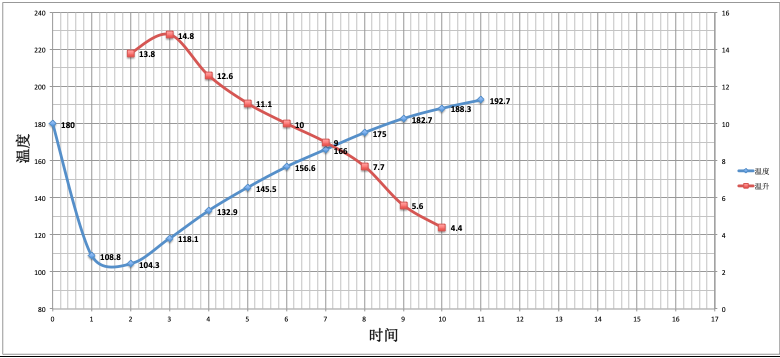
Charge temperature: 180 degrees C, heat: 125, damper: 3; return point at 1'39", and when the drum temperature reached 140 degrees C the damper was adjusted to 3.5 and heat to 100; when the drum temperature reached 151.2 degrees C the bean surface turned yellow and the grassy smell disappeared completely, entering the dehydration stage. When the drum temperature reached 156 degrees C, heat was adjusted to 80 with the damper unchanged; when it reached 166 degrees C, heat was adjusted to 50, damper unchanged. After first crack, the damper was adjusted to 5.
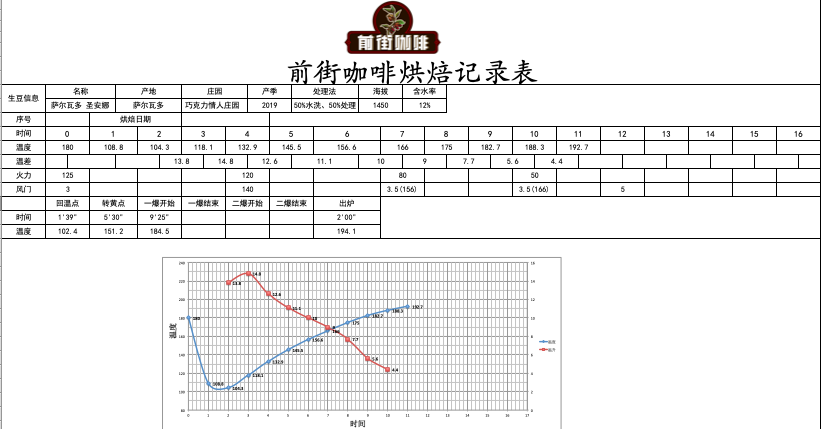
At 8'38", ugly wrinkles and black spots appeared on the bean surface and the toast smell clearly turned to coffee aroma, which can be defined as the prelude to first crack. At this point, listen carefully for the sound of first crack. At 9'25", first crack begins and the damper opens to 5. After first crack, develop for 2'00" and discharge at 194.1 degrees C.
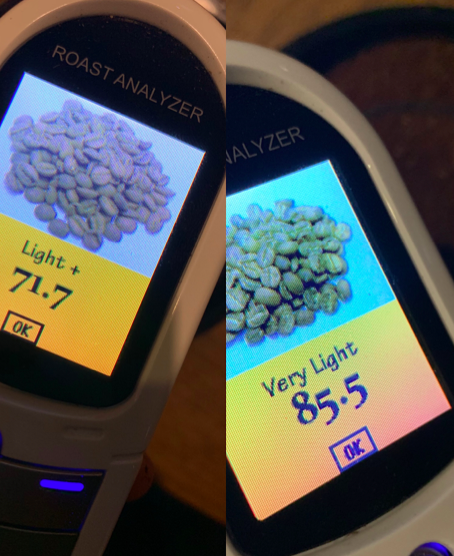
The Agtron bean color value is 71.7 (left image), the Agtron powder color value is 85.5 (right image), and the Roast Delta value is 13.8.
Cupping Analysis
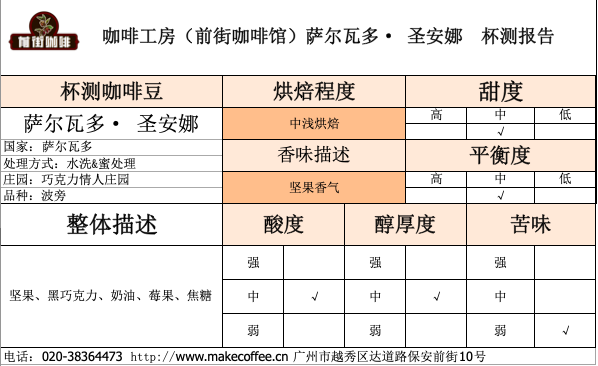
Cupping flavors: nuts, dark chocolate, cream, berries, caramel.
1. Flavor descriptions vary from person to person and are influenced by water temperature and brewing method. This cupping report describes flavors against the flavor wheel under the same brewing equipment and parameters, and is for reference only.
2. Content will be promptly corrected based on new information; the latest update prevails.
Brewing Sharing
For brewing, we took into account that these beans are medium-light roasted, so the editor chose the V60 dripper and a segmented approach to showcase the bean's layered texture in the mouthfeel.
Recommended brewing method: Pour-over
Dripper: V60
Water temperature: 88-90 degrees C
Coffee-to-water ratio: 1:15
Grind size: BG -6T (Chinese standard 20-mesh sieve pass rate 57%), i.e., medium-fine.
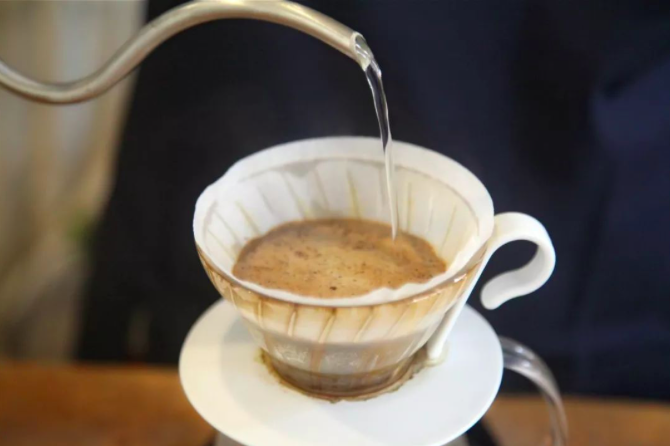
Brewing technique: Segmented extraction. Use 33 g of water for a 30-second bloom, then pour in small circles to 127 g for a segment. When the water level drops and is about to expose the coffee bed, continue pouring to 228 g and stop. Wait for the water to drop to just before the bed is exposed, then remove the dripper. (Timing starts from the bloom.) Extraction time: 1'58".
Flavor: The aroma has fruity and nutty notes. The entry shows nuts, cream, and caramel, with berry and citrus acidity in the aftertaste. The overall mouthfeel is quite balanced.
END
FrontStreet Coffee Recommendation
If you enjoy the honey-processed half of this Chocolate Lover blend, FrontStreet Coffee's honey-processed lineup is a great place to go next. The FrontStreet Costa Rica Blackberry uses a distinctive black honey process that removes almost none of the mucilage, dries for at least two weeks under shade cloth so the sugars convert fully, and is turned regularly to avoid uneven fermentation. Roasted medium-light, it smells of rich fresh flowers and drinks with grape, berry, and ripe blackberry notes.
For something sweeter and more aromatic, try the FrontStreet Costa Rica Mozart. Its raisin honey process pre-dries the whole cherry on raised beds for at least three days before the skin and pulp are removed, retaining 100% of the pectin - a method even harder to control than black honey. Whichever way you brew it - pour-over, cold brew, or moka pot - you get distinctive osmanthus, pineapple, and raisin aromas.
And if you like the idea of honey process blended with Geisha character, the FrontStreet Strawberry Candy pairs Panamanian Geisha with a Costa Rican raisin-honey coffee, a 100% pectin, zero-water method. It carries the Geisha's floral, tea-like lift alongside grape and raisin sweetness, soft fruit acidity, an almond finish, and clear sweetness.
Important Notice :
FrontStreet Coffee is a long-established specialty coffee roaster in Guangzhou China, selling freshly roasted beans from its own farm in Yunnan as well as dozens of carefully selected single-origin beans from around the world for both pour-over and espresso. The products deliver consistently excellent quality and great value, with shipping within 24 hours. Guangzhou's FrontStreet Coffee shop is recommended by many coffee lovers, and the beans are now available online at the Tmall 。
FrontStreet Coffee has moved to a new address:
FrontStreet Coffee Address: 315,Donghua East Road,GuangZhou
Tel:020 38364473
 Scan and follow the En Gafei WeChat official account. Please indicate that the reprint comes from "En Gafei".