Three Common Mistakes in French Press Coffee Brewing! What's the Right Grind Size for Delicious French Press Coffee?
Introduction to French Press
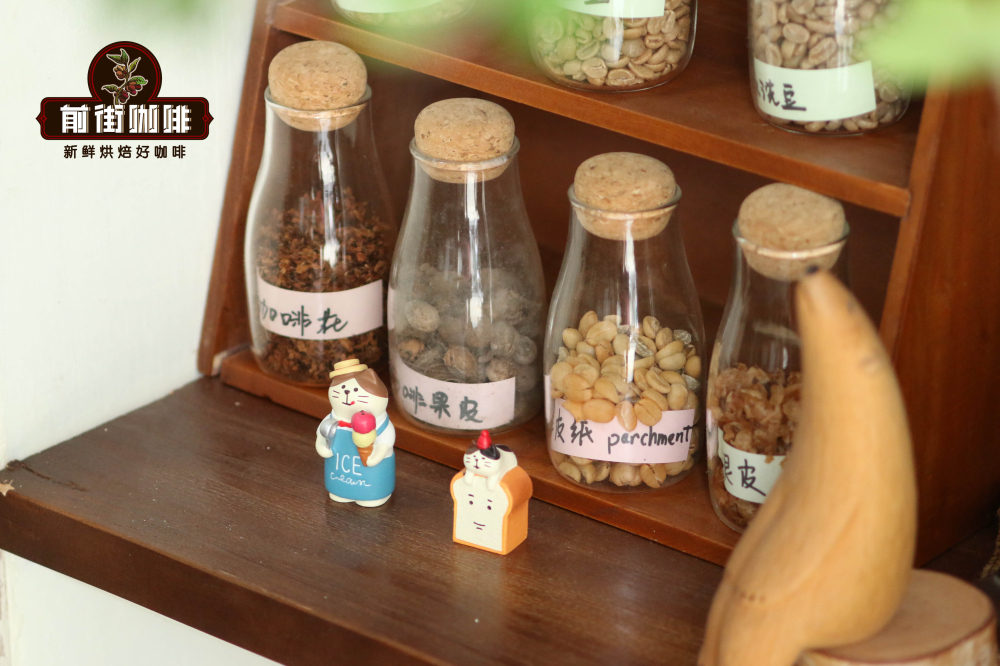
The French press is arguably the most famous and most widely used coffee brewer in the world. In the home of a coffee novice or a seasoned connoisseur alike, you can usually find one tucked into a corner of the brewing shelf.
There was once a coffee beginner who lacked confidence in their pouring but wanted a fuller, more refined cup, so they came to FrontStreet Coffee for help. Besides encouraging more practice, FrontStreet Coffee brought out a long-unused French press from the shop.

People use French presses in different ways - some brew tea, others brew coffee. Whatever the drink, the press proves its basic function of separating grounds from liquid. Like other coffee brewers, the French press has its own origin story.
The first known written record of the French press dates to 1852, when two Frenchmen, Henri-Otto Mayer and Jacques-Victor Delforge, filed a patent for the device. Because design flaws prevented a truly sealed container, other designers had room to develop and release their own versions.
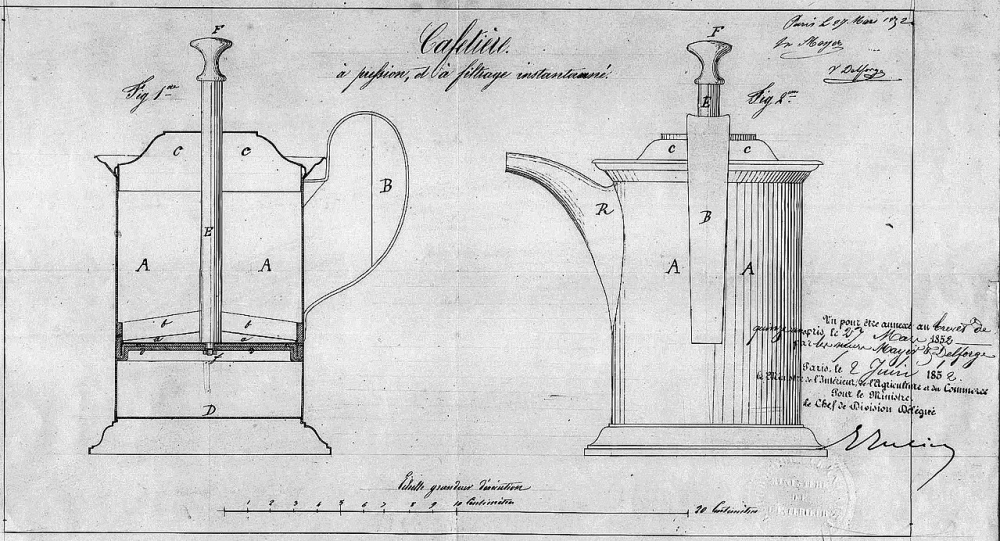
In 1929, Italians Attilio Calimani and Giulio Moneta obtained a US patent for the French press, creating the prototype of the modern press. Today, French presses appear in many home-goods catalogs. Made of borosilicate glass, they are durable, reliable, reasonably priced and simple to operate, which makes them an ideal choice for beginners entering the world of specialty coffee.
How the French Press Works
When brewing with a French press, coffee grounds go into the pot and are fully immersed in hot water. Then a plunger fitted with a metal filter separates the coffee liquid from the grounds. This method produces coffee with excellent body, enhancing both the texture and the oils.
Important Considerations for French Press Operation
The simple steps of the French press make many beginners feel welcomed by the coffee world. Even so, there are important details to watch during brewing. The press relies mainly on immersion, so there are clear limits when it comes to grind size, water temperature and coffee-to-water ratio.
Grind Size
Because the French press is an immersion brewer, the grind is generally coarser than for pour-over. Fine particles are also an important source of flavor, though, and grounds that are too coarse may fail to release the coffee's flavor, ending in a weak cup. If the grind is too fine, or if there is too much fine material, the metal filter may not separate the grounds effectively, leaving an unpleasant gritty sediment that noticeably spoils the mouthfeel.
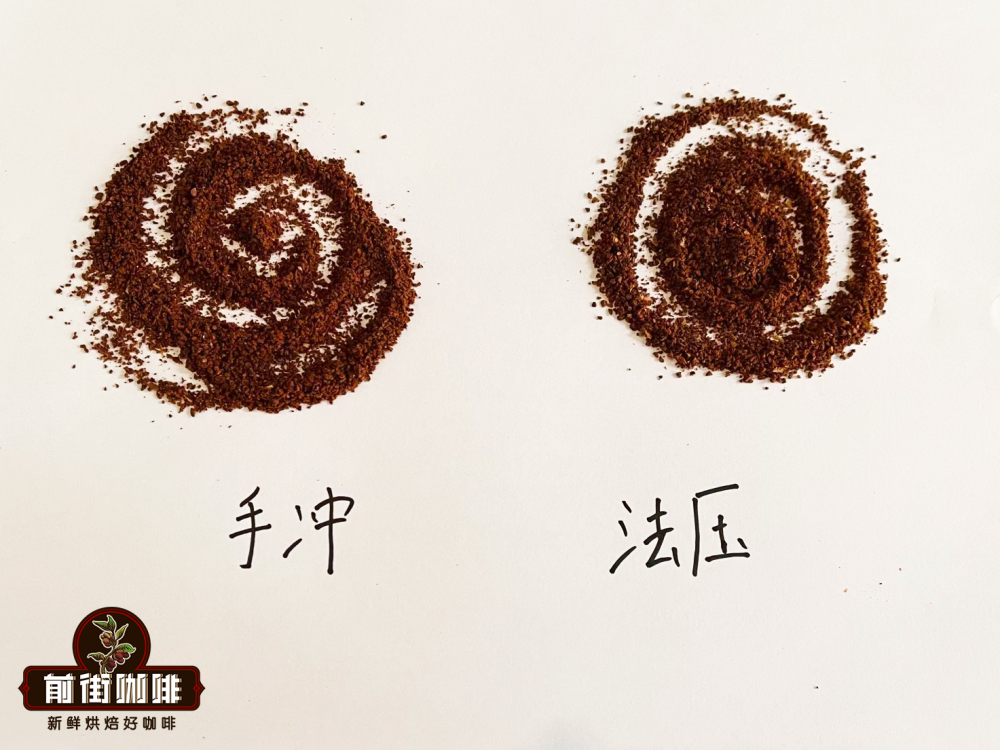
Both the French press and cupping are immersion methods. FrontStreet Coffee recommends a grind with 70-75% retention on a Chinese standard #20 sieve. Because grinding equipment differs in specification, burr type and condition, the resulting powder varies. When FrontStreet Coffee describes grind size, it typically uses standard sieve retention as a benchmark, which you can then calibrate to your own equipment.
Water Temperature
Regular readers of FrontStreet Coffee articles may have noticed that FrontStreet Coffee uses different water temperatures for beans of different roast levels.
As the roast level deepens, the coffee particles absorb water more readily and flavors dissolve faster. Higher water temperatures accelerate these reactions and can easily produce bitter, burnt notes. FrontStreet Coffee therefore recommends 86-88°C for medium to dark roasts.
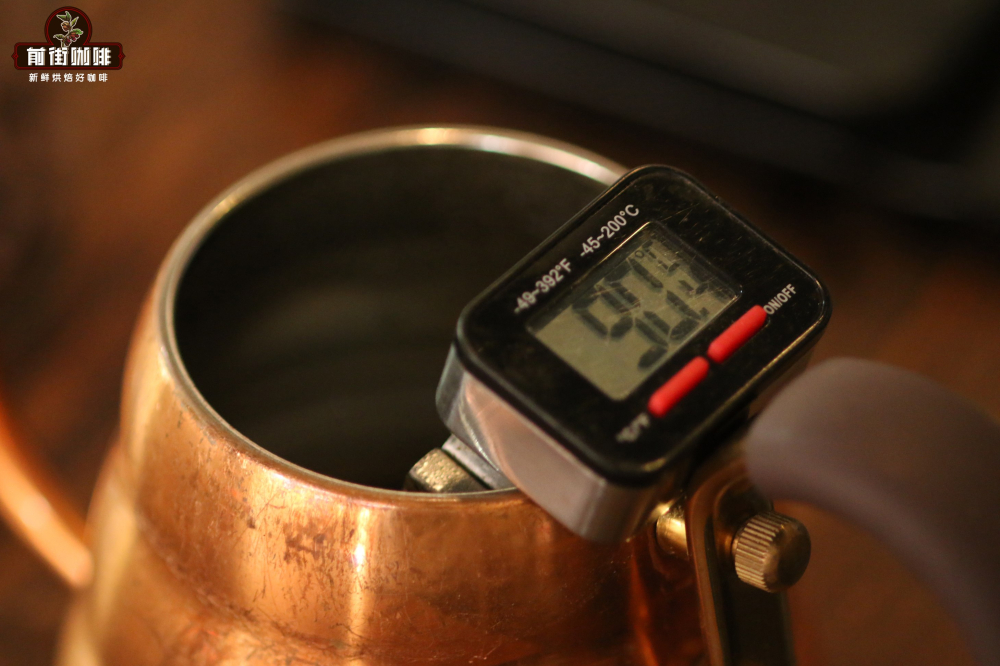
For lighter roasts, FrontStreet Coffee recommends 90-93°C, using the higher temperature to draw out the aromatic substances and fine acids of lighter-roasted beans.
Coffee-to-Water Ratio
The coffee community has long emphasized the idea of "Golden Cup Extraction": a coffee concentration between 1.15-1.35% and an extraction rate between 18-22%. When FrontStreet Coffee compared ratios of 1:13, 1:14, 1:15 and 1:16 using the same beans, water temperature and grind size, it found that 1:15 met both the concentration and extraction values of Golden Cup Extraction.
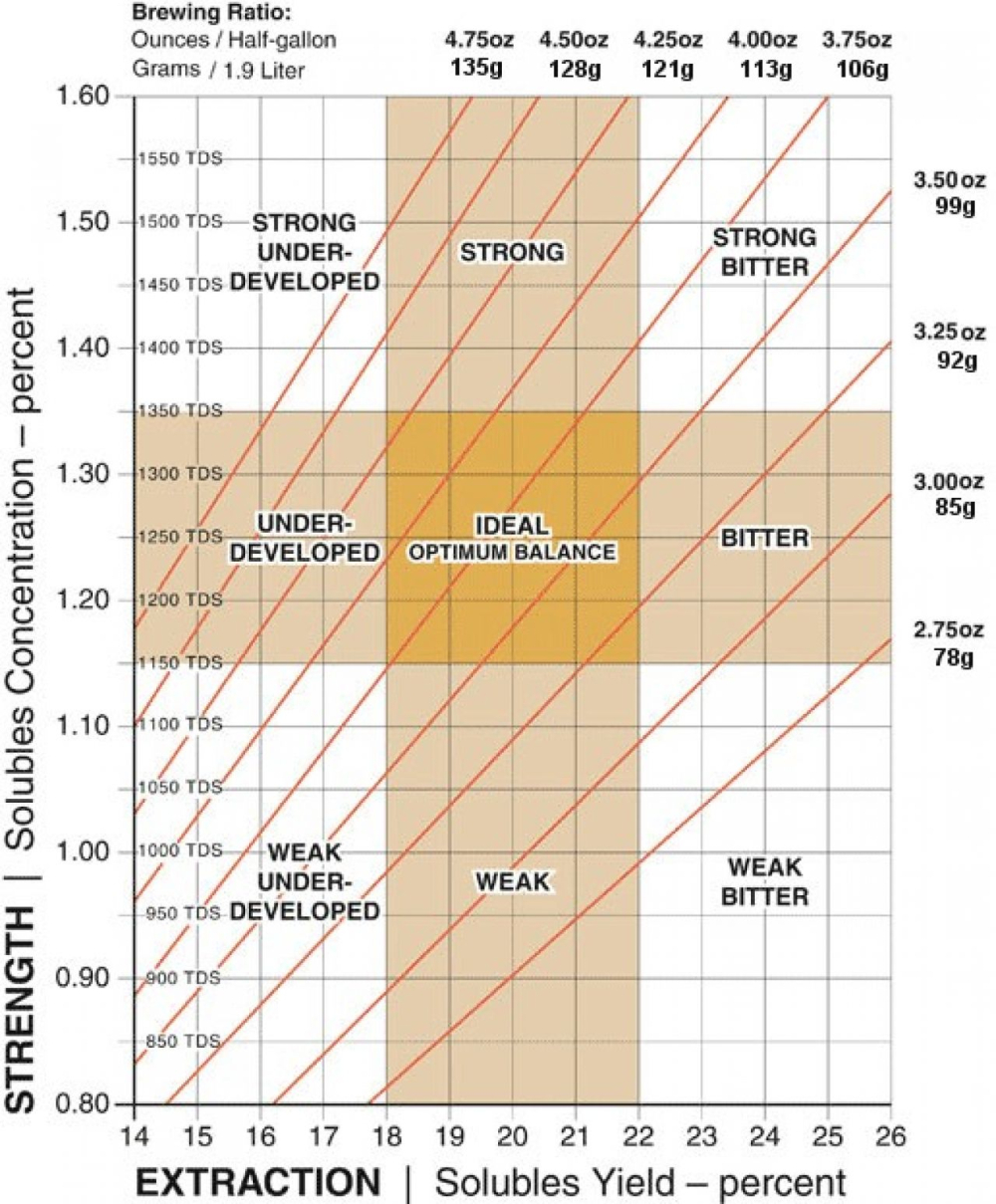
Although an extraction rate of 18-22% has broad consensus, tastes differ and preferences for strength vary widely - some like it strong, others light. FrontStreet Coffee suggests that, starting from 1:15, those who prefer a stronger cup can try 1:13 or 1:14, while those who prefer it lighter can try 1:16 or 1:17, and even experiment with the 1:18 ratio common in cupping.
Practical Brewing Demonstration
Next, FrontStreet Coffee will demonstrate using the Flower Queen beans from its selection of more than fifty varieties to make a cup of Flower Queen coffee with a fuller, juicier quality. First, FrontStreet Coffee needs to introduce the flavor profile of Flower Queen.
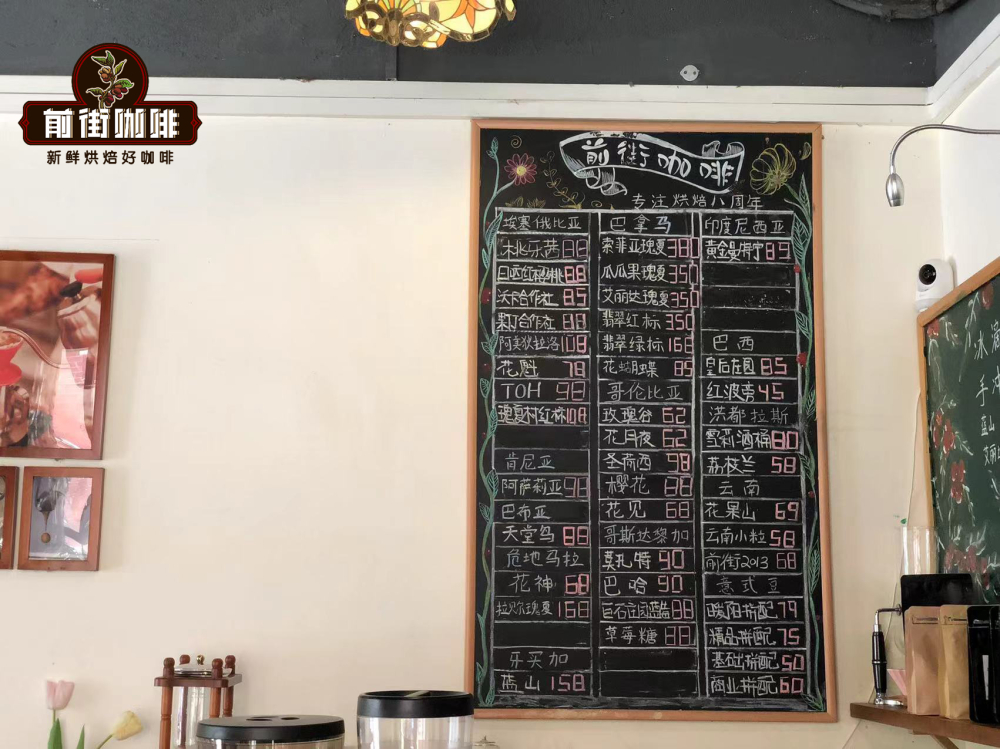
Flower Queen beans are produced in the Hambela sub-region of Ethiopia's Sidamo region. Since winning the TOH Ethiopia sun-dried category championship in 2017, Flower Queen has captivated many coffee lovers with its rich berry notes and persistent creamy aftertaste.
When building roast curves for African beans, FrontStreet Coffee typically uses a medium-light roast to highlight the bright fruity acidity. For the French press, FrontStreet Coffee recommends a grind with 75% retention on a Chinese standard #20 sieve, along with a higher water temperature.
Brewing Parameters
Equipment: French press
Water temperature: 90°C
Coffee amount: 15g
Coffee-to-water ratio: 1:15
Time: 4 minutes
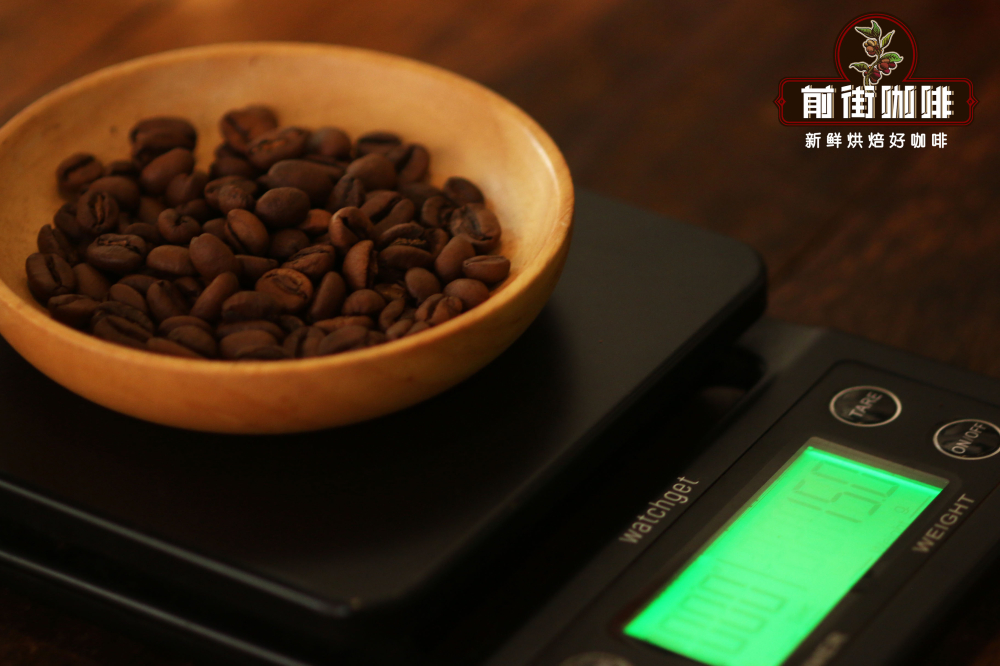
First, preheat the French press, pour in the ground coffee, add 90°C water at a 1:15 ratio, then lift the plunger to its highest position and cover with the lid. After steeping for four minutes, gently press the plunger down to the one-quarter position and pour out the coffee to enjoy.
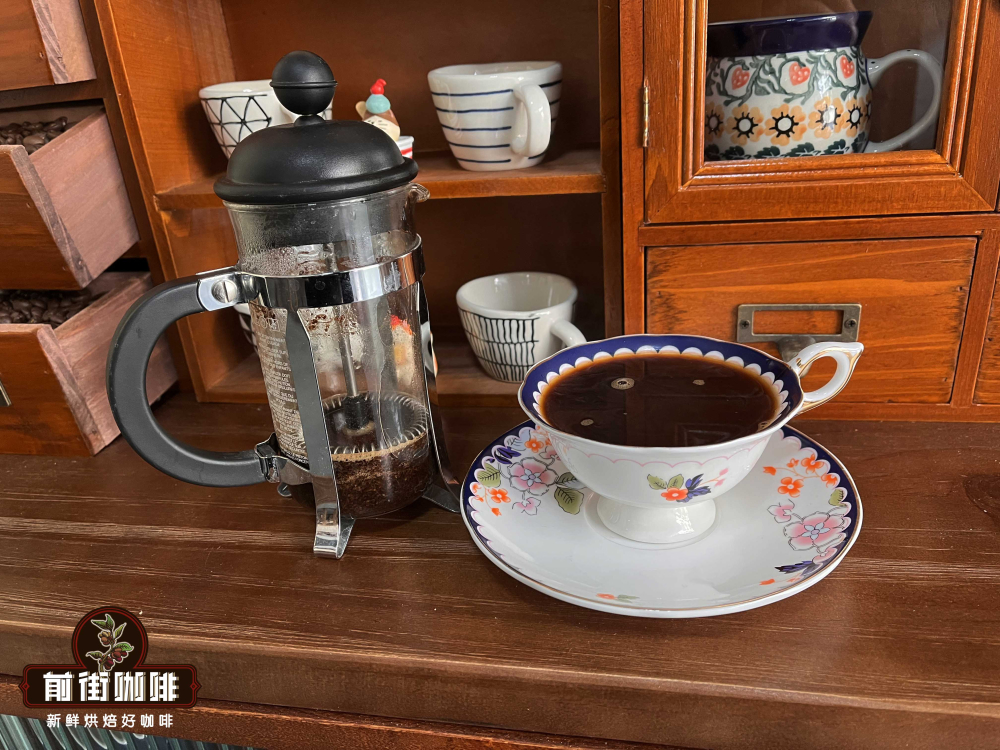
The Flower Queen coffee brewed by FrontStreet Coffee with the parameters and steps above offers distinct mixed-berry aromatics on entry, with complex juice-like qualities, subtle orange-blossom notes and evident creamy smoothness, for an overall full, rich experience.
For professional coffee knowledge exchange and more coffee bean information, keep reading with FrontStreet Coffee.
For more specialty coffee beans, FrontStreet Coffee welcomes coffee lovers who want to keep exploring.
FrontStreet Coffee Recommendation
If you use a French press and want a bright, aromatic cup, FrontStreet Coffee's Strawberry Candy is a great fit. This Gesha blend is custom-built from a Costa Rican honey-process coffee and a Panamanian washed Gesha, combining the finest characteristics of Central American coffee. Brewed in a French press it gives off rose, citrus, grape and dried blueberry aromas, and with milk it turns into strawberry gummy candy.
If you want a low-acid black coffee with a full, oily body, reach for FrontStreet Coffee PWN Gold Mandheling, one of Asia's best-known specialty coffees; the SOE is produced through three manual selections plus one mechanical selection, so the beans are even and translucent. After a medium-dark roast the beans are large and carry intense spice, caramel, cedar and dark chocolate aromas, and a French press extraction gives a mellow cup with good oils. For grind, FrontStreet Coffee suggests a coarse-sugar setting - about 10.5 on an EK43s electric grinder or 26 on a hand grinder - coarser than fine sand. For ratio, a common starting point is 1:15 (15g of coffee to 225g of water), which extracts a concentration of about 1.1-1.2% and a thicker, fuller taste. For water, if you have no thermometer, boil and then rest 2-3 minutes (adjusting for air temperature) to reach about 90°C; because a French press pours all the water at once with no stirring, a temperature 1-2°C above a normal pour-over can help. For time, aim for 3-5 minutes; since a medium-dark roast can turn bitter and harsh past 5 minutes, FrontStreet Coffee suggests starting at a 4-minute steep, then pressing slowly to the bottom and pouring carefully so as not to disturb the sediment.
Important Notice :
FrontStreet Coffee is a long-established specialty coffee roaster in Guangzhou China, selling freshly roasted beans from its own farm in Yunnan as well as dozens of carefully selected single-origin beans from around the world for both pour-over and espresso. The products deliver consistently excellent quality and great value, with shipping within 24 hours. Guangzhou's FrontStreet Coffee shop is recommended by many coffee lovers, and the beans are now available online at the Tmall 。
FrontStreet Coffee has moved to a new address:
FrontStreet Coffee Address: 315,Donghua East Road,GuangZhou
Tel:020 38364473
 Scan and follow the En Gafei WeChat official account. Please indicate that the reprint comes from "En Gafei".