Characteristics and Flavor Profile of Anaerobic Fermentation Processed Coffee Beans - Steps and Procedures of Coffee Anaerobic Enzyme Fermentation Processing
Innovative Coffee Processing Methods
New coffee processing methods keep emerging. After the "traditional" methods - washed, natural, and honey - we now have "new" ones such as anaerobic, enzymatic, and carbonic maceration. FrontStreet Coffee has encountered plenty of novel and unusual processes, and the beans they produce generally show "special" flavors that make people curious about how those flavors are created.
Anaerobic Processing
Anaerobic processing is a step within a processing method. You will generally see coffees labeled anaerobic natural, anaerobic washed, or anaerobic honey. In essence these beans still follow natural, washed, or honey processing - the anaerobic step is simply added on top of the traditional foundation.
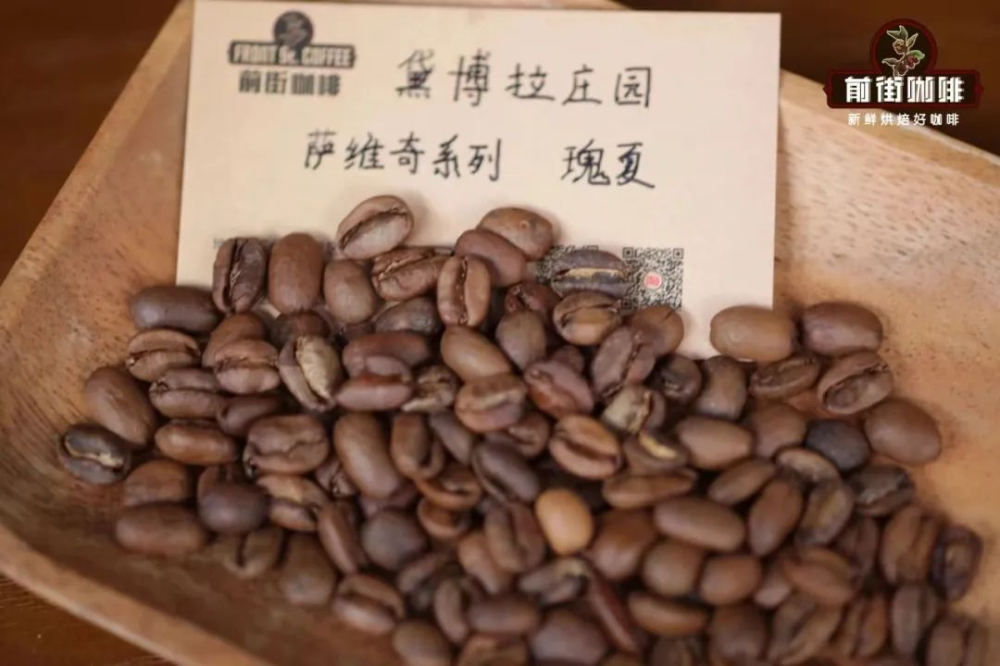
Adding an anaerobic step exploits anaerobic bacteria that, in an oxygen-deprived environment, break down sugars in the coffee into organic acids such as lactic acid and acetic acid, along with aromatic substances like esters and aldehydes. That is what gives these beans their special flavors. For example, when FrontStreet Coffee brewed the anaerobic natural Gesha from our Deborah Estate Savage series, we detected not only the florals and citrus inherent to Gesha but also a yogurt-like acidity.
Anaerobic fermentation is done two ways: vacuum-sealed and non-vacuum-sealed. Vacuum sealing means packing freshly harvested cherries or depulped coffee into plastic bags or stainless steel barrels (sometimes plastic barrels), extracting the air, and sealing them to ferment. Fermentation time depends on the estate's technique but mostly falls between 36 and 168 hours.
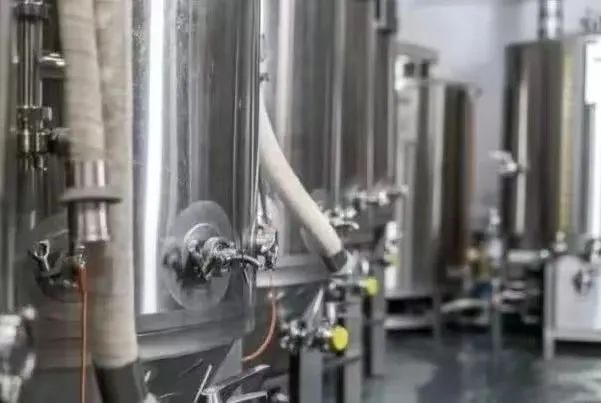
The non-vacuum method fills stainless steel barrels with cherries (or beans) and simply seals them shut. Bacterial colonies perform aerobic respiration, consuming oxygen and producing carbon dioxide and water, thereby using up the oxygen inside the sealed barrel to achieve an anaerobic effect.
The most common anaerobic methods are anaerobic natural and anaerobic washed. Anaerobic natural means placing freshly harvested cherries into sealed barrels (or bags) for anaerobic treatment, then continuing with the conventional steps of natural processing.
Anaerobic washed means depulping freshly harvested cherries, placing the beans in sealed barrels (or bags) for anaerobic treatment, then washing the beans to remove the mucilage layer, and finally proceeding with conventional drying.
Carbonic Maceration
Carbonic maceration, or CM processing, belongs to the anaerobic family. It drew wide attention after Sasa used coffee processed this way to win the World Barista Championship in 2015.
The method actually borrows from red-wine fermentation techniques, injecting carbon dioxide into sealed stainless steel barrels - which is why in some places carbonic maceration is also called the red-wine processing method.
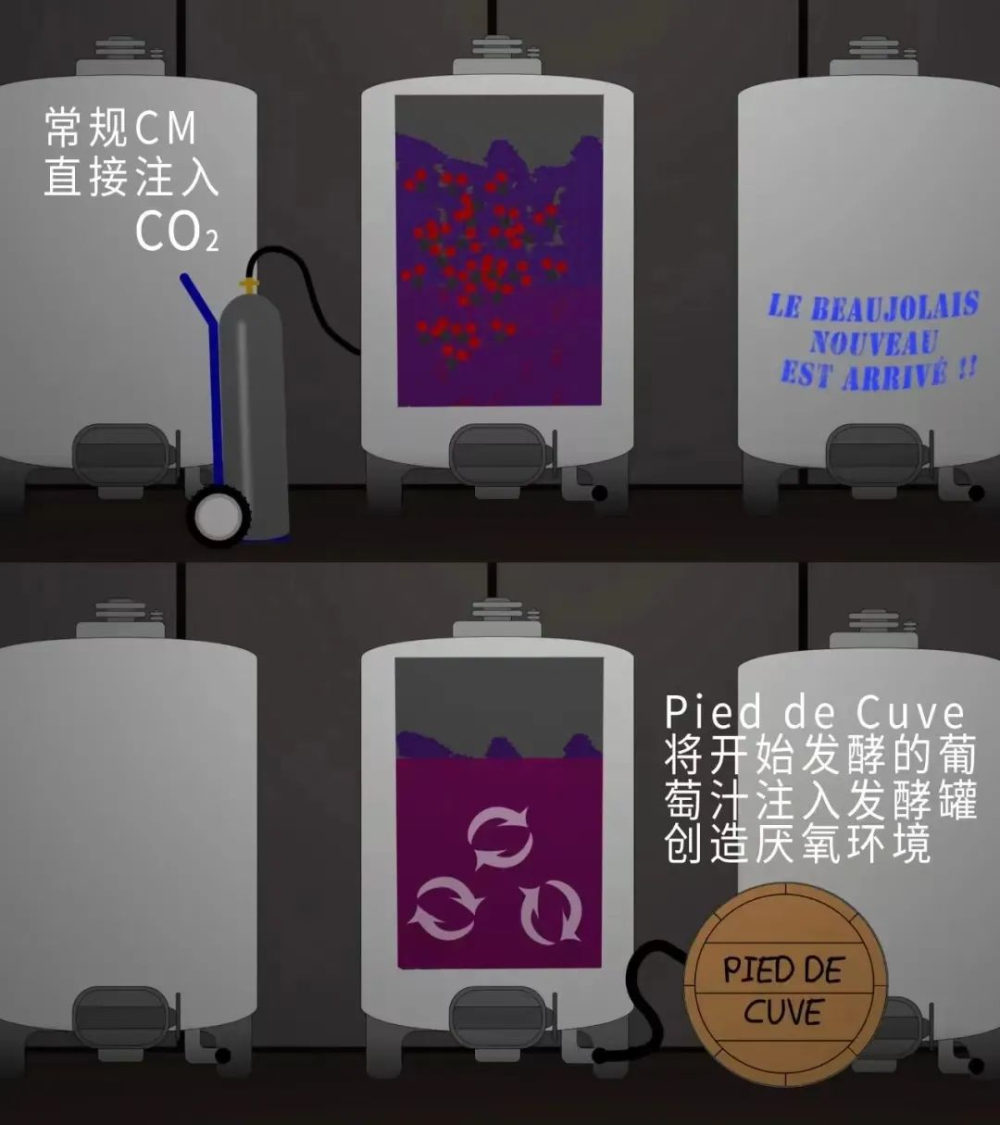
Like other anaerobic processing, carbonic maceration comes in natural and washed versions. The difference lies in what ferments in the barrel: whole cherries for the natural version, depulped beans for the washed version.
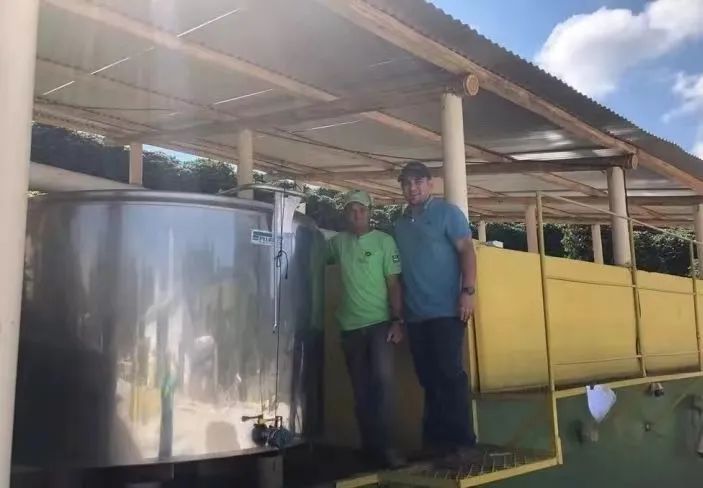
Taking the natural version as an example: freshly harvested cherries are cleaned and placed into sealed barrels, then carbon dioxide is injected. The injected CO2 builds a certain pressure inside the barrel that "bursts" the cherries, releasing juice rich in yeast and other microorganisms that help ferment the beans. The high CO2 concentration suppresses aerobic bacteria, while anaerobic microbes such as lactobacillus and yeast multiply in large numbers.
Generally, 36-48 hours of fermentation in the barrel is enough before moving on to drying. Whether an anaerobic coffee tastes good - and exactly how long it needs to ferment - depends on parameters such as temperature, pH, pressure, and sugar content during fermentation.
Enzymatic Processing
Some anaerobic processes carry the word "enzyme," as in anaerobic enzymatic washed. What does that enzyme mean? Enzymes are proteins that catalyze fermentation with the help of microorganisms such as yeast. Anaerobic enzymatic washed processing simply adds enzymes during the anaerobic step to drive fermentation toward the desired flavors - the same principle as adding fruit pulp, coffee-cherry mucilage, or pectin to the beans before anaerobic fermentation.
Conclusion
To sum up: anaerobic processing is just one step among many, and not every anaerobic process needs added catalysts (enzymes). Carbonic maceration is one type of anaerobic processing. "Anaerobic" is only a general term, and in practice all the parameters interact - even two anaerobic naturals can taste dramatically different. Enzymes are catalysts that aid microbial fermentation and belong to the protease family.
FrontStreet Coffee Recommendation
If these experimental flavors intrigue you, FrontStreet's own Deborah Estate Savage series anaerobic natural Gesha is the benchmark: it keeps the florals and citrus that define Gesha while adding a distinctive yogurt-like acidity from the oxygen-free fermentation. For a more classic Gesha experience at the same origin standards, FrontStreet's Panama Esmeralda Red Label Gesha ("Esmeralda Special") grows at 1,600-1,800 meters, cups above 90 points, and comes in single-plot lots such as the Harimiu plot; the Green Label "Private Collection" blends multiple plots into Esmeralda's signature high-altitude style at a more accessible price.
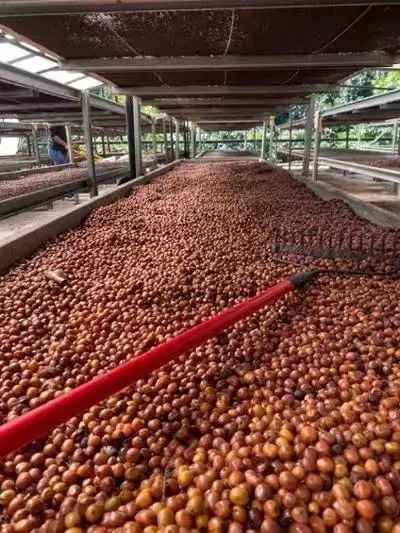
For an entry-level Gesha, choose FrontStreet's Panama Boquete Gesha - affordable, with classic orange-blossom honeyed notes, an oolong-tea texture, and delicate fruit acidity. And to taste Gesha at its birthplace, the FrontStreet Genlana Estate Gesha from Ethiopia's Yirgacheffe zone comes from a washing station founded in 2014 and run by Mr. Israel Degefa, surrounded by 700 hectares of mostly unexploited, shade-covered land; the fully ripe cherries are sun-dried on raised beds for 14-20 days, and the medium-light roast reveals bright citrus acidity, elegant ginger-flower aroma, the full sweetness of ripe fruit, and Gesha's signature refined finish.
Important Notice :
FrontStreet Coffee is a long-established specialty coffee roaster in Guangzhou China, selling freshly roasted beans from its own farm in Yunnan as well as dozens of carefully selected single-origin beans from around the world for both pour-over and espresso. The products deliver consistently excellent quality and great value, with shipping within 24 hours. Guangzhou's FrontStreet Coffee shop is recommended by many coffee lovers, and the beans are now available online at the Tmall 。
FrontStreet Coffee has moved to a new address:
FrontStreet Coffee Address: 315,Donghua East Road,GuangZhou
Tel:020 38364473
 Scan and follow the En Gafei WeChat official account. Please indicate that the reprint comes from "En Gafei".