
What is the Water-to-Coffee Ratio for Nicaraguan Finca Mamamina Natural Pacamara Pour-Over Coffee?
Like aged coffee beans, fine aged wines, and aged teas, green coffee must go through proper processing before it truly deserves the name "aged coffee beans." FrontStreet Coffee often sees this concept confused: people assume that beans stored long enough simply become aged beans. That is not the case. Aged coffee beans are demanding to store, requiring years in an environment with the right temperature and humidity, along with regular inspection and rebagging.
There is a fundamental difference between genuinely aged coffee beans and old beans that have been left sitting without care. FrontStreet Coffee has met customers who bought a bag of coffee, found it less enjoyable than before, and concluded they had been sold old beans. Specialty coffee has many variables, and coffee is not an industrial product but an agricultural one, with natural variation over time. The value of specialty coffee lies in how clearly and specifically it expresses the character of its region.
How Did Aged Coffee Beans Come About?
Aged beans are an accidental product of coffee history. During the Dutch colonial period, Sumatra was one of the world's major coffee-producing regions, and its coffee had to supply the enormous demand of European consumer countries. Indonesia shipped beans to Europe continuously. To guarantee a steady supply, the coffee was carefully stored. Yet long sea voyages and exposure to salt-laden winds altered the beans in transit. By the time they reached Europe, they had developed a distinctive character that European coffee connoisseurs came to seek out eagerly.
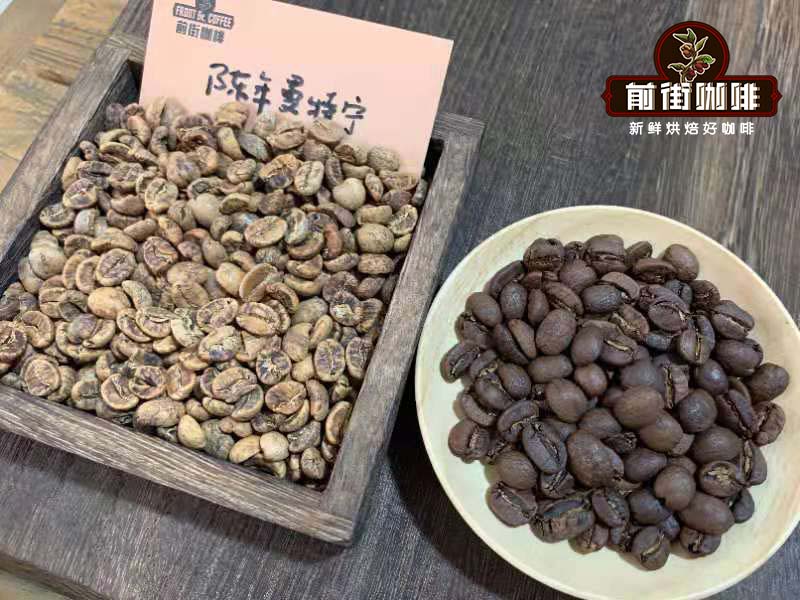
The aged coffee beans sold today are made from carefully selected, high-quality green coffee that has been stored for more than 3-5 years. It is kept in well-ventilated warehouses or in dedicated temperature- and humidity-controlled facilities. The bags must be turned and inspected regularly to ensure the beans dry evenly. Over time the acidity gradually fades, leaving a solid aftertaste and a sweet profile. The flavor becomes as captivating as Pu-erh tea.
How Are Coffee Beans Aged?
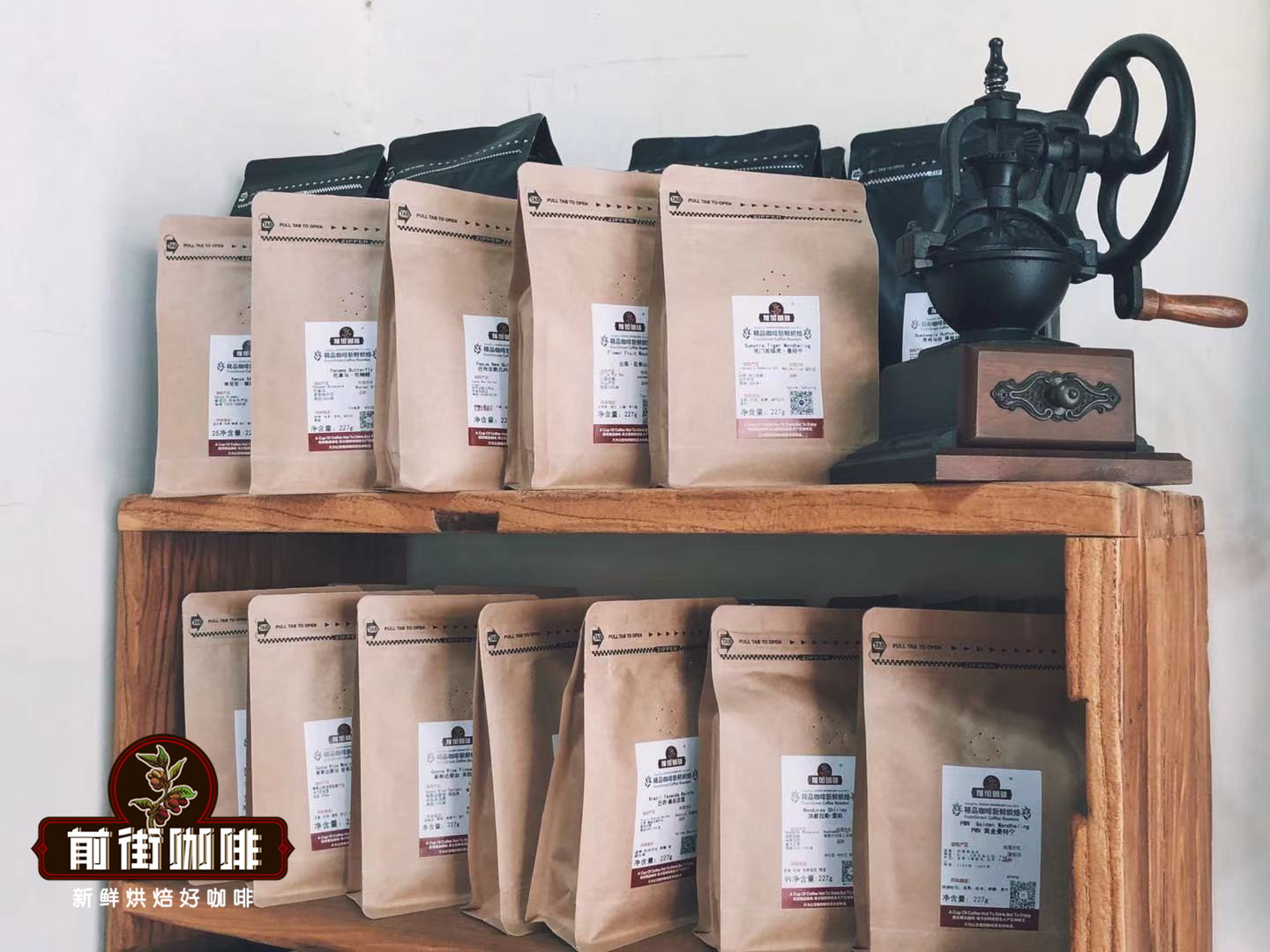
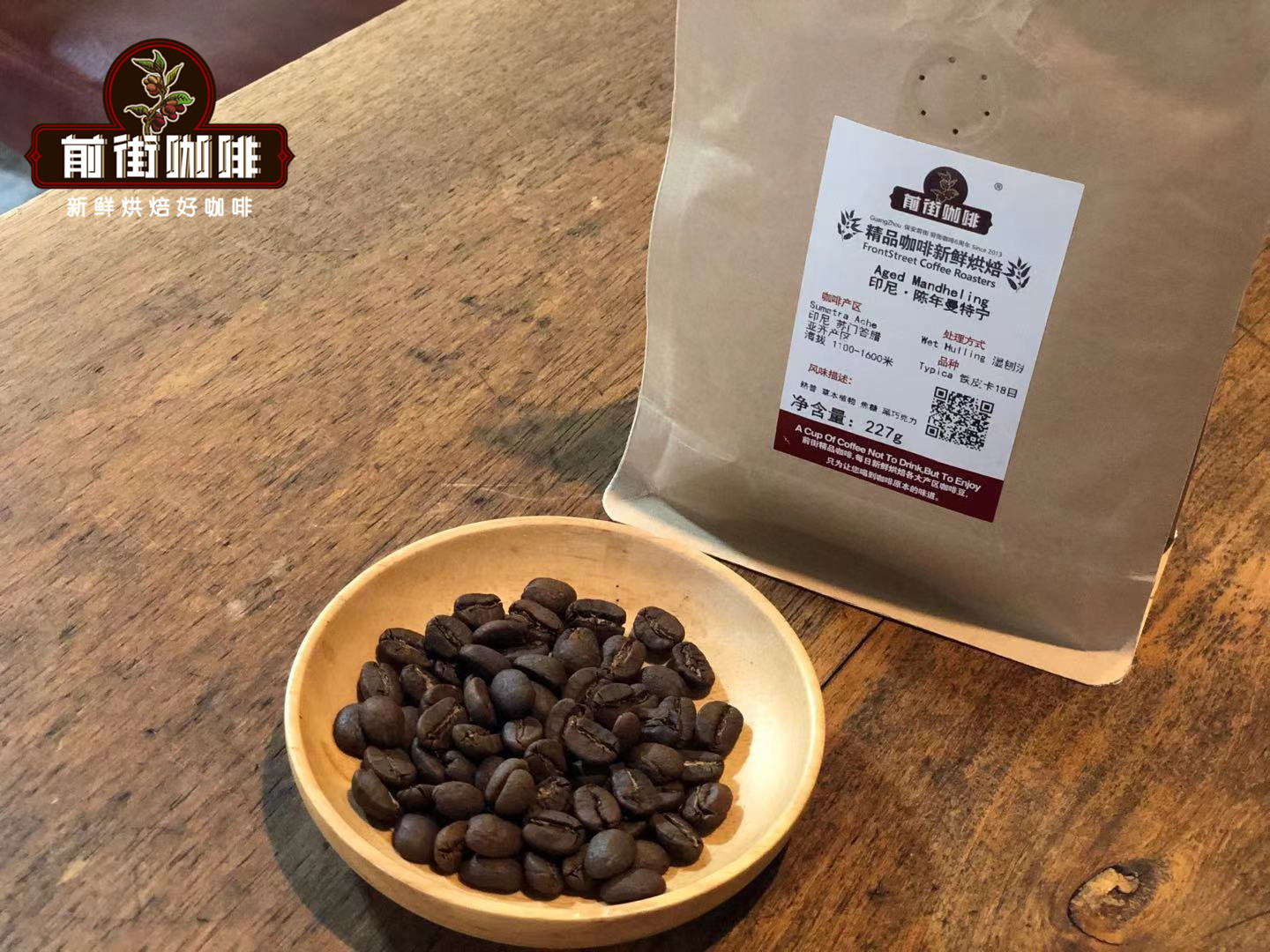
Today the most representative aged coffee from Indonesia is undoubtedly aged Mandheling. FrontStreet Coffee also offers this FrontStreet Indonesian Aged Mandheling. By comparing Mandheling from different regions and continuously adjusting roast curves, cupping, and brewing parameters, FrontStreet Coffee has developed a thorough understanding of how best to bring out the character of this FrontStreet Aged Mandheling.
Aging has become quite refined in recent years. The beans first go through the wet-hulling method. In a regular washed process, wet-hulling means sun-drying the beans in parchment for 2-3 days to reach 20-24% moisture content, then hulling off the parchment and drying the green beans down to 12-13% moisture. After that the beans are sealed in warehouses. The warehouse must be cool and well-ventilated, and the beans turned regularly to prevent mold and spoilage. After 2-3 years of storage, the acidity weakens and converts to sugar, and the color deepens to a yellowish-brown or dark brown, making the beans quite distinctive.
Properly stored beans change in both flavor and appearance. Acidity diminishes, the color darkens and loses moisture, the texture becomes thicker and richer, the sweetness takes on a honey-like fragrance, and certain defects in the green coffee become less noticeable. Because of the dimmer storage environment and the long time involved, aged coffee always carries complex notes reminiscent of mold, or the burlap and leather tones people commonly describe.

Not every coffee is suited to being stored as an aged bean. Green coffee chosen for storage must have a robust constitution. Beans from Indonesia's three important and renowned regions, Sumatra Mandheling, Sulawesi, and Java, grown in tropical rainforest areas, are dense and solid and make the best candidates for aged coffee. The internationally acclaimed Hawaiian Kona also produces a small amount of aged coffee, though few people know about it, mainly because it does not represent a mainstream flavor.
Differences Between Aged Coffee Beans and Monsoon Coffee Beans
Aged coffee differs from Indian monsoon coffee. Monsoon coffee is exposed to monsoon winds for a short 3-4 months, which rapidly lowers the moisture content of the green beans to achieve an aging effect. Monsoon beans are young and robust, while aged coffee is the result of long, slow natural maturation. Aged beans are also different from coffee that has simply grown old. Green coffee holds its flavor for about 12 months in a natural environment, weakening toward the end of that period. Beans older than 12 months taste stale and flat once roasted, lacking layers and complexity, and they lose their tasting value.

FrontStreet Coffee's Roasting Level for Aged Mandheling
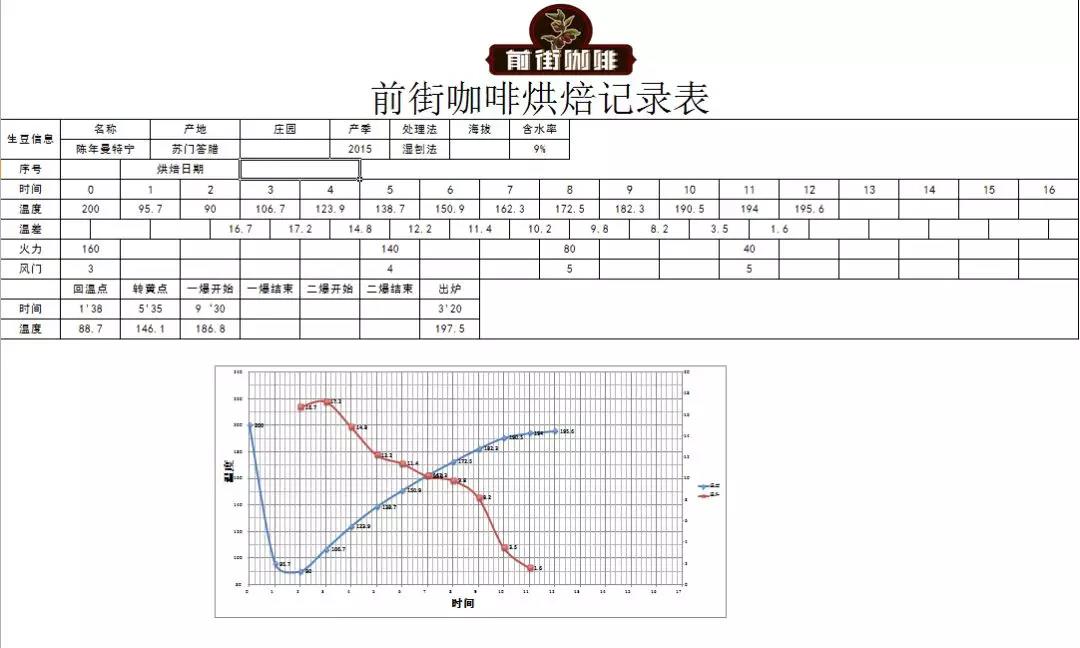
Roasting records show that FrontStreet Coffee uses a medium-dark roast for this FrontStreet Aged Mandheling. That level brings out the herbal and spice character of Mandheling while better expressing the mellow flavor and thick texture of an aged coffee, giving tasters a calm, solid impression.
How Does FrontStreet Coffee Brew FrontStreet Aged Mandheling?
Recommended dripper: KONO
The ribs of the KONO dripper stop below half the height of the cone. This design ensures that, once the filter paper is wet, it clings closely to the dripper wall and restricts airflow. The result is a longer water-contact time with the coffee particles, more even extraction overall, and a fuller texture. The concave skeleton at the bottom of the KONO dripper is another key detail that produces a siphon effect during brewing.

Recommended water temperature: 87-88°C
Grind size: 70-75% pass-through on a #20 standard sieve
Coffee-to-water ratio: 1:15
FrontStreet Coffee's brewing method: use 30g of water for a 30-second bloom. Pour in a small stream to 125g for the first stage. When the water level drops and the coffee bed is about to be exposed, continue pouring to 225g and stop. When the water level drops and the bed is about to be exposed again, remove the dripper. Timing starts from the bloom, and extraction time is 2'00".

Brewing flavor: the aroma of wood, malt, and caramel comes rushing forward. In texture it is less wild than traditional Mandheling, with more mellowness and delicacy, giving a mature and composed impression. Acidity is relatively low, with flavors of ripe Pu-erh tea, caramel, herbs, and chocolate in the mouth, and plenty of sweetness.
FrontStreet Coffee Recommendation
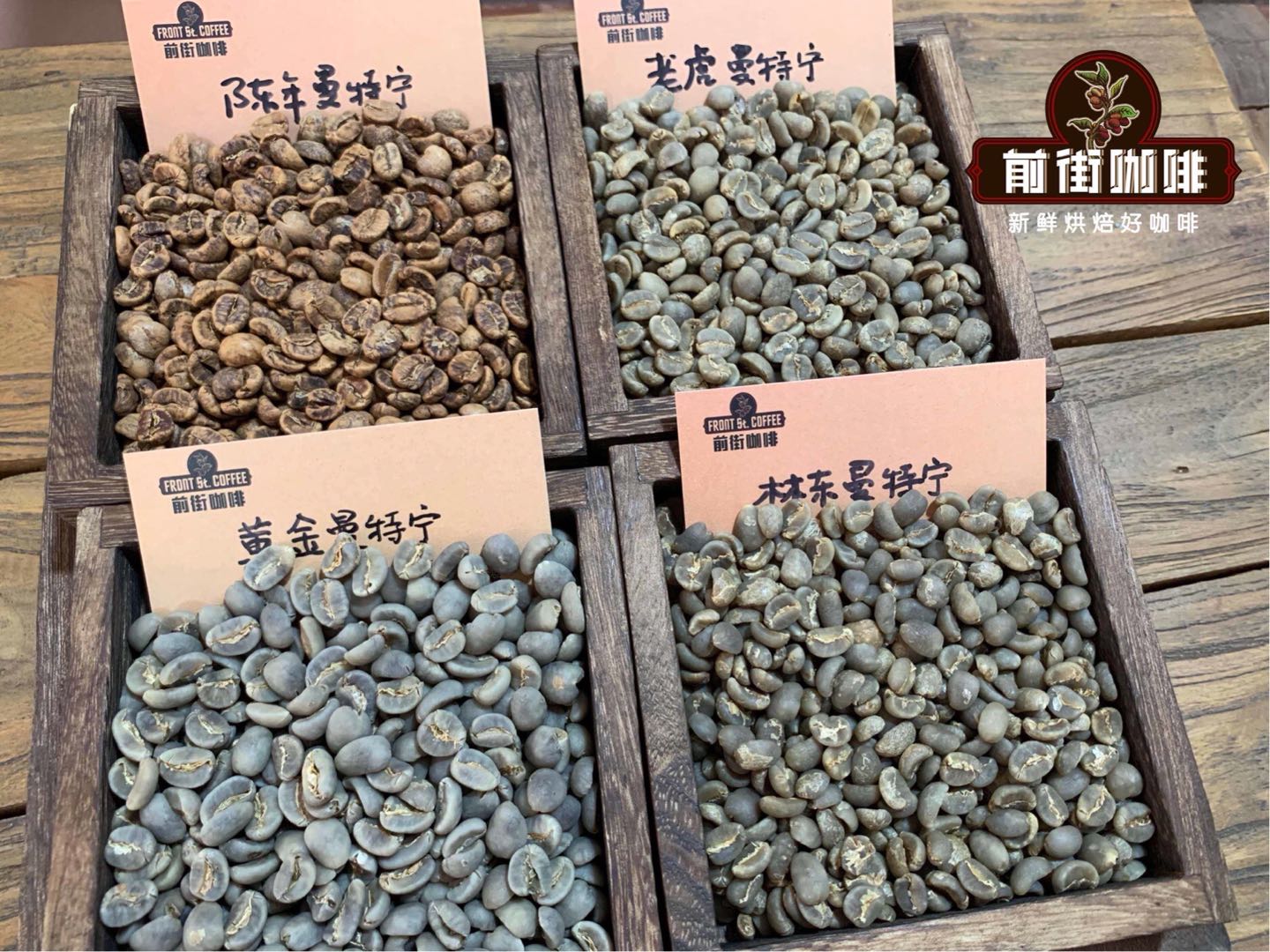
Aged Mandheling sits at the far end of what Sumatra can express, and the same wet-hulled character is easier to explore through FrontStreet Coffee's core Indonesian lineup. The Lindong Mandheling comes from the Toba Lake area of the Lintong region, where the traditional wet-hulling method, stripping the parchment while the beans are still half-wet, leaves the green coffee exposed to humid air and builds the herbal, spice-laden profile the origin is famous for. FrontStreet Coffee roasts it medium-dark, keeping acidity low and body full: caramel, dark chocolate, and toasted bread up front, a long sweet finish behind, and the lingering herbal and spice notes that define a classic Mandheling.
At the top of the range is the PWN Golden Mandheling. Sourced through PWN in Indonesia, it must meet a strict standard: beans of 18 mesh and above, fewer than 3 defects per 300 g sample for the G1 grade, and three rounds of hand sorting beyond the screens. The payoff is a remarkably clean cup with powerful, persistent sweetness and layered notes of sandalwood, herbs, spice, roasted hazelnut, caramel, and dark chocolate. FrontStreet Coffee also folds medium-dark Mandheling into its Classic Blend, a deep-roasted espresso formula that pairs creamy Brazilian coffee with a small amount of Robusta to lift the crema, yielding butter, roasted chestnut, and caramel in the shot.
Important Notice :
FrontStreet Coffee is a long-established specialty coffee roaster in Guangzhou China, selling freshly roasted beans from its own farm in Yunnan as well as dozens of carefully selected single-origin beans from around the world for both pour-over and espresso. The products deliver consistently excellent quality and great value, with shipping within 24 hours. Guangzhou's FrontStreet Coffee shop is recommended by many coffee lovers, and the beans are now available online at the Tmall 。
FrontStreet Coffee has moved to a new address:
FrontStreet Coffee Address: 315,Donghua East Road,GuangZhou
Tel:020 38364473
 Scan and follow the En Gafei WeChat official account. Please indicate that the reprint comes from "En Gafei".

