What Kind of Coffee Does Spain Have? A Guide to 9 Spanish Coffee Flavors
Coffee is drunk all over the world, but the way each country takes it reflects local character. Vietnam, for instance, grows mainly Robusta. Because Robusta is distinctly bitter and earthy, it is usually roasted until the beans turn oily and black, and the resulting brew is heavy with crema, tasting of hazelnut, grain and caramel over a pronounced bitterness. In Vietnam, the aroma of coffee drifts through every street and alley. Where Europeans reach for fresh milk, Vietnamese drinkers prefer sweetened condensed milk, and its lactose sweetness is what tames the coffee's harsh bite. Locally the drink is called "ca phe sua da," or Vietnamese drip coffee.
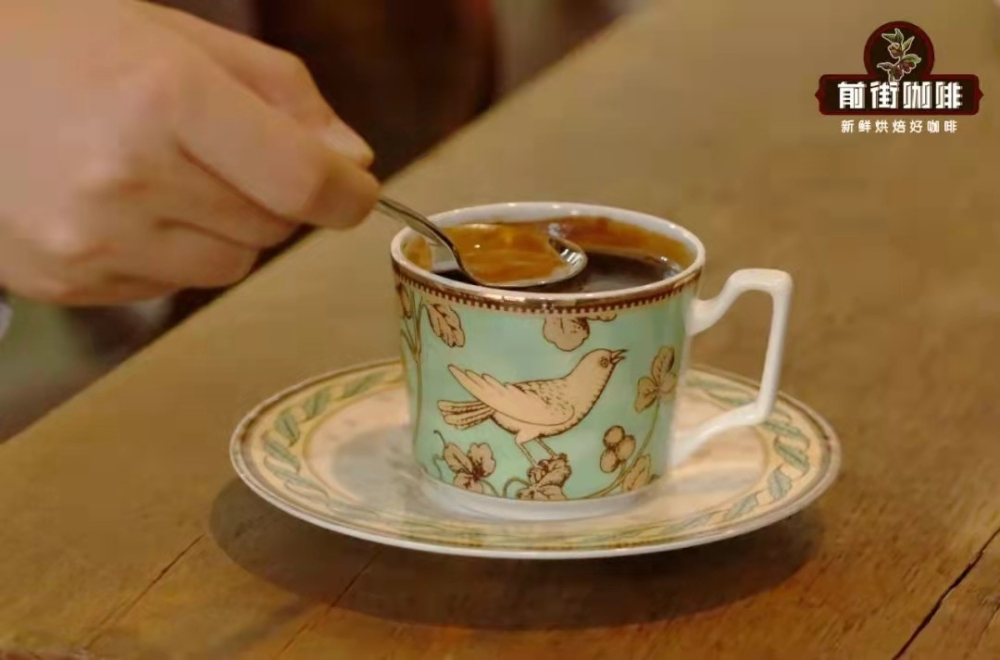
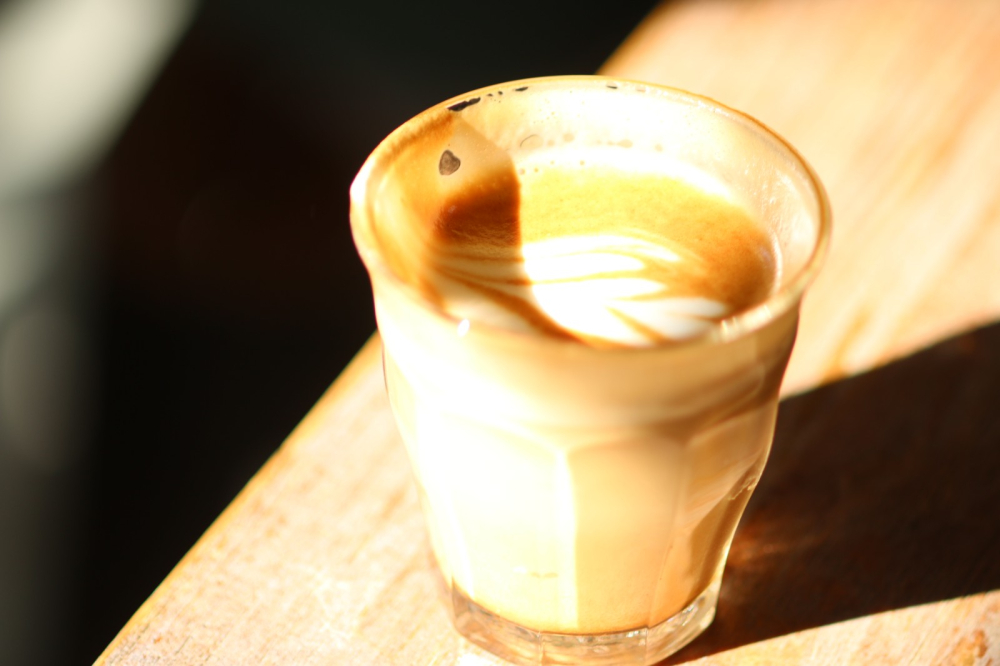
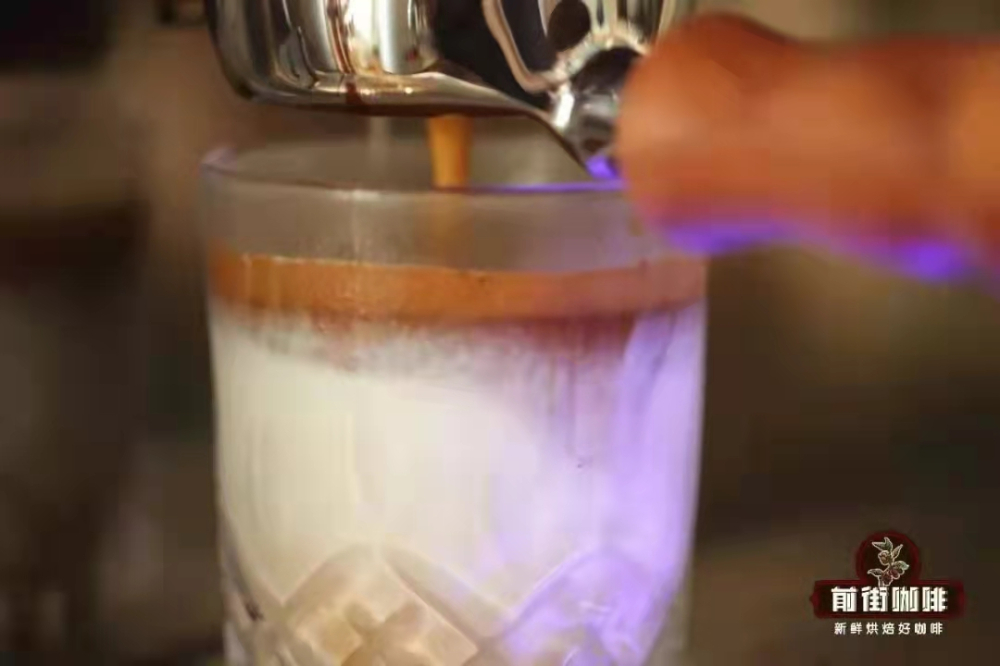
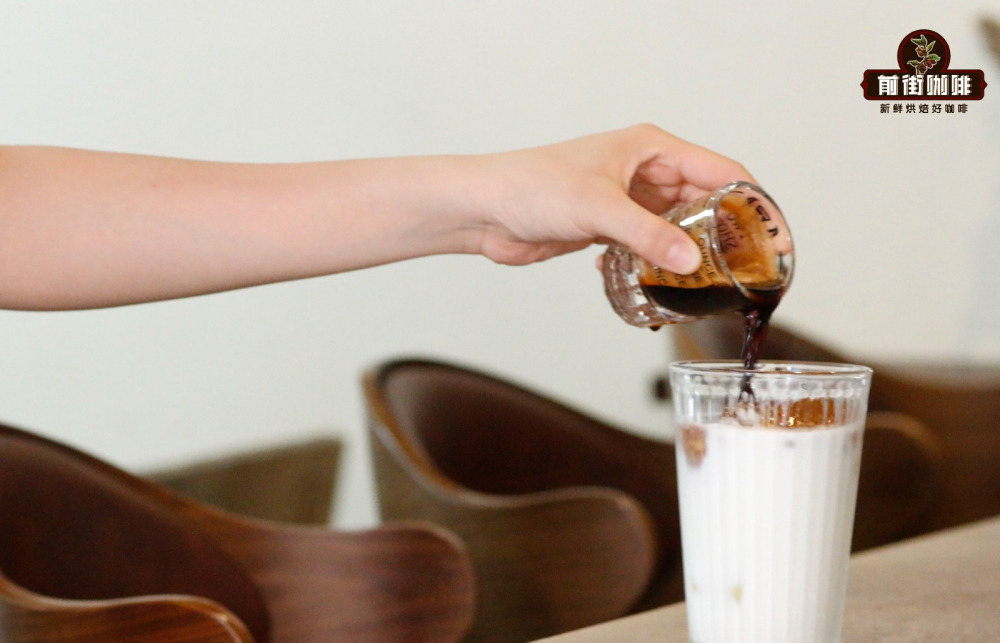
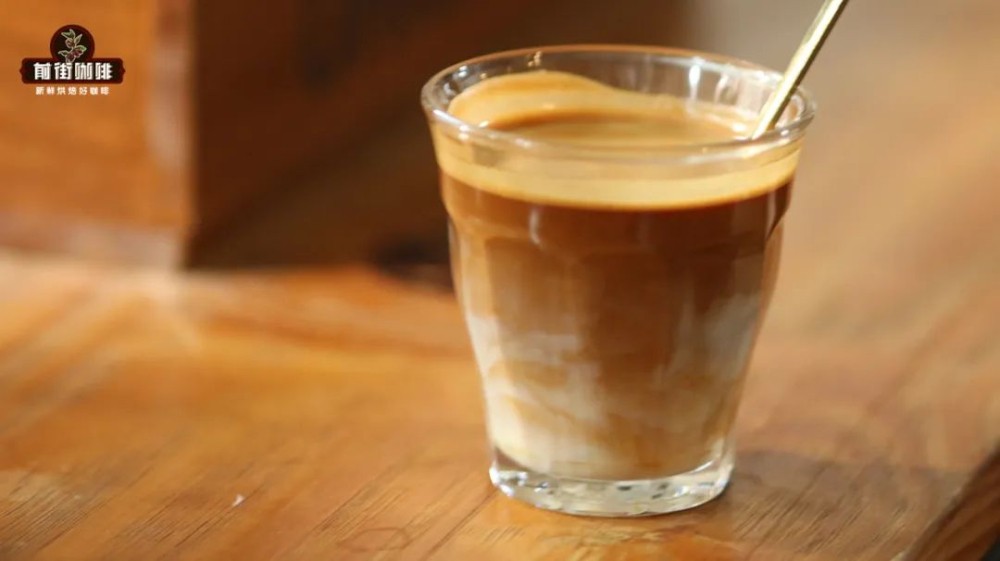
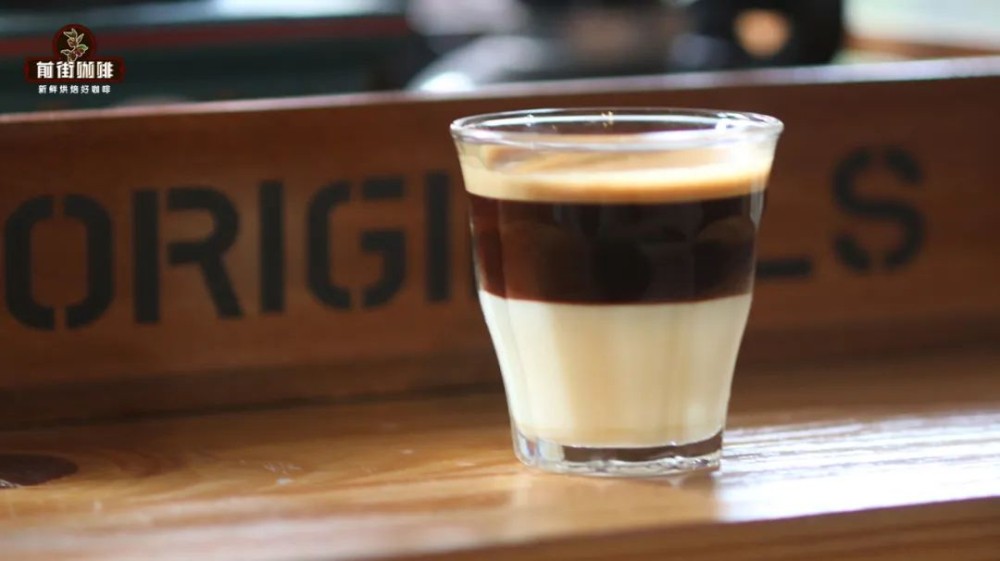
Half a world away, Spain shares the same "coffee plus condensed milk" habit. There the drink is called Café Bombón: essentially espresso paired with condensed milk in a miniature cup. FrontStreet Coffee has recreated it. Use a 90-120ml glass — glass simply looks better — and add condensed milk at a 1:1 ratio to the espresso. If FrontStreet Coffee uses 40g of espresso liquor, we add 40g of condensed milk, then pour the espresso over the milk. Because condensed milk is denser, the espresso will not blend on its own, and the glass shows a striking black-and-white contrast. The first sip is like "herbal jelly with condensed milk," far richer in texture than straight espresso, and no longer bitter.
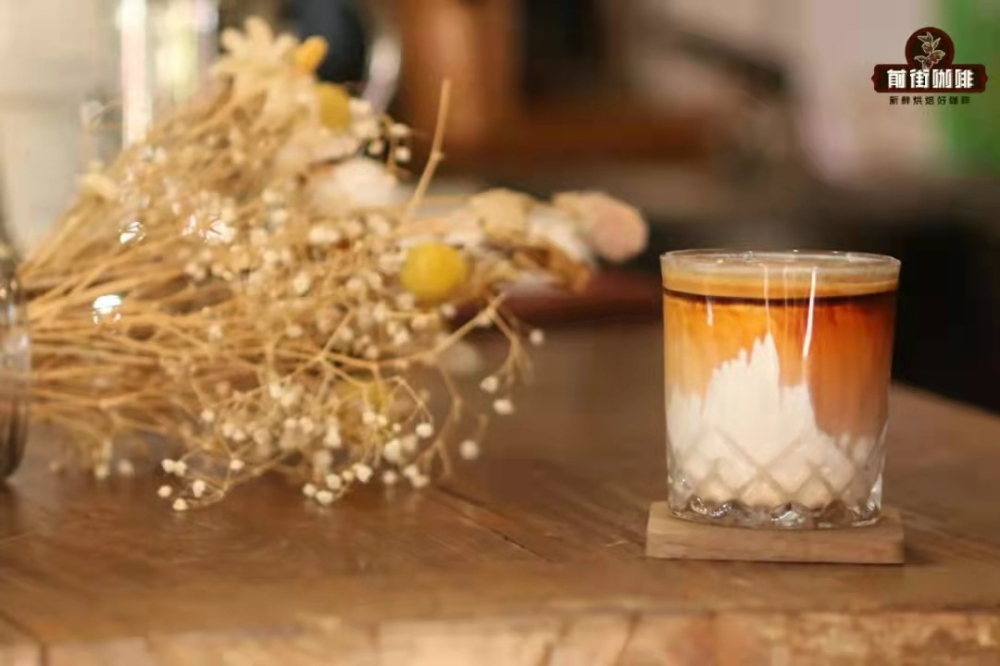
The condensed-milk treatment is not limited to these two drinks. In recent years a "Spanish latte" of coffee, milk and condensed milk has become a fixture on café menus — the coffee chain Arabica, for one, has launched its own popular version.
That range of drinking styles reflects Spain's inclusiveness: to a Spaniard, any combination or ratio of coffee has its own charm. Picture a distinctly Spanish coffee — rum from a century-old distillery, a touch of cinnamon and sugar, finished with cream and a cherry.
The world's three greatest surrealist painters — Picasso, Miró and Dalí — Gaudí's architecture, listed as a World Heritage Site before it was even finished, flamenco, bullfighting and Don Quixote all come from Spain, a dazzling palace of the arts. Its culture blends Western Christianity with Eastern Islamic elements, setting it apart from the rest of Europe, and its coffee culture is just as colorful. The Spanish philosopher and writer Miguel de Unamuno once said, "Spain's true universities are in its cafés and city squares." Spaniards fold culture into daily life.
The History of Spanish Coffee
When we think of Spanish coffee, we picture steaming coffee with rum or another spirit, topped with fresh cream — but Spain's influence on the coffee industry reaches far beyond ski-lodge bars.
Spanish ships carried coffee plants and seeds to remote parts of the world where coffee was not native but soon became a major growing center. Descendants of Spanish conquerors settled in Central and South America and built vast plantations for Spanish coffee.
Coffee first reached Spain with Turkish immigrants. Spain itself grows little coffee, but its roasters developed a method that yields very dark, almost black oily beans and a very strong brew — known as Spanish roast, or dark French roast.
Spanish coffee growers in Latin America account for nearly half of exported coffee. Most of the coffee actually served in Spain, though, comes from Angola and Mozambique, dark-roasted to draw out the fullest flavor.
Spain has many kinds of cafés, each with its own style, but they share one trait: they are always bustling with locals and tourists. You will be surprised how much leisure time Spaniards seem to have for sitting in cafés. In fact, Spanish cafés and bars go by the same name — if you see a "Bar" sign, walk in and enjoy an aromatic coffee.
Spanish cafés are charged with energy every second: waiters call out almost at a shout, cash registers clatter, locals and tourists chatter loudly, all mixed with the exaggerated body language Spaniards are known for. Yet no matter how lively the talk, people never forget to sip from their cups.
If you are new to Spain you might ask the waiter for a coffee to go. Elsewhere that is a small request, but in Spain the waiter will give you a charming smile and persuade you to stay and finish it in the café. A cup of coffee takes no more than 5 minutes, but what you are experiencing is centuries of culture layered up.
Spanish coffee tastes excellent because of the quality of the beans and the way they are roasted and then blended.
Café solo is a small, strong black coffee, usually served in a small glass.
The traditional carajillo is a café solo with a little brandy; rum or whiskey can also be used. Done properly, the brandy is lit first so the alcohol burns off, then the café solo is added.
Drinking coffee is a way of life in Spain. Spaniards walk into a café calling "Hola!" — not to a particular acquaintance, but to everyone in the room. The people in a café form a small community, and the stacked cups and plates of tapas are part of it. Even if they only spend 10 minutes there in the morning, they will steal a moment for laughter, lively discussion or the newspaper. For Spaniards, coffee is a simple, beautiful sentiment — a preference woven into their souls.
Types of Spanish Coffee
Café con leche: Coffee is a way of life in Spain, and Spaniards usually drink it in the morning, letting breakfast start the day. That first cup is typically accompanied by hot milk and is called café con leche. In this, the most popular and common coffee in Spain, a generous amount of milk steamed by the espresso machine is added, and it is generally served in large coffee cups or glasses.
Around 11 AM, many Spaniards take a short break called Almuerzo. They often order a café solo and eat small snacks such as a bocadillo — better known elsewhere as a sandwich of cheese or ham made with rectangular bread.
Café cortado: coffee with only a small amount of milk, usually served in small cups. The difference from café con leche is simply that it contains less milk. It is typically drunk after lunch.
Café Bombón: "coffee plus condensed milk" is not unique to Vietnam. On the Iberian Peninsula there is the same habit, and in Valencia, Spain's third-largest city, you can order a Café Bombón — a small coffee of espresso and condensed milk.
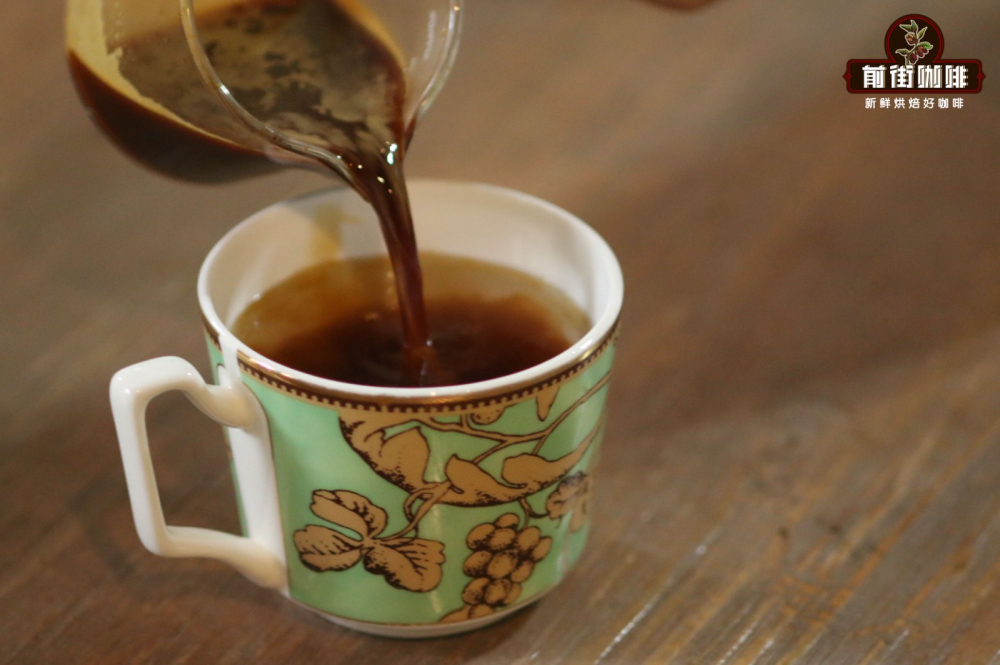
Café solo: pure coffee, also known as black coffee, usually served in very small cups.
Café descafeinado: decaffeinated coffee, generally in two forms. De sobre means small bags of instant coffee added to hot milk. De máquina means the coffee is brewed from decaffeinated grounds on the espresso machine.
Café americano: generally made by pouring boiling water into coffee brewed on the espresso machine. In some cafés a separate glass of water is served so guests can adjust it to their taste.
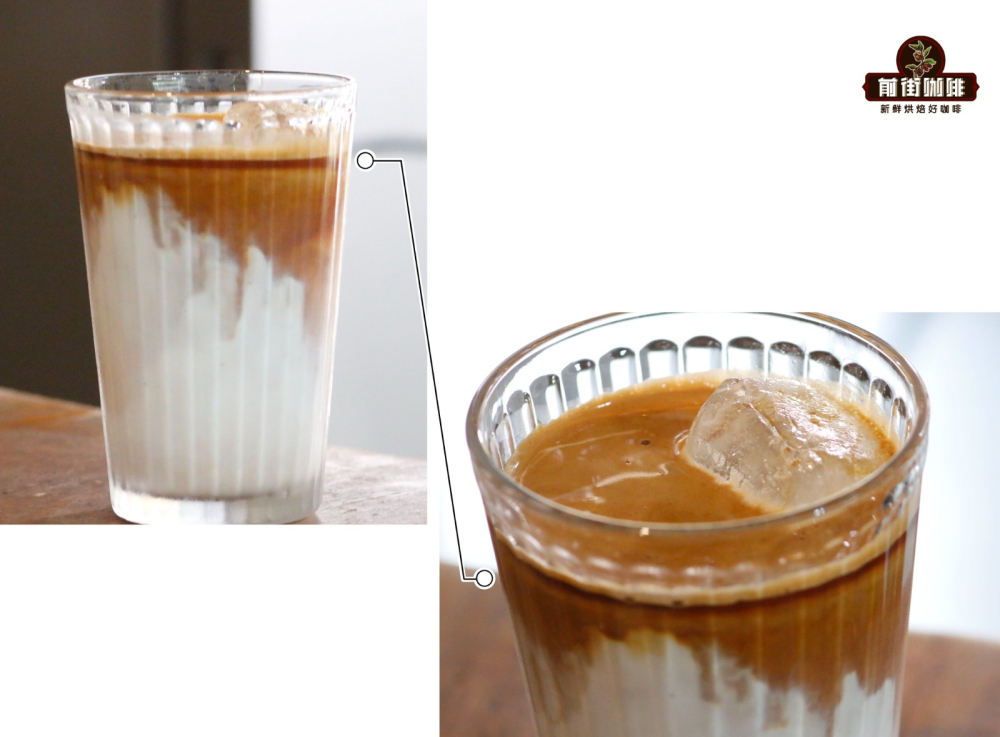
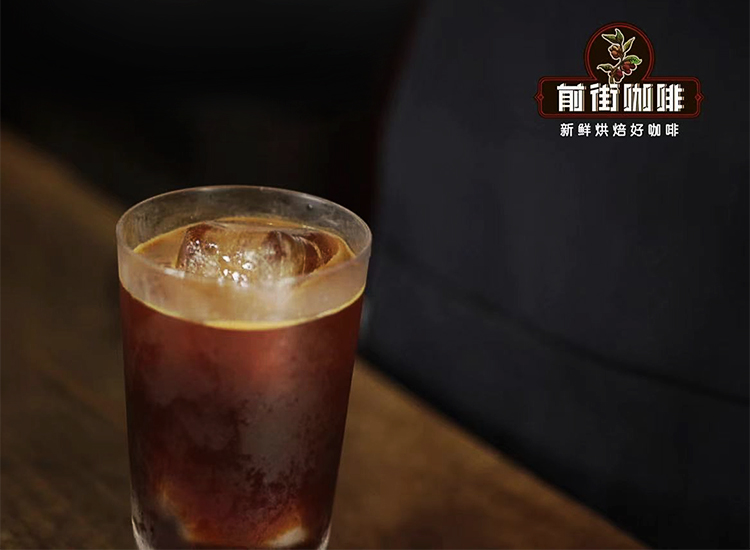
Café con hielo: iced coffee. When customers order it they are given a glass of ice cubes and freshly brewed pure coffee; sugar is stirred into the hot coffee, which is then poured over the ice.
Capuchino: a coffee that originated in Italy, made by pouring steamed, foamed milk over strong coffee. In Spain it is made with fresh cream and cinnamon.
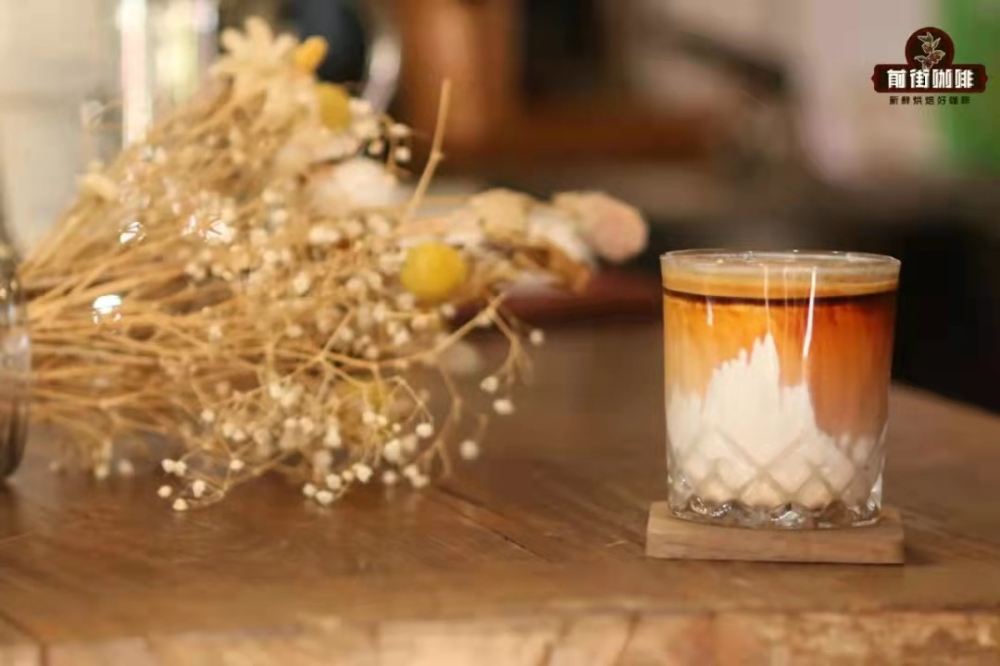
For anyone who does not much care for bitter coffee, a Spanish latte is a good choice. Condensed milk masks more of the bitterness while highlighting the sweetness of lactose and sucrose; compared with flavored syrups, it is a more natural and comforting way to sweeten a cup.
Coffee is also drunk at lunch (Comida) and after dinner (Cena). Spaniards love their coffee, and the best place to experience it is in those worn, rustic, very traditional Spanish bars.
Spanish Latte vs. a Regular Latte
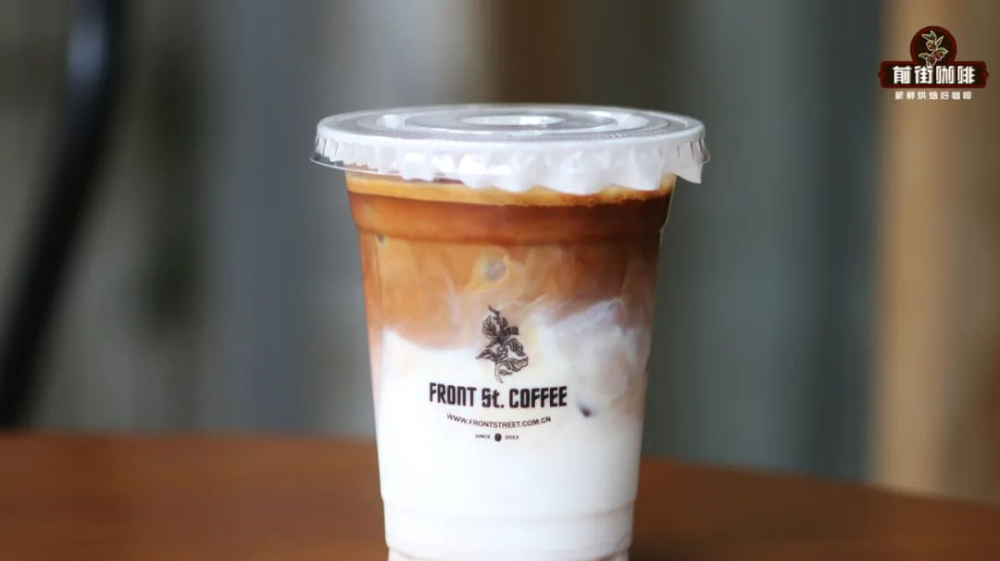
A Spanish latte is made from espresso, fresh milk and condensed milk — in other words, a regular latte with condensed milk added. The condensed milk lets even those who cannot accept bitterness enjoy the rich aroma of coffee.
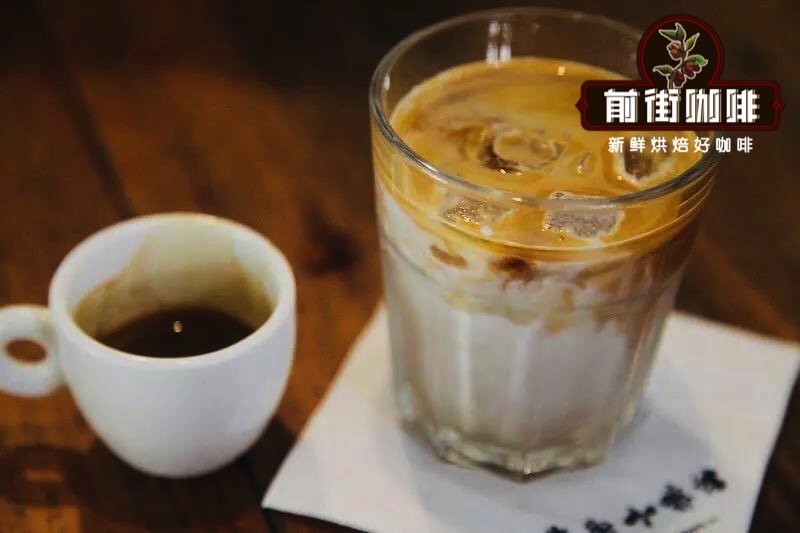
Now that the difference is clear, making one is simple. FrontStreet Coffee first extracts 40ml of espresso, adds 10 grams of condensed milk to the base and stirs thoroughly, then froths 200ml of fresh milk to 55-65 degrees Celsius and incorporates it into the coffee. The hot Spanish latte is done. For an iced version, FrontStreet Coffee first adds 75g of ice cubes to the cup and pours in 200ml of iced milk, then adds 10 grams of condensed milk to the extracted espresso, drizzles it over the surface, and stirs evenly with a straw before tasting.
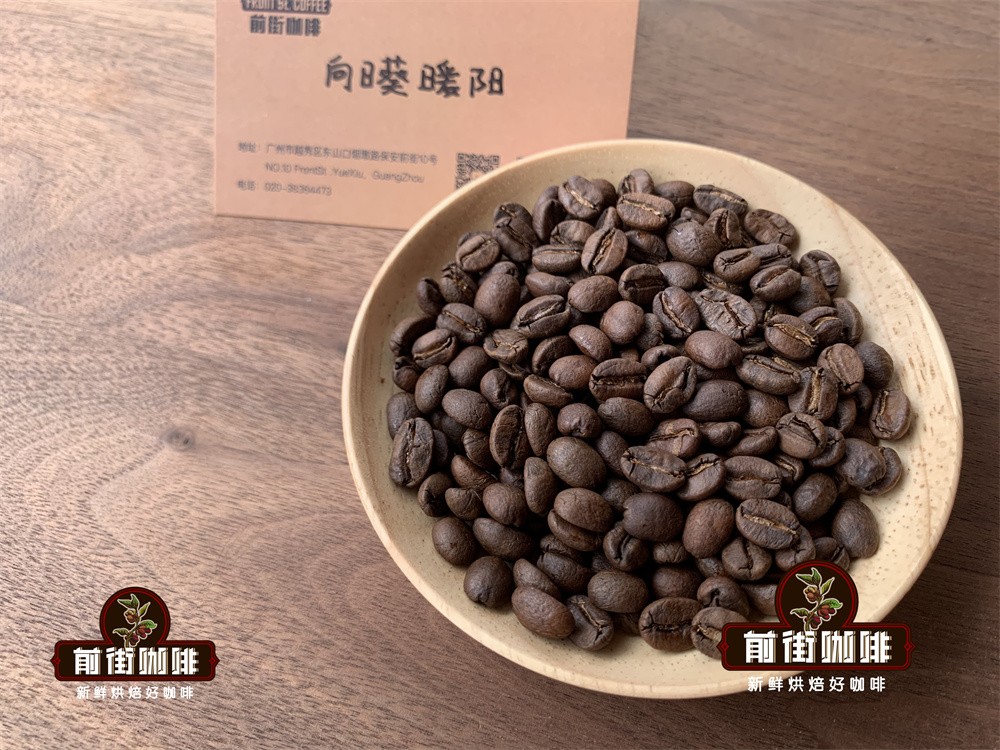
FrontStreet Coffee's espresso for these drinks is made with its own roasted "Sunflower Warm Sun Blend," a combination of Ethiopian sun-dried red cherry coffee beans (30%) and Honduran sherry-barrel coffee beans (70%). The espresso it yields shows flavors of vanilla, cream, whiskey and berries. Paired with milk it tastes like vanilla chocolate milk, while the condensed milk underlines the sweetness of lactose and sucrose.
FrontStreet Coffee's Brewing Suggestions
Whatever coffee you are brewing, freshness is what makes a delicious cup. FrontStreet Coffee has always believed that the freshness of the beans greatly affects the flavor, so every batch of beans it ships is roasted within 5 days. The roasting philosophy is "freshly roasted good coffee," ensuring that each customer receives the freshest possible coffee. Beans rest for about 4-7 days, so by the time they arrive they are at their peak.
For those who need ground coffee, a reminder: pre-ground coffee needs no resting period, because the pressure of carbon dioxide inside the packaging during transport also smooths the flavor, so you can brew a cup as soon as it arrives. Ground coffee should still be brewed promptly, however — it oxidizes quickly in air, the flavor dissipates faster and the cup suffers. FrontStreet Coffee therefore suggests buying whole beans and grinding fresh before brewing to taste the coffee at its best.
FrontStreet Coffee Recommendation
Because every traditional Spanish coffee is built on espresso, the bean that matters most is your espresso bean. FrontStreet Classic Blend is the first choice: designed for espresso and moka pot, it produces an exceptionally rich crema even on a non-professional home machine, and its traditional Mamba-style recipe is full-bodied and mellow. Expect butter, nuts, spice, dark chocolate and toast, with a thick texture and a bright golden crema that makes latte art easy.
If you want the nutty, creamy style, FrontStreet Signature Blend pairs Brazilian Cerrado with Colombian Huila beans, giving the familiar classic Italian flavor with nut, chocolate and caramel notes and a gentle acidity, while FrontStreet Black Cocoa Blend is 100% Arabica with ample crema and a rich, balanced body — creamy chocolate aroma with the ripe-plum acidity of Yunnan small beans — at a very approachable price.
For a single-origin espresso that suits the milk-forward Spanish style, try FrontStreet Sun-dried Huakui SOE from Guji Hambela in Ethiopia. Grown as high as 2300 meters and naturally processed, then medium-roasted, it has a creamy strawberry character with cocoa, berry, light floral and black-tea notes — superb as an Americano or a latte.
And if you prefer sweetness to acidity, FrontStreet Costa Rica Blackberry SOE is a honey-processed single origin with a pronounced berry aroma and clean sweetness. Made as an Americano it is bright and refreshing; with milk it turns into cranberry cookie, raisin and nut.
Important Notice :
FrontStreet Coffee is a long-established specialty coffee roaster in Guangzhou China, selling freshly roasted beans from its own farm in Yunnan as well as dozens of carefully selected single-origin beans from around the world for both pour-over and espresso. The products deliver consistently excellent quality and great value, with shipping within 24 hours. Guangzhou's FrontStreet Coffee shop is recommended by many coffee lovers, and the beans are now available online at the Tmall 。
FrontStreet Coffee has moved to a new address:
FrontStreet Coffee Address: 315,Donghua East Road,GuangZhou
Tel:020 38364473
 Scan and follow the En Gafei WeChat official account. Please indicate that the reprint comes from "En Gafei".