How to Make Piccolo Coffee: Origin, Meaning, and Taste Differences Compared to Flat White
Introduction to Piccolo Latte: A Lesser-Known Espresso Delight
As espresso culture has grown, the range of milk-based espresso drinks has expanded with it. Lattes and cappuccinos anchor most café menus, but there's a quieter, lesser-known member of the family worth knowing: the Piccolo Latte.
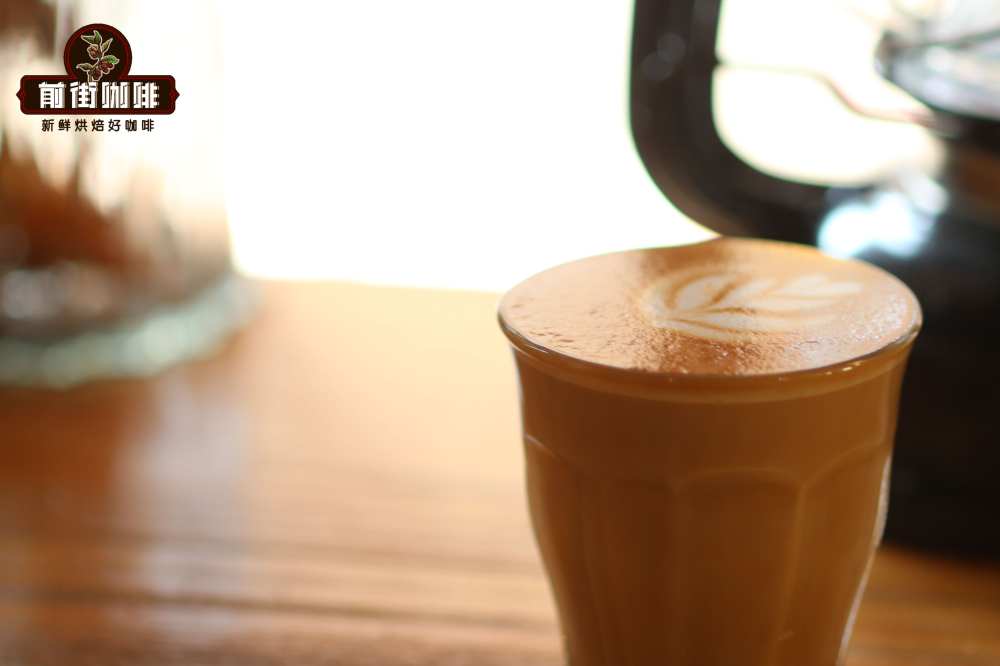
"Piccolo" means small in Italian, and the drink shares its name with the flute — hence some of its charm. A traditional Piccolo Latte pairs 15–20ml of espresso with steamed milk, served in a small 100ml glass. The point of the drink is to foreground the coffee itself, delivered with an exceptionally silky mouthfeel.

How to Make a Simple Piccolo Latte
Think of the Piccolo as a miniature latte: smaller cup, smaller volume, less coffee and less milk than the standard drink. Extract 15–20 grams of ristretto and pair it with four times that amount of milk.

Since FrontStreet Coffee doesn't stock dedicated 100ml glasses, this demonstration uses a 150ml cup: 30 grams of ristretto with 120 grams of milk, holding the 1:4 coffee-to-milk ratio.
Coffee Selection and Brewing Parameters
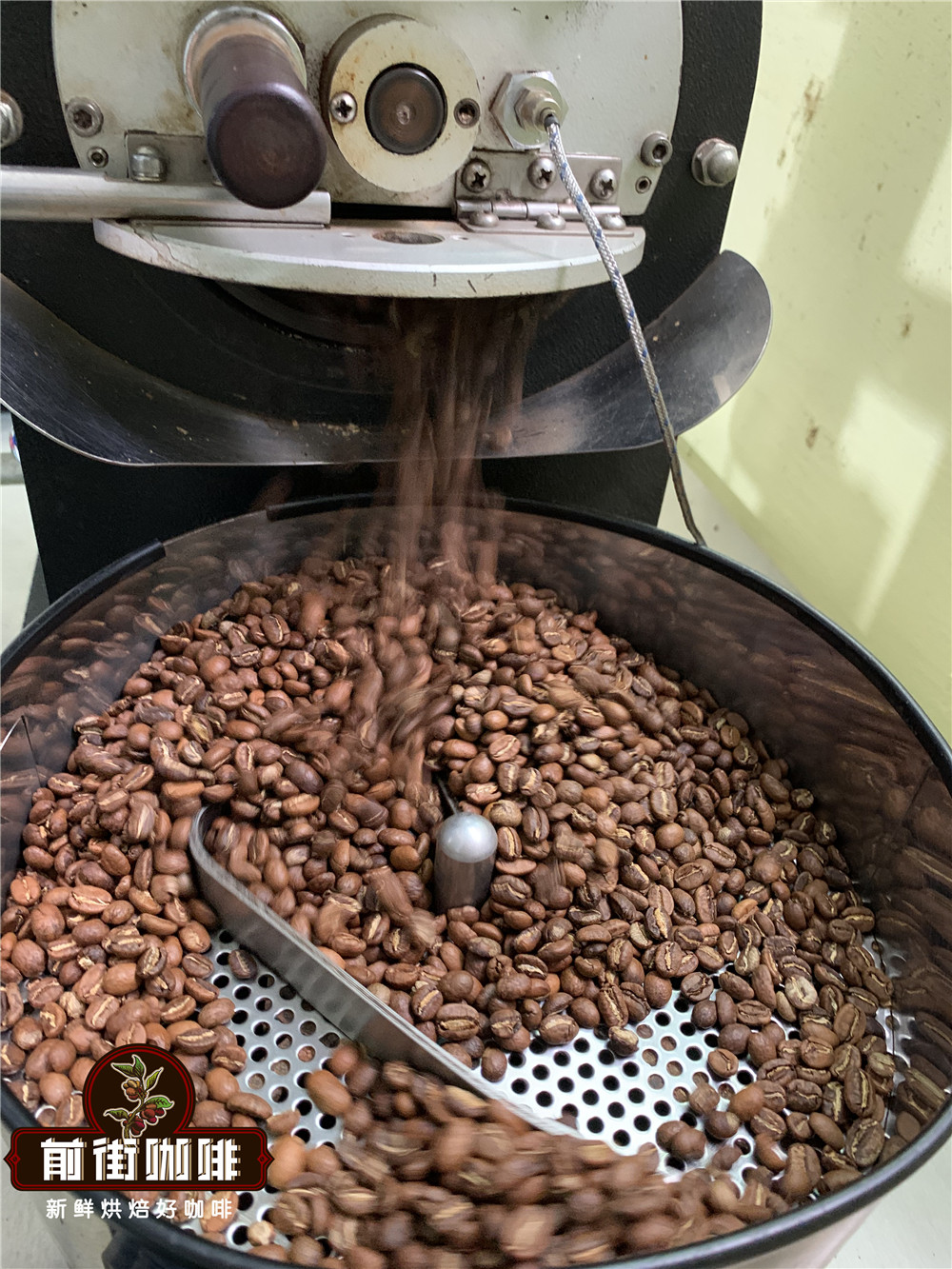
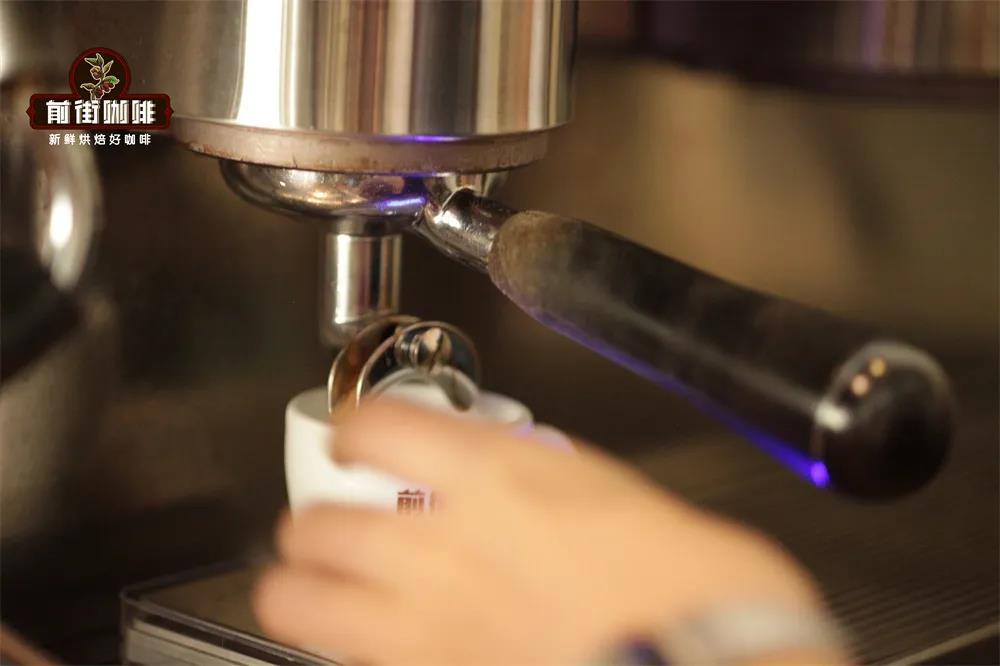
FrontStreet Coffee pulls the shot from its own house blend — the Sunflower · Warm Sun blend, built from Honduras Sherry and Yirgacheffe Natural Red Cherry at a 7:3 ratio. The blend produces rich cocoa aromatics with a touch of bright fruit acidity, berry notes, and whiskey-like undertones that linger pleasantly. The espresso parameters: 18 grams of grounds, 27 seconds, yielding 30 grams of espresso.

Espresso machine parameters vary from machine to machine, so adjust to your own equipment. How does the finished Piccolo taste? At 1:4, the coffee flavor stays very present — it highlights the chocolate-liqueur character of the Warm Sun blend, tasting richer than a latte without the punch of a straight espresso. The microfoam is as silky as a latte's: thinner than a flat white's, less dense than a cappuccino's. The whole drink has a milkshake-like texture — distinct chocolate liqueur notes, rich flavor, moderate sweetness, and a balanced finish.
Piccolo Latte vs. Flat White: Key Differences
The flat white comparison comes up often. The flat white is a coffee-forward drink: lattes balance coffee and milk, cappuccinos pair coffee with thick foam, while flat whites push stronger coffee flavor with less milk and thinner foam. Preparation varies by country, too — New Zealand baristas tend to build flat whites on a double ristretto, while Australian baristas often use a single espresso.

FrontStreet Coffee sums it up this way: a flat white is coffee with milk; a latte is milk flavored with coffee; a cappuccino is a foamy milk coffee. Flat whites showcase bean quality and origin character better than any other milk drink — which is exactly why they suit the SOE (Single Origin Espresso) trend and the third-wave emphasis on traceability.

The Importance of Coffee Bean Selection
For FrontStreet Coffee, the single most important step in making a great Piccolo is choosing the espresso base — a quality shot underpins every milk-forward espresso drink. Since most espresso blends are assembled from several different beans, getting that blend right matters enormously.
The Art of Coffee Bean Blending
A good blend lets different beans cover each other's weaknesses. Blend well, and the cup combines the strengths of every component into a balanced profile with rich, aromatic crema. Blend poorly, and the beans' flaws get amplified — particularly with light roasts, whose intense aromatics and pointed sweet-sour edges can overwhelm a milk drink. Many cafés like to include Yirgacheffe in their blends: the florals come through prominently, and the cup leans acidic, which suits drinkers who love that profile.

Why blend at all — doesn't it just create chaos? Quite the opposite. Every bean has strengths and weaknesses. If one bean produces too little crema, add a crema-rich component. If a shot comes out too sour, too bitter, or too sweet, find complementary beans to balance it. Dial in the blend, and a perfect Piccolo follows naturally.
FrontStreet Coffee Recommendation
For building milk drinks like the Piccolo at home, FrontStreet Coffee recommends starting with a blend that has a strong flavor signature. The house classic blend — buttery and cheesy, full-bodied with low acidity and dense, fine crema — pairs with milk for an outstandingly rich mouthfeel. For drinkers chasing floral and fruit notes, the low-bitterness Strawberry Candy espresso blend extracts with full grape and blueberry character and balanced sweet-tart acidity; with fresh milk it produces a strawberry-milkshake impression that's hard to forget.
Milk choice matters as much as coffee. Milk that's too thin makes the drink watery, while overly heavy milk buries the coffee's aromatics — opt for chilled fresh milk, which steams into a sweeter, more aromatic partner for espresso. Keep the foam thin: aerate for just 1–2 seconds, build a whirlpool quickly, and stop at 50–55°C. At a foam thickness of around 0.3cm — the standard FrontStreet Coffee uses — the first sip delivers crema and coffee character before the milk, exactly what a Piccolo or flat white is meant to do.
Important Notice :
FrontStreet Coffee is a long-established specialty coffee roaster in Guangzhou China, selling freshly roasted beans from its own farm in Yunnan as well as dozens of carefully selected single-origin beans from around the world for both pour-over and espresso. The products deliver consistently excellent quality and great value, with shipping within 24 hours. Guangzhou's FrontStreet Coffee shop is recommended by many coffee lovers, and the beans are now available online at the Tmall 。
FrontStreet Coffee has moved to a new address:
FrontStreet Coffee Address: 315,Donghua East Road,GuangZhou
Tel:020 38364473
 Scan and follow the En Gafei WeChat official account. Please indicate that the reprint comes from "En Gafei".