Flavor and Texture Differences in Light, Medium, and Dark Roast Coffee Beans: The Origins of Acidity and Sweetness
Why roast coffee beans?
Once coffee cherries have been through processing, they lose their outer layers and become the green beans we all know. Those green beans must be roasted at high temperature to unlock their aroma and their full range of sour, sweet, and bitter flavors — roasting is what turns them into something we can actually brew. Every compound that develops inside the bean is the product of chemistry.
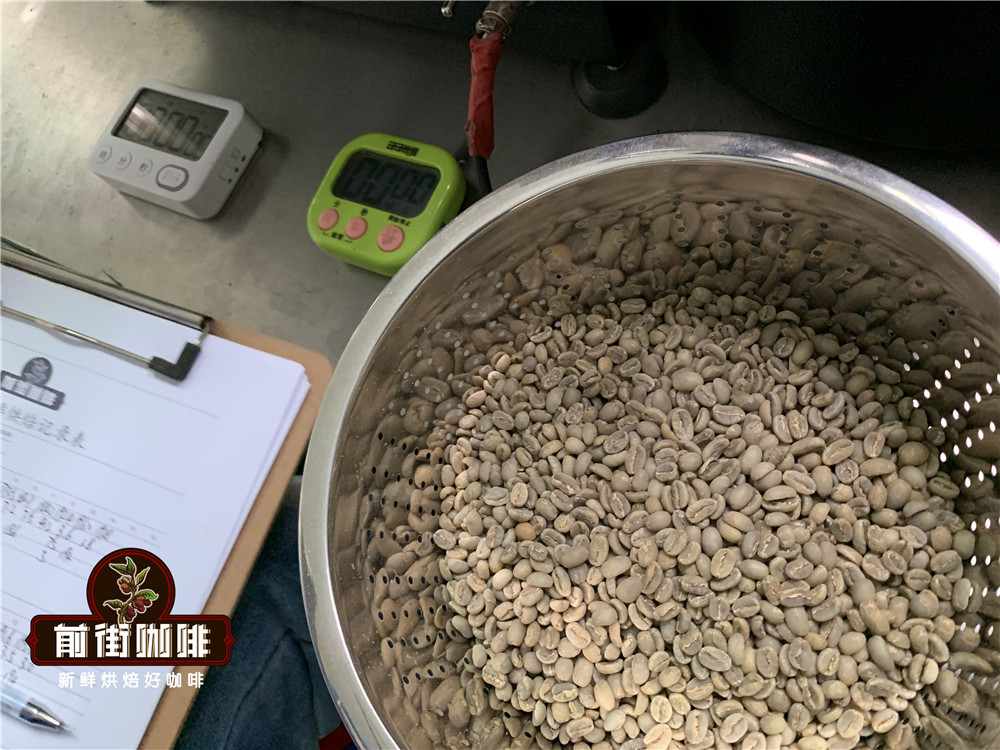
Because of those reactions, aroma, acidity, sweetness, and bitterness emerge one after another, and the proportions among them largely determine how the finished coffee tastes. The two main reactions during roasting are the Maillard reaction and caramelization.
The Maillard Reaction
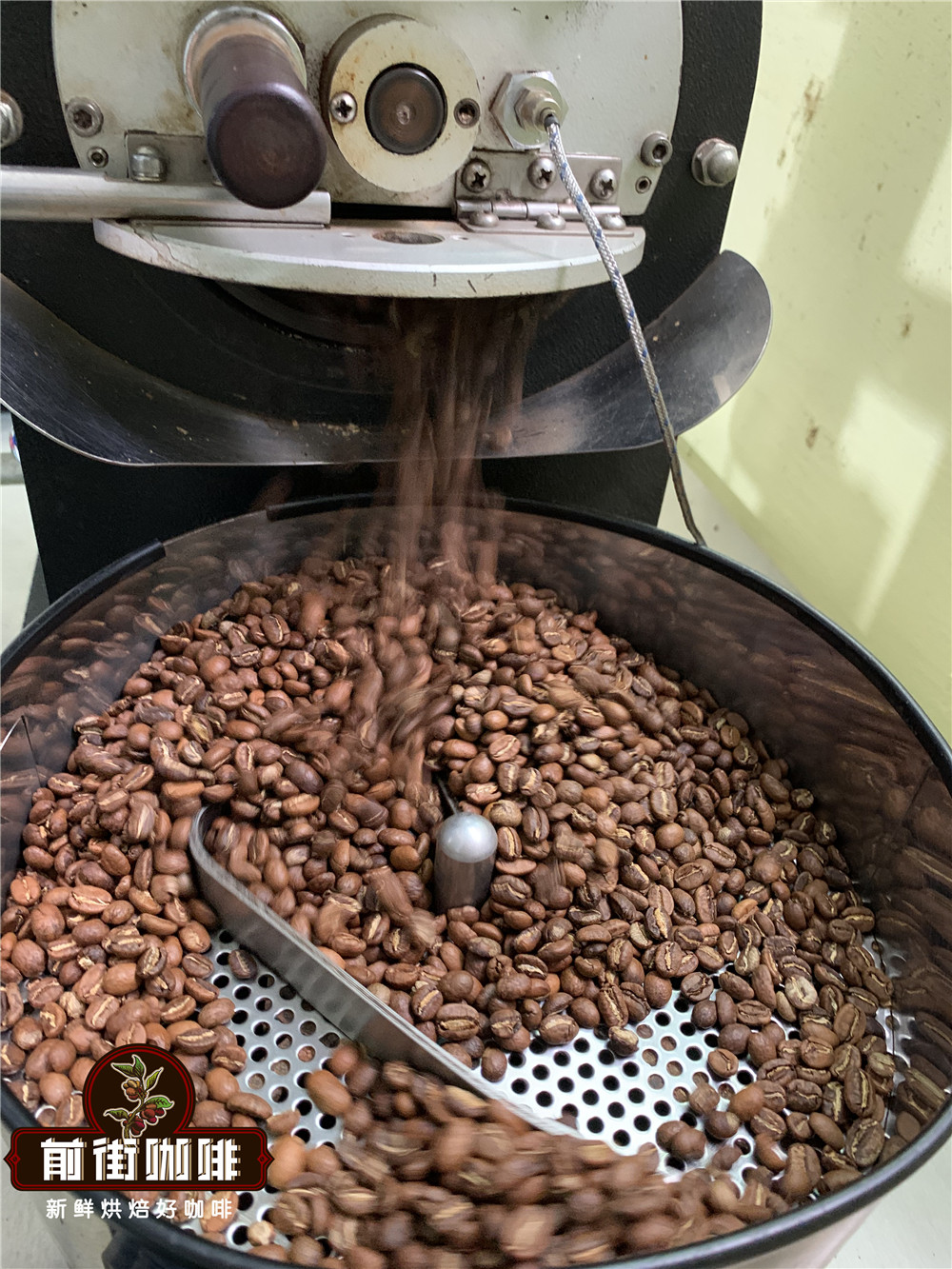
The Maillard reaction is central to coffee's flavor and color. Between 150-200°C, carbonyl groups (from sugars) react with amino groups (from amino acids and proteins) to create hundreds of flavor compounds, whose combination gives each coffee its distinctive character.
Caramelization
From about 170-200°C, the sugars in the bean begin to caramelize: they dehydrate and degrade while browning reactions deepen the bean's color and release new aromatic and acidic compounds.
Aroma development and color transformation thus depend on both reactions together. That's why FrontStreet Coffee's rule of thumb — green beans contribute 60% and roasting 30% of a cup's flavor — is no exaggeration. If the beans are poor and the roast is off, no brewing technique can save the cup.
Coffee Bean Roast Levels
In the 1970s through the 90s, coffee culture revolved around commercial beans, often containing Robusta and carrying flavor defects. Deep roasting was the standard way to mask those flaws — a lighter roast would have exposed them immediately.
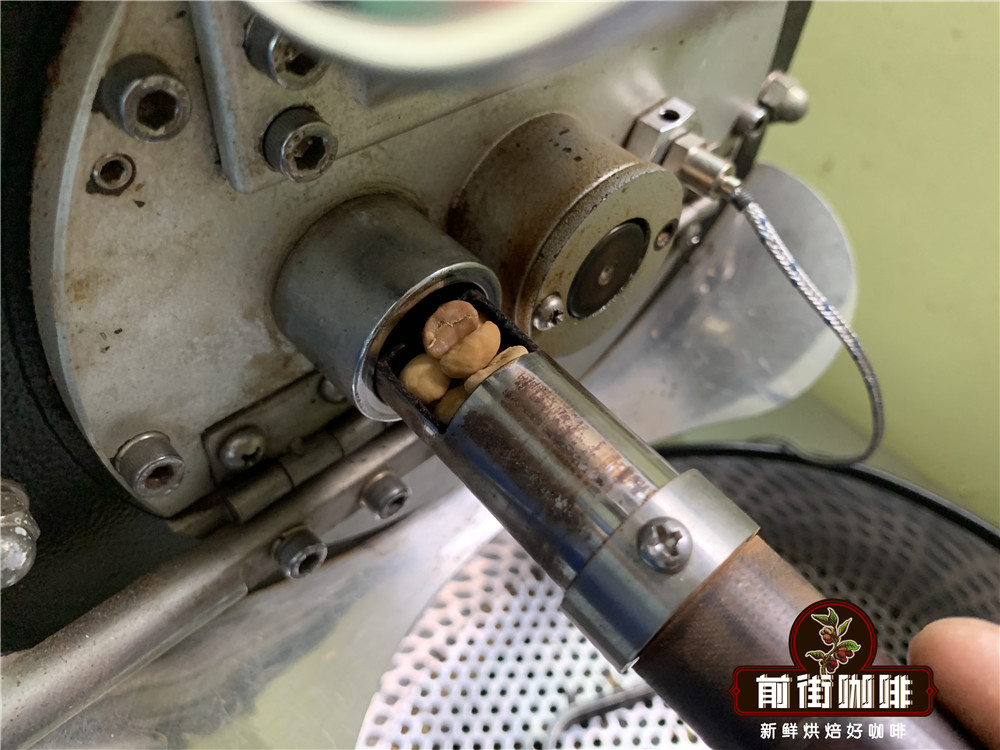
With specialty coffee's rapid growth, green bean quality has improved dramatically, and preferences have shifted toward clean cups with prominent acidity and sweetness — a trend that made light roasts fashionable. The Specialty Coffee Association (SCA) defines eight roast levels: very light, light, light-medium, medium, medium-dark, dark, French, and Italian.
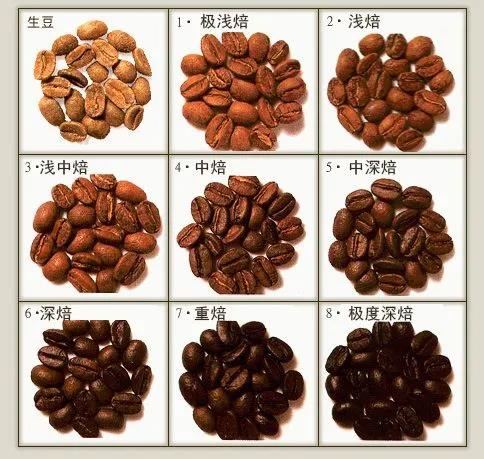
The three most common on the market are light, medium, and dark; FrontStreet Coffee mainly sells light and medium.
Light Roast: Rich fruit tones, sweet-tart floral and fruity aromas, pronounced acidity.
Medium Roast: Nutty tones — caramel, cocoa, and malt aromas lead the way.
Dark Roast: Slightly bitter chocolate notes, low acidity, rich caramel, with spicy, woody, and smoky flavors.
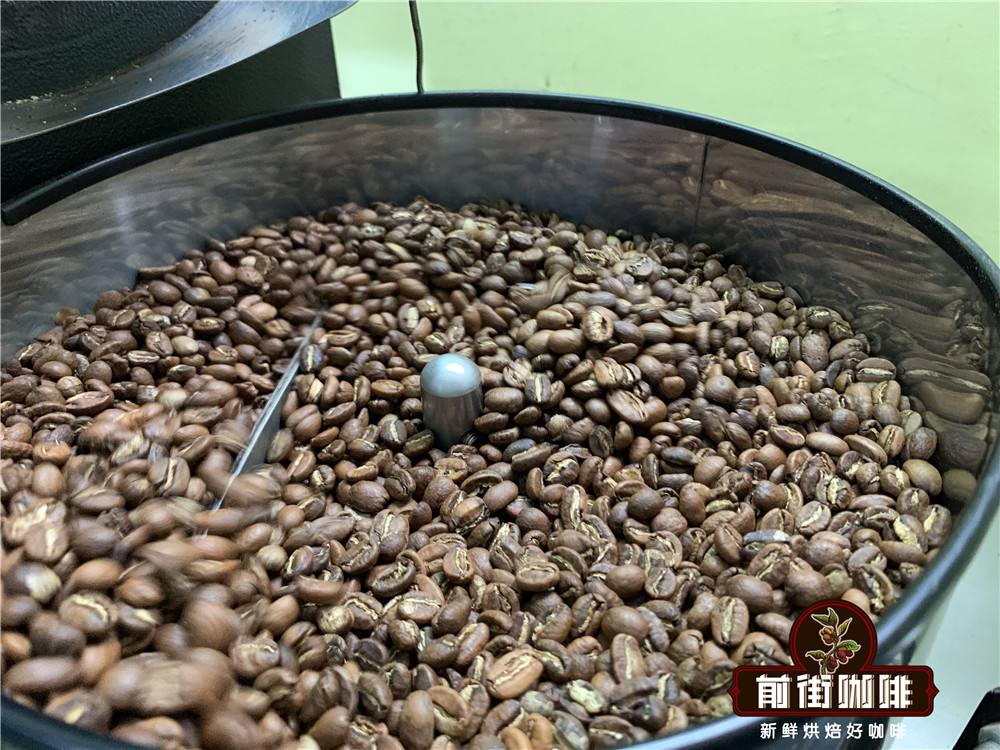
Light Roast Coffee Beans
When light roasts come to mind, Ethiopian Yirgacheffe is the first name that follows. A light roast puts its fruit character front and center: FrontStreet Coffee finds washed Yirgacheffe shows bright, clean citrus acidity, while natural Yirgacheffe adds juiciness and even more sweetness on top. For light roasts, FrontStreet brews with a V60, whose ribbed design enhances the coffee's layered complexity.
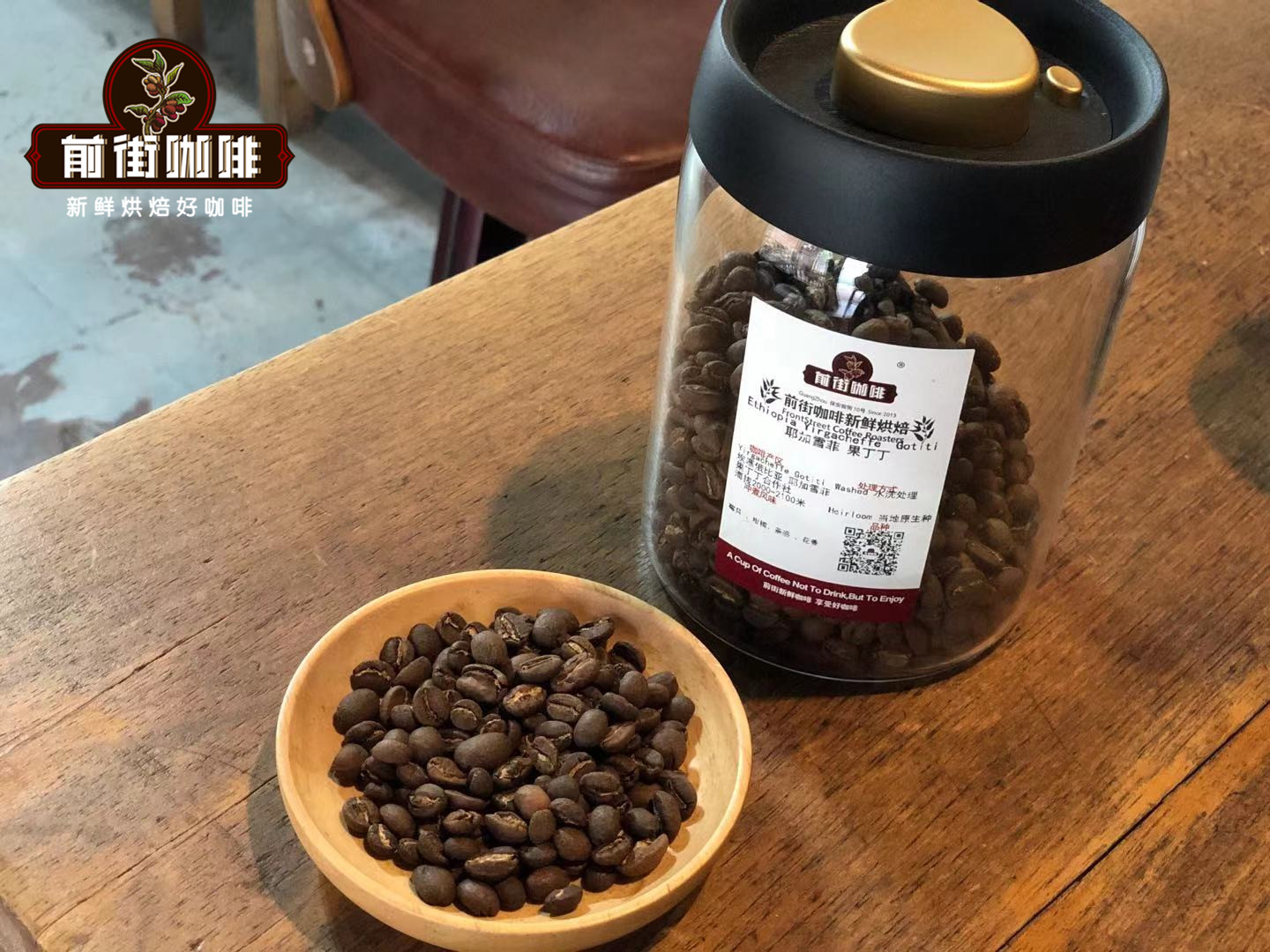
FrontStreet Coffee — Ethiopia Gudina Cooperative Coffee Beans
Region: Yirgacheffe, Gedeo Zone
Altitude: 1900-2300m
Variety: Heirloom
Processing: Natural
Grade: G1
FrontStreet Coffee Brewing Parameters & Method
Dripper: V60 #01
Water Temperature: 90-91°C
Dose: 15g
Coffee-to-water ratio: 1:15
Grind size: Medium-fine / fine-sugar size (80% pass-through on the #20 sieve)
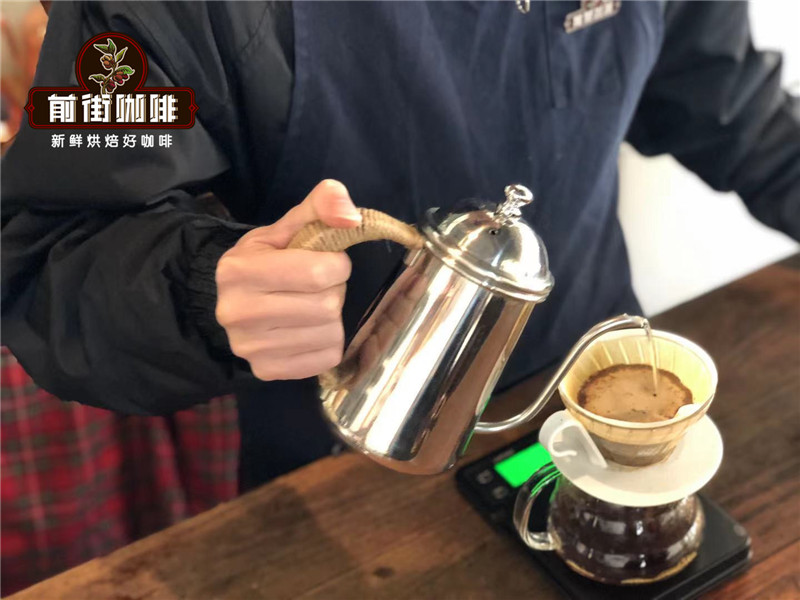
FrontStreet Coffee brews in stages: first, 30g of water for a 30-second bloom. In the second stage, pour to 125g in small circles from the center, gently, to minimize disturbance of the coffee bed, at roughly 4g per second. When the level falls to half the height of the bed, begin the third stage, pouring gently from the center outward until you reach 225g. Let the drawdown finish completely — total brew time 2'00" — then swirl gently to even out the coffee before tasting.
Gudina in the cup: the first sip brings citrus and black tea; as it cools, cream, caramel, and almond emerge, with a noticeable sweet aftertaste and a clean, sweet mouthfeel.
Medium Roast Coffee Beans
Medium roasts dial back acidity in favor of richer coffee flavor. The darker the roast, the more porous the beans become (they keep releasing gases during roasting) and the more water they absorb. To avoid pulling bitter, astringent off-flavors, FrontStreet Coffee recommends a coarser grind (70-75% pass-through on the #20 sieve) and a lower water temperature (88-89°C).
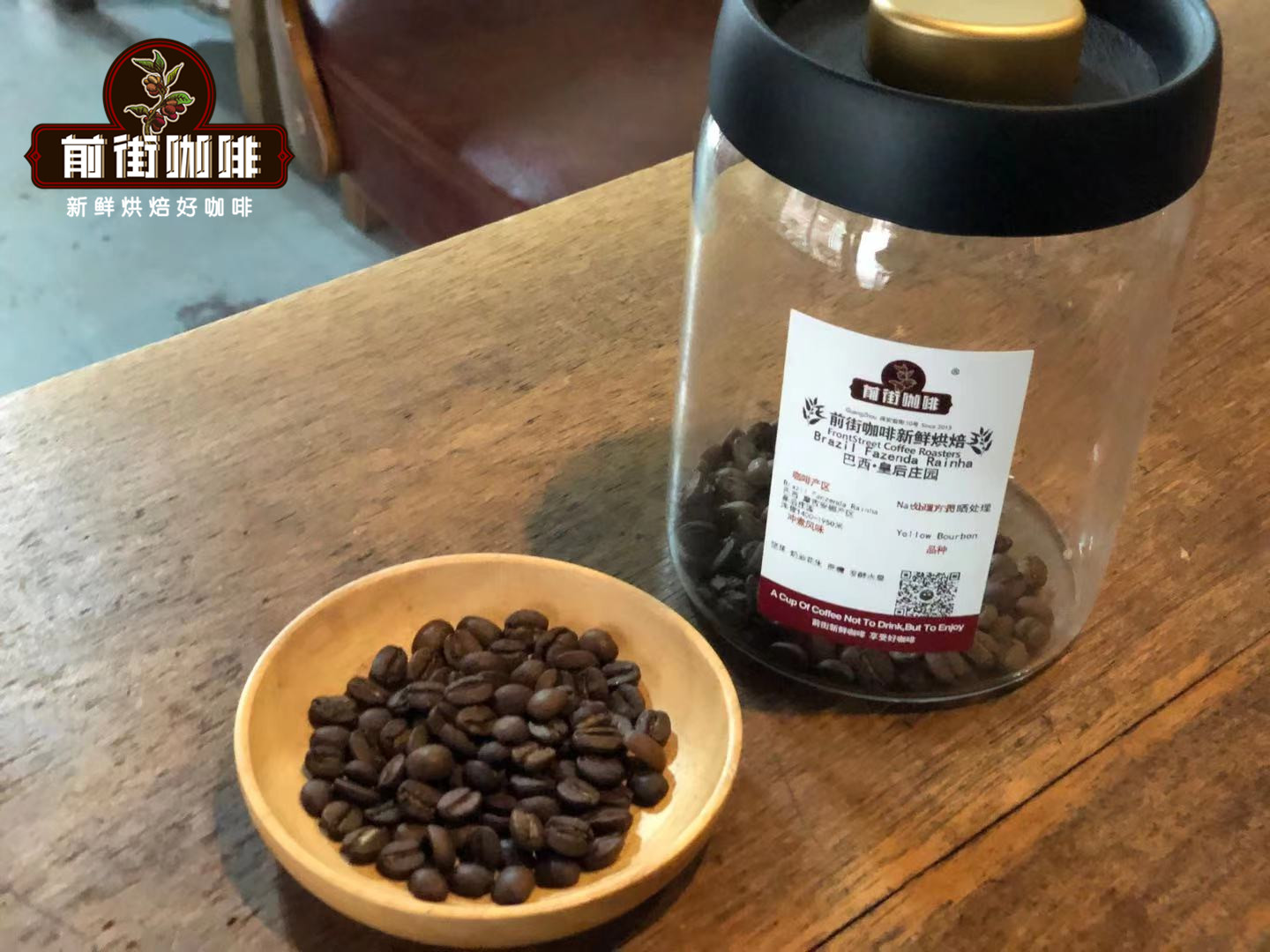
FrontStreet Coffee — Brazil Queen's Manor Coffee Beans
Region: Mogiana, Brazil
Estate: Queen's Manor
Altitude: 1400-1950m
Variety: Yellow Bourbon
Processing: Natural
FrontStreet Coffee Brewing Parameters & Method
Dripper: Kono Meimon
Dose: 15g
Water Temperature: 88°C
Grind size: Medium, 75% pass-through on the #20 sieve
Coffee-to-water ratio: 1:15
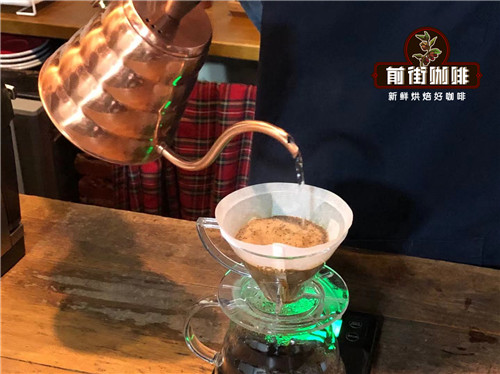
FrontStreet Coffee's three-stage method: preheat the dripper and server, add 15g of coffee, and tap the bed level. First pour: 30g of water in circles from the center for a 30-second bloom — the goal is an evenly saturated bed that puffs up into a "coffee dome." At 30 seconds, start the second pour: a water column 3-5cm high, adding 95g from the center outward in concentric circles to reach 125g, with uniform golden foam across the surface. As the bed begins to show through, make the final pour of 100g in slow, steady concentric circles. Once all the liquid has dripped through, remove the dripper — total time 2 minutes 5 seconds.
Brazil Yellow Bourbon in the cup: balanced mouthfeel with almond and cocoa leading, cane-sugar sweetness at the fore — good body and abundant sweetness.
Dark Roast Coffee Beans
Dark roasts exist to showcase rich, mellow, robust coffee flavor. FrontStreet Coffee brews them at 86°C with a grind coarser still — comparable to brown sugar (70% pass-through on the #20 sieve). Our darkest offering is the Indonesian Aged Mandheling.
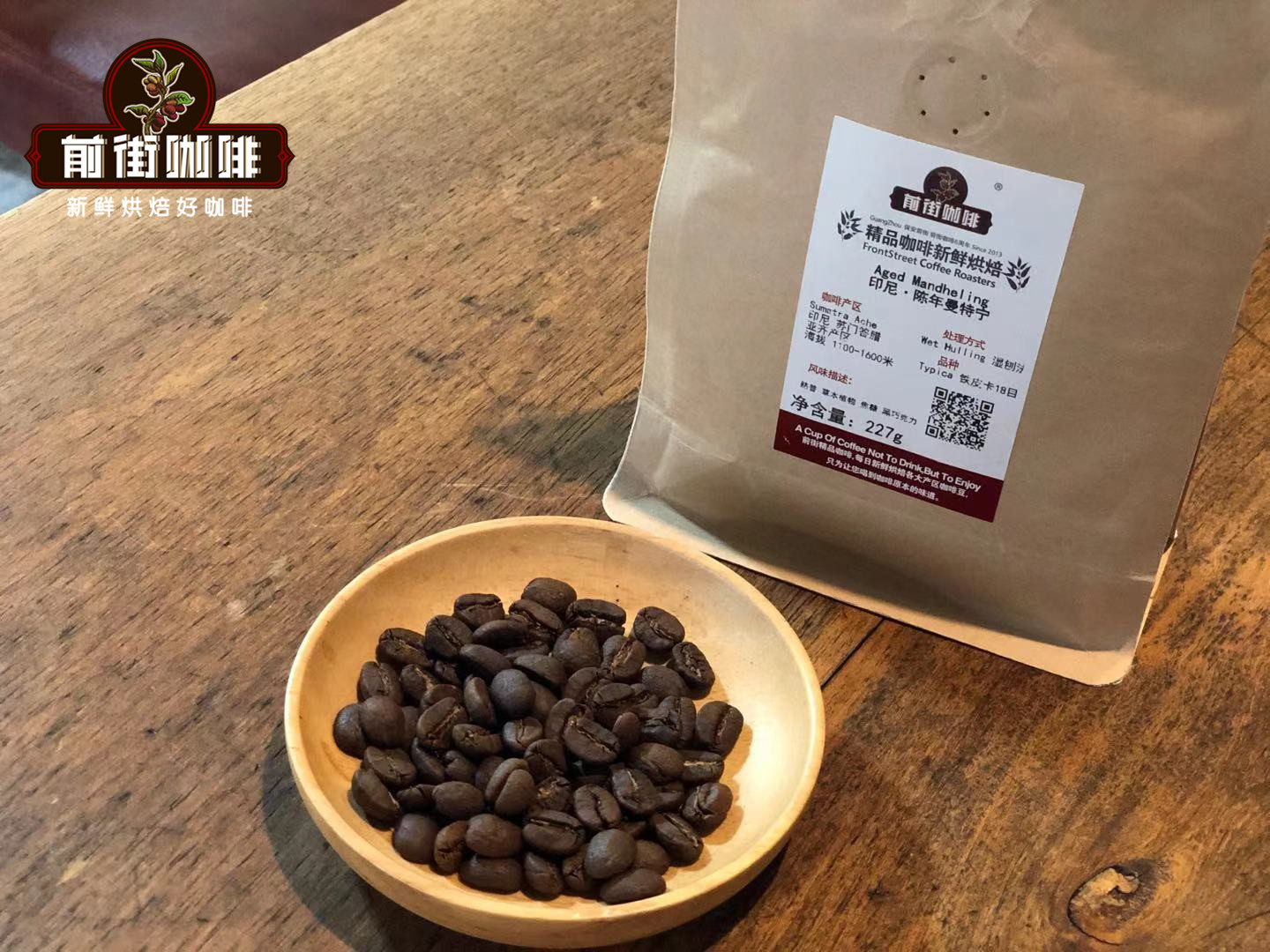
FrontStreet Coffee — Aged Mandheling Coffee Beans
Region: Sumatra
Altitude: 1500 meters
Variety: Caturra, Typica
Processing: Aged wet-hulled
FrontStreet Coffee Brewing Parameters & Method
Dripper: Kono Meimon
Recommended water temperature: 86-87°C
Grind size: Medium-coarse (70% pass-through on the #20 sieve)
Coffee-to-water ratio: 1:15
Dose: 15g
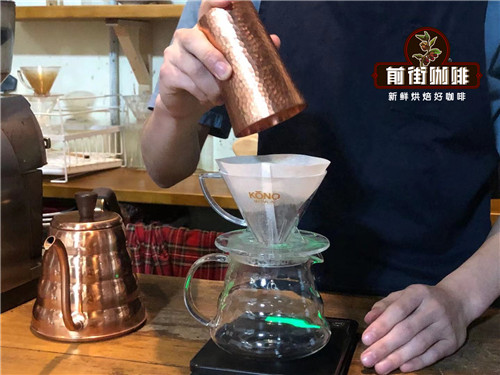
FrontStreet Coffee's method: pour 30g of water for a 30-second bloom, during which the coffee swells into its "dome." In the second stage, pour to 125g in small circles from the center, from a height of 4cm, gently, at about 4g per second. When the level falls to half the bed's height, make the third pour, gently from the center outward, up to 225g. End the extraction once the dripper runs dry — total time 2'07" — then swirl gently before tasting.
Aged Mandheling in the cup: pine, malt, and caramel on the nose. The mouthfeel is gentler than traditional Mandheling — more mellow and refined, with a mature, composed character. Low acidity; the first sip brings ripe pu-erh tea, caramel, herbal notes, and chocolate, with sweetness in abundance.
FrontStreet Coffee Recommendation
If you're after balance — neither the brightness of a light roast nor the heft of a dark one — medium roast is where to look, since roast depth is really a dial for acidity, sweetness, and bitterness: darker means more bitter and fuller-bodied, lighter means more acidic and lighter-bodied. The FrontStreet Queen's Manor (Brazil) is the classic pick: a rare Yellow Bourbon from the world's largest coffee-producing country, medium roasted to reveal cream-and-peanut, chocolate, toasted bread, and sugarcane aromas, and versatile enough for pour-over, moka pot, or espresso.
Prefer your medium roast sweeter and fruitier? Try the FrontStreet "Strawberry Candy" blend, which pairs a honey-processed Costa Rica with washed Panama Geisha — orange-blossom honeyed sweetness with a rounded, mellow finish. Or, for a taste of Chinese specialty coffee, the FrontStreet 2013 Natural Typica delivers classic Yunnan character — nuts, brown sugar, black tea, and dried apricot — while the medium-roast Blue Mountain No.1, grown in Jamaica from Typica, fuses acidity, bitterness, sweetness, and body into that famously elegant, unmatched balance of chocolate, roasted nuts, cream, and caramel.
Important Notice :
FrontStreet Coffee is a long-established specialty coffee roaster in Guangzhou China, selling freshly roasted beans from its own farm in Yunnan as well as dozens of carefully selected single-origin beans from around the world for both pour-over and espresso. The products deliver consistently excellent quality and great value, with shipping within 24 hours. Guangzhou's FrontStreet Coffee shop is recommended by many coffee lovers, and the beans are now available online at the Tmall 。
FrontStreet Coffee has moved to a new address:
FrontStreet Coffee Address: 315,Donghua East Road,GuangZhou
Tel:020 38364473
 Scan and follow the En Gafei WeChat official account. Please indicate that the reprint comes from "En Gafei".