What is Horseman 6.0 Coffee Bean? How to Brew Full Juice Flavor from Sidamo Horseman Coffee?
FrontStreet Coffee's Ethiopian Guji Sidamo "Hana Asako" Coffee
FrontStreet Coffee's renowned specialty coffee bean, the Guji Sidamo "Hana Asako," comes from Ethiopia's Guji region. Originally part of Sidamo, Guji became an independent coffee-producing area thanks to its distinctive flavor profile, though many still classify Hana Asako beans as part of Sidamo. FrontStreet Coffee has sampled beans from various Ethiopian regions, including Yirgacheffe, which ranks alongside Sidamo as one of Ethiopia's two major specialty coffee regions.
Comparing FrontStreet Coffee's Yirgacheffe and Sidamo beans reveals distinct characteristics. Both are Ethiopian coffees sharing bright fruit acidity. FrontStreet Coffee's Yirgacheffe, however, carries citrus-lemon acidity with hints of jasmine, while FrontStreet Coffee's Sidamo shows strawberry jam and passion fruit notes with a creamy texture.
The Origin of "Hana Asako"
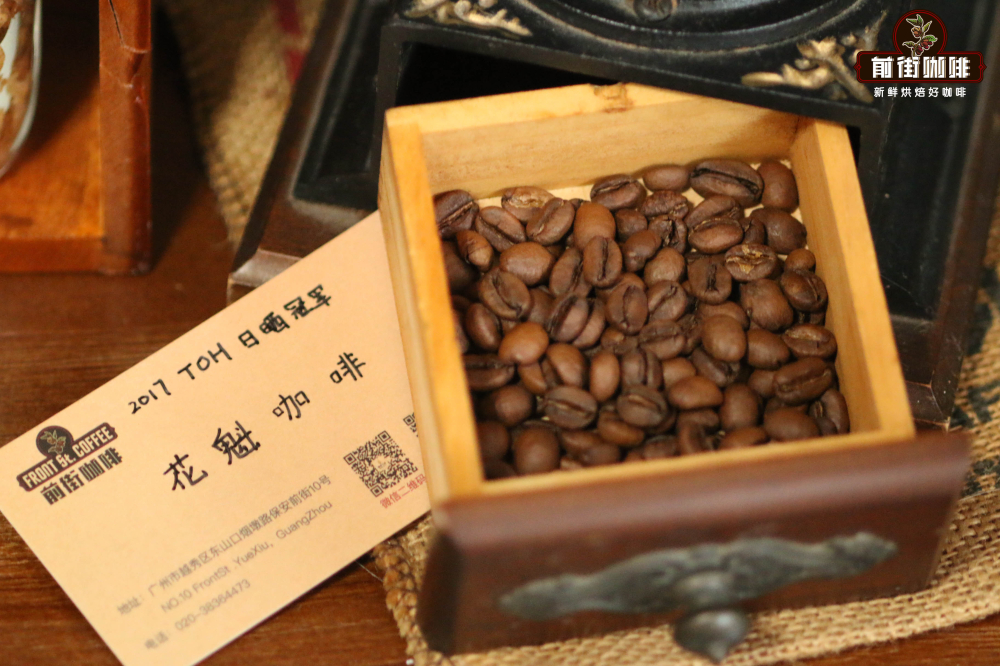
In 2017, Ethiopia's DW green bean company submitted coffee to the Taste Of Harvest (TOH) competition hosted by the African Fine Coffee Association. A natural process batch from the "Buku Abel" processing station won the Ethiopian TOH championship with its intense strawberry and cream aroma. That year, Beijing green bean traders imported this batch and named it "Hana Asako" in honor of its championship status.
The same year, Li Jianfei from Beijing took second place in the 2017 World Brewers Cup China region with this Hana Asako coffee, boosting its popularity. Geisha varieties dominated that year, with most competitors choosing Geisha beans, yet Hana Asako, an Ethiopian heirloom variety, beat numerous Geisha entries to secure second place. Brewing skill played a part, but Hana Asako's exceptional quality was undoubtedly key, leading many to consider it comparable to Geisha coffee.
Subsequently, DW expanded its processing stations in Hambella's core Dimtu region: "Buku Abel," "Buku Saysay," "Haro Soresa," and "Tirtiro Goye," with an annual coffee production of approximately 1,100 tons.

In terms of growing region and processing station, only natural process beans from the "Buku Abel" processing station in the Guji region can be called "Hana Asako."
The Guji region, formerly part of Sidamo, became an independent region in 2010, recognized by the Ethiopia Commodity Exchange (ECX). Located southeast of Yirgacheffe, Guji has complex terrain of towering mountains, valleys, and plains. Its fertile black soil (Vertisol) extends nearly two meters deep, with average elevations above 1,800 meters. Wide day-night temperature swings create ideal terroir for premium specialty coffee.

With Hana Asako's growing popularity in the Chinese market in recent years, DW has expanded its Hambella operations several-fold. Later vintages were labeled "Hana Asako X.0" - for example, 2018's Hana Asako 2.0, 2019's Hana Asako 3.0, and on through 2022's Hana Asako 6.0. Because coffee is an agricultural product, Hana Asako from different years shows subtle flavor variations.
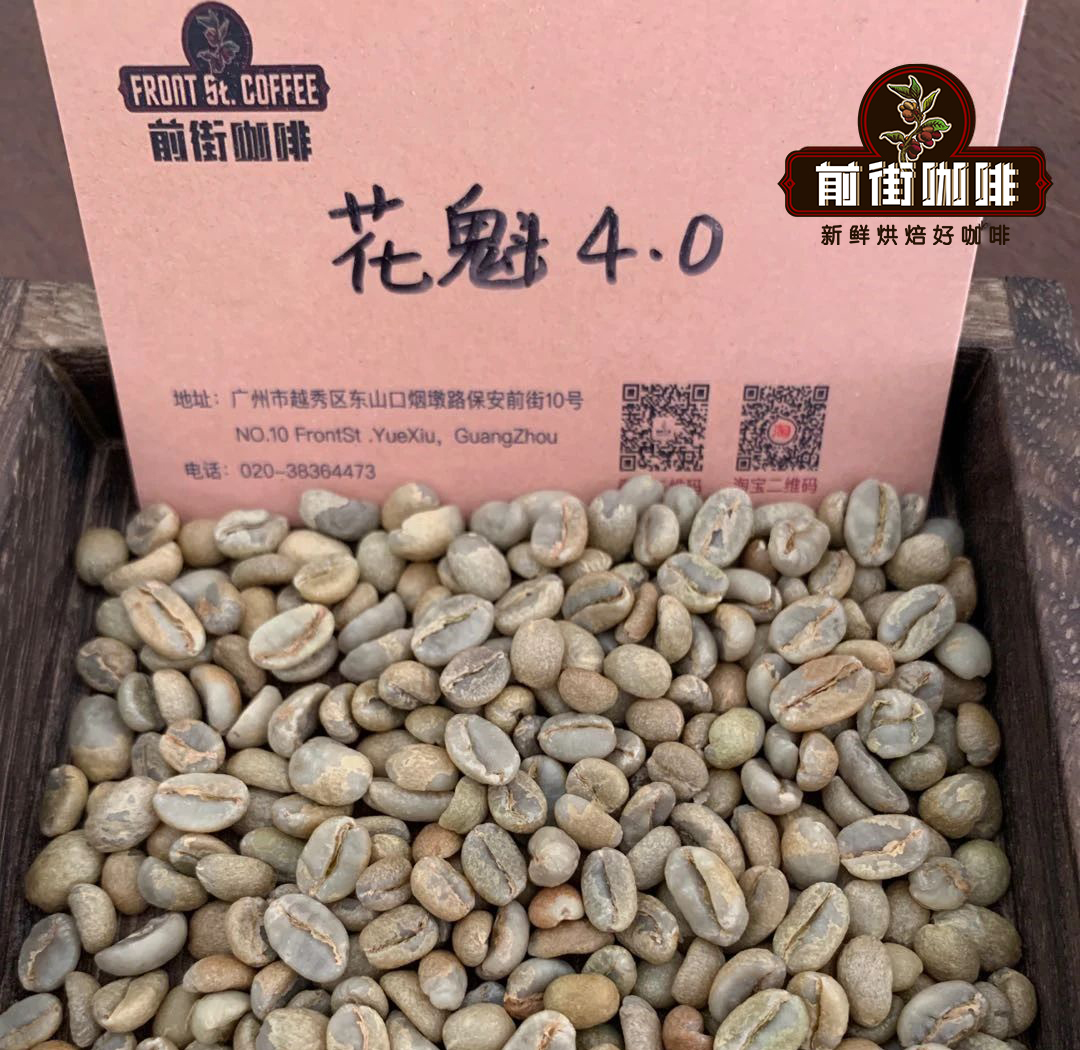
Today Hana Asako has evolved to 8.0. FrontStreet Coffee compared several batches of FrontStreet Coffee's Hana Asako beans. Through roasting and cupping, FrontStreet Coffee found that FrontStreet Coffee's Hana Asako 4.0 closely resembles the original in flavor, though its body and aftertaste don't match the 2017 original. The 2021 FrontStreet Coffee Hana Asako 5.0 tends toward rich citrus and berry notes, while the 2024 FrontStreet Coffee Hana Asako 8.0 excels in tropical fruit aromas.

FrontStreet Coffee found that the 2021 and 2024 batches of FrontStreet Coffee Hana Asako beans closely resemble the original in flavor, though their body and aftertaste don't match the 2017 original. Surprisingly, FrontStreet Coffee can sometimes identify green beans identical to the original Hana Asako batch among these vintages. As for Hana Asako 3.1, FrontStreet Coffee's cupping revealed flavors quite distant from the original, resembling instead Geisha characteristics (not Panamanian Geisha, but Geisha Estate-style flavors - completely different bean styles). FrontStreet Coffee confirmed this variation with green bean suppliers.
FrontStreet Coffee's Hana Asako 6.0, originally scheduled to arrive in April 2022, was delayed by the pandemic. Here FrontStreet Coffee discusses the 2021 FrontStreet Coffee Hana Asako 5.0, with plans to evaluate the new Hana Asako 6.0 upon arrival.
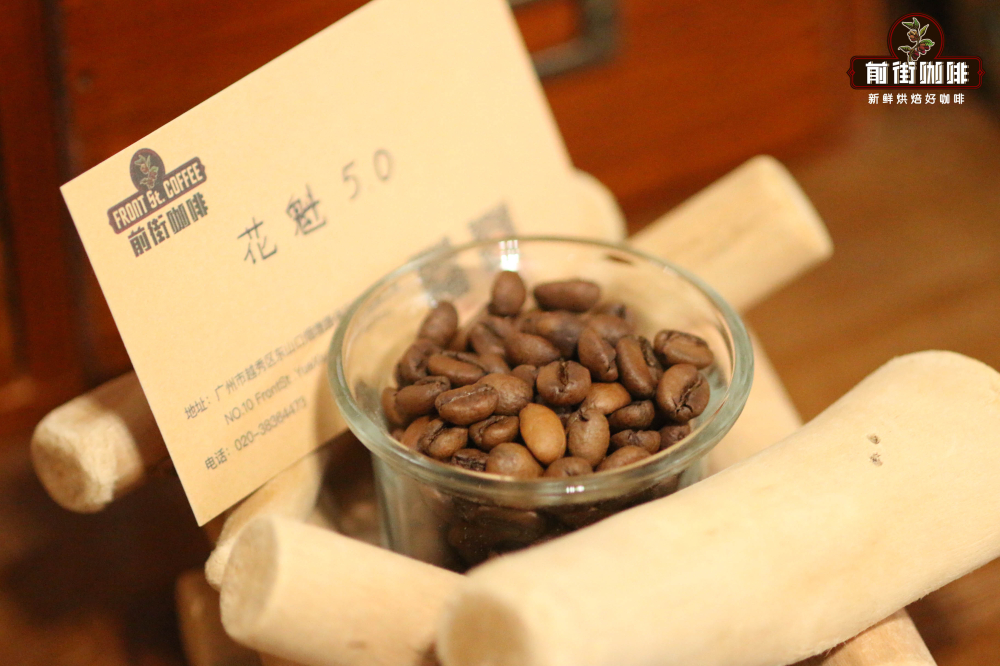
FrontStreet Coffee Hana Asako 5.0 Coffee Beans
- Country: Ethiopia
- Region: Sidamo, Guji Region
- Altitude: 2,250-2,350m
- Variety: Local Heirloom
- Processing: Natural Process
Hana Asako Coffee Beans - Natural Processing Method
During the annual harvest and processing season (December-January), cherries must reach sugar levels above 30 before natural processing begins. For the first two days, cherry moisture is maintained so the fruit sugars ferment thoroughly. The high-altitude location lets processing-station nighttime temperatures drop to around 12 degrees Celsius, preventing over-fermentation from excessive heat. During hotter midday hours the cherries are promptly covered to prevent sun damage, while thick plastic sheets protect them from sudden rainfall at night.

This approach lets the cherries ferment and dehydrate at lower temperatures. After 18 days of natural processing, when green bean moisture content reaches approximately 13%, processing stops. The beans are bagged and stored in warehouses at 12-22 degrees Celsius with 45-55% humidity for about 50 days of resting and further dehydration. When moisture content reaches around 11%, the beans are transported to processing stations for hulling, sorting, and sale.
FrontStreet Coffee Roasting Parameters
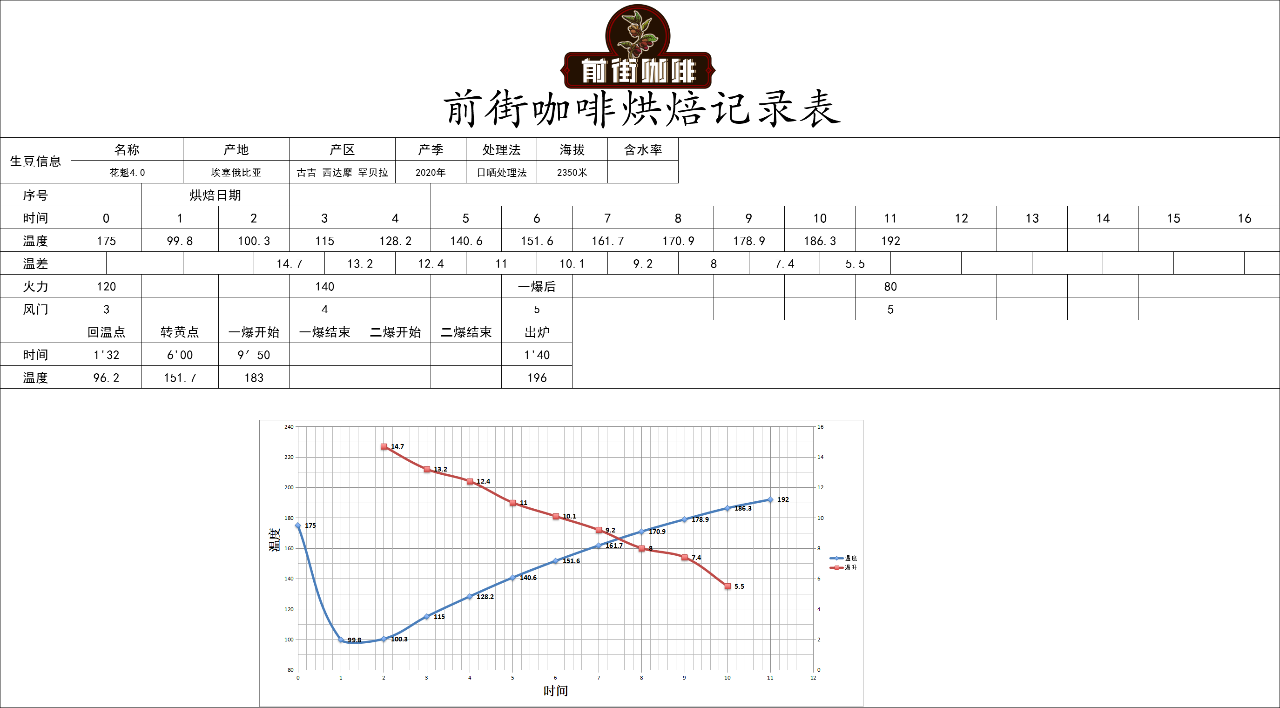
To highlight the floral and fruity characteristics and aromas of Hana Asako, FrontStreet Coffee uses medium-light roasting, with an extended dehydration period to preserve bean aromas. Beans enter at 175 degrees Celsius, reaching 96.2 degrees Celsius at the 1:32 turnaround point, with heat at 120 and air damper at 3 for an even temperature rise. Yellowing occurs at 6 minutes, entering the development phase as heat rises to 140. First crack begins at 9:50, with beans dropped 1 minute 40 seconds later at 196 degrees Celsius.
FrontStreet Coffee's Cupping Notes for Previous Hana Asako Vintages:
- FrontStreet Coffee Hana Asako G1: Smooth, passion fruit, fermented wine aroma, jackfruit, strawberry.
- FrontStreet Coffee Hana Asako 2.0: Overall clean cup, more pronounced berry aroma with nutty notes, richer mouthfeel.
- FrontStreet Coffee Hana Asako 3.0: Subtle strawberry jam, black tea character, short sweet aftertaste.
- FrontStreet Coffee Hana Asako 3.1: Floral, creamy, tropical fruits, caramel, persistent sweet aftertaste.
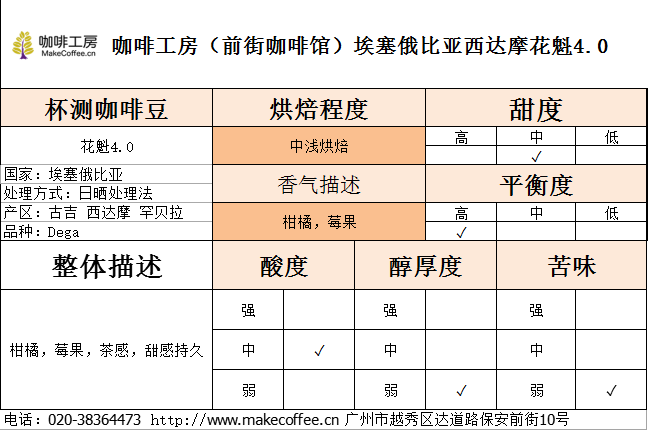
- FrontStreet Coffee Hana Asako 4.0: Citrus acidity, full-bodied berry juice, lemon black tea character, persistent sweetness.
- FrontStreet Coffee Hana Asako 5.0: Citrus acidity, berry aroma, creamy mouthfeel.
FrontStreet Coffee Barista's Brewing Recommendations
FrontStreet Coffee recommends brewing with freshly roasted beans to maximize flavor. All beans shipped by FrontStreet Coffee are roasted within 5 days, because FrontStreet Coffee understands how much freshness affects flavor. The roasting philosophy is "freshly roasted quality coffee," ensuring every customer receives the freshest coffee on delivery. The resting period is typically 4-7 days, meaning customers receive beans at peak flavor.
Hana Asako 8.0 is renowned for rich berry aromas and high sweetness. FrontStreet Coffee chooses medium-light roasting (adjusted slightly by batch) to better present the "Hana Asako character." This roast level doesn't significantly change the high density of high-altitude beans, so brewing requires a higher extraction rate to reveal fuller flavor layers, using higher water temperatures and finer grinds to extract more aromatic compounds.

Brewing Equipment: HARIO V60
Dose: 15g
Ratio: 1:15
Water Temperature: 90 degrees Celsius
Grind Size: Medium-fine (80% pass-through on a China standard #20 sieve)

First pour 30g of water for a 30-second bloom, then pour 95g more (the scale shows about 125g), finishing in about 1 minute. When the water level drops to two-thirds of the coffee bed, pour the remaining 100g (the scale shows about 225g), finishing in about 1 minute 35 seconds. Total brew time is 2:10 when dripping finishes. Remove the filter cone to complete extraction.
Besides regular hot pour-over, FrontStreet Coffee notices many people enjoy refreshing iced pour-over coffee. Below, FrontStreet Coffee demonstrates how to brew a juice-like Hana Asako iced pour-over at home using FrontStreet Coffee's Ethiopia Hana Asako 8.0.
Coffee Beans: FrontStreet Coffee Ethiopia Hana Asako 8.0
Dose: 15g
Coffee-to-Water Ratio: 1:11 (160g hot water)
Ice: 75g
Grind Size: Fine sugar (EK43s setting 9.5, Comandante C40 approximately 22)
Dripper: Hario V60
Three-stage pours: 30g, 90g (+stirring), 45g

Before brewing, place ice in the server and add all the coffee grounds. The first stage, the bloom, is unchanged: use a small stream to pour 30g in concentric circles from center outward.
After 30 seconds, use a large stream to pour 90g of hot water in circles while raising the water level. When the scale shows 120g, stop pouring and use a small spoon to stir 5 circles along the filter wall in one direction, then wait for the coffee to drip down slowly.

When the water in the filter nearly drains, use the same small-stream technique to pour the remaining 45g of hot water in small circles until all the coffee drips through. Remove the filter cone to finish extraction. Total time should be between 1:55 and 2:05.

This method produces a FrontStreet Coffee Hana Asako 8.0 iced coffee with full, rich flavors leaning toward yellow stone fruit. The stirring enhances rich fruit acidity with refreshing sweetness, and the ice's cooling effect creates a refreshing grape-juice-like experience.
FrontStreet Coffee Recommendation
If Hana Asako's intense strawberry-and-cream natural character is what you love, FrontStreet's washed Yirgacheffe makes an illuminating counterpoint. Roasted medium-light, it is known for white jasmine, bright citrus and lemon acidity, and a tea-like body - the most classic way to introduce yourself to the Ethiopian origin, and an affordable first step into specialty coffee.
For a natural-process comparison within Yirgacheffe, FrontStreet's Red Cherry is made from fully ripe, all-red cherries dried on raised beds. Because the fruit dries with the pulp intact, it keeps the typical Yirgacheffe profile while gaining tropical fruit aroma: citrus-like acidity, a berry-juice body, honeyed sweetness, and a creamy smoothness.
Important Notice :
FrontStreet Coffee is a long-established specialty coffee roaster in Guangzhou China, selling freshly roasted beans from its own farm in Yunnan as well as dozens of carefully selected single-origin beans from around the world for both pour-over and espresso. The products deliver consistently excellent quality and great value, with shipping within 24 hours. Guangzhou's FrontStreet Coffee shop is recommended by many coffee lovers, and the beans are now available online at the Tmall 。
FrontStreet Coffee has moved to a new address:
FrontStreet Coffee Address: 315,Donghua East Road,GuangZhou
Tel:020 38364473
 Scan and follow the En Gafei WeChat official account. Please indicate that the reprint comes from "En Gafei".