
A Brief Analysis of Coffee Crema: What It Is, Its Effects on the Body, and Reasons for Inadequate Extraction
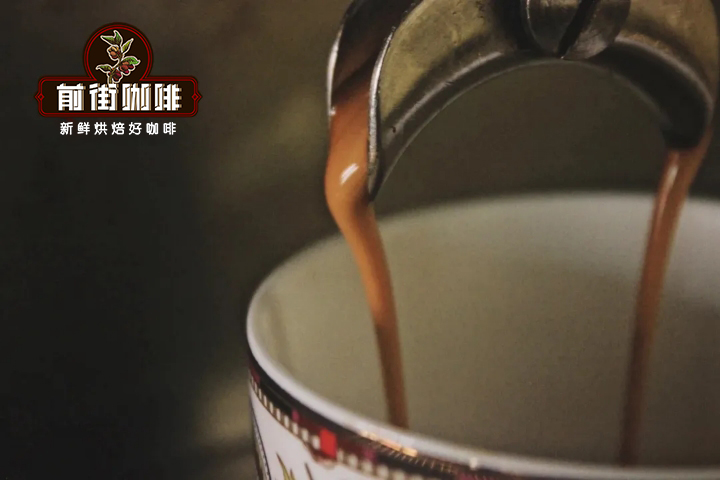
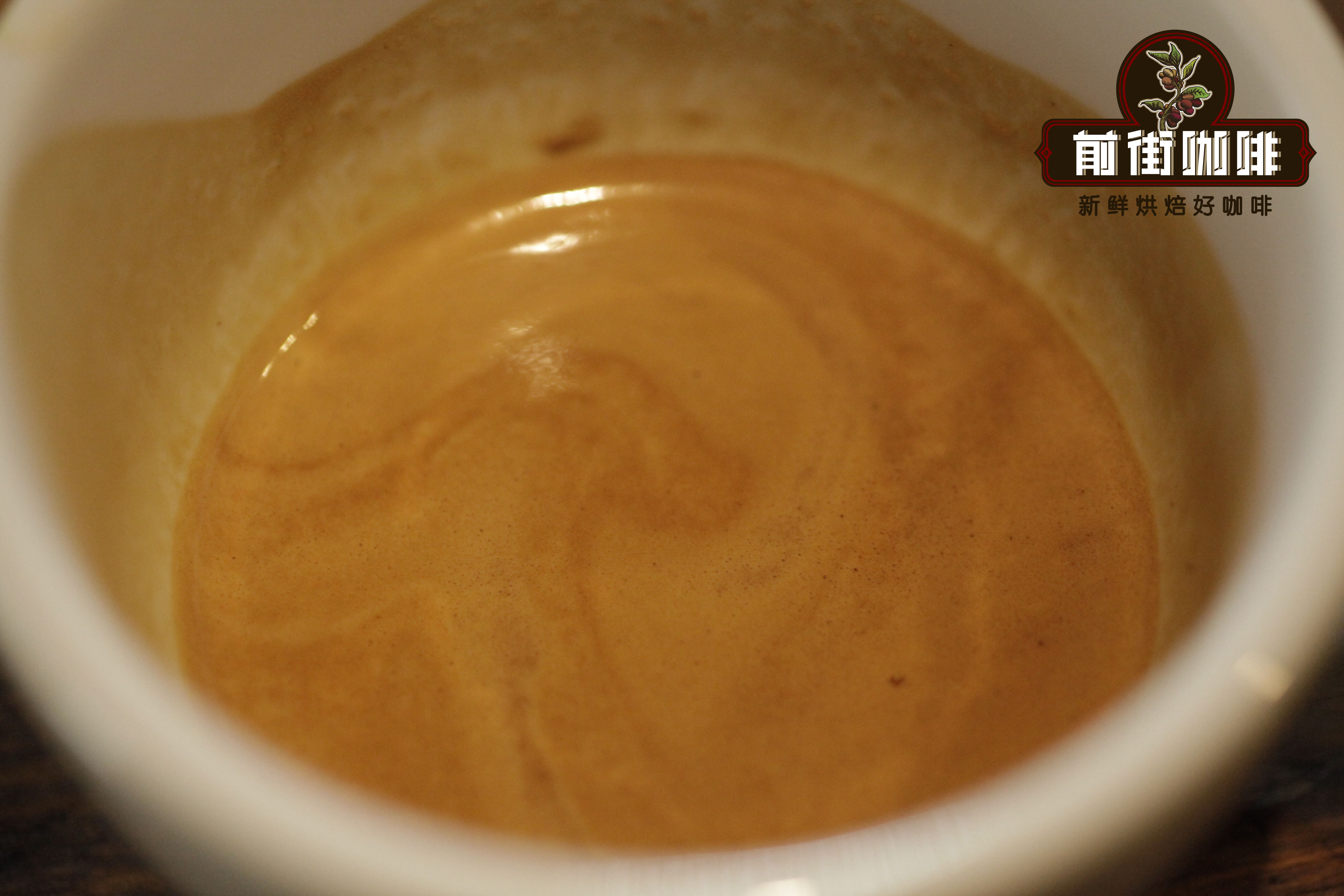
Espresso is a small, exquisite coffee crowned with a layer of rich golden crema. That golden foam is one of the defining hallmarks of espresso, and Italians simply call it "crema."
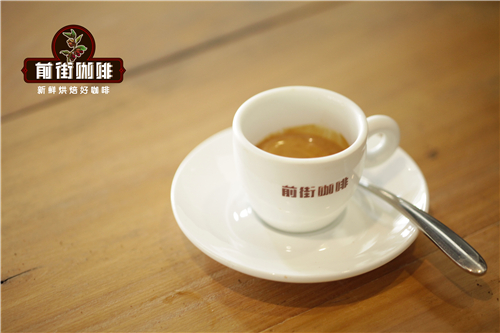
What is Coffee Crema?
Coffee crema is made up mainly of carbon dioxide and the insoluble oils from the coffee grounds. As everyone knows, coffee beans hold gases such as carbon dioxide after roasting. When a modern semi-automatic espresso machine extracts a shot, it generates 9 bar of pressure to compress the coffee puck. Under that pressure the water becomes supersaturated with carbon dioxide, so the gas cannot escape and instead dissolves directly into the coffee liquid.
During the same process, the fats in the coffee are emulsified. These fats encapsulate the carbon dioxide, and because they are lighter than water they gradually rise and separate, so the golden crema gathers on the surface and creates that beautiful appearance.
What Factors Affect the Richness of Espresso Crema?
1. Coffee Beans
Since espresso crema is composed of carbon dioxide and insoluble oils, its richness is tied to the roast level and the bean variety. The darker the roast, the more oils and carbon dioxide it contains. Beans such as Robusta hold more oils, so a shot pulled from them shows a richer crema.
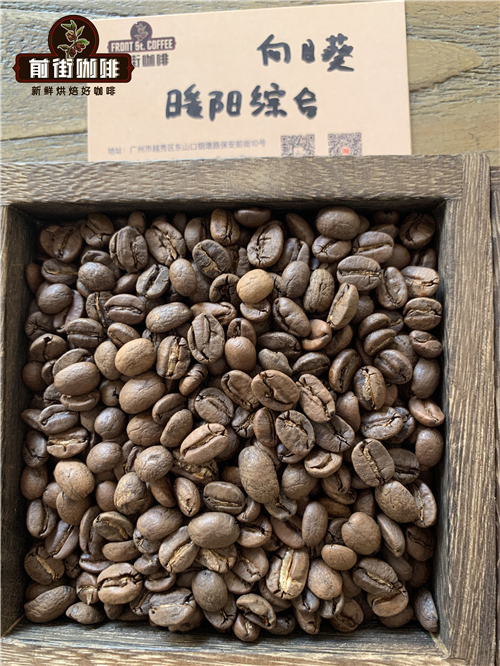
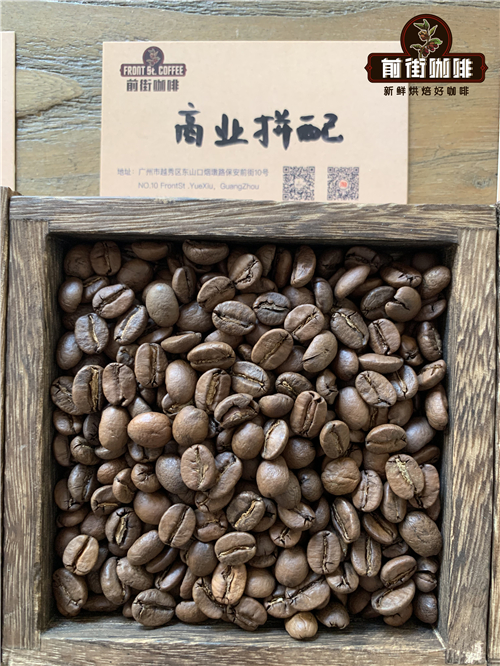
FrontStreet Coffee's Sunflower Warm Blend and FrontStreet Coffee's Commercial Blend both deliver a thick, generous crema.
FrontStreet Coffee Sunflower Warm Blend Coffee Beans
This is FrontStreet Coffee's flavor-oriented blend, made from 70% FrontStreet Coffee Honduras Sherry coffee and 30% FrontStreet Coffee Ethiopia Yirgacheffe natural red cherry. The Honduras Sherry component supplies the rich crema, while the blend as a whole brings notes of sherry, vanilla, cream, chocolate, and caramel.
FrontStreet Coffee Commercial Blend Coffee Beans
Built from Brazil, Colombia, and 10% Robusta, this blend tastes classic and pours with rich crema and body: caramel sweetness, nuts and cocoa, dark chocolate, balanced sweet and sour, slightly bitter, with a persistent aftertaste. The Colombian beans from the Huila region add a pleasant, fragrant acidity and an intriguing sweetness, the Brazilian beans from the Cerrado region add a comfortable bitterness and an extremely smooth drink, and the Robusta supplies the abundant crema. FrontStreet Coffee's Commercial Blend suits coffee shops and beverage shops of every size.
2. Extraction Pressure
Semi-automatic espresso machines generally extract at around 9 bar, a figure set by the machine's design. Some machines now offer variable-pressure extraction. Low pressure produces low extraction efficiency, while high pressure produces high extraction efficiency, and the higher the pressure, the more easily crema forms.
3. Flow Rate/Channel Effect
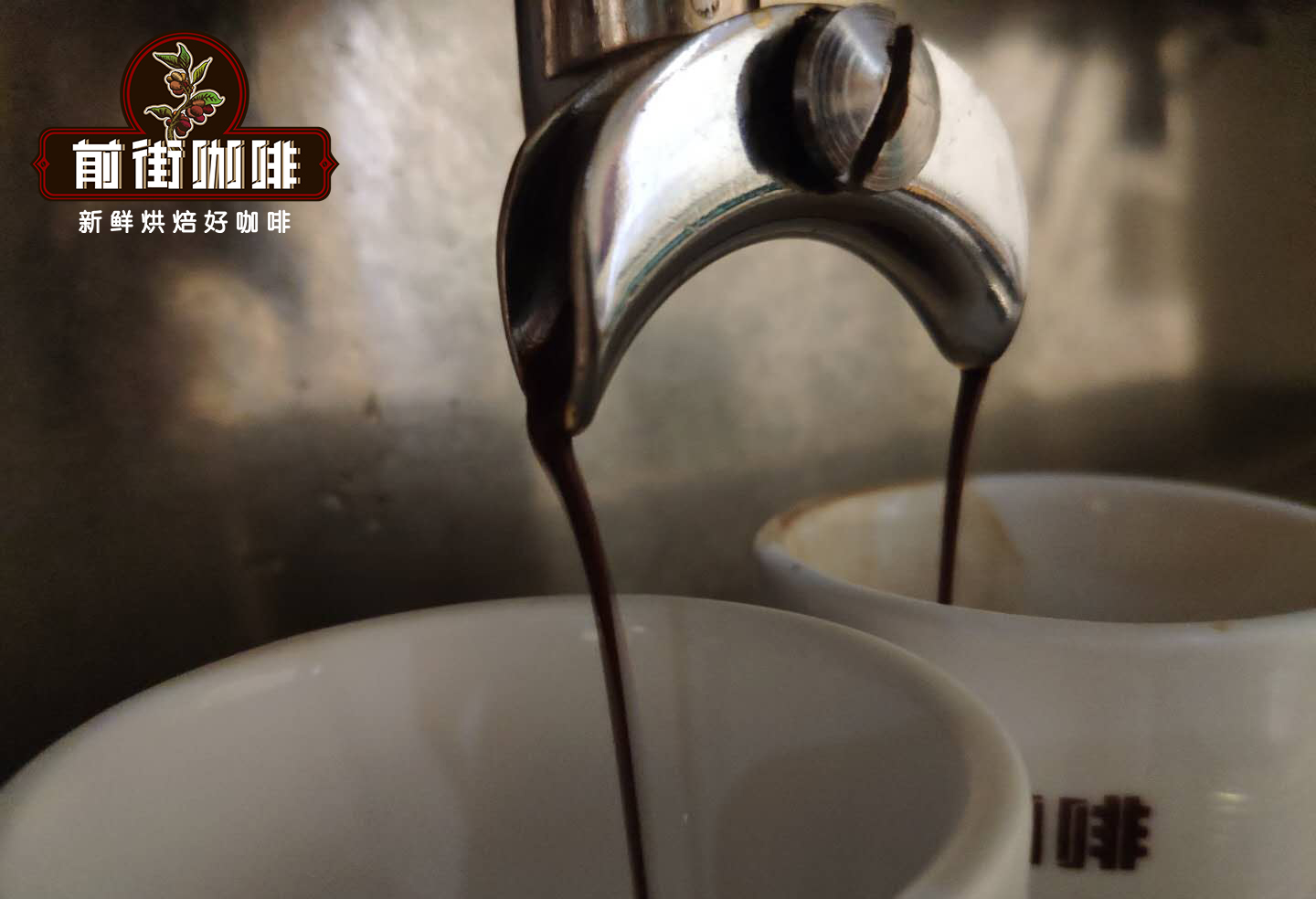
Flow rate is the speed at which the coffee liquid descends, and every extraction parameter we set ultimately aims at the flow rate. For a normal espresso, the first drop should appear around the fifth second after you press the button, with a fairly even flow afterward. The flow rate tells you directly whether the grind size and ratio are right. If the first drop takes more than 10 seconds (pre-infusion aside), the grounds may be too fine or the puck tamped too hard. If the flow is too fast, or if it sprays, the grounds are too coarse or channeling has occurred.
What Are the Reasons for No Crema When Extracting Espresso?
FrontStreet Coffee has gathered customer feedback and identified several common situations:
1. Coffee grind is too coarse
Grounds that are too coarse let water rush through too quickly, resulting in incomplete extraction and a thin, watery crema.
2. Insufficient pressure
Rich crema requires 9 bar of pressure. If your shot looks thin, check whether the machine is actually reaching 9 bar.
3. Coffee beans are not fresh
Crema is mainly carbon dioxide and insoluble oils from the grounds, and carbon dioxide escapes over time. Stale coffee holds little gas, so it cannot produce crema.
4. Unreasonable extraction parameters
FrontStreet Coffee's espresso parameters use a coffee-to-liquid ratio of 1:2, with an extraction time of 25-28 seconds. Use this as a reference point.
FrontStreet Coffee Recommendation
If a thick, golden crema is what you are after, FrontStreet's Classic Blend is the place to start. Built on a traditional mamba recipe and designed for espresso and moka pot alike, it produces an outstanding crema and a mellow, rounded body that even a beginner can pull from a humble home machine; it is the blend behind countless lattes, cappuccinos, and Dirty coffees. FrontStreet's Commercial Blend is the classic shop workhorse, adding a small proportion of Robusta to the traditional recipe for a wilder, weightier body and a gushing golden crema that makes latte art effortless, with butter, nut, spice, dark chocolate, and toast notes throughout.
For anyone watching the budget, FrontStreet's Black Cocoa Blend uses 100% Arabica yet still delivers a plush crema and a full body at a friendly price, balancing quality and value for home baristas and café owners alike. And if you prefer to trade some crema for origin character, FrontStreet's SOE range is worth exploring, from the creamy-strawberry Huakui to the honey-processed Costa Rica Blackberry and the yellow-bourbon Brazil Queen's Estate. Whatever you choose, fresh beans, a fine grind, and a steady 9 bar will reward you with the golden layer on top.
Important Notice :
FrontStreet Coffee is a long-established specialty coffee roaster in Guangzhou China, selling freshly roasted beans from its own farm in Yunnan as well as dozens of carefully selected single-origin beans from around the world for both pour-over and espresso. The products deliver consistently excellent quality and great value, with shipping within 24 hours. Guangzhou's FrontStreet Coffee shop is recommended by many coffee lovers, and the beans are now available online at the Tmall 。
FrontStreet Coffee has moved to a new address:
FrontStreet Coffee Address: 315,Donghua East Road,GuangZhou
Tel:020 38364473
 Scan and follow the En Gafei WeChat official account. Please indicate that the reprint comes from "En Gafei".

