How to Use the KONO Meimon Dripper? Introduction to KONO Dripper Extraction Principles, Characteristics, and Methods
The KONO Dripper: Mastering Rich, Smooth Coffee Extraction
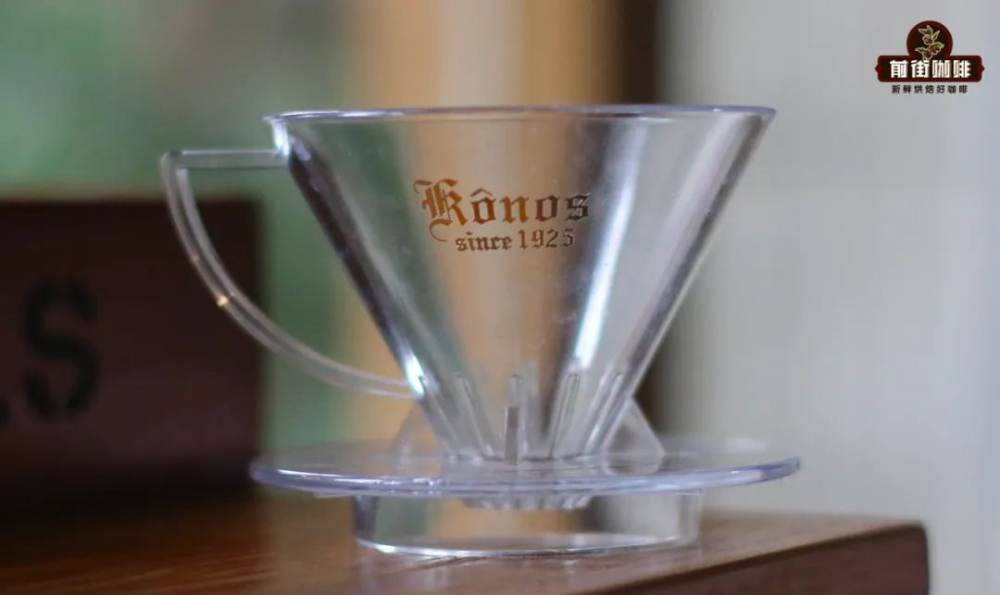
The upper portion of the KONO dripper has a smooth curved surface that, once moistened, adheres better to the filter paper. Compared with the V60 dripper, it relies mainly on immersion extraction, somewhat like a siphon, which plays up the richness and smoothness of a coffee. When brewing darker-roasted beans, FrontStreet Coffee's baristas reach for the KONO first, as with FrontStreet Coffee's Jamaica Blue Mountain No. 1, FrontStreet Coffee's Brazil Queen Estate, and FrontStreet Coffee's Golden Mandheling.
The Japanese Coffee Legacy and KONO's Innovation
When people talk about Japanese coffee, many first think of "Japanese-style roasting." Compared with fruity, acidic profiles, most Japanese drinkers prefer the deep aroma of a darker roast, which is why dark-roasted beans have long been more widely accepted in that market. To keep the cup from turning too bitter, the flannel drip method that was popular in the early 20th century uses foam to adsorb the undesirable bitter and astringent compounds, while a slow pour and lower water temperature limit the formation of off-flavours, making dark-roasted coffee taste better. During the 1970s and 1980s Japan saw a surge of enthusiasm for coffee equipment, and the most representative piece was the KONO Meimon dripper, invented and designed by Mr. Toshio Kono in 1973.
Engineering Excellence: KONO's Unique Design Features
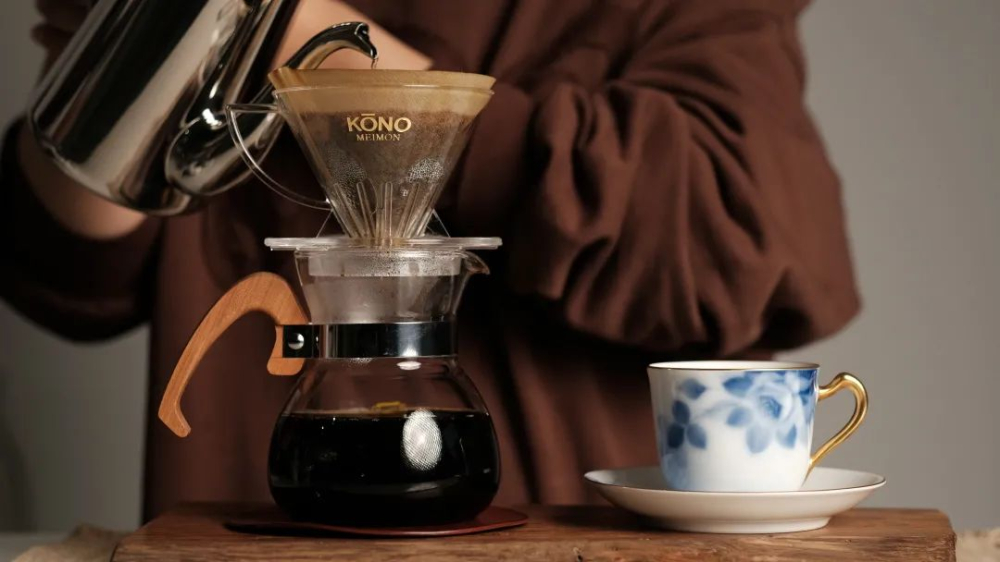
The original aim of the KONO Meimon dripper was to do away with the chore of cleaning flannel filter cloths while reproducing as closely as possible the flavour of flannel drip extraction. To that end, Mr. Kono set the dripper's angle to approximate the conical shape of a flannel filter, which concentrates the grounds into a sufficiently thick bed and also increases the concentration of the water flow. To prevent hot water from lingering too long at the bottom of the dripper, he adopted a relatively wide opening so the drip speed would come close to that of a flannel filter. The downside of a fast-falling water level, however, is that the grounds do not absorb enough water and cannot be fully extracted, so twelve half-length radial ribs were installed inside the dripper to solve the problem.
The Science of Smooth Extraction
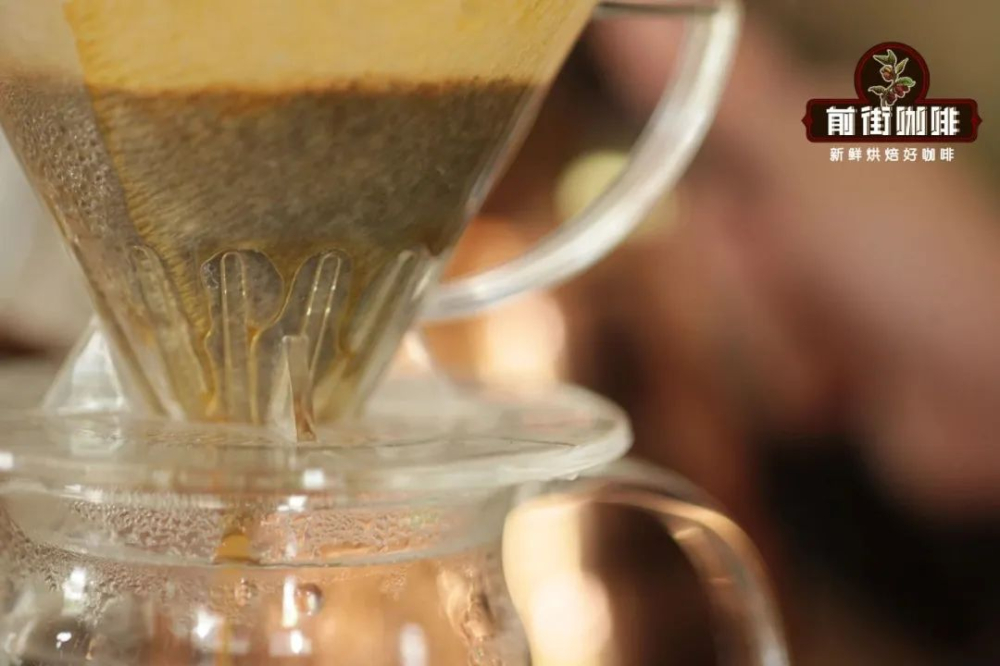
The smooth curved surface lets the filter paper cling tightly to the upper wall once it absorbs water, leaving the bottom outlet as the only path for air to escape. Under gravity, the coffee liquid can only concentrate and drip down into the server. Because the exhaust space is limited, airflow is restricted, which ensures that every coffee particle absorbs water fully after the pour and that flavour compounds are extracted more effectively and evenly. Since the KONO dripper's flow rate tends to be slower, the brewed coffee shows more pronounced sweetness, a richer body, more uniform extraction overall, and a more restrained aroma, all of which makes it particularly well suited to brewing darker-roasted beans.
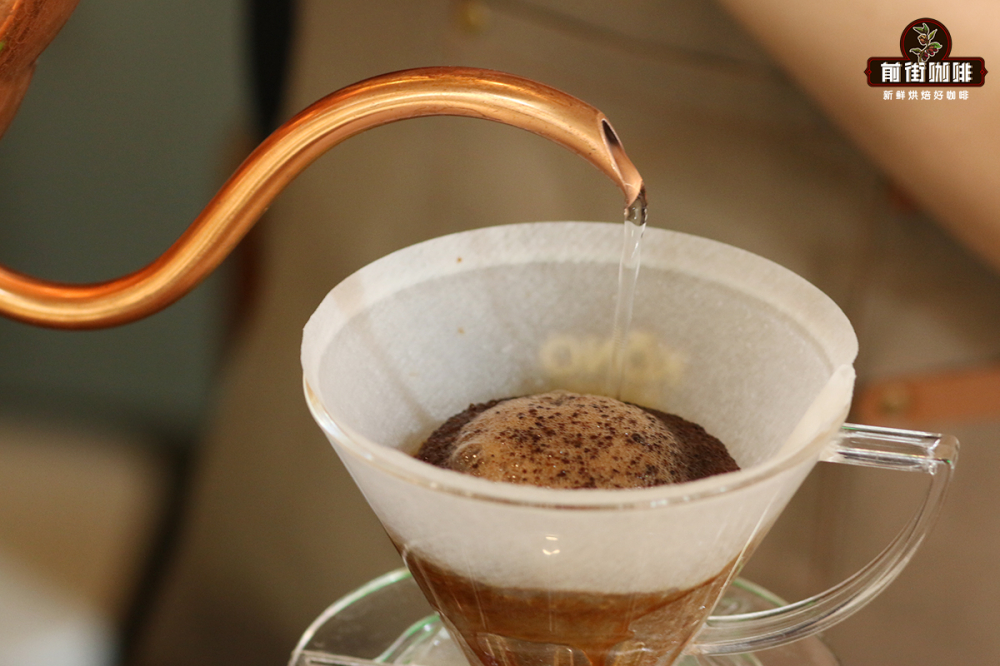
Demonstration: Brewing Blue Mountain with KONO
Below, FrontStreet Coffee demonstrates how to use the KONO dripper to brew a coffee with a rich, smooth body, using our house-roasted FrontStreet Coffee's Jamaica Blue Mountain No. 1 as the example. To bring out the coffee's full flavour and body, grind size, water temperature, coffee-to-water ratio, and pouring technique all have to be under control.
Grind Size: The Foundation of Flavor
Grind size is one of the most critical factors affecting how a coffee tastes. Once beans are ground and meet hot water, they release a large number of water-soluble flavour compounds. Given the same steeping time, smaller particles extract more and larger particles extract less. Put simply, a coarser grind gives a mellower cup, while a finer grind gives a more intense one. FrontStreet Coffee uses a specific tool to set grind size: the China No. 20 standard 0.85 mm sieve. For light to medium roasts, FrontStreet Coffee consistently aims for a 75 to 80% pass rate, while for medium to dark roasts it uses 70 to 75%.
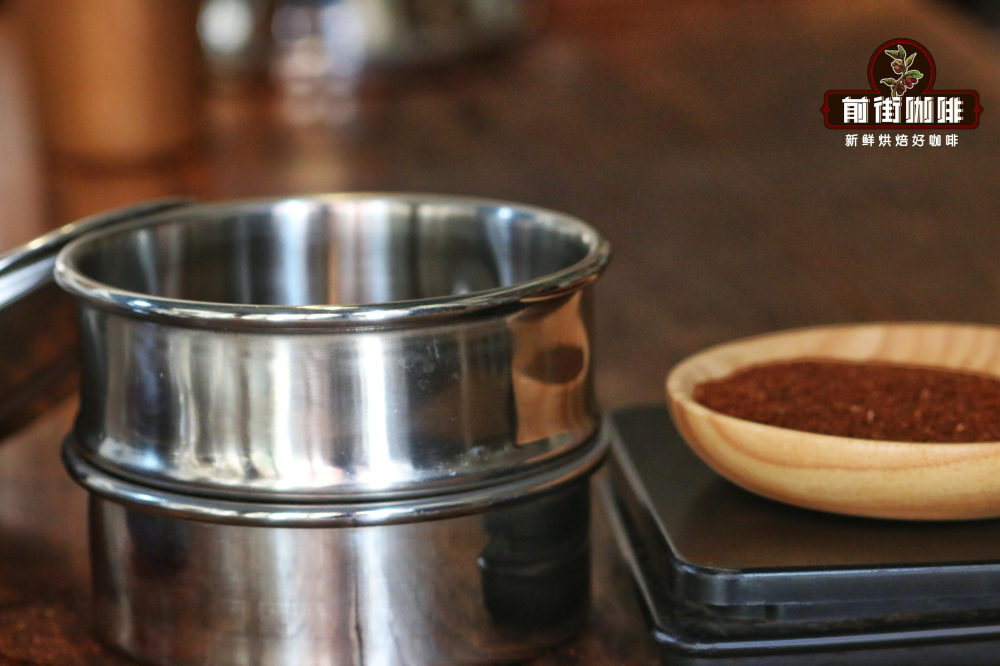
Optimizing Grind for Dark Roasts
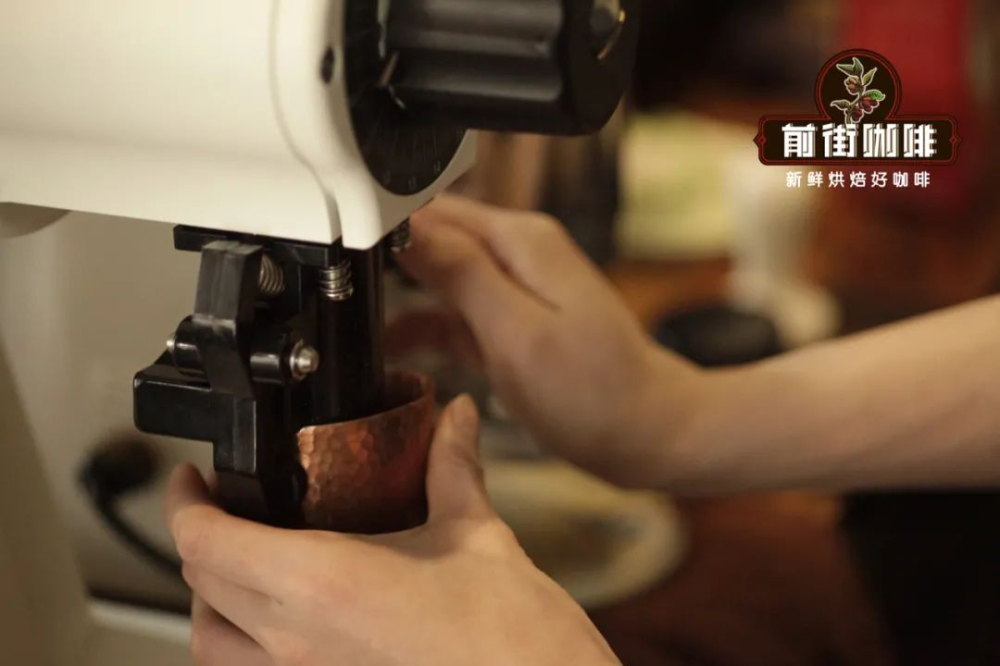
Compared with a light roast, the internal structure of FrontStreet Coffee's medium-dark roasted Blue Mountain beans is more porous, so it absorbs water better and releases large-molecule bitter compounds more easily. To avoid over-extraction, FrontStreet Coffee chooses a grind size with a 75% pass rate on the No. 20 standard sieve. To use it, FrontStreet Coffee first weighs 10 g of beans, grinds them at the estimated setting, then places the grounds in the upper sieve and shakes it vigorously. Particles smaller than 0.85 mm drop into the lower layer. Finally, the grounds collected in the lower layer are weighed and divided by 10 g to give the sieve pass rate. If the pass rate is lower than the target, the grind is too coarse and needs to be finer; if higher, it is too fine and needs to be coarser.
Water Temperature: Precision Extraction
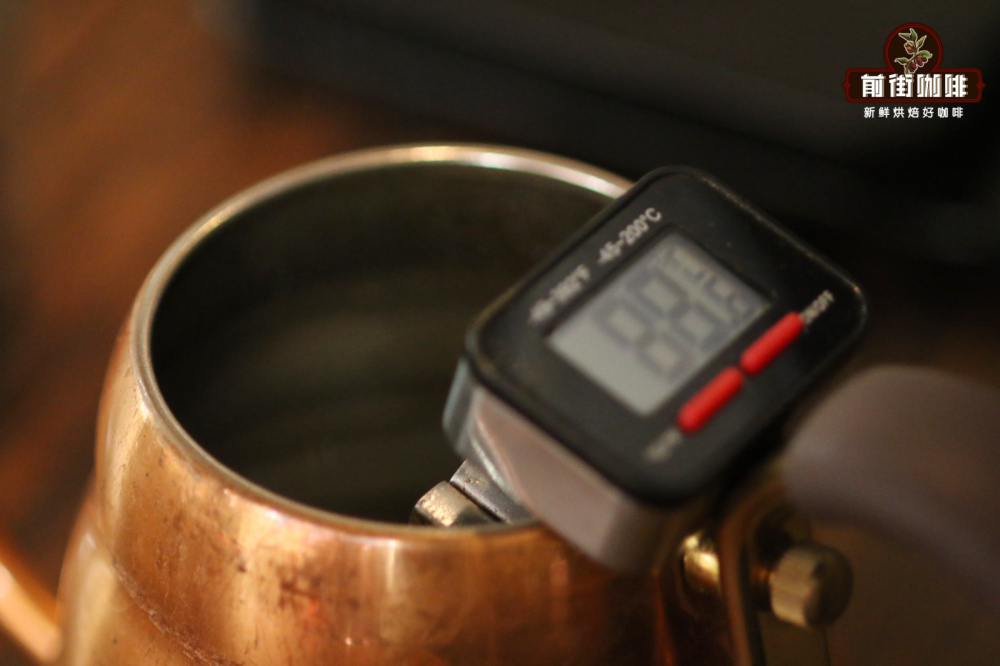
Water temperature plays a role similar to grind size: a higher temperature raises extraction efficiency, making it easier to release compounds and producing a stronger brew. If near-boiling water is used, it is easy to extract unpleasant bitter and astringent substances. That is why, when brewing medium to dark roasts, FrontStreet Coffee uses different parameters than for light roasts. Caramelisation is more extensive than in a light roast, so bitter, large-molecule compounds are released more easily. To avoid pulling out too many off-flavours, FrontStreet Coffee lowers the water temperature slightly: for a light roast the brewing water is 91 to 93°C, while for medium to dark roasts FrontStreet Coffee recommends 87 to 88°C.
Pouring Technique: The Art of Control
If you are a beginner with limited control over the kettle and an unstable flow, staged pouring is the simplest and most forgiving method. For example, if the total brew time is 2 minutes and the first pour takes longer than planned, later pours will need a faster flow. Conversely, if the first pour ran too fast, you can slow it down with a smaller stream.
Three-Stage Pouring Method
FrontStreet Coffee typically uses a three-stage pour with a 1:15 coffee-to-water ratio, using 15 g of coffee for 1 to 2 servings, for a total water amount of 225 g.
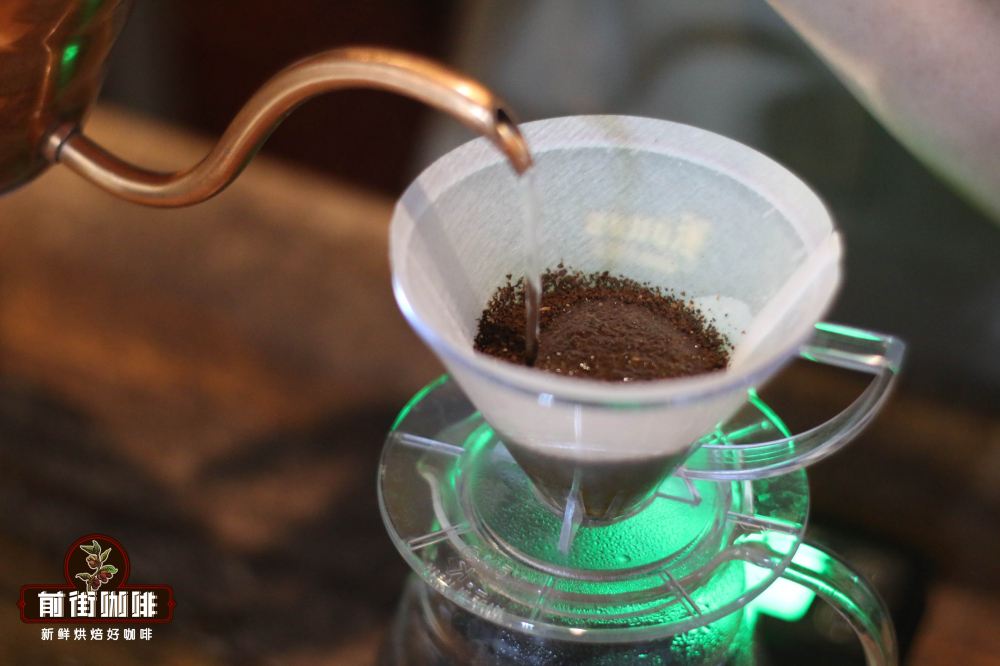
Brewing Process
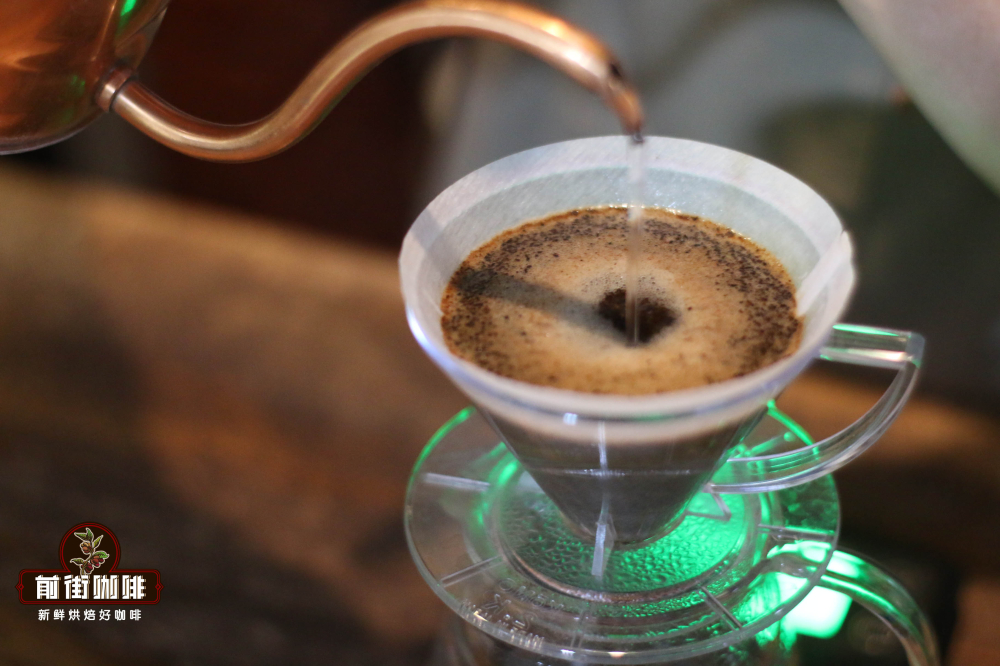
In the first stage, gently pour 30 g of water for the bloom, with a bloom time of 30 seconds. In the second stage, pour to about 125 g, circling outward evenly and steadily. Then wait for the coffee liquid to drip down and, when the level reaches halfway, pour the final stage up to 225 g. After all the coffee has finished dripping, the total extraction time is typically around 2 minutes.
Tasting Notes: FrontStreet Coffee's Blue Mountain No. 1
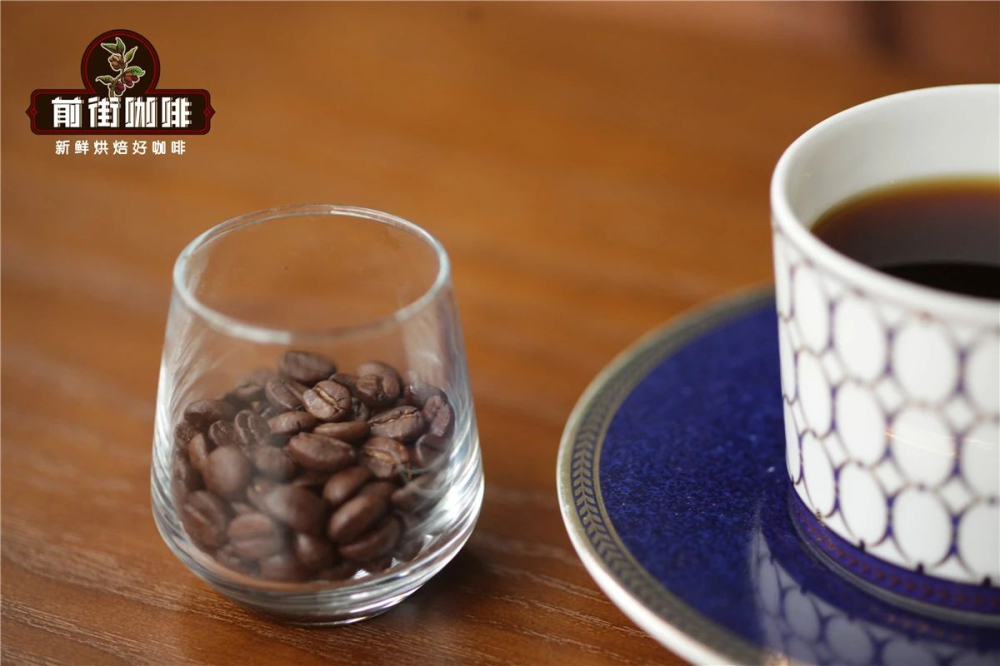
FrontStreet Coffee's Blue Mountain No. 1 flavour: while hot, the entry shows a dark chocolate aroma and is exceptionally rich, with a distinct almond aftertaste. As the temperature drops, roasted hazelnut and a creamy sweetness appear, silky smooth, accompanied by a gentle acidity and caramel sweetness, with the aroma lingering in the mouth.
FrontStreet Coffee Recommendation
The KONO dripper is built for exactly the kind of coffee FrontStreet Coffee's Golden Mandheling delivers. This PWN lot is a Sumatra-grown G1, selected from beans of 18 mesh and above with fewer than three defective beans per 300 g sample and then hand-sorted three times, and it is wet-hulled and medium-dark roasted to bring out earthy, herbal, clove, and woody notes with a heavy, low-acid body. Brew it on the KONO with 15 g of coffee, a 1:15 ratio, a coarse-sugar grind, and 87 to 88°C water in three stages, and the slower flow draws out the caramel sweetness and full body that make the dripper so rewarding. If you also want the same character in an espresso-based drink, FrontStreet Coffee's Classic Blend adds medium-dark Mandheling to a creamy, nutty Brazil base, giving butter, roasted chestnut, and caramel notes with a touch of sandalwood and spice.
Important Notice :
FrontStreet Coffee is a long-established specialty coffee roaster in Guangzhou China, selling freshly roasted beans from its own farm in Yunnan as well as dozens of carefully selected single-origin beans from around the world for both pour-over and espresso. The products deliver consistently excellent quality and great value, with shipping within 24 hours. Guangzhou's FrontStreet Coffee shop is recommended by many coffee lovers, and the beans are now available online at the Tmall 。
FrontStreet Coffee has moved to a new address:
FrontStreet Coffee Address: 315,Donghua East Road,GuangZhou
Tel:020 38364473
 Scan and follow the En Gafei WeChat official account. Please indicate that the reprint comes from "En Gafei".