Yirgacheffe Idido Red Honey Process Red Cherry Coffee Flavor Profile and Pour-over Brewing Parameters
Professional coffee knowledge exchange. For more coffee bean information, please follow Coffee Workshop (WeChat public account: cafe_style)
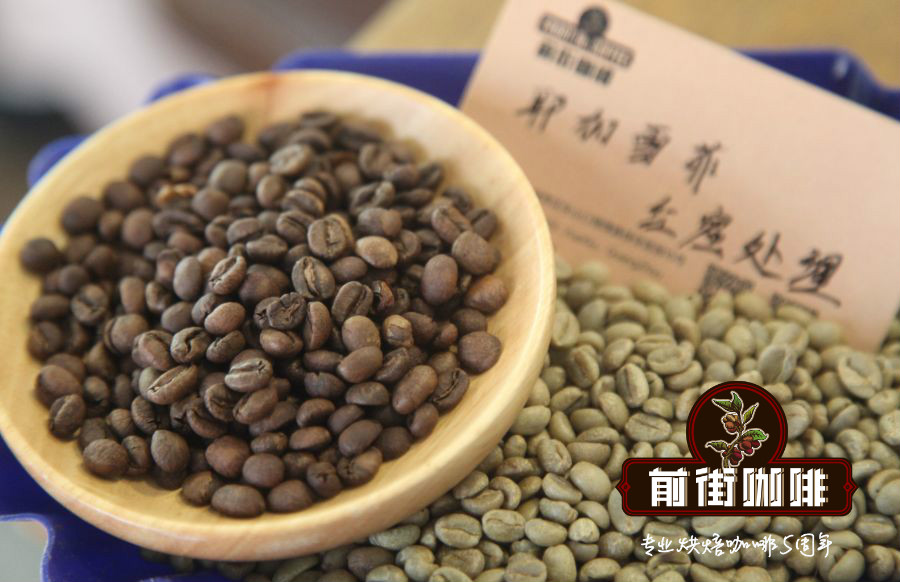
FrontStreet Coffee · Ethiopia Yirgacheffe Red Honey Process
Region: Yirgacheffe, Idido
Altitude: 2000-2200m
Processing Method: Red Honey
Variety: Local Landraces
Grade: G1
About the Origin
Ethiopia sits at the eastern edge of the African continent, and Yirgacheffe belongs to the Gedeo Zone in the Southern Nations, Nationalities, and Peoples' Region of the country's southwest.
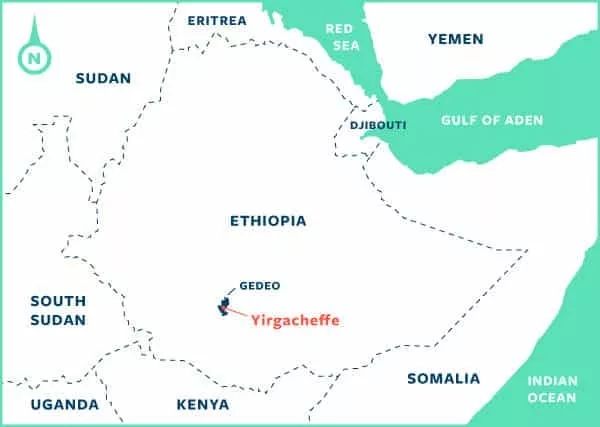
Yirgacheffe itself is a small town sitting at 1700-2100 meters — one of the highest coffee-growing regions anywhere in the world, and a name that has become shorthand for Ethiopian specialty coffee as a whole. Nearby Lake Turkana, Lake Abaya, and Lake Chamo feed the area a steady supply of moisture-laden air.
The IDIDO Cooperative
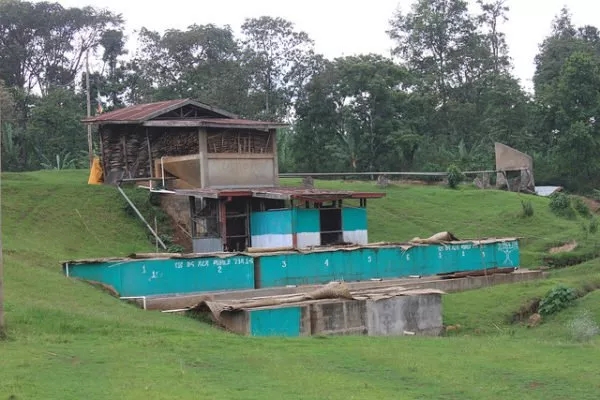
The IDIDO Cooperative was founded in the late 1970s, just east of the town of Yirgacheffe, and joined the Yirgacheffe Farmers' Cooperative Union in 2002. IDIDO is also the name of the village where its central processing mill stands; the cooperative gathers cherry from growers in eight surrounding kabeles (villages).
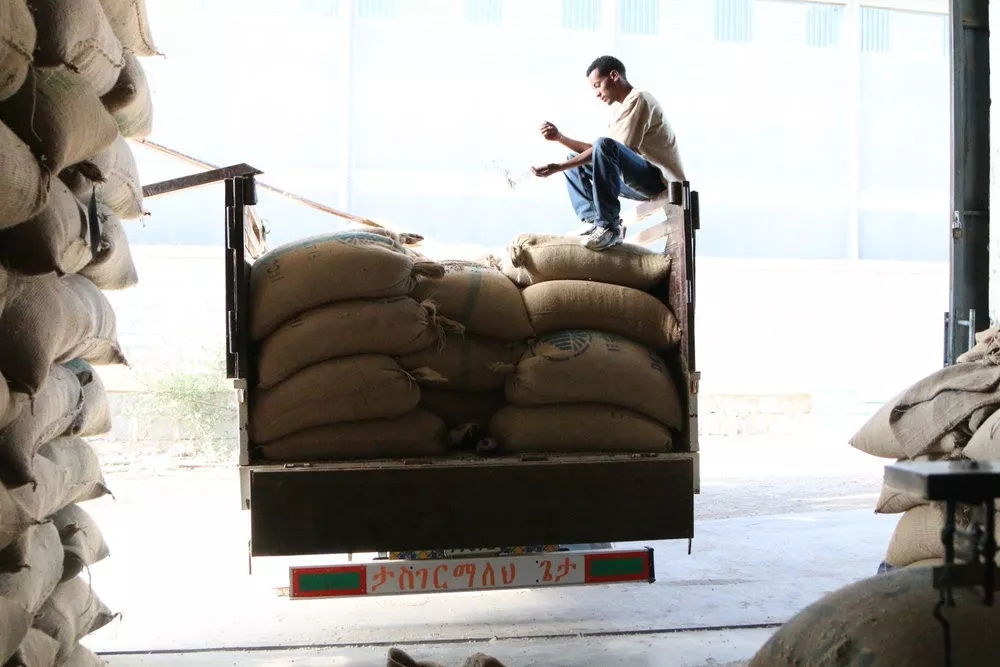
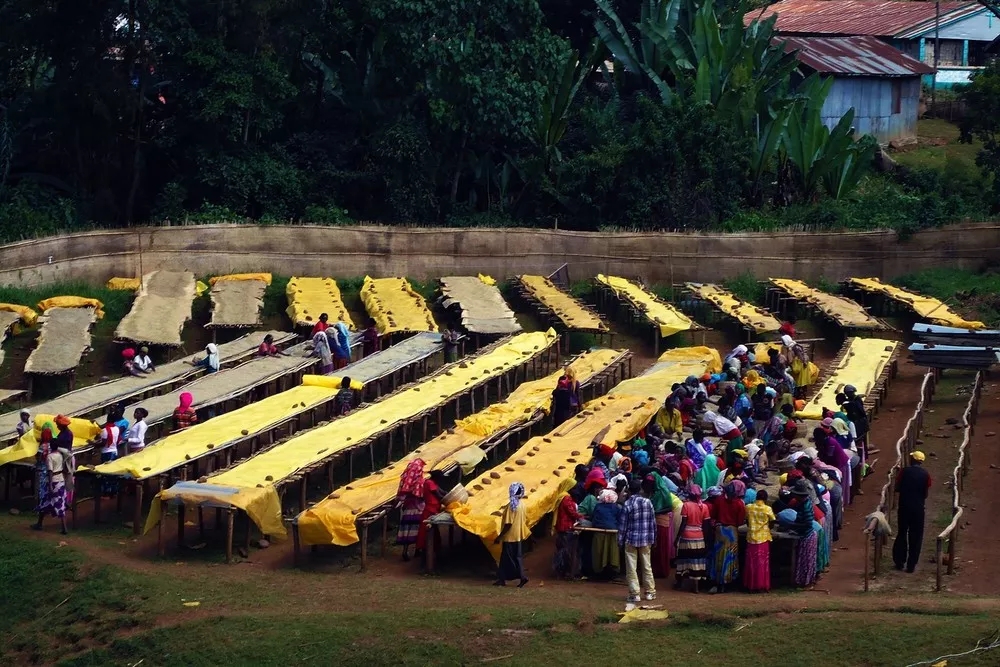
More than 1,000 member farmers are spread across the communities of Wegida, Aricha, Direto, Ela Tenecha, Bowicha, Haro Badami, and Gerse. The cooperative works with growers in these nearby communities to prepare single-community plots and special processing lots. All cherry is hand-picked by farmers and their families, then delivered to the mill for processing.
What Is the "Red Cherry Project"?
The Red Cherry Project (ORC) is a quality initiative built around smallholder farms. In 2007, Trabocca — the Netherlands' largest green coffee importer — launched it in pursuit of Ethiopia's finest coffees.
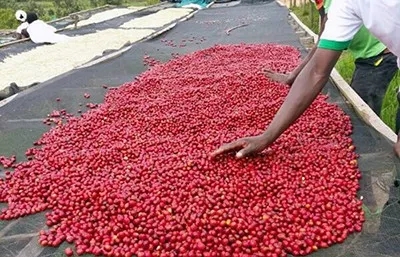
On the surface the requirement sounds simple: pick only fully red cherries, and pick them all by hand. In practice that's just the entry bar. The deeper purpose is to reward coffee farmers and to surprise roasters with exceptional lots. Trabocca invites farms across Ethiopia to produce small pre-harvest batches of roughly 1500-3000 kilograms (25-50 bags). Only 100% fully mature red cherries may be selected — a level of sorting that transforms the flavor in the cup. It takes careful, patient, sharp-eyed work, and Ethiopia's women sorters are, in many ways, the driving force behind the project.
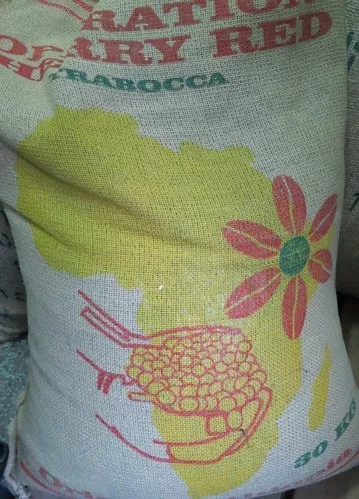
The project also pushes farms to invest real care in their sorting lines, and these coffees command correspondingly higher prices. Red Cherry lots span washed, natural, semi-washed, semi-natural, and experimental processes. The sourcing regions include Yirgacheffe, Sidamo, Bonga Forest, Lekempti, Kembata, Illubabor, Harar, Limu, and — from 2011 onward — Golocha, near Harar. Each of these regions produces coffees with a distinct character that shows Ethiopian coffee at its best. After delivery, Trabocca screens the lots again: any farm whose coffee passes cupping quality checks at both the Ethiopian and Dutch offices earns a substantial bonus. And Trabocca reinvests the profits the project has generated back into the cooperative farms themselves.
Processing Method
This FrontStreet Coffee Yirgacheffe G1 lot is processed as a red honey.
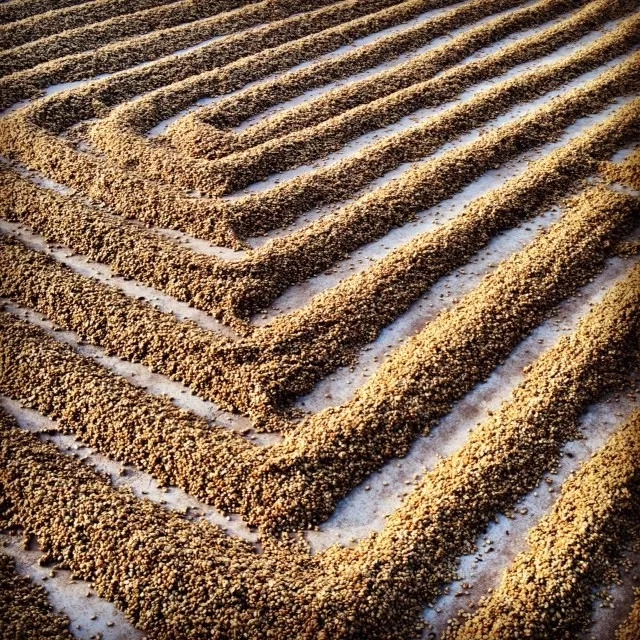
Honey processing means drying the green beans in the sun with their mucilage still attached. Once the outer skin and pulp are removed, a sticky, gel-like layer clings to the bean. In traditional washed processing that layer is rinsed away with water — but in high-altitude regions where water is scarce, drying the bean with the mucilage intact became the answer.

That pectin-rich mucilage is the sweetest part of the coffee fruit and the engine of fermentation during processing — it supplies roughly 80% of the nutrition that shapes the drying stage. The honey categories are defined by how much is left on: yellow honey keeps about 60% of the mucilage, red honey about 75%, and black honey removes almost none.
Green Bean Analysis
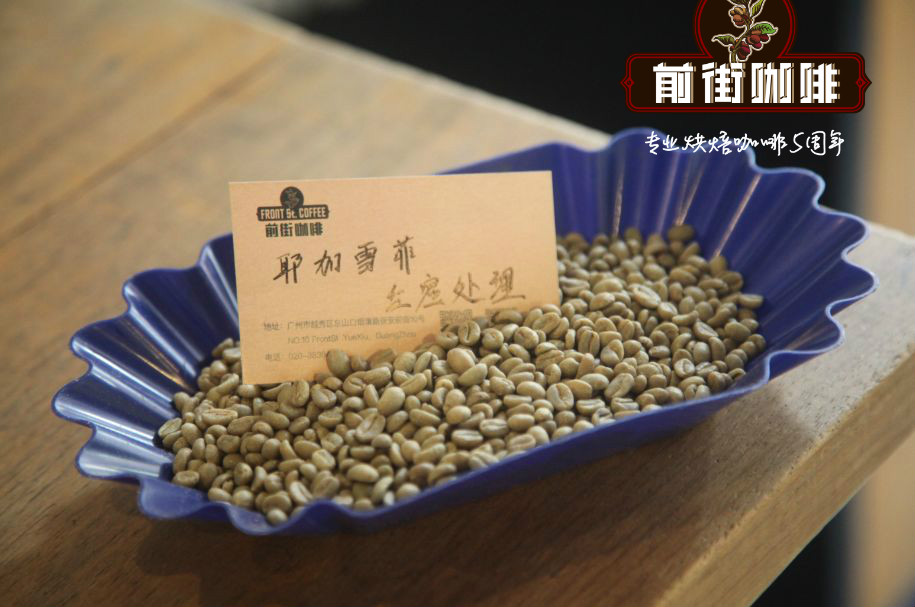
The variety behind this red honey Yirgacheffe is a local landrace.
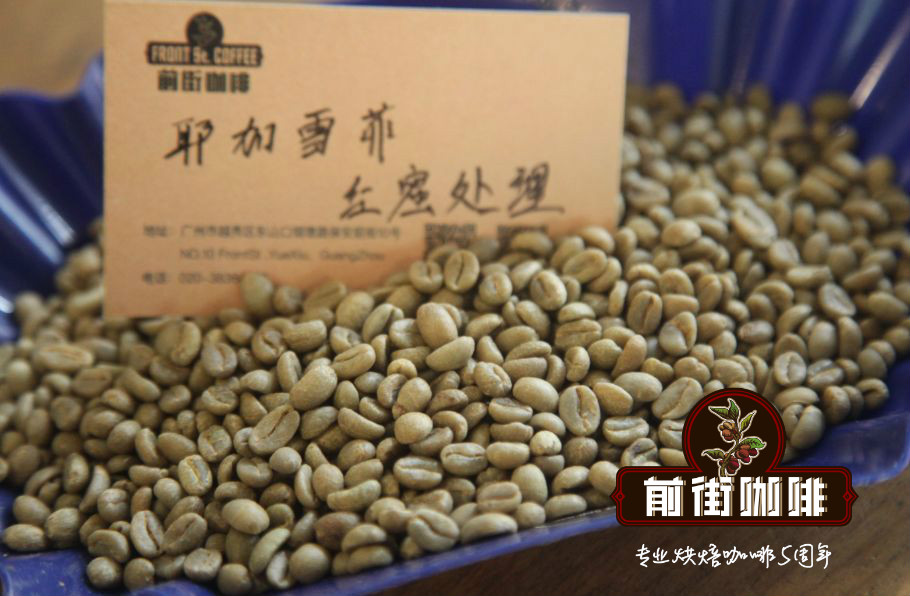
Look closely at the green beans and you'll notice they vary widely in size — some large, some small, some slender, some round. Ethiopia counts nearly 2000 catalogued coffee varieties: 1927 native landraces alongside 128 introduced ones. Judged by appearance alone, Ethiopian coffee is a genuinely mixed bag — long, short, thin, plump, everything in between.
Roast Profile
Roaster: Yangjia 800N (batch size: 550 grams)
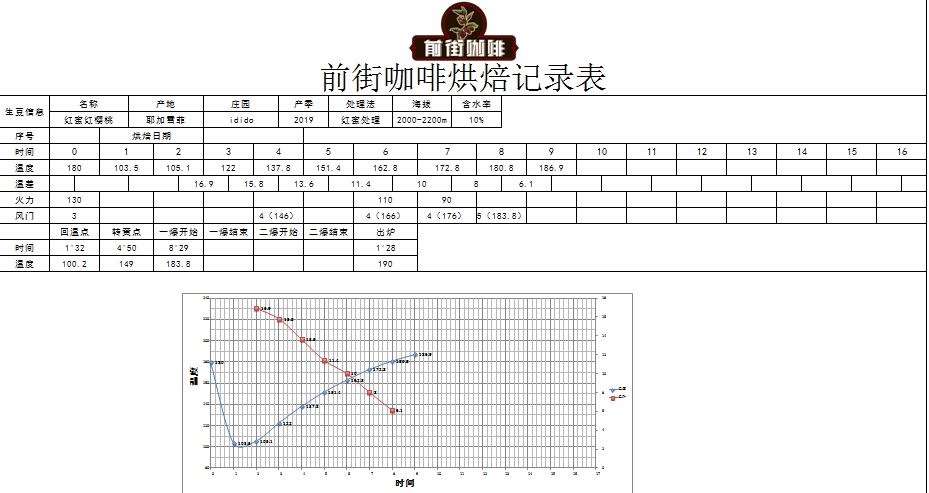
Charge at 180°C with heat at 130 and the damper on 3; turning point at 1'32". When the drum temperature reaches 146°C, open the damper to 4 and leave the heat unchanged. At 149°C the beans turn yellow, the grassy smell fades completely, and the drying stage begins. At a drum temperature of 166°C, drop the heat to 110, damper unchanged.
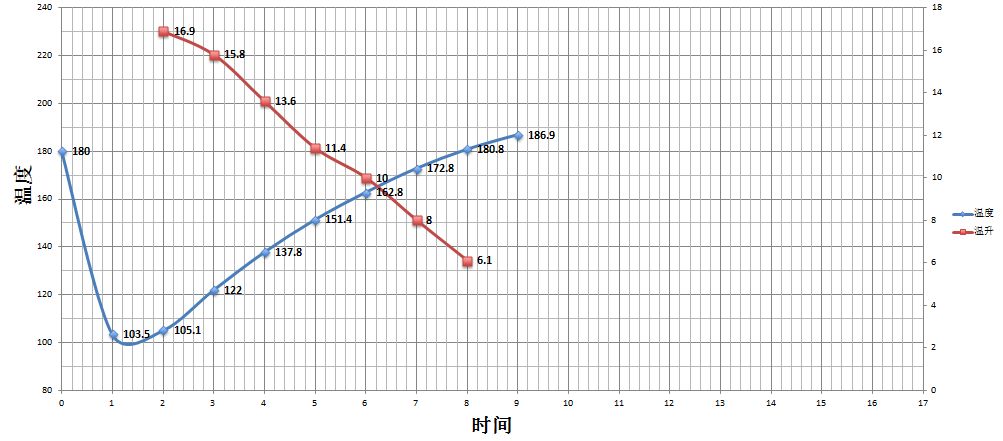
At 7'43" the beans show wrinkles and scattered dark spots, and the toast smell clearly shifts into coffee aroma — the prelude to first crack. Listen carefully from here. First crack begins at 8'29", and the damper goes to 5. Development after first crack runs 1'28", with drop at 190°C.
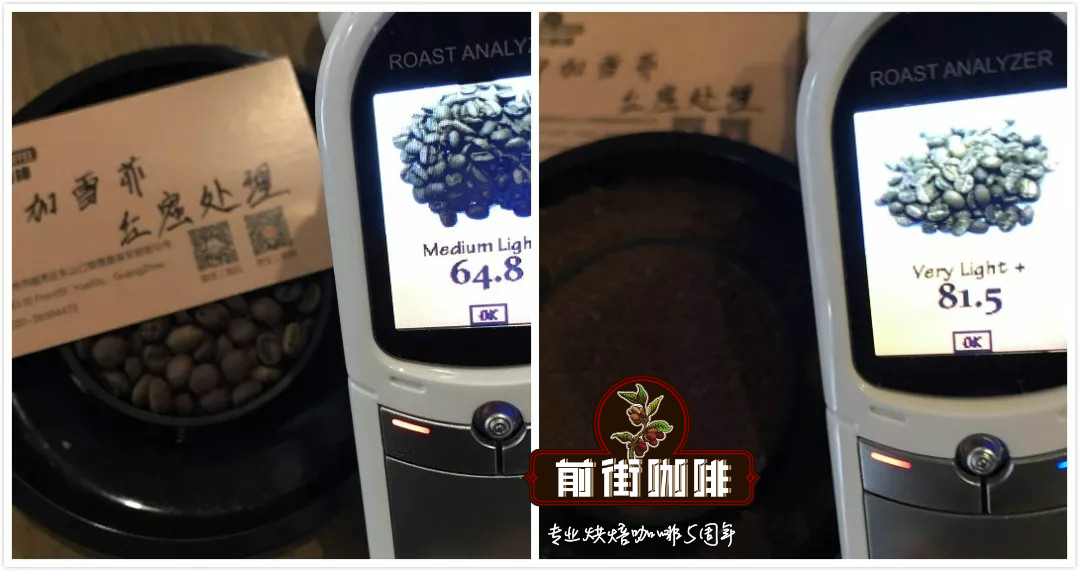
Agtron whole-bean reading: 64.8 (left image); Agtron ground reading: 81.5 (right image); roast delta: 16.7.
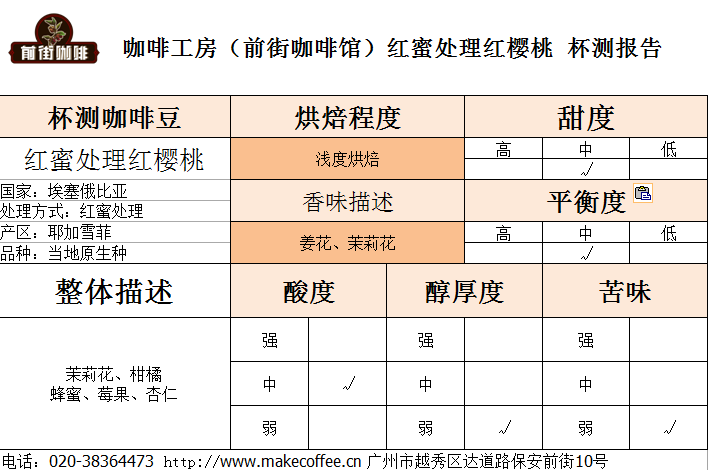
Cupping Notes: Jasmine, citrus, honey, berries, almond
Brewing Guide
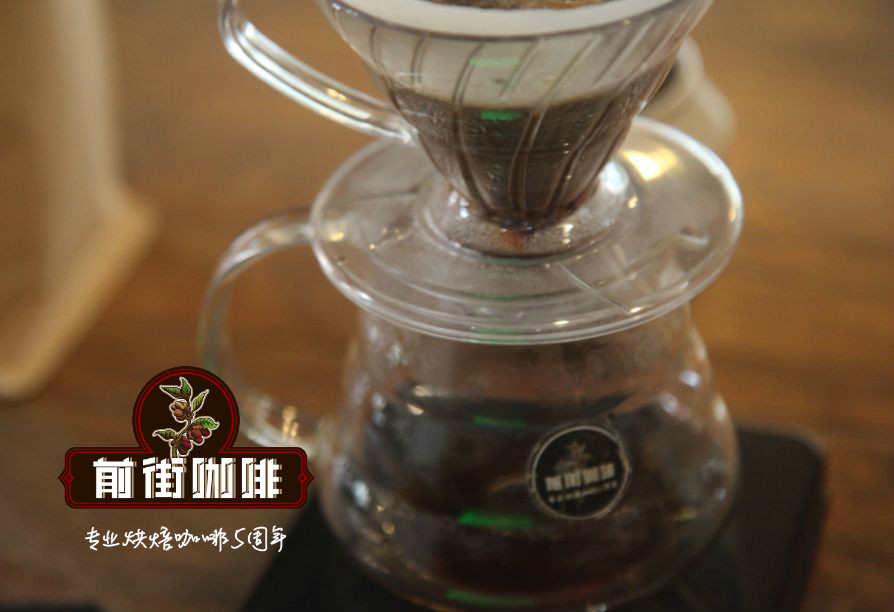
Recommended Method: Pour-over
Dripper: V60
Water Temperature: 90°C
Coffee-to-Water Ratio: 1:15
Grind Size: Medium-fine, about the texture of fine granulated sugar (set on the BG at 5R, with 58% passing through a China-standard #20 sieve)
Technique: three-pour segmented extraction. Start with a 28g bloom for 30 seconds, then pour in circles up to 120g. Once the water level drops and the coffee bed is about to break the surface, pour again to 230g and stop. When the bed is about to break the surface once more, remove the dripper. (Timing starts from the bloom.) Total extraction time: 2'11".
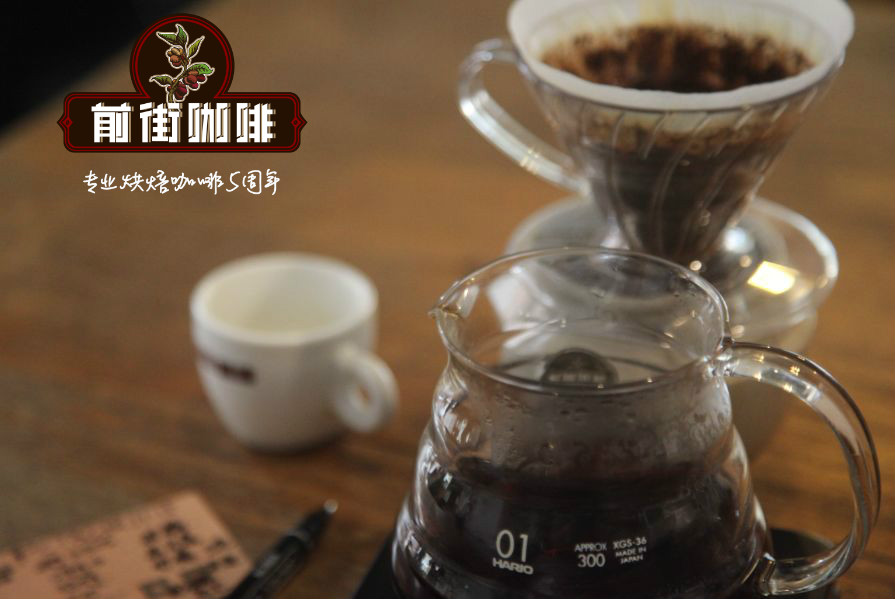
[FrontStreet Coffee Ethiopia Yirgacheffe Red Honey Process G1]
In the cup: the aroma opens with ginger flower; the first sip brings citrus, lemon, and fruity candy sweetness; the mid-palate carries cedar wood and honey; the finish lands on an oolong-tea note with a long, creamy aftertaste.
END
FrontStreet Coffee Recommendation
If the red honey process appeals to you, FrontStreet Coffee's Yirgacheffe line offers two more ways to taste this region. Our Washed Yirgacheffe — the house everyday Ethiopian — is the classic benchmark: white jasmine florals, bright citrus and lemon acidity, and a clean tea-like finish at a friendly price. It's the bean we hand to anyone brewing their first Ethiopian specialty coffee, and the perfect baseline for comparing what honey processing adds.
For a sun-dried counterpoint, try FrontStreet Coffee's Natural Red Cherry Yirgacheffe. Like this red honey lot, it's built on fully mature, hand-sorted red cherries — but dried whole on raised beds, with the cherries turned every 2-3 hours during the first days to prevent uneven fermentation and over-fermentation, then sun-dried for three to five weeks. The result keeps Yirgacheffe's signature citrus acidity while adding tropical fruit aromatics from the drying fruit: berry-like juiciness, honeyed sweetness, and a creamy smoothness.
Whichever lot you choose, brew it fresh on a V60: 15g of coffee at a medium-fine grind (fine granulated sugar texture, 80% passing a #20 sieve), water at 90-91°C, and a 1:15 ratio. Bloom with 30g of water for 30 seconds, pour to 125g over the first minute, then finish with a slow pour to 225g by about 1:35, drawing down between 2:00 and 2:10. Fresh beans, carefully stored, are what let these delicate floral and fruit notes reach your cup at full strength.
Important Notice :
FrontStreet Coffee is a long-established specialty coffee roaster in Guangzhou China, selling freshly roasted beans from its own farm in Yunnan as well as dozens of carefully selected single-origin beans from around the world for both pour-over and espresso. The products deliver consistently excellent quality and great value, with shipping within 24 hours. Guangzhou's FrontStreet Coffee shop is recommended by many coffee lovers, and the beans are now available online at the Tmall 。
FrontStreet Coffee has moved to a new address:
FrontStreet Coffee Address: 315,Donghua East Road,GuangZhou
Tel:020 38364473
 Scan and follow the En Gafei WeChat official account. Please indicate that the reprint comes from "En Gafei".