Tiger Mandheling Coffee Flavor and Brewing Guide - Tiger Mandheling Bean Characteristics & Story

The most distinctive feature of FrontStreet Coffee's Mandheling coffee is its rich herbal flavor, which some people love and others dislike. FrontStreet Coffee approaches coffee with an objective eye, focusing on whether a bean's flavor accurately reflects the character of its growing region - that is what FrontStreet Coffee values most.
Whenever FrontStreet Coffee introduces a new bean, extensive comparative analysis of growing regions goes on behind the scenes to identify the coffee that best represents its regional character. Some might ask whether the beans that are not selected are simply also-rans. FrontStreet Coffee does not see it that way. Comparing many growing regions does not mean every bean has to be listed; rather, it helps build a deeper understanding of regional character. That is the philosophy FrontStreet Coffee has consistently shared.

Back to Mandheling. FrontStreet Coffee currently offers five Mandheling coffees with clearly distinct profiles: FrontStreet Indonesia Lintong Mandheling (the most classic Mandheling flavor), FrontStreet PWN Gold Mandheling (a clean cup through repeated hand sorting), FrontStreet Tiger Mandheling (with pine aroma), FrontStreet Aged Mandheling (the richest in body), and FrontStreet Natural Process Mandheling (unlike traditional Mandheling, with a fruit-acidity accent). Each of these FrontStreet Mandheling beans has its own character. Whether in FrontStreet Coffee's Guangzhou store or its online Taobao shop, the fifty-plus coffees on display all have distinct personalities. Today FrontStreet Coffee focuses on FrontStreet Tiger Mandheling.

FrontStreet Coffee - Indonesia Tiger Mandheling
Country: Indonesia
Region: Sumatra
Altitude: 1,500 meters
Varieties: Caturra, Typica, Sidikalong
Processing Method: Wet Hulling
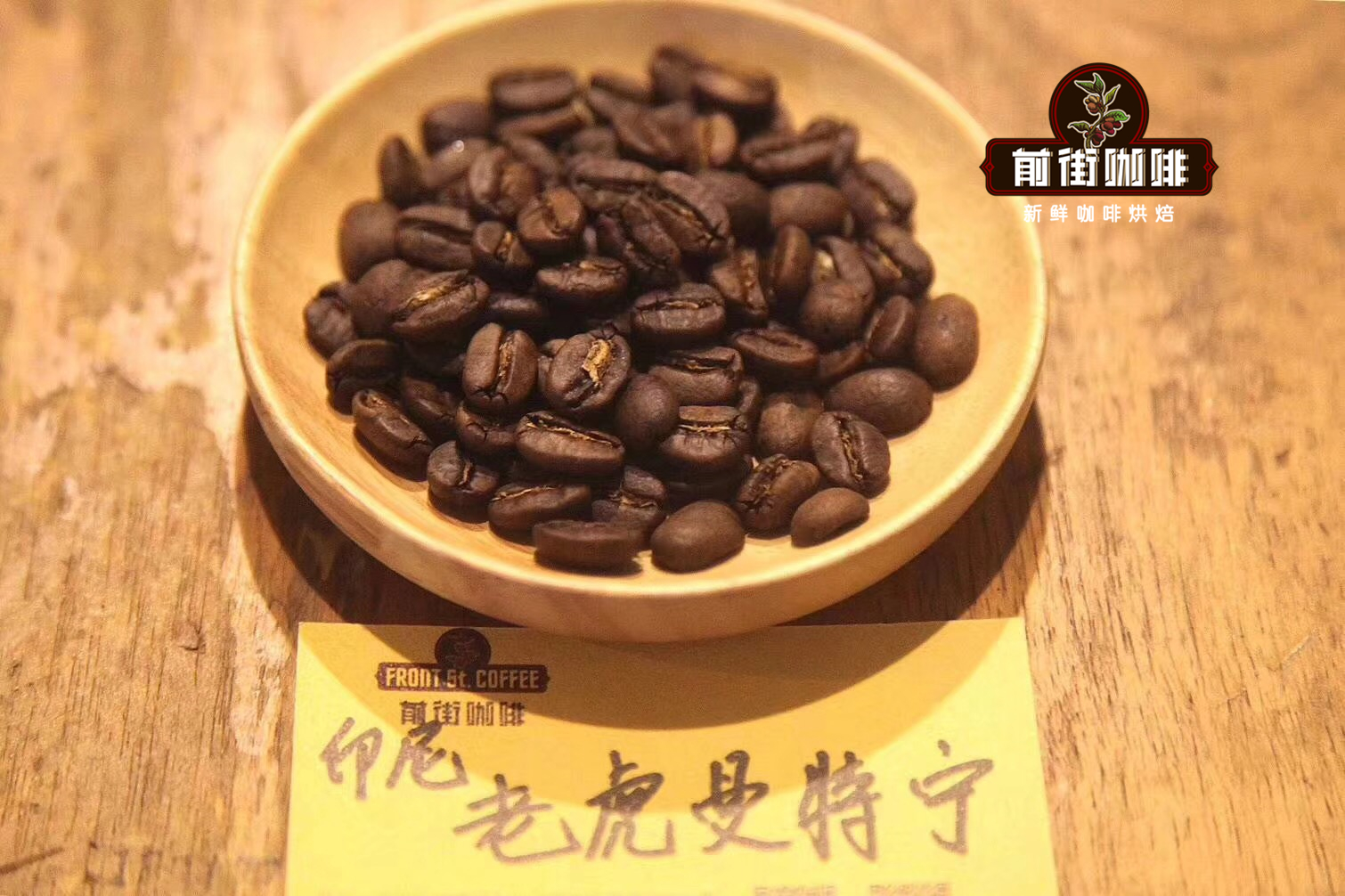
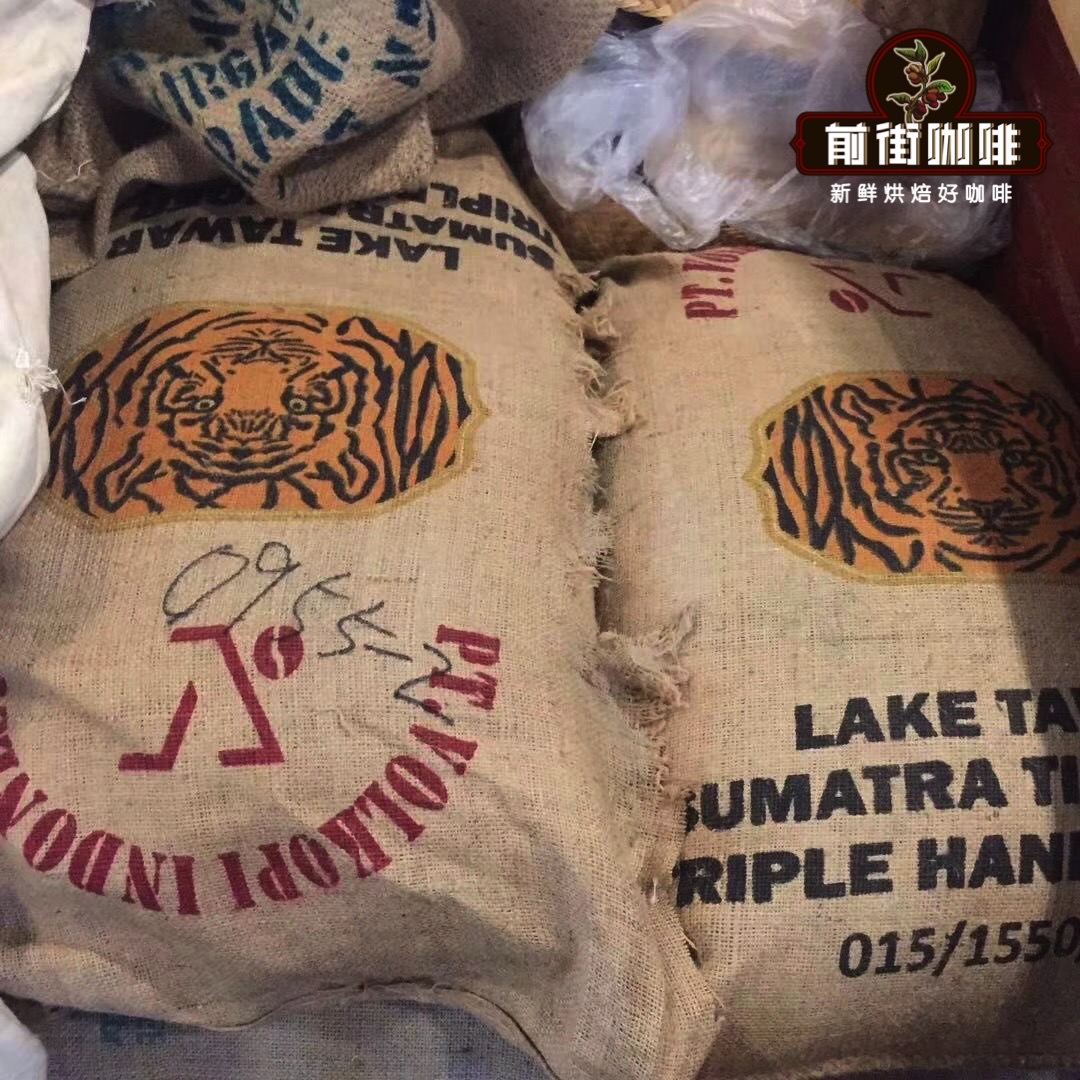
FrontStreet Coffee's Tiger Mandheling grows in Indonesia, where the main growing regions lie on the three islands of Sumatra, Java and Sulawesi. Tiger Mandheling is produced from the Tiger Estate, hence its other names, "Mandheling Tiger" or "Sumatran Tiger Mandheling." The northern part of Sumatra has relatively high elevation, and the main Arabica growing areas are Aceh Province, where Lake Tawar lies, and North Sumatra, home to Lake Toba.
Lake Tawar sits in the Gayo Highlands of northern Aceh Province, Sumatra. Indonesia straddles the equator and has a humid tropical rainforest climate, with abundant rainfall and fertile volcanic soil that feeds the coffee. But because the area is remote and hard to reach, coffee cultivation did not begin until 1924, mostly using traditional shade-grown, pesticide-free organic methods.

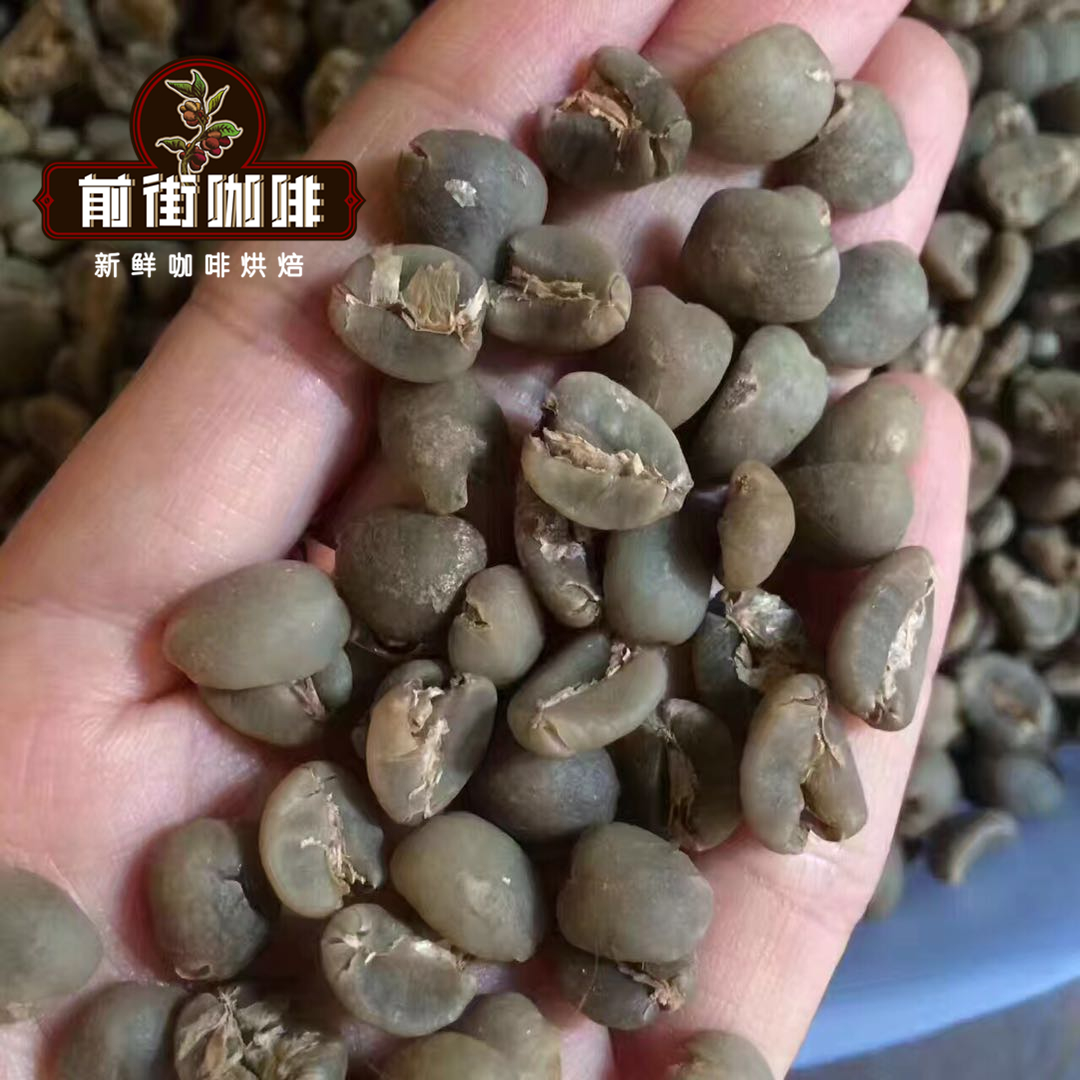
Because Indonesia's humidity ranges between 70-90% year-round, with annual rainfall reaching up to 2,000 mm and continuous typhoons, farmers need a faster return. They therefore use the wet-hulling method: during the regular washed process, the beans are sun-dried with the parchment on for 2-3 days until they reach 20-24% moisture content, then the parchment is removed. This leaves the beans more prone to compression injuries that form small cracks - what we commonly call "horse hoof" or "sheep hoof" beans. The defect rate is higher, but the flavor is rich, intense and distinctly individual.
Processing Method
Wet Hulling, also called Wet Husking and known locally as "Giling Basah," is the traditional Indonesian coffee processing method. Judging by name alone, wet hulling sounds very similar to wet processing (the washed method), yet the two produce completely different cup profiles. Coffee processed by wet hulling typically has a rich, intense and distinctly individual flavor.
Wet Hulling Process Steps
(1) Remove skin and pulp, keeping the parchment and mucilage
(2) Ferment in water tanks
(3) Wash off the mucilage
(4) Sun-dry with parchment for 2-3 days until reaching 20-24% moisture content
(5) Remove the parchment
(6) Dry the green beans to 12-13% moisture content
(7) Prepare for export
The extremely fast pace of wet hulling also produces higher defect rates in Mandheling coffee. At the processing plant, workers are assigned to hand-sort defects, typically at the DP (Double Picked) and TP (Triple Picked) levels. Mandheling that undergoes triple picking has a better defect rate than double picking.
Coffee Varieties
The varieties of FrontStreet Coffee's Indonesia Tiger Mandheling are Caturra, Typica and Sidikalong.
Caturra offers lemon or citrus acidity. In terms of sweetness it does not match Typica and Bourbon, since Caturra's sweetness depends on how often and how heavily the grower fertilizes. It has high production capacity, but maintaining that productivity requires continuous fertilization and pruning, which results in short trees with many branches. Even though productivity rises, the 2-year harvest cycle and higher care costs still limit overall yield.
Typica is the variety closest to the original species. The beans are slightly elongated, like stretched eggs, and are called Arabigo or Criollo in Central America. It has clean lemon acidity and a sweet aftertaste, but low resistance to leaf rust (which makes it difficult to care for), low tree yield and long harvest cycles (once every 2 years), so production is limited.

Roasting Analysis
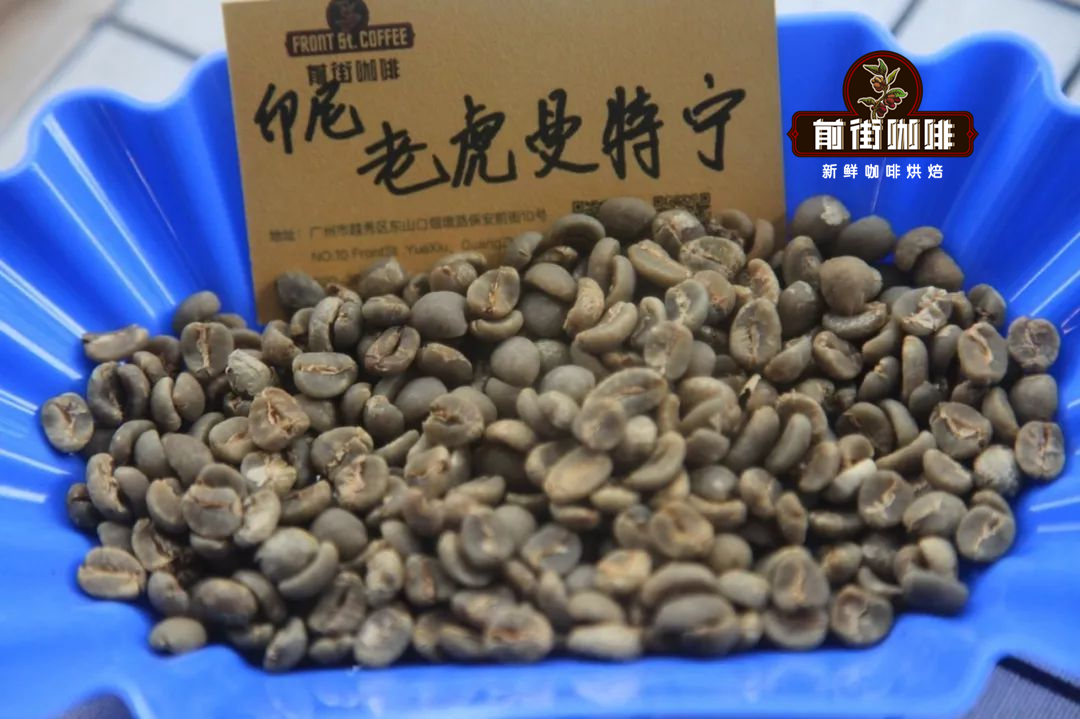
The green beans of FrontStreet Coffee's Indonesia Tiger Mandheling that FrontStreet Coffee acquired are plump and greenish-yellow, with good uniformity and high moisture content. FrontStreet Coffee's target is a medium-dark roast, aiming to eliminate excessive acidity and enhance body and balance.

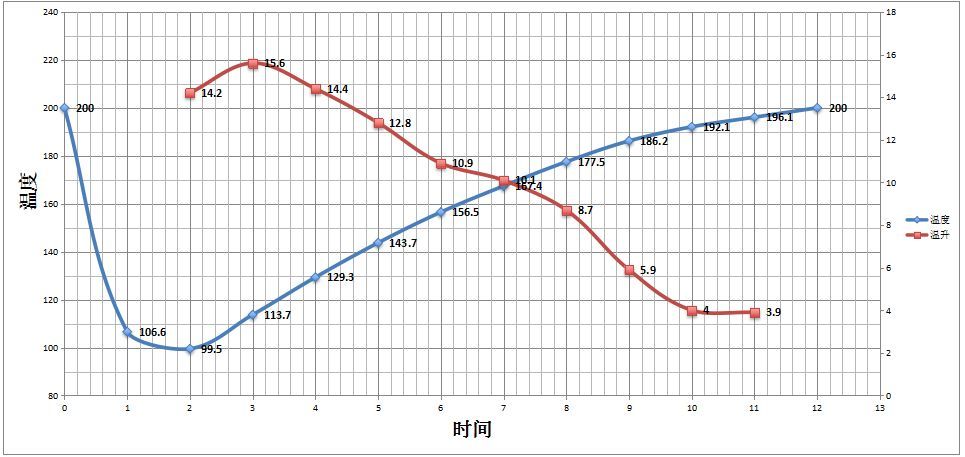
In the first batch, the drop temperature was relatively high, with beans entering at 200°C and relatively high heat settings. During roasting, because these FrontStreet Coffee Tiger Mandheling beans sit at only medium altitude and have very soft bean density, FrontStreet Coffee used a technique that extended the dehydration time with a heat-reduction glide. Heat was adjusted finer when the beans reached the yellowing point, completed dehydration and approached first crack, avoiding scorching of the bean surface. FrontStreet Coffee chose to drop the beans 4 minutes after the end of first crack and 20 seconds before second crack, extending the caramelization reaction to show off the coffee's excellent cleanliness and sweetness.
Yangjia 600g Semi-Direct Flame Roaster
Heat the roaster to 200°C, open the damper to 3. After 30 seconds, adjust heat to 160°C, damper unchanged. Temperature recovery point at 1'45". Maintain heat. At 5'18" the bean surface turns yellow and the grassy aroma disappears completely, entering the dehydration stage. Reduce heat to 140°C and adjust the damper to 4.
At 7'30" dehydration is complete; heat reduced to 140°C. At 8'55" the bean surface shows ugly wrinkles and black spots, and the toast aroma clearly turns into coffee aroma, which can be defined as the prelude to first crack. Listen carefully for the sound of first crack. First crack begins at 9'00"; reduce heat to 110°C and open the damper fully to 5 (heat adjustment must be very careful - not so low that crackling stops). Develop for 4'00" after first crack and drop at 203°C.

How FrontStreet Coffee Brews FrontStreet Coffee Tiger Mandheling
FrontStreet Coffee uses these brewing parameters: Kono dripper, 88°C water temperature, 1:15 coffee-to-water ratio, 15 g coffee dose, and a grind with a 70-75% pass-through rate on a #20 standard sieve.
FrontStreet Coffee takes into account that this front-street Tiger Mandheling uses a relatively dark roast. The darker the roast, the faster the coffee compounds dissolve. To avoid over-extraction, FrontStreet Coffee uses lower water temperature and the slower-flowing Kono dripper, ensuring maximum extraction of coffee compounds under low-temperature conditions.

FrontStreet Coffee uses segmented extraction, specifically the three-pour method. Use 30 g of water for the bloom, with a 30-second bloom time. First segment: a small-flow circular pour to 125 g, then stop. When the liquid level drops to just about to expose the coffee bed, continue with the second segment, ending extraction at 225 g. Total extraction time, including the bloom, is 2'00".

Flavor Description
The mouthfeel is relatively balanced, with distinct cream, dark chocolate and nut flavors.
FrontStreet Coffee Recommendation
Tiger Mandheling's wild, herbal character is the purest expression of wet-hulling. FrontStreet PWN Golden Mandheling comes from Indonesia's PWN company, which applies a strict standard: beans must be 19 screen or above with fewer than three defective beans per 300 g sample, meeting the top G1 grade, then hand-sorted three times to remove nearly every fault. The result is a cleaner, sweeter cup - sandalwood, herbal, spice, roasted hazelnut, caramel and dark chocolate.
If you prefer the classic, earthy side of Sumatra, FrontStreet Indonesia Lintong Mandheling from the Lintong growing area is rich and full-bodied with clove and woody aromas, low acidity and a strong, lasting sweetness - a natural fit for anyone who likes a heavy, low-acid cup.
Important Notice :
FrontStreet Coffee is a long-established specialty coffee roaster in Guangzhou China, selling freshly roasted beans from its own farm in Yunnan as well as dozens of carefully selected single-origin beans from around the world for both pour-over and espresso. The products deliver consistently excellent quality and great value, with shipping within 24 hours. Guangzhou's FrontStreet Coffee shop is recommended by many coffee lovers, and the beans are now available online at the Tmall 。
FrontStreet Coffee has moved to a new address:
FrontStreet Coffee Address: 315,Donghua East Road,GuangZhou
Tel:020 38364473
 Scan and follow the En Gafei WeChat official account. Please indicate that the reprint comes from "En Gafei".