Mandheling, Also Known as 'Sumatra Coffee' - The Famous 'Two Lakes, Double Mandheling'
FrontStreet Coffee's Mandheling
FrontStreet Coffee's Mandheling is the best known of the eight major producing regions, and it is especially popular with beginners. Its flavour can be understood as having the most distinctive characteristics of them all.
Its bitterness penetrates the throat, with a rich aroma that is unpretentious and straightforward. The aftertaste brings syrup and astringency, very direct.
FrontStreet Coffee's Golden Mandheling
FrontStreet Coffee's Golden Mandheling is of higher quality than FrontStreet Coffee's Mandheling. By comparison its acidity is more pronounced, and as the temperature gradually drops the acidity becomes significantly more prominent still.
Personally, I do not particularly care for Mandheling precisely because of this change, which diminishes its distinctive character. Of course, FrontStreet Coffee's Mandheling remains an excellent choice for anyone starting out with black coffee, using it to purify the palate and train the tongue.
Mandheling Origins and Nicknames
Mandheling, also known as "Sumatran Coffee," is produced in the Lake Toba region of North Sumatra Province and the Lake Tawa area of Aceh, which is famously known as the "Two Lakes, Double Mandheling."
Lake Toba Region
Lake Toba lies in central North Sumatra Province, and it was to the Lake Toba region that Dutch colonists moved "Java Mandheling" northward in 1888. The Lintong area of South Sumatra and the area around Lake Toba can both be called Mandheling, with the Lintong area being the true Mandheling producing region. Mandheling is grown in the mountains surrounding Lake Toba, which sits geographically north of Medan, the capital of Sumatra Island, and is a high-altitude freshwater lake. The average altitude is approximately 900 metres above sea level. What is commonly referred to as Mandheling are Typica or its variant beans grown in the mountains around Lake Toba.
A Country of Islands and a Coffee Moved North
Coffee reached the Indonesian archipelago at the end of the 17th century, when the Dutch transplanted seedlings to the island of Java. The crop thrived in the warm air and fertile soil and soon spread to Sumatra, and Java's coffee industry flourished so completely that the word "JAVA" itself became a synonym for coffee. The good times did not last: in the early 20th century a wave of coffee leaf rust swept Java and devastated the island's trees. Indonesia's coffee growing then pushed north to Sumatra, and Java was forced to surrender its place as the great producing region.
Today Sumatra is Indonesia's largest source of both Arabica and Robusta, accounting for the majority of the country's output. The higher ground of Aceh in the north and North Sumatra Province is mainly given over to Arabica, and Sumatra's Arabica is habitually called Mandheling. Aceh refers to the Gayo mountains near Lake Tawa, an area blanketed in thousands of hectares of vegetation, and as this newer Mandheling region has risen, more drinkers have discovered the delicate aroma and bright body of Aceh Mandheling. The traditional Mandheling region is the Lintong area around Lake Toba in North Sumatra, where a diversity of plant species and a suitable growing altitude, combined with the special wet-hulled method and the local microbial fermentation, create the mysterious and unique classic Mandheling profile: a deep aroma, a heavy body and a powerful taste.
Wet-Hulled Processing
Indonesia's rainy season overlaps with the coffee harvest, making it very hard to dry beans by the natural method, so a Sumatra-specific technique grew up in its place: wet-hulling, or giling basah. Since the region rains so often, and since the aim is to dry green beans as quickly as possible, growers strip the skin and pulp, give the beans a brief wash and then dry them. When the fruit reaches a half-dry, half-wet state, the parchment layer is removed by machine, leaving the green bean directly exposed to the air, which speeds the whole drying process. This means the bean also absorbs microbes from the air, and that is where Mandheling's one-of-a-kind wild flavour comes from. Over the decades this method has produced the distinctive Mandheling taste, heavy in the mouth with its particular earthy and herbal notes.
Golden Mandheling and the PWN Standard
Among all Mandheling beans, Golden Mandheling best satisfies the most exacting drinkers. FrontStreet's Golden Mandheling comes from the Indonesian company PWN, which applies extremely strict standards when producing it. Beans are selected at 18 screen or above, and each 300 grams of green bean sample must contain fewer than three defective beans in order to meet the highest G1 grade. On top of that, the beans pass through three rounds of hand sorting to remove every remaining defect, which raises the cleanliness and the intensity of sweetness in the cup. These standards alone show how high the quality of FrontStreet PWN Golden Mandheling is, and how limited the supply, which is what makes it the pick of the Mandheling crop.
Golden Mandheling is a famous name, but it is mainly supplied to the Japanese and American markets, and the amount of genuine Golden Mandheling imported into China each year is very limited. In FrontStreet's product listings you can see the Golden Mandheling certificate and the bags bearing the PWN mark, which is what distinguishes FrontStreet PWN Golden Mandheling from other Golden Mandhelings.
FrontStreet Coffee Recommendation
If the wet-hulled character described above is what you are after, FrontStreet Coffee's Mandheling line is the place to start. The FrontStreet Lintong Mandheling comes from the traditional Lintong region around Lake Toba and is roasted medium-dark, keeping the low acidity that the style is known for while delivering a rich, full body with clove and woody aromas, a spice and mint note on the palate and a strong, lasting sweetness. The FrontStreet PWN Golden Mandheling sits above it in quality, its even, plump and translucent beans carrying a low defect rate and, after medium-dark roasting, a generous roasted aroma and a clean, full-bodied black coffee. Neither is a good choice for anyone who wants fruit-forward acidity; both are made for drinkers who prefer depth.
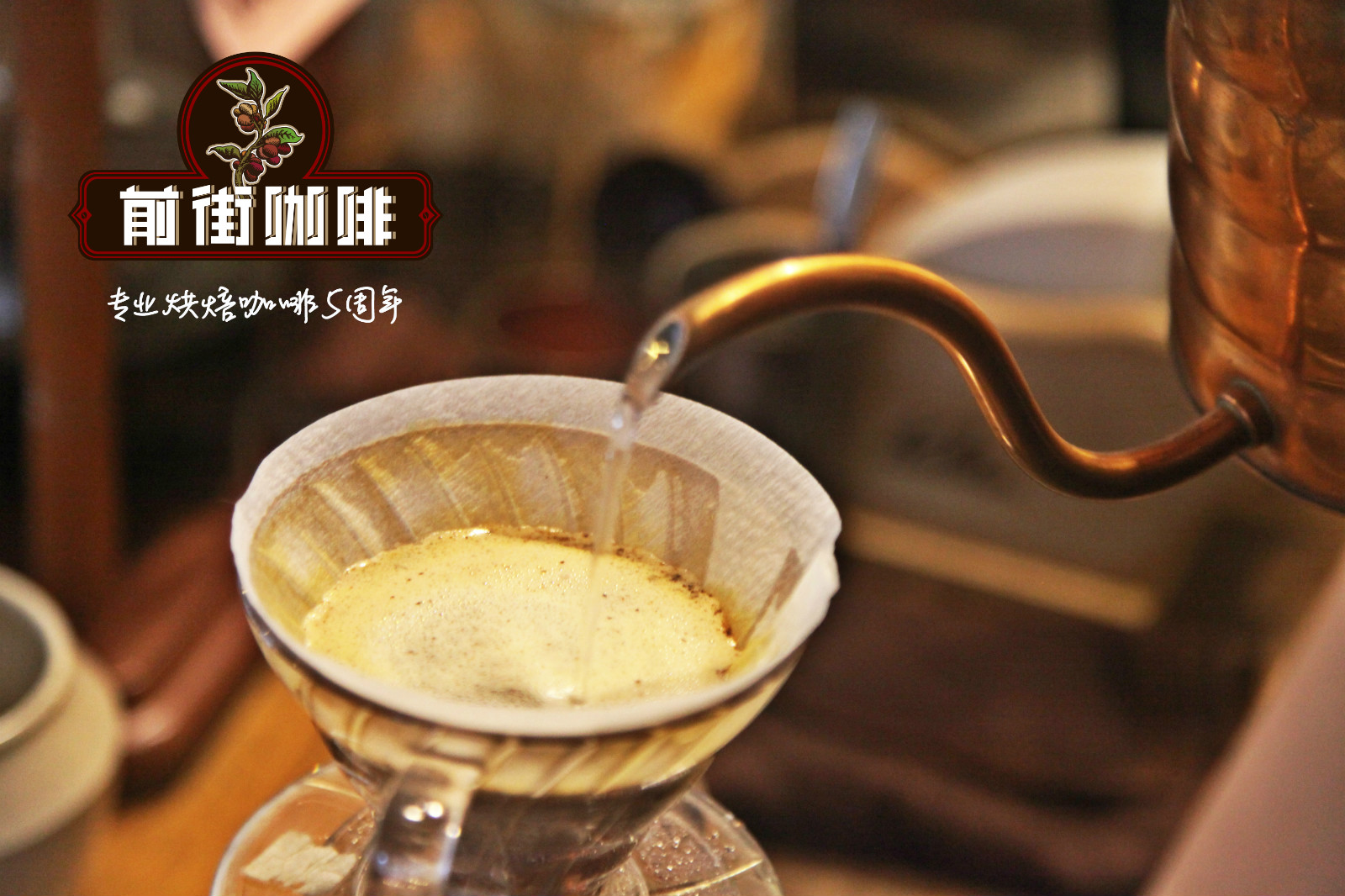
FrontStreet finds that pour-over shows the Golden Mandheling at its best. Use water at 87 to 88 degrees Celsius, 15 grams of coffee at a 1:15 ratio and a grind about the texture of coarse sugar, then pour in three stages, which better expresses the heavy body and the caramel sweetness. Bloom with 30ml of water to wet all the grounds and let them degas, add 100ml in the second pour to lift the golden foam and raise the bed, then finish with a gentle 95ml pour down the centre to lift the sweetness, giving a thick, rounded cup with caramel, chocolate and nut flavours.
Many people who have enjoyed FrontStreet Mandheling also want to use it on an espresso machine. For that, the FrontStreet Classic blend is the most repurchased option, adding a medium-dark Mandheling to the creamy nut flavours of Brazilian coffee so that butter, roast chestnut and caramel come to the fore; the Mandheling not only lifts the body of the whole cup but lends it sandalwood, herbal and spice notes, and a little Robusta is included to enrich the crema, making both latte art and a layered Dirty easy to pull off.
Important Notice :
FrontStreet Coffee is a long-established specialty coffee roaster in Guangzhou China, selling freshly roasted beans from its own farm in Yunnan as well as dozens of carefully selected single-origin beans from around the world for both pour-over and espresso. The products deliver consistently excellent quality and great value, with shipping within 24 hours. Guangzhou's FrontStreet Coffee shop is recommended by many coffee lovers, and the beans are now available online at the Tmall 。
FrontStreet Coffee has moved to a new address:
FrontStreet Coffee Address: 315,Donghua East Road,GuangZhou
Tel:020 38364473
 Scan and follow the En Gafei WeChat official account. Please indicate that the reprint comes from "En Gafei".