How to Achieve Different Flavor Profiles by Adjusting Roasting Techniques for Black Honey Coffee?
In the past, FrontStreet Coffee has mostly shared ways of adjusting brewing parameters and technique to draw different flavors out of a single coffee bean. Today, FrontStreet Coffee would like to share how it roasts a Roca Negra Honey bean to reach different flavors.
Bean Information by FrontStreet Coffee
Costa Rica Roca Negra Estate
Country: Costa Rica
Estate: Roca Negra Estate
Grade: SHB
Processing Method: Black Honey Process
Altitude: 1700-1800m
Varieties: Caturra, Catuai
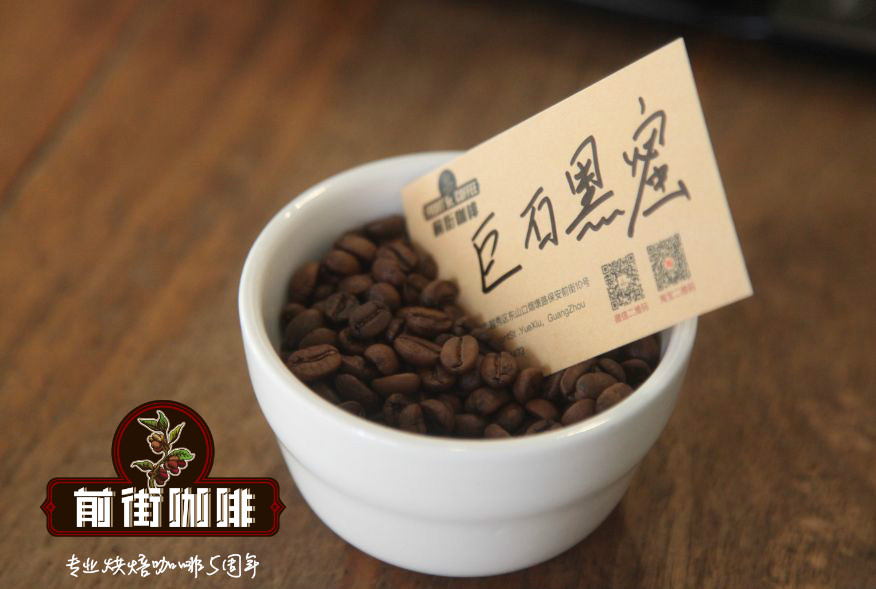
Roca Negra Estate by FrontStreet Coffee
Costa Rica has two seasons over the course of the year. The dry season runs from December to April and is the coffee harvest season, while the wet season runs from May to November. In recent years many micro-mills have been established. Because their water consumption is only 5% of that of a traditional washed mill and they do not require large water tanks or drying patios, the investment needed is relatively small. Honey processed coffee, with its low acidity, improved complexity, and rich sweet aroma, has become one of the most sought-after styles in the coffee industry in recent years.
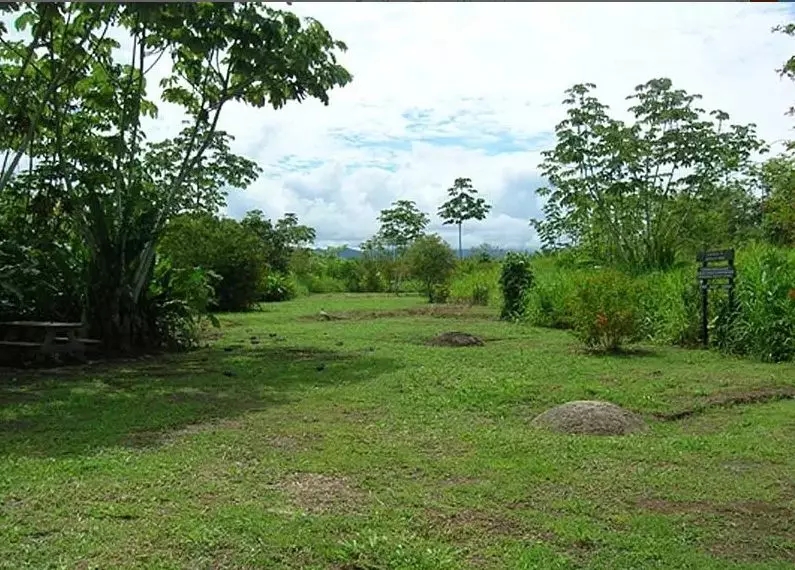
Roca Negra Estate is located in the Brunca region of southern Costa Rica. Because the terrain here connects to Panama, the area has diverse microclimates. Near the estate, stone carvings made by indigenous people between 200 BC and 1500 AD have been discovered; known as mysterious stone spheres, they are the reason the estate was named "Roca Negra," meaning giant stone.
Roasting Comparison by FrontStreet Coffee
This Roca Negra Honey is an SHB (Strictly Hard Bean) lot, with relatively hard beans and medium moisture content. We roasted it using two different curves.
Curve One by FrontStreet Coffee
Roasting machine: Yangjia 800N (batch size: 550 grams)
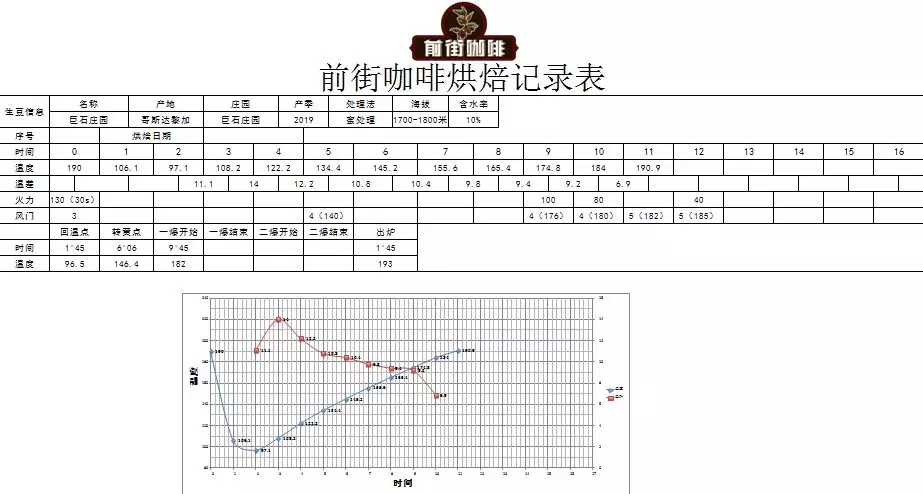
Charge temperature: 190°C, damper opened to 3, heat reduced to 130 after 30 seconds. Temperature recovery point at 1'45"; when the temperature reached 140°C the damper was opened to 4 and the heat left unchanged. When the temperature reached 146.4°C the bean surface turned yellow and the grassy smell disappeared completely, marking the start of the dehydration stage. When the temperature reached 176°C the heat was reduced to 80, with the damper at 4.
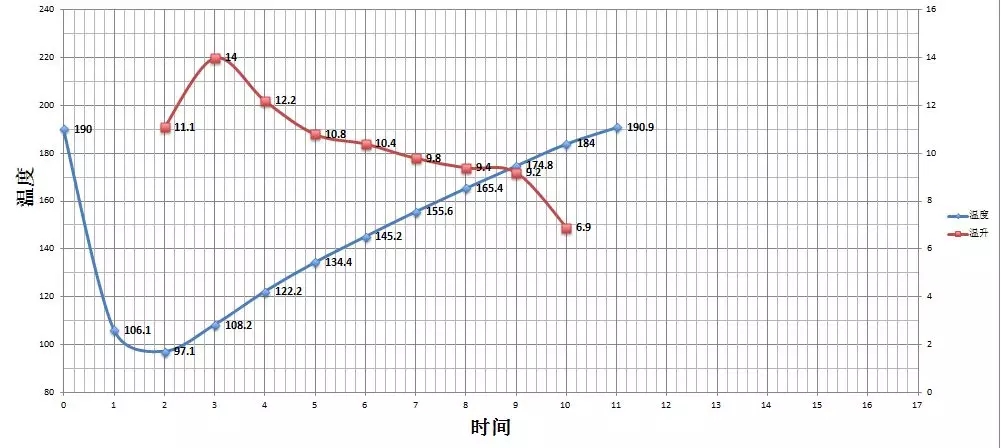
At 8'51" ugly wrinkles and black spots appeared on the bean surface, and the toasted-bread smell clearly turned into coffee aroma, which can be taken as the prelude to first crack. At this point, listen carefully for the sound of first crack. At 9'45" first crack began. The damper was left unchanged, and after 1'45" of development the beans were discharged at 193°C.

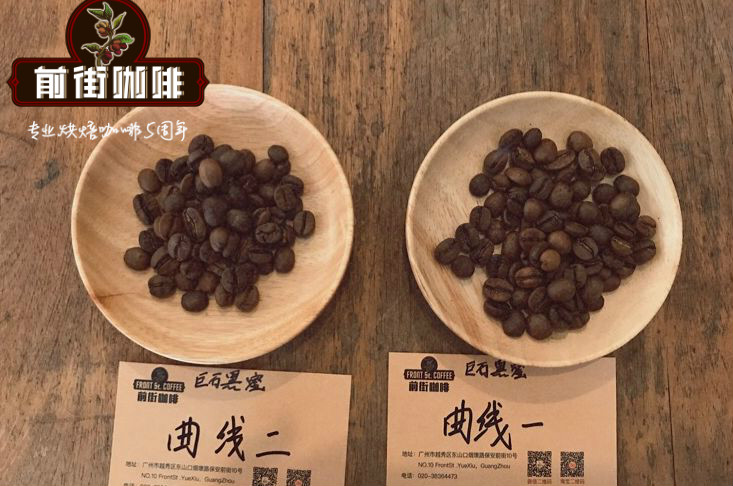
Agtron bean color value: 76.7 (left image); Agtron ground color value: 86.6 (right image); roast delta value: 9.9.
Curve Two by FrontStreet Coffee
Roasting machine: Yangjia 800N (batch size: 550 grams)
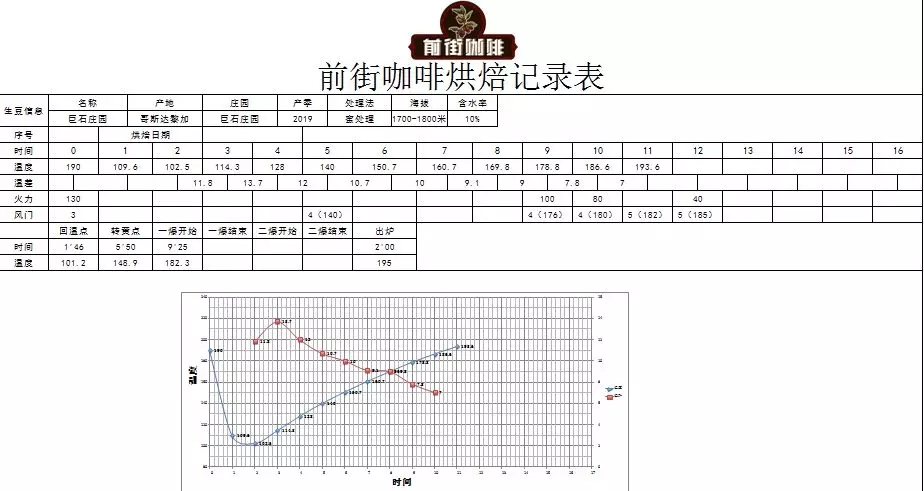
Charge temperature: 190°C, damper opened to 3, heat at 130. Temperature recovery point at 1'46"; when the temperature reached 140°C the damper was opened to 4 and the heat left unchanged. When the temperature reached 146.4°C the bean surface turned yellow and the grassy smell disappeared completely, marking the start of the dehydration stage. When the temperature reached 176°C the heat was reduced to 80, with the damper at 4.
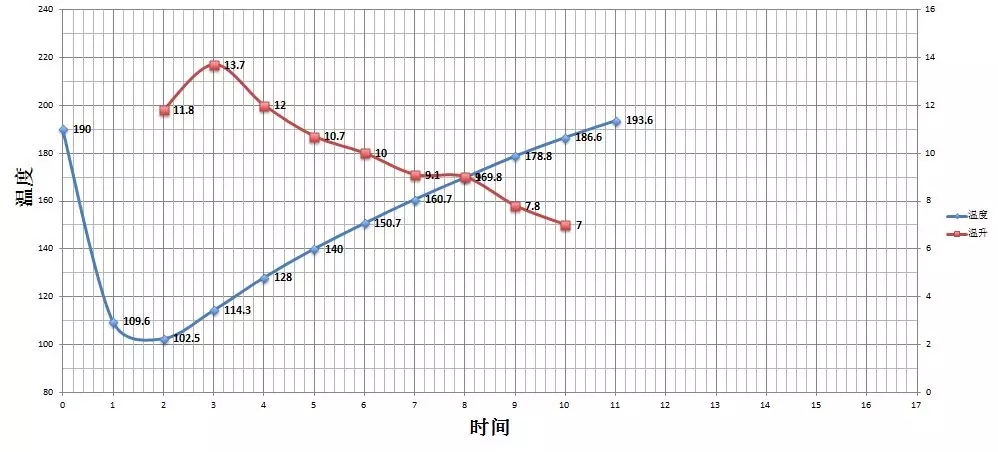
At 8'13" ugly wrinkles and black spots appeared on the bean surface, and the toasted-bread smell clearly turned into coffee aroma, which can be taken as the prelude to first crack. At this point, listen carefully for the sound of first crack. At 9'25" first crack began. The damper was left unchanged, and after 2 minutes of development the beans were discharged at 195°C.

Agtron bean color value: 73.7 (left image); Agtron ground color value: 84.6 (right image); roast delta value: 10.9.
Comparing the two curves, Curve One had a development time of 1'45" and a discharge temperature of 193°C; Curve Two had a development time of 2 minutes and a discharge temperature of 195°C.
Curve One extended the Maillard reaction before first crack to build more layers of flavor, while shortening development after first crack to preserve flavor complexity at a lower discharge temperature.
Curve Two was roasted to a relatively darker degree, with two minutes of development after first crack and a discharge at 195°C. This approach extended the bean's development time and raised the discharge temperature to enhance balance and sweetness.
Cupping Comparison by FrontStreet Coffee

Curve One smells of fermented fruit, strawberry, and light floral notes. On the palate it reveals citrus, strawberry, lime, preserved plum, grape, cream, and caramel, with overall rich layers of flavor.
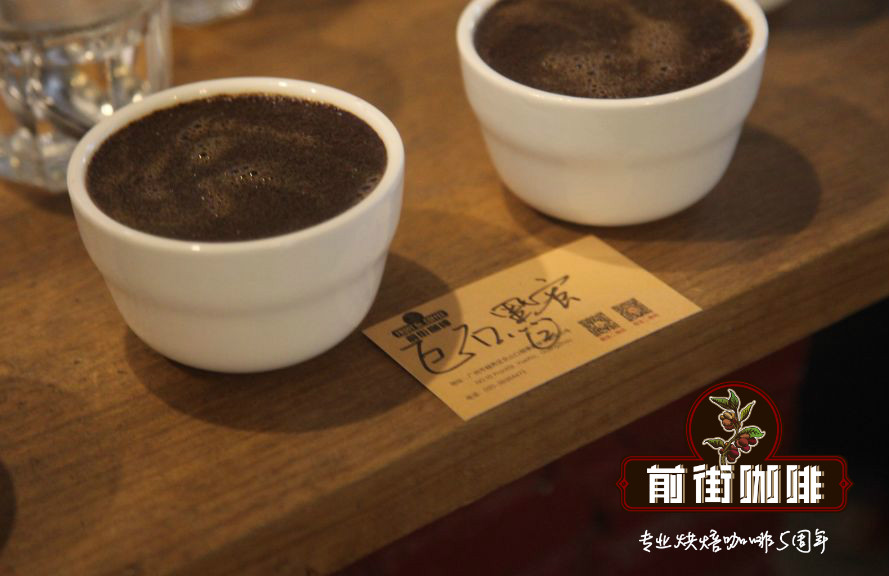
Curve Two smells of fermented fruit and sweet preserved fruit. On the palate it reveals citrus, strawberry, grape, cream, and nuts, with good overall balance and noticeable sweetness.
Summary by FrontStreet Coffee
FrontStreet Coffee believes that if you want a cup with rich layers of flavor, you can try extending the Maillard reaction before first crack, shortening development after first crack, and roasting to a lower discharge temperature. If you want a cup with noticeable sweetness and overall balance, you can try extending the bean's development time and increasing the discharge temperature.
END
FrontStreet Coffee Recommendation
Roasting an elegant honey-processed Costa Rican bean this way is one route to a clean, sweet cup, and the same balance shows up in FrontStreet Coffee's Panama offerings. FrontStreet Coffee's Boquete Washed Geisha is a great entry point to Geisha: grown at 1600 meters in the cloud-covered mountains of the Boquete region, on the fertile volcanic soil that Baru Volcano provides, it brews into the varietal's signature jasmine, green tea, honey, citrus, and orange flavors with a fragrant, layered aroma.
If you want to taste that clean profile from a slightly different angle, FrontStreet Coffee's Panama Washed Butterfly carries half Geisha lineage and blends Geisha with Caturra and Catuai, giving it the same citrus acidity and jasmine character with a fuller body, and it works well for both pour-over and cold brew. For those who want the finest expression, FrontStreet Coffee's Esmeralda Red Label Geisha is a single-plot lot from above 1700 meters with a cupping score of 91, showing a refined orange-blossom honey character.
Important Notice :
FrontStreet Coffee is a long-established specialty coffee roaster in Guangzhou China, selling freshly roasted beans from its own farm in Yunnan as well as dozens of carefully selected single-origin beans from around the world for both pour-over and espresso. The products deliver consistently excellent quality and great value, with shipping within 24 hours. Guangzhou's FrontStreet Coffee shop is recommended by many coffee lovers, and the beans are now available online at the Tmall 。
FrontStreet Coffee has moved to a new address:
FrontStreet Coffee Address: 315,Donghua East Road,GuangZhou
Tel:020 38364473
 Scan and follow the En Gafei WeChat official account. Please indicate that the reprint comes from "En Gafei".