Panama Boquete Honey Process Geisha Coffee Flavor Characteristics and Pour-over Brewing Parameters
Honey Processed Geisha
Country: Panama
Region: Boquete
Processing Method: Honey Process
Altitude: 1600–1650 meters
Variety: Geisha
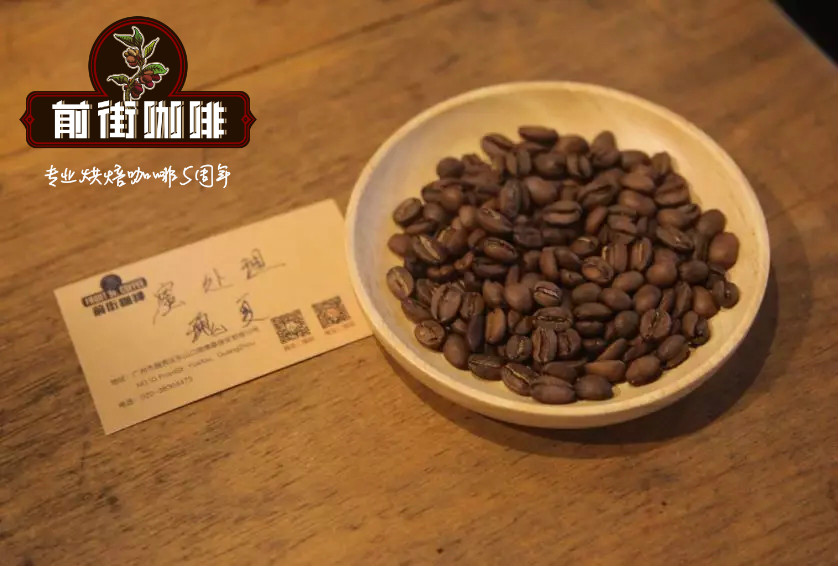
Panama · Boquete
by FrontStreet Coffee
Panama is a Central American country, bordered by Costa Rica to the west and Colombia to the east. Anyone who follows single-origin coffee knows that Panamanian coffee owes its worldwide renown to the Geisha variety from Hacienda La Esmeralda. It is a country that pursues excellence in coffee and reliably produces exceptional beans.
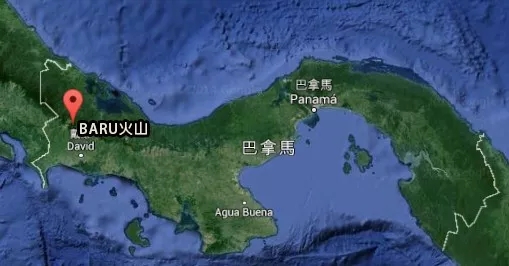
Boquete is a town in Chiriquí Province, near the border between Panama and Costa Rica and close to the famous Barú Volcano. With its beautiful scenery, fertile soil, and a climate almost perfectly suited to growing high-quality coffee, it has become Panama's most celebrated coffee region.
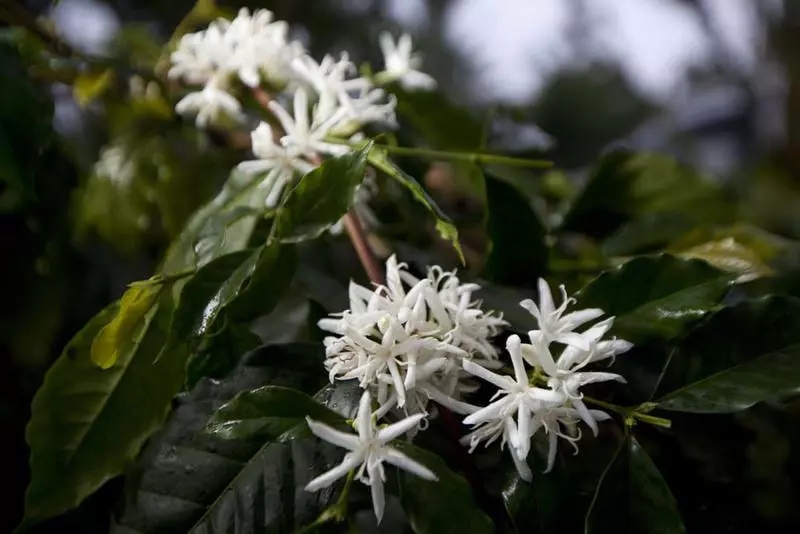
Boquete is home to many outstanding estates. Besides the famous Hacienda La Esmeralda, there are other renowned farms such as Elida Estate and Kotowa Duncan Estate, all producing high-quality specialty coffee. Much of this comes down to the superb ecological conditions of the Boquete region and the fertile volcanic-ash soils around Barú Volcano.
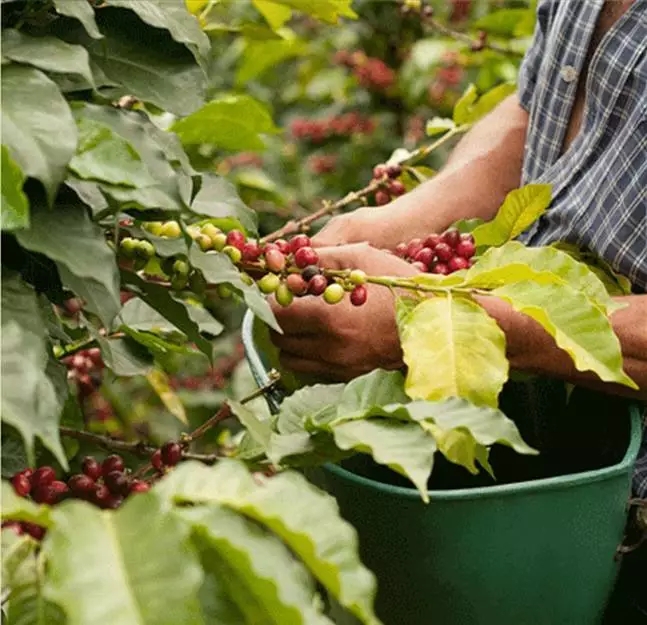
Another decisive factor is the unique microclimate of the Boquete highlands, an exclusive resource for specialty coffee here. Panama's east–west mountain spine forces cold air currents to converge above 6,500 feet in the central cordillera, creating a patchwork of microclimates across Boquete. The resulting temperatures and rainfall are exceptionally favorable for plant growth, and coffee trees planted here thrive.
Processing Method
by FrontStreet Coffee
This coffee is processed using the honey process.
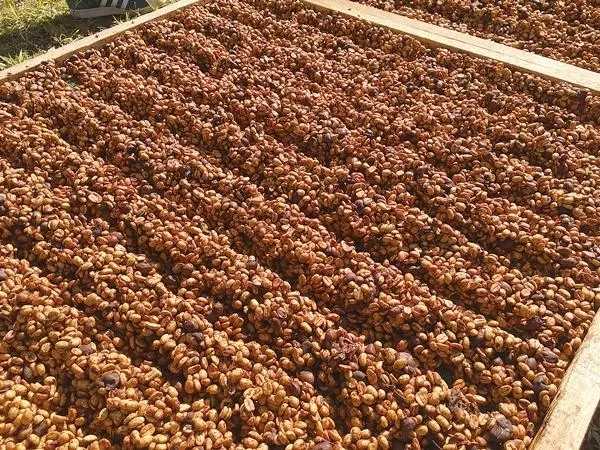
Honey processing means drying the beans in the sun with their mucilage still intact. After the outer pulp is removed, a sticky, gelatinous layer clings to the bean. In traditional washed processing this layer would be rinsed away with water, but because water is scarce in some high-altitude regions, producers developed this method of drying the beans directly with the mucilage attached.
Green Bean Analysis
by FrontStreet Coffee
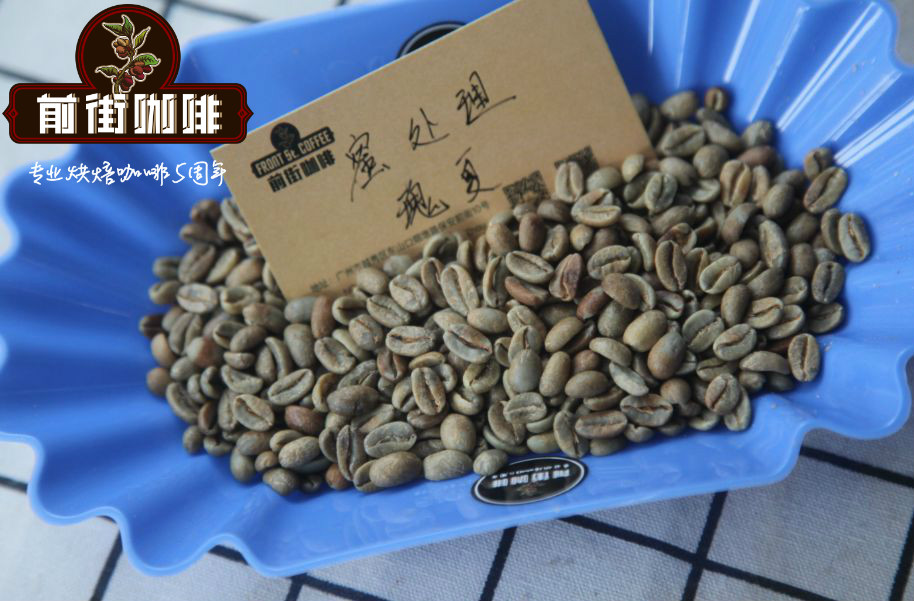
The variety here is Geisha. The green beans look typical of honey-processed lots — a yellow-green color — and give off a fresh apple fragrance when smelled.
Geisha is a native variety within the Arabica species, and it is exceptionally particular about where it grows: it demands high altitude, cloud shade, fertile soil, and ample accumulated heat.
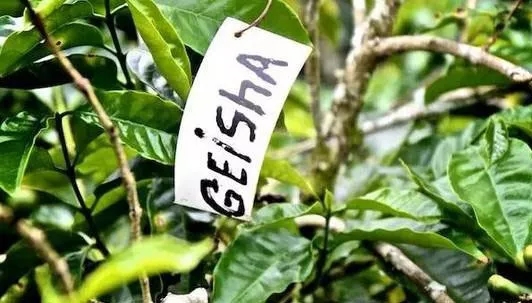
1931: A team of botanists on an expedition to southwestern Ethiopia discovered the Geisha variety near the village of Gesha and carried Geisha seeds back to Kenya for nursery cultivation.
1936: Geisha seeds spread onward to Uganda and Tanzania.
1953: Costa Rica's research institution CATIE obtained a supply of Geisha seeds from Tanzania for research purposes.
1960: Pachi Serracin, the former owner of Panama's Don Pachi Estate, brought Geisha from Costa Rica to Panama.
Later, Panama's Hacienda La Esmeralda separated the variety out from its other trees, entered it in the national coffee competition, and won the championship — and the rest is history.
Roasting Analysis
by FrontStreet Coffee
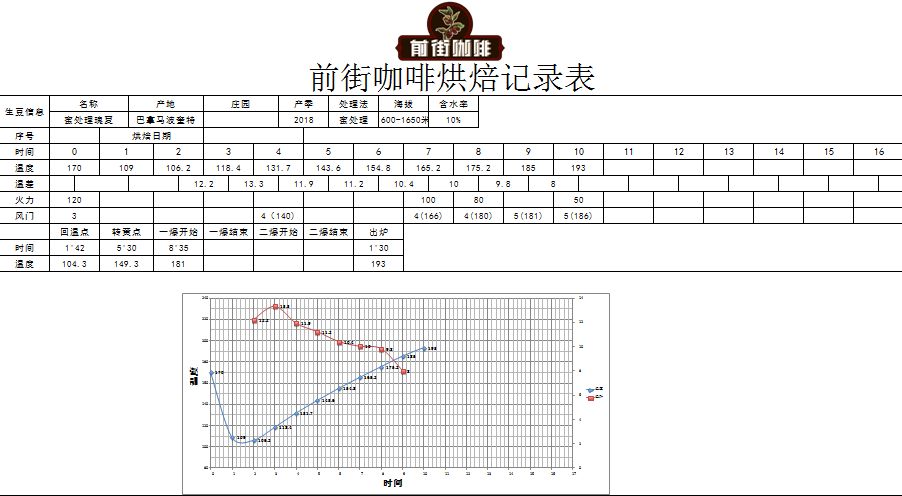
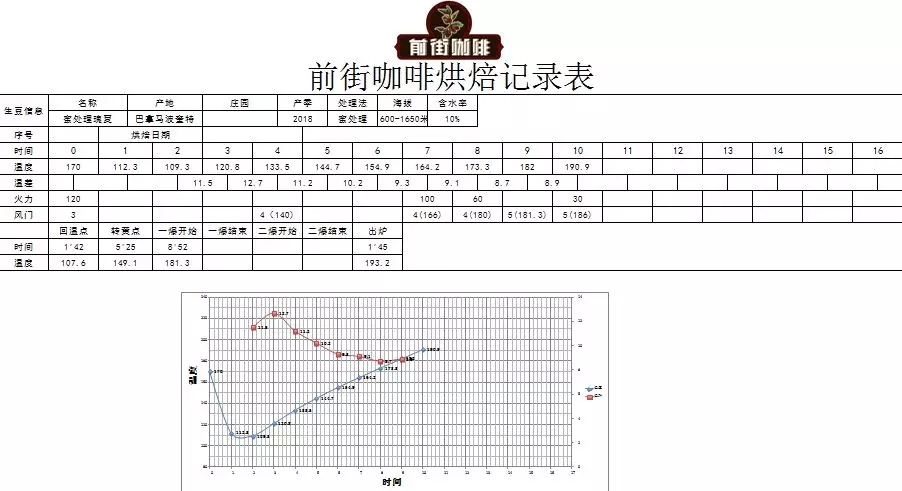
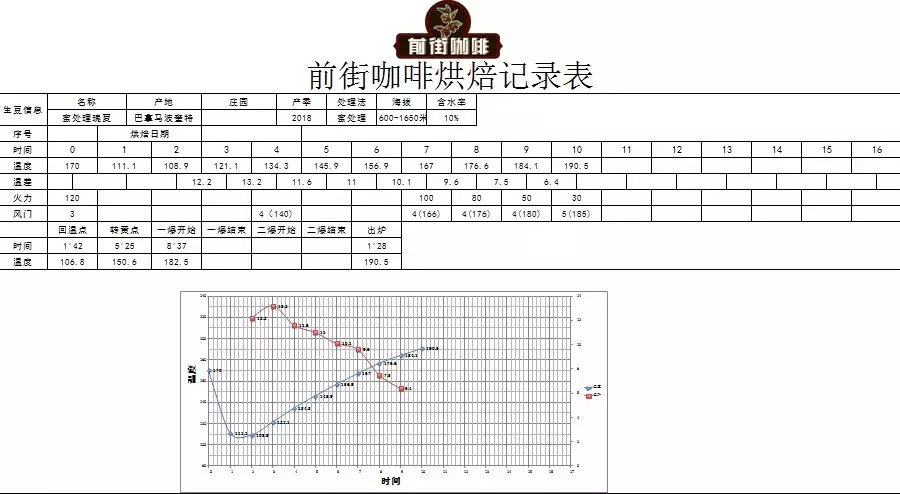
FrontStreet Coffee tested three roasting curves, all light roasts but with different development times and drop temperatures.
Curve One
Charge temperature 170°C, yellowing point at 5'30", first crack beginning at 8'35" at 181°C, then 1'30" of development after first crack before dropping at 193°C.

Agtron bean color value 78.2 (left image), Agtron ground color value 86.4 (right image), Roast Delta 8.2.
Curve Two
Charge temperature 170°C, yellowing point at 5'25", first crack beginning at 8'52" at 181.3°C, then 1'45" of development after first crack before dropping at 193.2°C.

Agtron bean color value 76.5 (left image), Agtron ground color value 86 (right image), Roast Delta 9.5.
Curve Three
Charge temperature 170°C, yellowing point at 5'25", first crack beginning at 8'37" at 182.5°C, then 1'28" of development after first crack before dropping at 190.5°C.

Agtron bean color value 82.6 (left image), Agtron ground color value 90.3 (right image), Roast Delta 7.7.
Cupping Comparison
by FrontStreet Coffee

Curve One: On the slurp, plum, lime, citrus, and cream, with a green tea sensation and a fermented aroma.
Curve Two: On the slurp, sweet orange, plum, citrus, and tropical fruit acidity, with cream, a subtle fermented note, and florals.
Curve Three: On the slurp, lemon, plum, sweet orange, and cream, with jasmine florals and a gentle fermented note, finishing on an oolong tea sensation.
After cupping, FrontStreet Coffee felt that Curve One's flavors lacked concentration and its layers were comparatively thin. Both Curve Two and Curve Three performed beautifully on acidity and sweetness, so we decided to brew each as a pour-over to see how they would hold up in the cup.
Pour-over Comparison
by FrontStreet Coffee

Parameters: Water temperature: 90°C; Grind: medium-fine, VARIO setting 5O (57% pass-through on the China standard #20 sieve); Dripper: Hario V60; Coffee-to-water ratio: 1:15.
Technique: Multi-pour extraction. Bloom with 35g of water for 30 seconds, pour to 130g and pause, then continue pouring to 230g once the water level drops to just expose the coffee bed; remove the dripper when the level drops to expose the bed again (timing starts from the bloom). Total extraction time: two minutes.

Curve Two: On entry, lime, plum, and pineapple acidity; the mid-palate brings out nutty flavors, finishing with cocoa and nuts, caramel sweetness, and a ginger flower aftertaste.
Curve Three: The aroma shows fermentation and florals; on entry there is citrus and lemon acidity, the mid-palate brings creamy sweetness, and the finish carries a green tea sensation with cane sugar and honey sweetness.
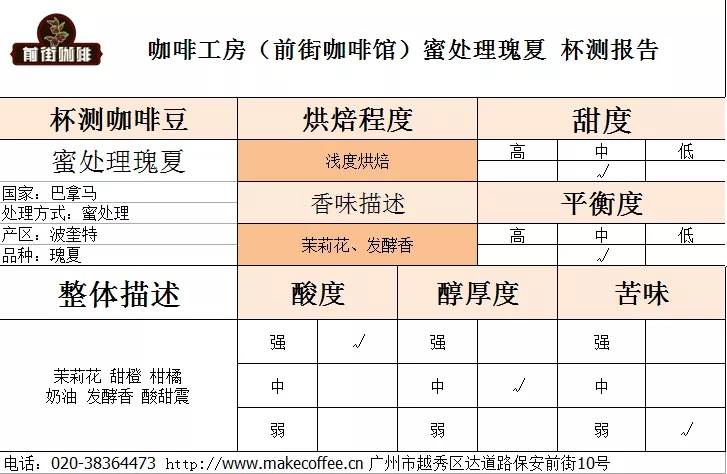
After the cupping and pour-over comparison, FrontStreet Coffee judged Curve Three slightly superior in both aroma and acidity-sweetness balance, so it was chosen as the roast to express this honey-processed Geisha.
FrontStreet Coffee Recommendation
Enjoying honey-processed Panamanian Geisha and want to explore more? FrontStreet Coffee recommends starting with Panama — the region where Geisha became famous:
FrontStreet Boquete Gesha (Panama) — our entry-level Gesha from Boquete, the classic high-quality Panamanian growing region. It captures the signature orange-blossom sweetness and honeyed finish of Panama Gesha, with oolong-tea texture, delicate fruit acidity, and clearly defined layers, all at a very accessible price — the easiest way to taste authentic "Gesha flavor."
FrontStreet Esmeralda Red Label Gesha (Hacienda La Esmeralda) — the estate's flagship tier, grown at 1,600–1,800 meters with every lot cupping above 90 points and traceable to a single plot. Natural-processed, it offers rose, citrus, berries, and honey with an elegant, lingering sweetness. Brew it as a pour-over with a medium-light roast, a fine-sugar grind (about 78–80% through a #20 sieve), 91°C water, a 1:16 ratio, and a three-stage pour with a 30-second bloom for the most perfumed, layered cup.
Important Notice :
FrontStreet Coffee is a long-established specialty coffee roaster in Guangzhou China, selling freshly roasted beans from its own farm in Yunnan as well as dozens of carefully selected single-origin beans from around the world for both pour-over and espresso. The products deliver consistently excellent quality and great value, with shipping within 24 hours. Guangzhou's FrontStreet Coffee shop is recommended by many coffee lovers, and the beans are now available online at the Tmall 。
FrontStreet Coffee has moved to a new address:
FrontStreet Coffee Address: 315,Donghua East Road,GuangZhou
Tel:020 38364473
 Scan and follow the En Gafei WeChat official account. Please indicate that the reprint comes from "En Gafei".