What Are the Flavor Characteristics of Honey-Processed Costa Rica Geisha Coffee Beans and Their Differences from Panama Geisha
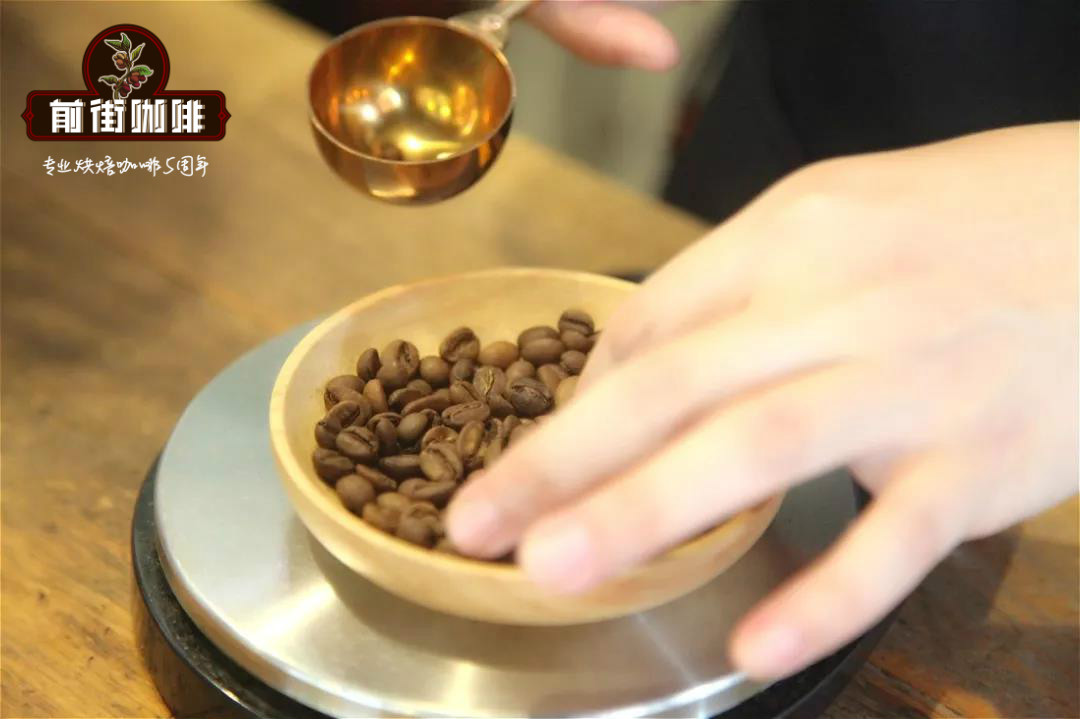
FrontStreet Coffee recently acquired a honey-processed Gesha, and today I'd like to share this honey-processed Gesha with everyone. Gesha produced by Panamanian estates is typically very traditional washed or natural processed, so this honey processing should be an experiment! As for the flavor profile, FrontStreet Coffee of course had to compare and choose using three curve profiles, finally selecting curve #3. After brewing, we found the floral aroma is very prominent, with distinct citrus and lemon flavors upon entry, transitioning to creamy fineness and sweetness, and the aftertaste presents green tea-like sensations and cane sugar-like clean sweetness.
Origin of Gesha
1931: A group of botanists conducted an expedition in southwestern Ethiopia, discovering the Gesha variety near Geisha village, bringing Geisha seeds to Kenya where they were grown in nurseries.
1936: Geisha seeds spread to Uganda and Tanzania.
1953: Costa Rica's research institution CATIE obtained some Geisha seeds from Tanzania for research purposes.
1960: Pachi Serracin, the former owner of Panama's Don Pachi estate, brought Gesha from Costa Rica to Panama. Later, Panama's La Esmeralda estate separated it from other varieties and it went on to win the national coffee championship.
Panama Boquete Growing Region
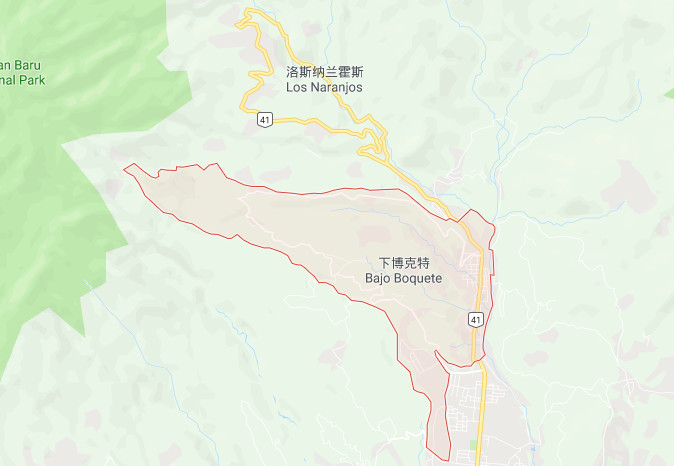
Panama is a Central American country, bordering Costa Rica to the west and Colombia to the east. Those familiar with single-origin coffee should know that Panamanian coffee is famous in the coffee world for Geisha from La Esmeralda estate (the renowned name for Gesha). It can be said to be a country that pursues coffee excellence and produces high-quality coffee. Boquete is a town in Chiriqui province, located near the border between Panama and Costa Rica, close to the famous Baru volcano, with beautiful scenery, rich and fertile soil, and climate and soil conditions very suitable for producing high-quality coffee.
Within the Boquete growing region, there are many excellent estates. Besides the famous La Esmeralda, there are also renowned estates like Elida Estate and Kotowa Duncan Estate, all producing high-quality specialty coffee. This not only benefits from the superior ecological conditions of Panama's Boquete region and the fertile volcanic ash soil of the Baru volcano area. Another important factor is that the microclimate in Panama's Boquete highlands is a unique resource for specialty coffee in the Boquete region; this is due to Panama's east-to-west environment that allows cold air currents to converge above 6,500 feet through the central mountain range, creating various microclimates in the Boquete area, making temperature and rainfall very suitable for plant growth, so coffee trees growing here thrive exceptionally well.
Processing Method
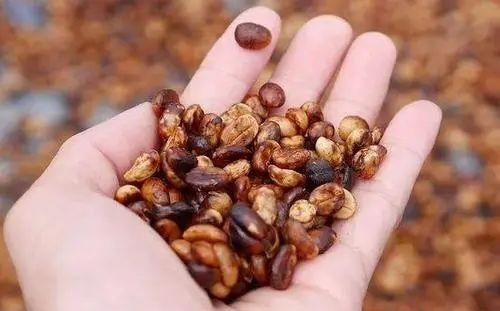
The processing method for this FrontStreet Coffee Panama Boquete Gesha is honey processing. Honey processing is a method of producing green beans by sun-drying with the mucilage intact. After removing the outer pulp from coffee beans, there remains a layer of viscous gelatinous substance. In traditional washed processing, this would be washed away with water, but due to water resource limitations in some high-altitude growing areas, this method of drying directly with the pectin intact was developed. Honey-processed beans need good ventilation when drying, otherwise the retained pectin mucilage can easily ferment or mold, causing off-flavors. The taste difference between honey-processed and washed-processed coffee: higher sweetness than washed, higher sugar content, and relatively fuller body (under the same roast level).
FrontStreet Coffee Green Bean Analysis
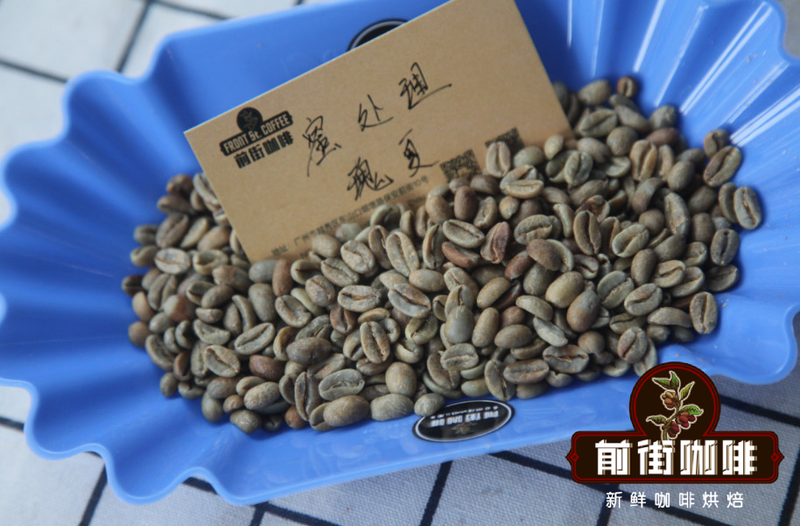
The variety of this FrontStreet Coffee Panama honey-processed bean is Gesha. The green beans look like typical honey-processed coffee beans, appearing yellow-green; they have a fresh apple fragrance when smelled. Gesha coffee is an original variety within the Arabica species, particularly picky about growing conditions, requiring high altitude, cloud shade, fertile soil, and sufficient accumulated temperature.
FrontStreet Coffee Roasting Analysis
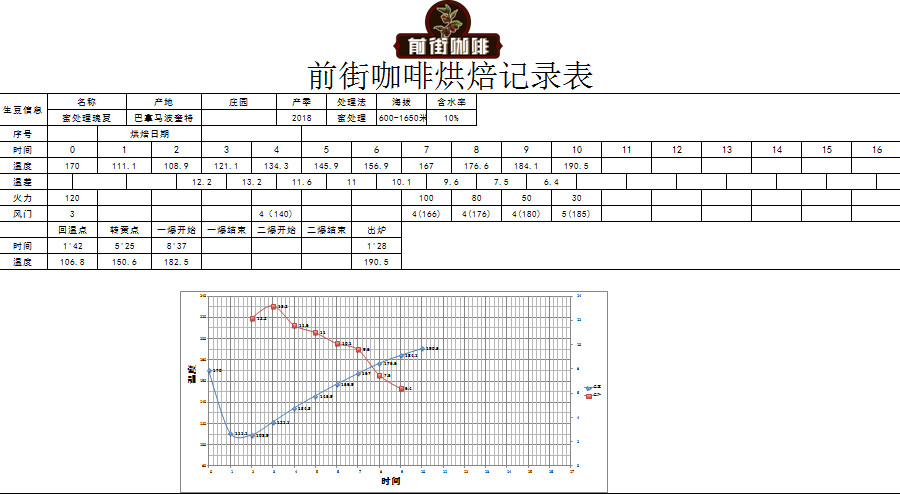
Entry temperature 170°C, yellowing point at 5'25", first crack begins at 8'37", temperature is 182.5°C, first crack development for 1'28" before dropping, temperature 190.5°C.
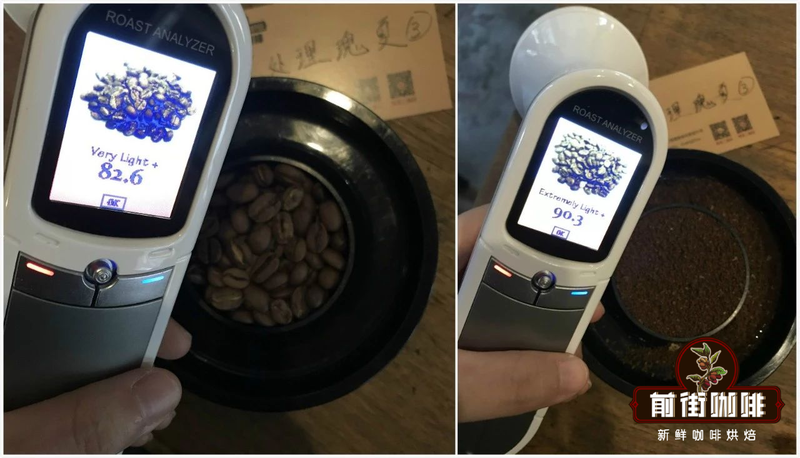
Agtron bean color value 82.6 (left image), Agtron ground color value 90.3 (right image), Roast Delta value is 7.7.
FrontStreet Coffee Cupping
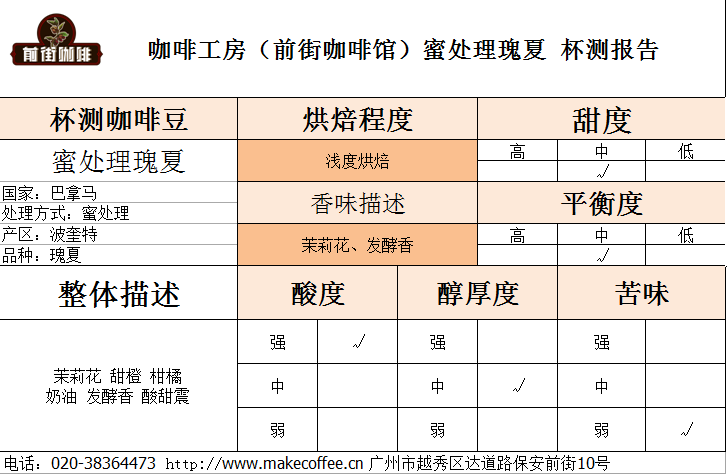
When slurping, there are flavors of lemon, plum, sweet orange, and cream, with jasmine floral aroma and fermentation notes, and the finish has oolong tea-like sensations.
Product Name: FrontStreet Coffee · Panama Boquete Honey-Processed Gesha
Country: Panama
Region: Boquete
Processing Method: Honey Process
Altitude: 1600-1650 meters
Variety: Gesha
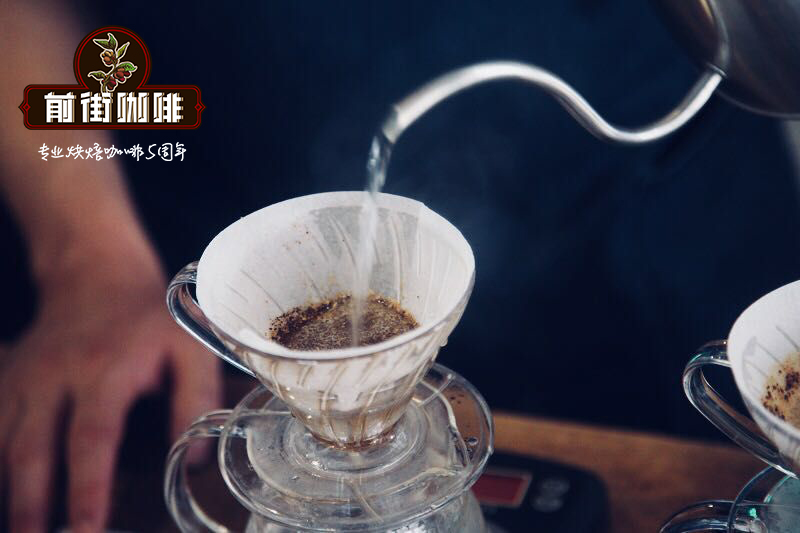
FrontStreet Coffee Pour-over Parameters
Water temperature: 90°C; medium-fine grind: BG-6L (Chinese standard #20 sieve pass rate 80%); dripper: Hario V60; coffee-to-water ratio: 1:15.
FrontStreet Coffee Brewing Method
Segmented extraction. Use 35 g of water for a bloom of 30 seconds, then pour to 130 g and stop; when the water level drops and is about to expose the coffee bed, continue pouring to 230 g and stop; when the water level drops and is about to expose the coffee bed, remove the dripper; the extraction time (timed from the start of the bloom) is two minutes.
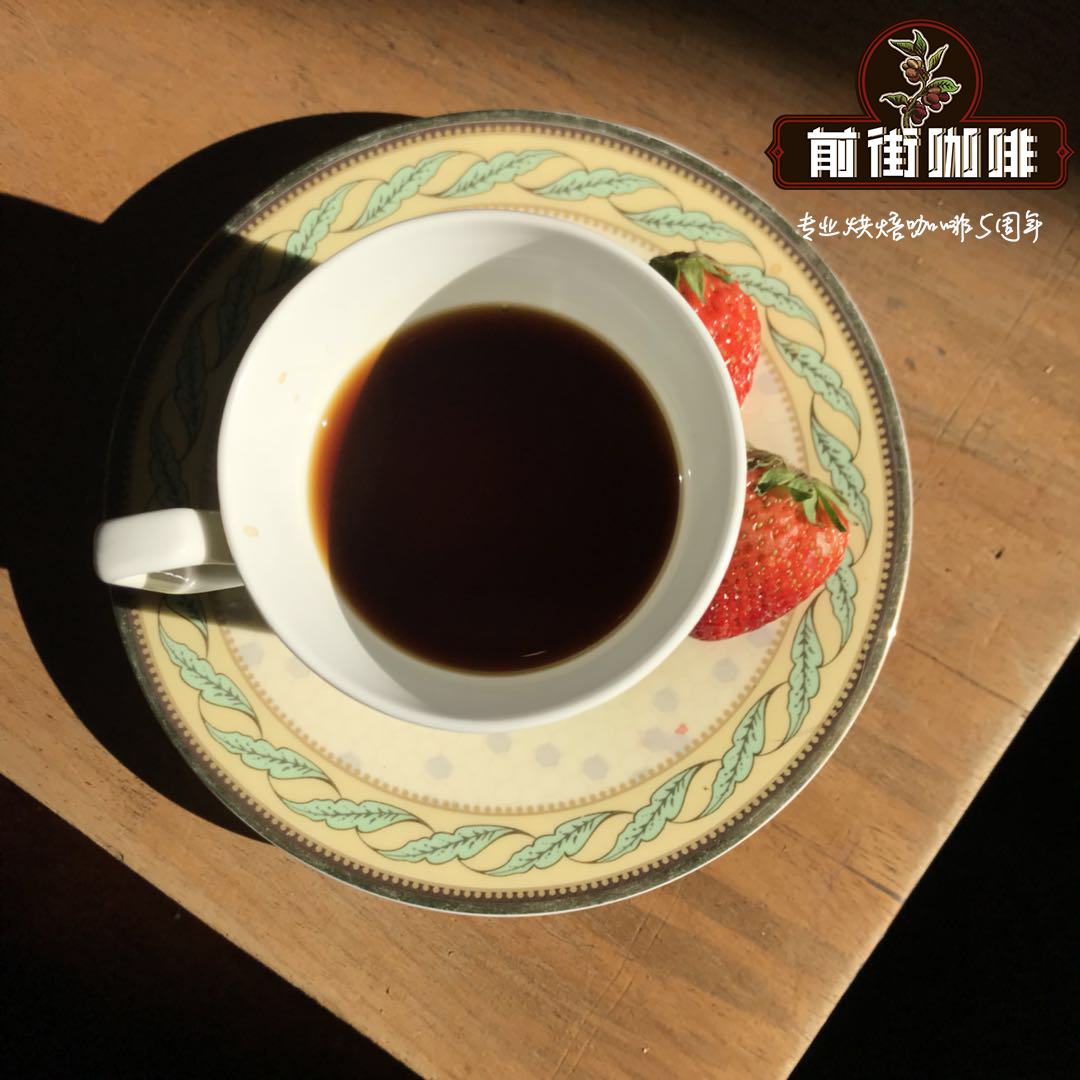
Flavor Description: Smells of fermentation notes and floral aromas, with citrus and lemon acidity upon entry, creamy sweet notes emerge in the middle, and the finish has green tea sensations, with cane sugar and honey aftertaste.
FrontStreet Coffee Recommendation
Honey processing is a rare experiment for Gesha, and it is precisely that willingness to test tradition that makes Panama's Boquete region so compelling. If this honey-processed Gesha leaves you curious about the classic versions, FrontStreet Coffee's Panama Esmeralda Special (Red Label) Geisha—grown at 1,600–1,800 meters and cupped above 90 points, with each lot traceable to a single plot—shows what the variety can do at its most transparent. The Esmeralda Private Collection (Green Label) blends several plots into one lot and expresses the estate's signature high-altitude Gesha character at a more accessible price, while the entry-level Boquete Geisha makes that orange-blossom honey, oolong-tea and fine fruit-acidity profile easy to enjoy every day.
Pour-over suits them best: a Hario V60 with a 1:16 ratio and 91°C water, opening with a 30 g bloom for 30 seconds, lets those jasmine and stone-fruit aromatics build layer by layer. FrontStreet Coffee roasts these Geshas light-medium so the florals stay vivid and the acidity stays bright in the cup.
Important Notice :
FrontStreet Coffee is a long-established specialty coffee roaster in Guangzhou China, selling freshly roasted beans from its own farm in Yunnan as well as dozens of carefully selected single-origin beans from around the world for both pour-over and espresso. The products deliver consistently excellent quality and great value, with shipping within 24 hours. Guangzhou's FrontStreet Coffee shop is recommended by many coffee lovers, and the beans are now available online at the Tmall 。
FrontStreet Coffee has moved to a new address:
FrontStreet Coffee Address: 315,Donghua East Road,GuangZhou
Tel:020 38364473
 Scan and follow the En Gafei WeChat official account. Please indicate that the reprint comes from "En Gafei".