Characteristics and Story of Golden Mandheling G1 Coffee Beans - Golden Mandheling's Cleaner Taste than Lintong Mandheling
Understanding Indonesian Coffee Quality: A Comprehensive Guide
Indonesia's coffee cultivation began in the 17th century with the Dutch, and today Indonesian coffee holds a significant position in the international market. For historical reasons, its coffee varieties have developed tangled relationships, and its green bean grading system remains largely unknown. FrontStreet Coffee explains how to judge the quality of Indonesian coffee.
Why Are Indonesian Coffee Varieties So Complex?
The complexity of Indonesia's variety system traces back to leaf rust. Most of the Typica the Dutch originally planted withered from infection, and to keep production going, disease-resistant varieties had to be brought in from surrounding regions. Timor, Catimor, Caturra, S795, and Robusta all entered Indonesia this way. Because Indonesian coffee farmers' formal training was generally limited, these varieties picked up many localized names as they were distributed for cultivation—the variety we commonly call Timor, for example, is known in Indonesia as Tim Tim or Bor Bor.
Faced with such a tangle of varieties, Indonesia rarely names coffee by variety at all. Instead, historically famous regions supply the names: coffee from Java Island is generally called Java coffee; Arabica from North Sumatra is Mandheling coffee; and the most famous of Sulawesi Island is Toraja coffee, named after the island's coffee-growing ethnic group. There is also, of course, Kopi Luwak, named for its unique processing method.
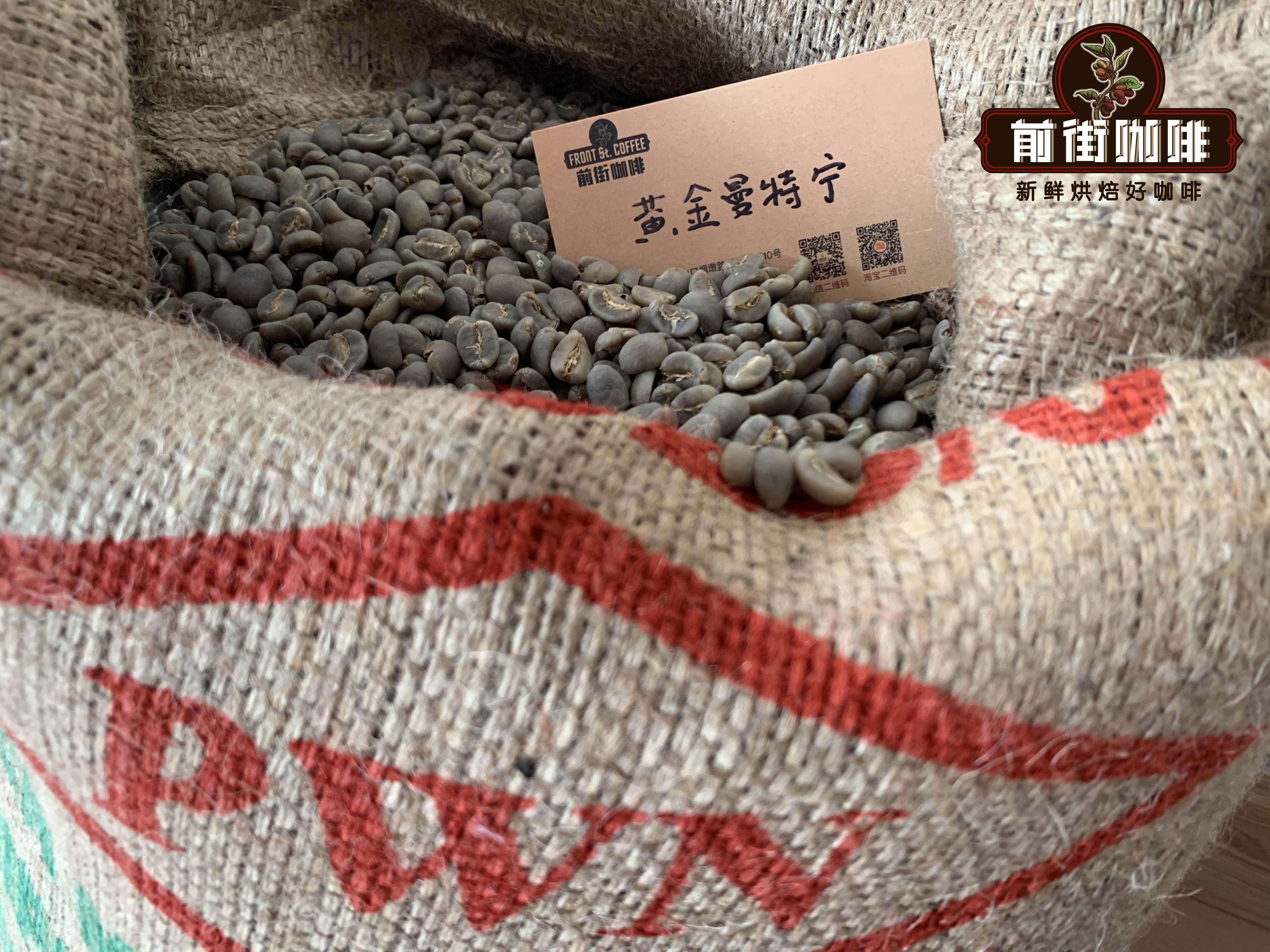
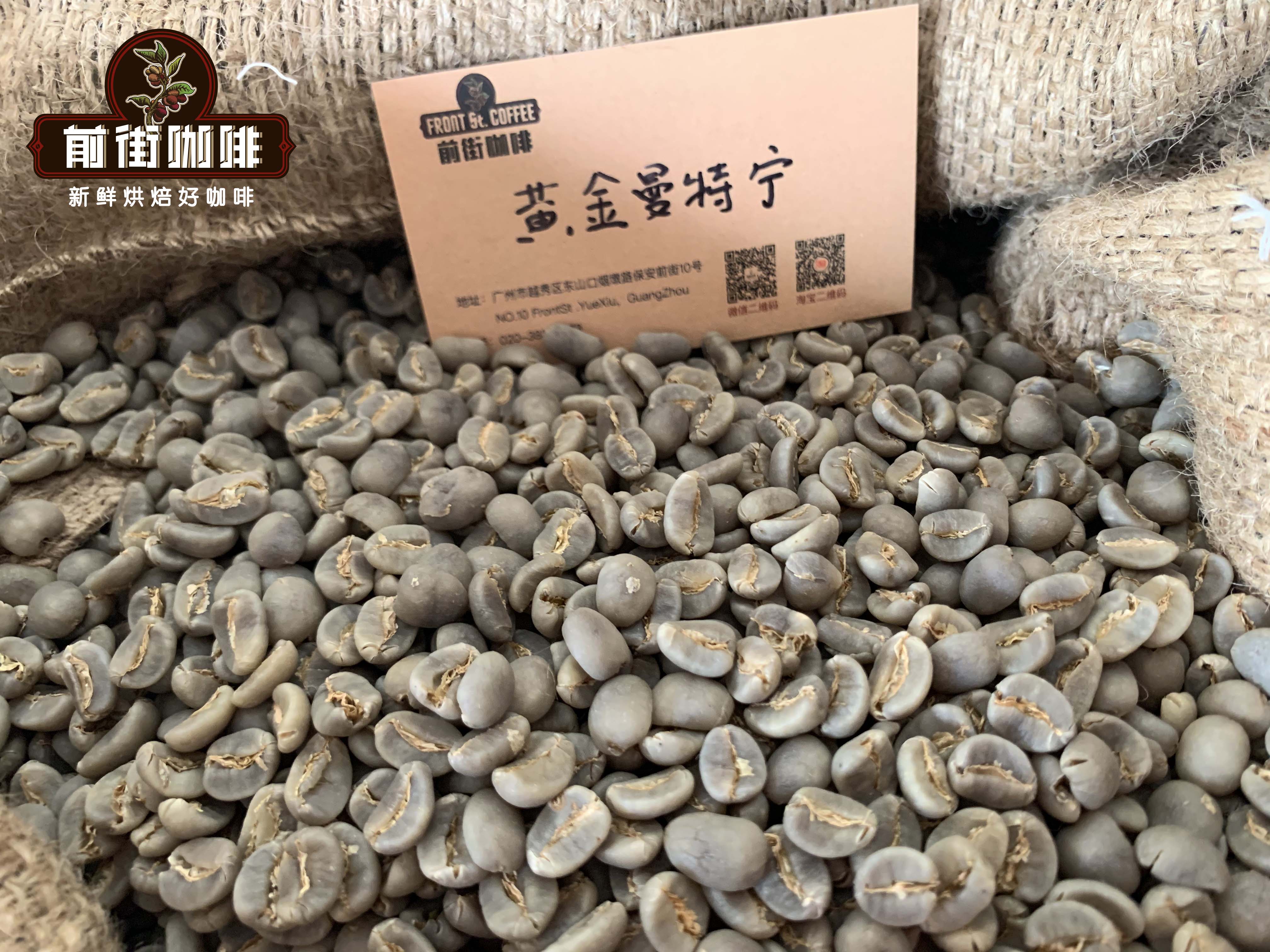
PWN Company's Golden Mandheling beans are selected from the Gayo Mountain region in Aceh Province, at the northern tip of Sumatra. The variety is Ateng, the name Catimor took on when it was introduced to Aceh—an abbreviation of "central Aceh."

Indonesia's Complex Green Bean Grading Standards
That complex variety system has produced equally intricate grading standards, based primarily on defect count, with bean size as a secondary factor.
By defect rate, coffee is divided into 6 levels, from G1 to G6.

Coffee Bean Size Indicators
Some higher-quality Indonesian coffees also state bean size—for instance, Golden Mandheling is marked as 17/18 mesh.
Number of Sorting Passes
Beyond the standards above, some premium Indonesian coffees also undergo manual sorting, shown on the label as Double Picked or Triple Picked. Because Indonesia relies heavily on the wet-hulled (giling basah) method, defective beans appear easily during processing, and the more sorting passes, the better the coffee.

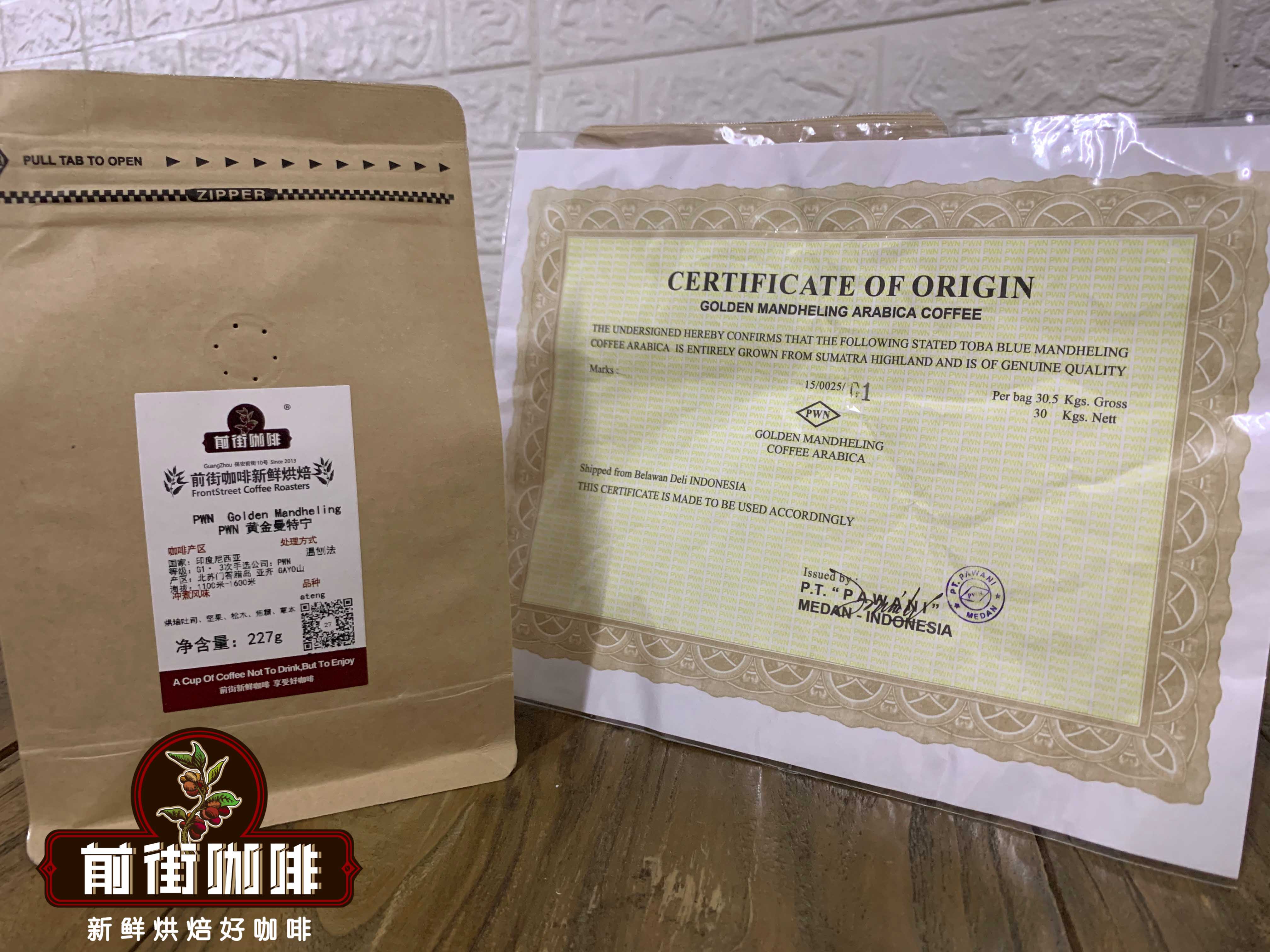
In December 2020, FrontStreet Coffee received a batch of Golden Mandheling from the new October harvest season. The bag carries the beans' basic information—let's read it together.
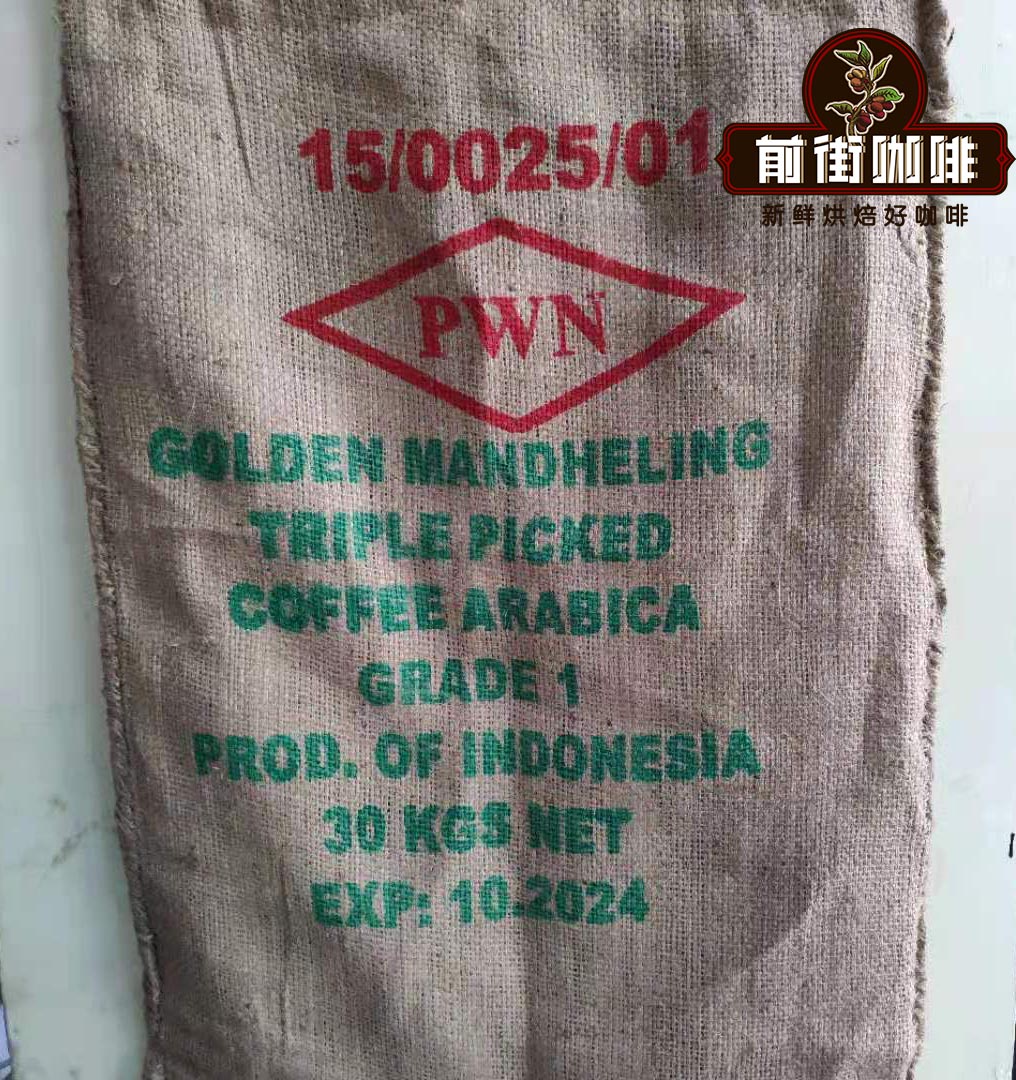
Understanding the Packaging Information
PWN: the logo of Pawani Company
GOLDEN MANDHELING: Golden Mandheling
TRIPLE PICKED: triple picked, reflecting its excellent quality
COFFEE ARABICA: Arabica coffee, indicating the variety. PWN once selected beans from the Lintong region (Typica), but in recent years, as Lintong farmers grafted their trees for yield and profit, quality declined sharply. The company now sources from the Gayo Mountains of Aceh, where the variety is Ateng.
GRADE 1: the top grade of Indonesia's green bean grading system, with total defects in the green beans fewer than 11.
PROD.OF INDONESIA: product of Indonesia
30 KGS NET: a net weight of 30 kilograms, sack included
EXP: 10.2024: expiration date October 2024, which also confirms this batch comes from the October 2020 harvest season.
FrontStreet Coffee Roasting Analysis
Golden Mandheling has fine herbal aromas, more intense caramel sweetness, and a relatively calm, elegant fruit acidity, with rich sweetness, a thick body, and wild spice flavors. Generally, Lintong Mandheling is best roasted past second crack to suppress its off-flavors, but Golden Mandheling already shows good clarity and sweetness before second crack, leaving the roaster broader room for interpretation.
Heat the drum to 200°C and load the beans, with the air damper set to 3. After 1 minute, reduce heat to 160°C, keeping the damper unchanged. At 5'40", when the temperature reaches 148°C, the bean surface turns yellow, the grassy aroma has completely disappeared, and dehydration is complete. Reduce heat to 140 and change the damper to 4.

At 9'40", deep wrinkles and dark spots appear on the bean surface and the toast aroma clearly shifts into coffee aroma—the prelude to first crack. Listen carefully for its onset: at 9'54", first crack begins. Reduce heat to 60, fully open the damper (be very careful with the heat adjustment—don't reduce it so far that the cracking sound stops), and discharge at 204.5°C.
FrontStreet Coffee Brewing Guide
This method highlights Golden Mandheling's rich, clean, aromatic character, brewed with a KONO dripper (invented to imitate flannel brewing and produce a thick cup). For this medium-dark roast, choose a medium-coarse grind (57% passes through a standard #20 sieve). Use a 1:13 coffee-to-water ratio with 20 grams of coffee—a tighter ratio makes the cup more concentrated. Water temperature: 87°C.
Brewing process: Pour the water slowly, keeping the surface of the bed as level as possible, and avoid shaking the dripper (shaking packs the grounds closer together, which hinders blooming and degassing). For the first stage, pour 40g of water in small circles at the center for a 30-second bloom; the bed will slowly expand into a "hamburger" shape.
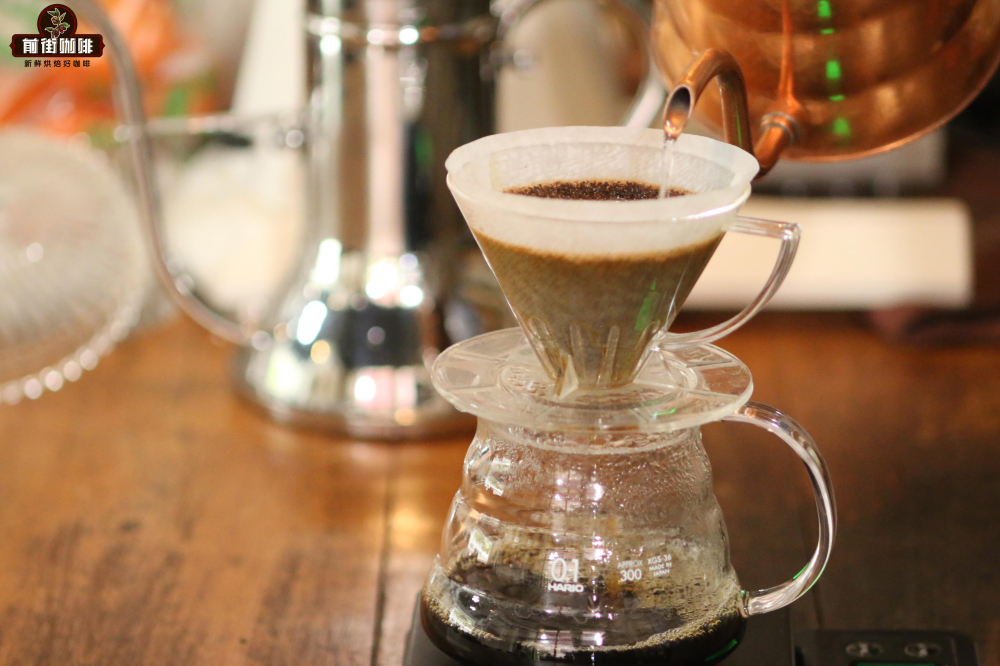
For the second stage, pour 120g of water in circles from the center outward, keeping the pour height close to the bed and the movements slow to avoid over-stirring. For the final stage, pour 100g of water, and finish once all the coffee has flowed into the lower pot. Total extraction time: 2 minutes.
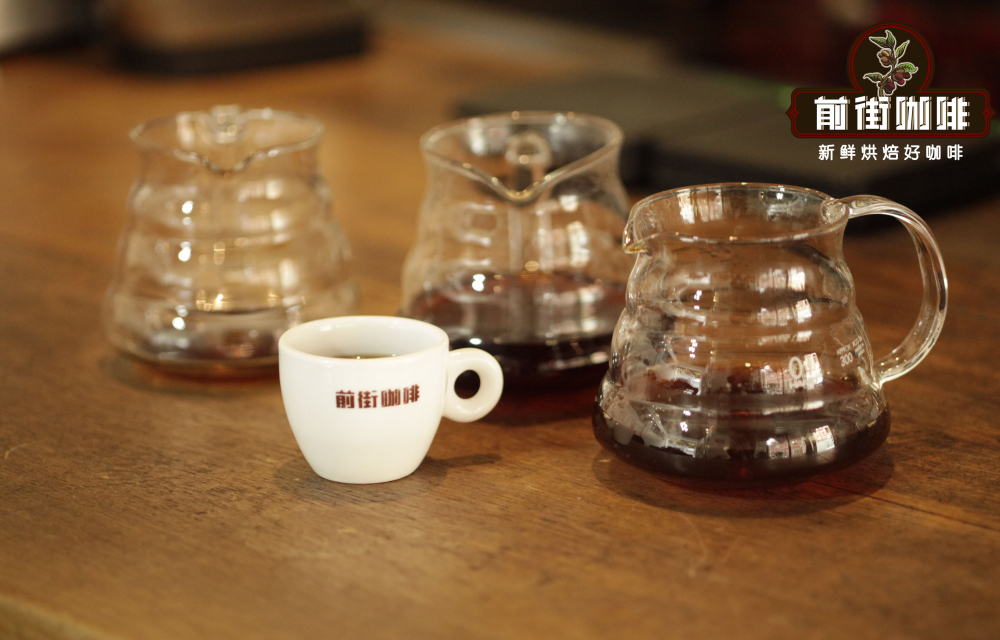
Golden Mandheling flavor description: nuts, chocolate, spices, herbs, caramel. Golden Mandheling tastes cleaner than Lintong Mandheling: the original herbal, earthy, and woody notes of Mandheling are almost gone, while the caramel sweetness is more intense and the fruit acidity comparatively bright and elegant.
FrontStreet Coffee Recommendation
Indonesia's story with coffee began at the end of the seventeenth century, when the Dutch planted seedlings on Java. The trees thrived and spread to Sumatra, and Java's industry boomed so thoroughly that "JAVA" became a byword for coffee itself. But in the early twentieth century a coffee leaf-rust epidemic devastated Java, and Indonesian cultivation shifted north to Sumatra.
Today Sumatra produces over 60% of Indonesia's Arabica and Robusta, with the high-altitude provinces of Aceh and North Sumatra specializing in Arabica—the beans the world calls Mandheling. The Aceh zone centers on the Gayo mountains near Lake Tawar, where the coffee shows a delicate aroma and bright mouthfeel; the traditional Mandheling zone lies around Lake Toba in Lintong, North Sumatra, where the wet-hulled method and local microbial fermentation create the signature Mandheling character: intense aroma, heavy body, powerful flavors.
Golden Mandheling is the finest expression of top-grade Mandheling, and PWN applies exacting standards: only beans 18-mesh and larger, fewer than 3 defective beans per 300-gram sample to meet the top G1 grade, and three rounds of hand sorting to remove every remaining defect—raising both cleanliness and sweetness. Genuine Golden Mandheling is supplied mainly to the Japanese and American markets, so authentic beans are scarce; FrontStreet's PWN Golden Mandheling comes with certificates and PWN-stamped bags as proof.
To brew Mandheling at its best, FrontStreet suggests water at 87-88°C, 15 grams of coffee at a 1:15 ratio, ground to coarse-sugar texture, in three stages: 30ml to wet the grounds and degas, 100ml to lift the golden crema and raise the bed, then a gentle center pour of 95ml to boost sweetness—yielding a thick, syrupy body with caramel sweetness and chocolate-and-nut flavors.
Important Notice :
FrontStreet Coffee is a long-established specialty coffee roaster in Guangzhou China, selling freshly roasted beans from its own farm in Yunnan as well as dozens of carefully selected single-origin beans from around the world for both pour-over and espresso. The products deliver consistently excellent quality and great value, with shipping within 24 hours. Guangzhou's FrontStreet Coffee shop is recommended by many coffee lovers, and the beans are now available online at the Tmall 。
FrontStreet Coffee has moved to a new address:
FrontStreet Coffee Address: 315,Donghua East Road,GuangZhou
Tel:020 38364473
 Scan and follow the En Gafei WeChat official account. Please indicate that the reprint comes from "En Gafei".