How to Choose the Right Grind Size When Brewing Blue Mountain Coffee with a Flannel Filter?
Brewing coffee through flannel filter cloth has always struck me as a cool way to work, so today FrontStreet Coffee is brewing a pot of its Blue Mountain coffee through flannel. That raises a practical question: with flannel, what grind size should you choose? Is it the same setting you would use for Blue Mountain in a Kono dripper?
Why flannel changes the cup
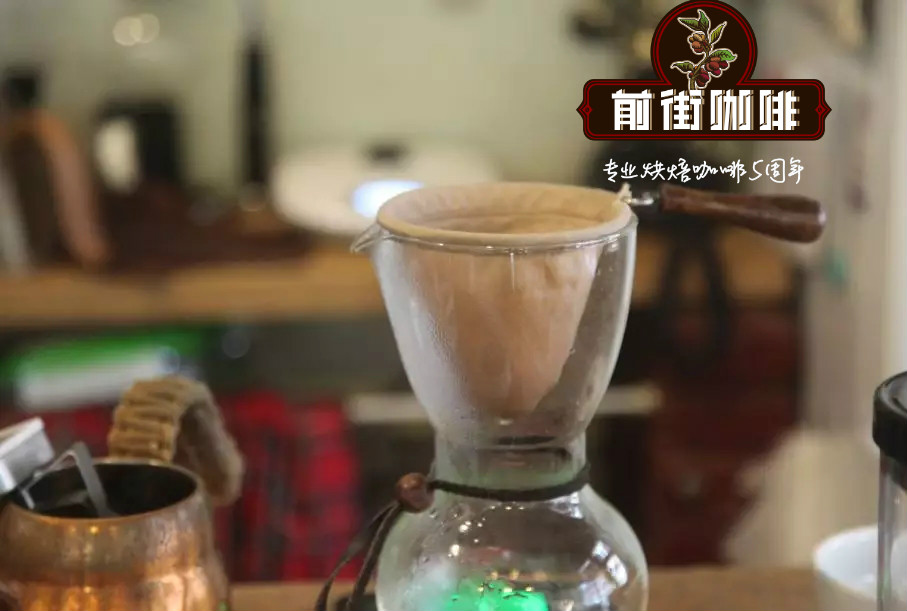
Flannel has larger capillary pores than filter paper, so it holds back some of the coffee's oils instead of filtering them out the way paper does. Coffee brewed through flannel therefore comes out richer and smoother than a paper-brewed cup, which suits a Blue Mountain that already carries plenty of flavor.
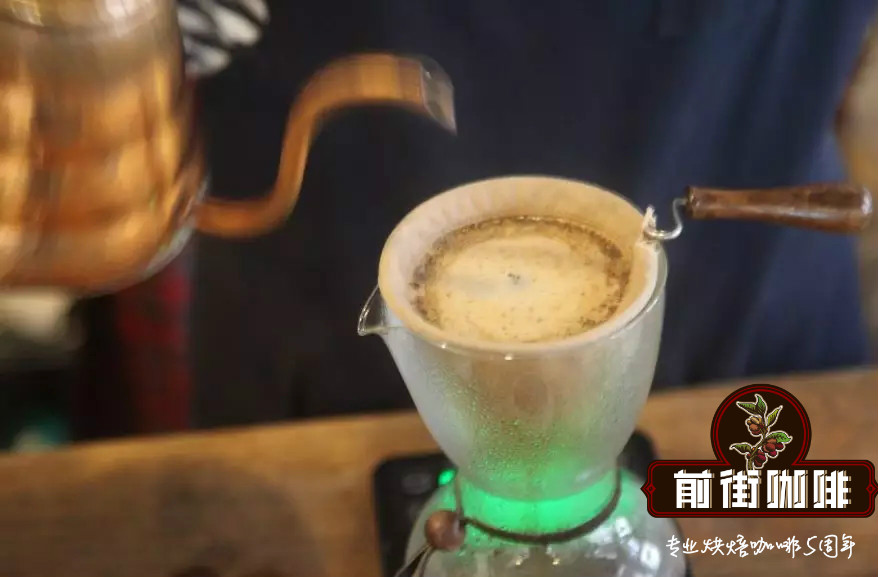
During brewing, nothing blocks the sides of the flannel, so water can flow out from every direction. The flow rate also differs between the two faces of the cloth — today the reverse side was used.
Bean information
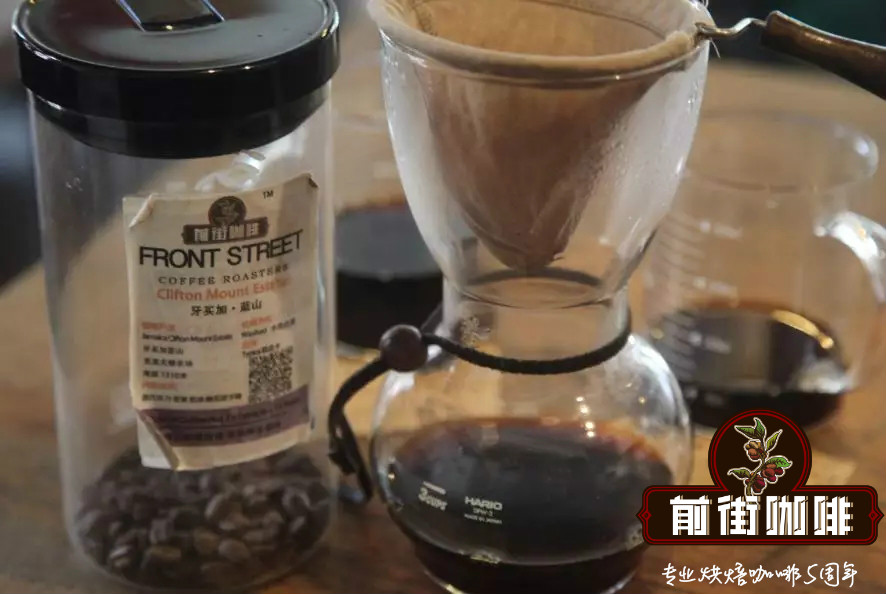
FrontStreet Coffee's Jamaica Blue Mountain
Region: Jamaica Blue Mountain
Estate: Clifton Mountain Farm
Altitude: 1,310 meters
Processing: washed
Variety: Typica
Roast level: medium-dark
Clifton Mountain Farm
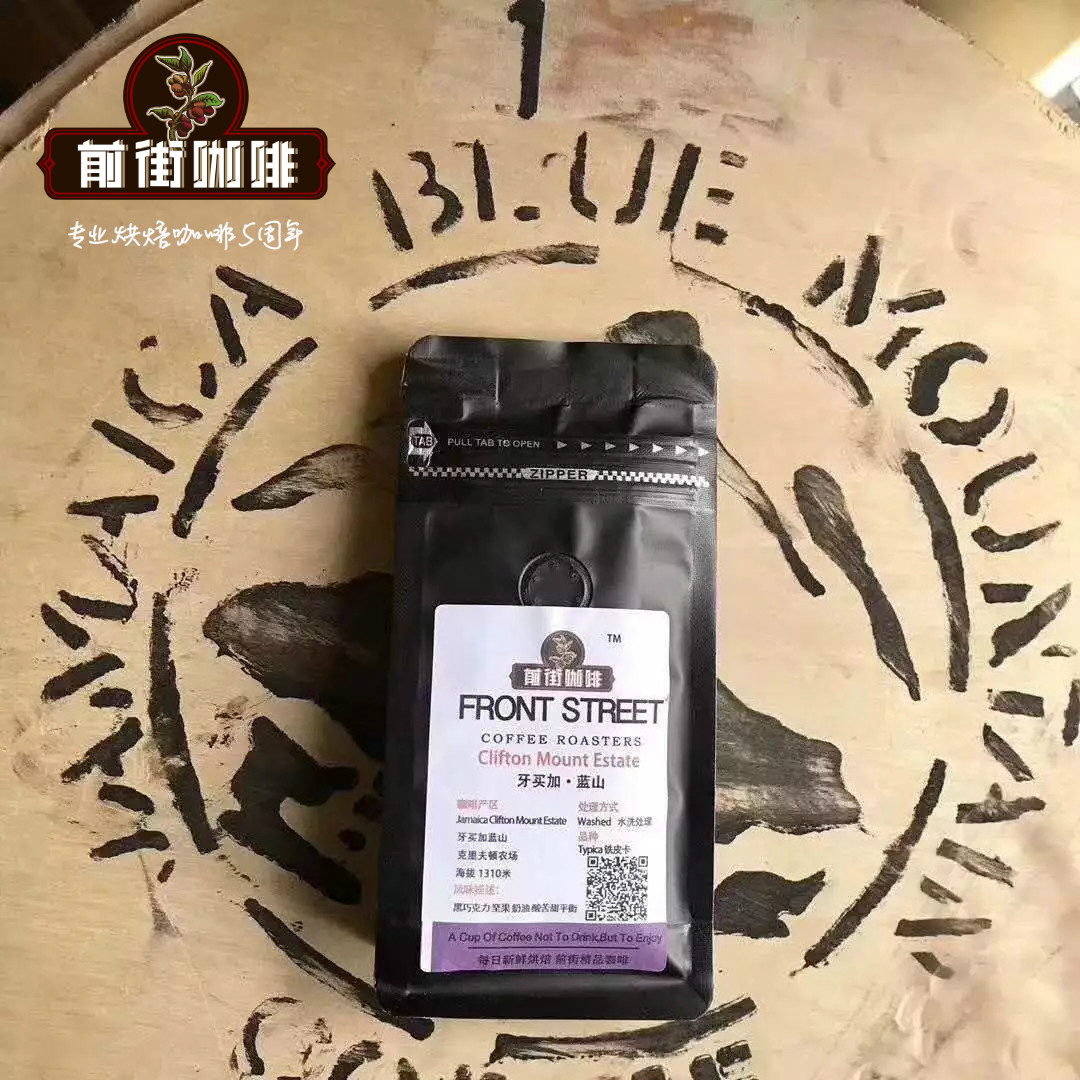
Clifton Mountain is the oldest coffee-producing area in Jamaica still operating normally, and in the whole country only Clifton Mountain Farm holds Rainforest Alliance certification. The Blue Mountain region is small — just 6,000 hectares of planted area — so it is impossible for every coffee labeled "Blue Mountain" to have been grown there.
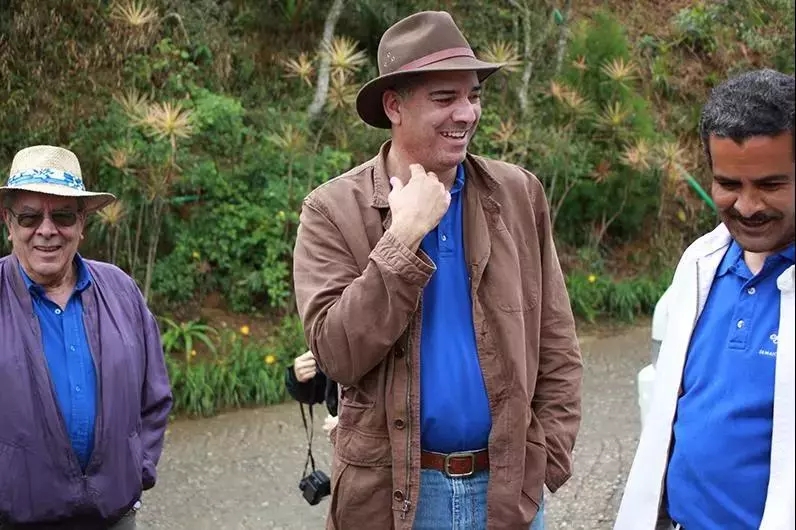
Clifton Mountain Farm is the largest estate in the region, yet by international standards it still counts as small-scale cultivation. Many of the growers are smallholders whose families have worked this land for two centuries. The area is recognized as an exceptionally high-quality, world-renowned Blue Mountain producing region.
The brewing test
FrontStreet Coffee compared two grinds: the setting commonly used for a V60, BG-5R (56% pass-through on China's standard #20 sieve), and the setting commonly used for a KONO, BG-6M (45% pass-through on China's standard #20 sieve). Only the grind changed; every other parameter and technique stayed the same.
Parameters: 20g dose, water at 85°C, a 1:13 coffee-to-water ratio, brewed with a single continuous pour — a 40g bloom for 25 seconds, then a steady pour to about 260g, removing the flannel once the water level drops and is about to expose the coffee bed.
BG-5R (56% pass-through on China's standard #20 sieve)
Timing from the bloom: 2'20"
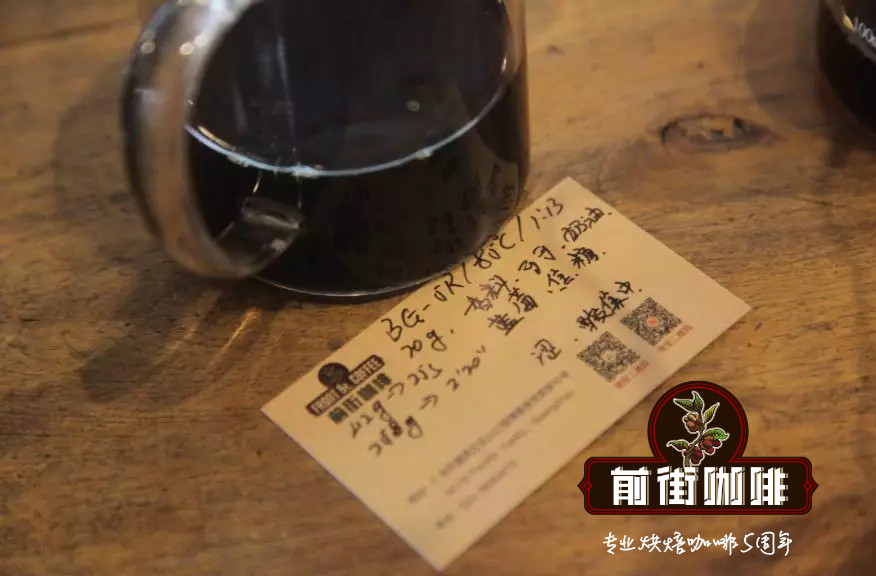
Flavor: cocoa and spice in the aroma, with cocoa, cream, blueberry, caramel, and cedar in the cup, but slightly astringent and with concentrated fruit acidity.
BG-6M (45% pass-through on China's standard #20 sieve)
Timing from the bloom: 2'17"
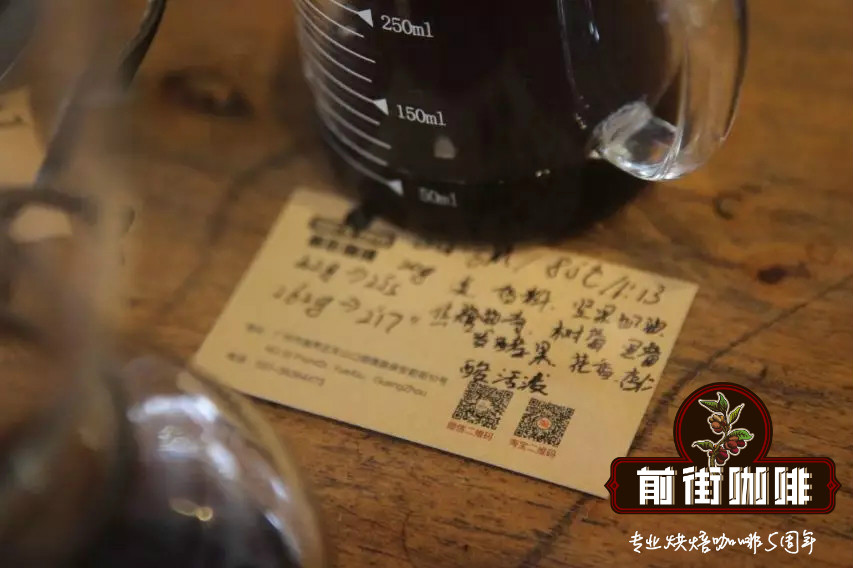
Flavor: spice, nuts, and cream in the aroma, with raspberry, blackberry, almond, and caramel in the cup, a light floral note, and fermented fruit in the finish — but the body is thin and somewhat weak.
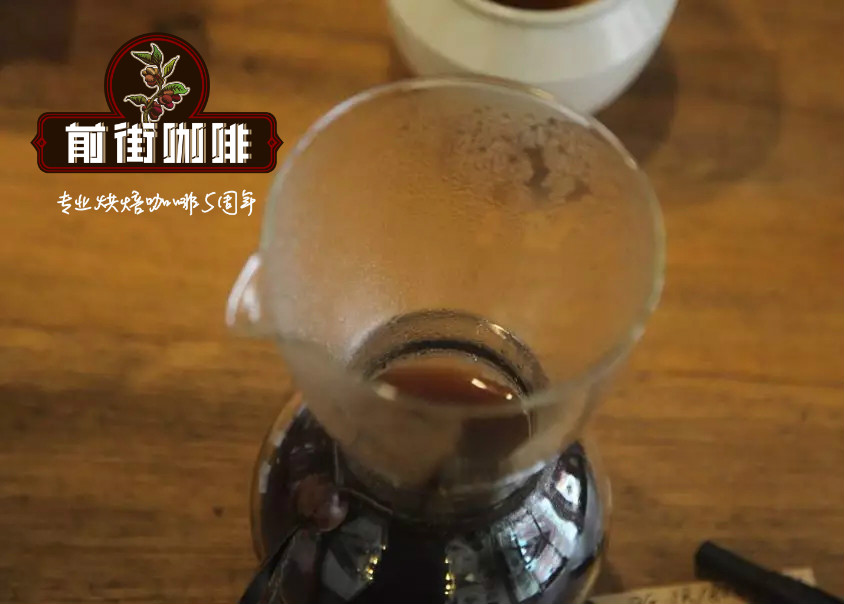
At BG-5R the Blue Mountain showed slight astringency. The finer grind and longer extraction left the coffee concentrated and a little over-extracted, drinking bitter and sour at once.
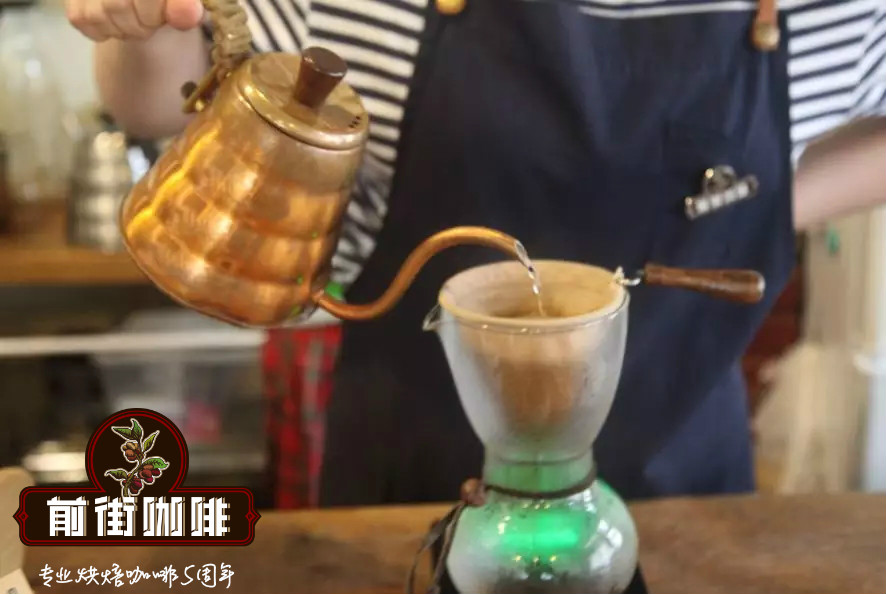
At BG-6M the cup was smooth but thin and weak overall. Wanting more body, the grind was tightened to BG-6A (64% pass-through on China's standard #20 sieve) with every other parameter and technique unchanged.
BG-6A (64% pass-through on China's standard #20 sieve)
Timing from the bloom: 2'15"
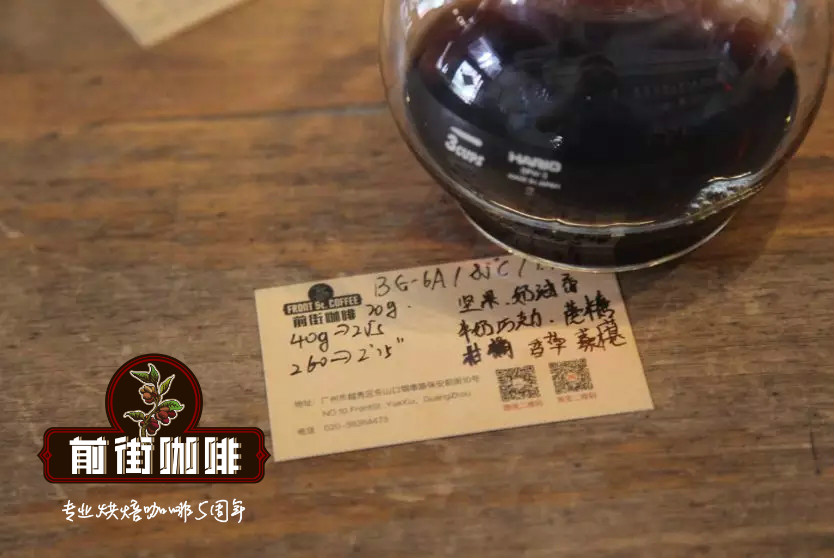
Flavor: nuts and cream in the aroma, with milk chocolate, sucrose, vanilla, citrus, mulberry, and cream in the cup — a relatively full body and good overall balance.
Conclusion
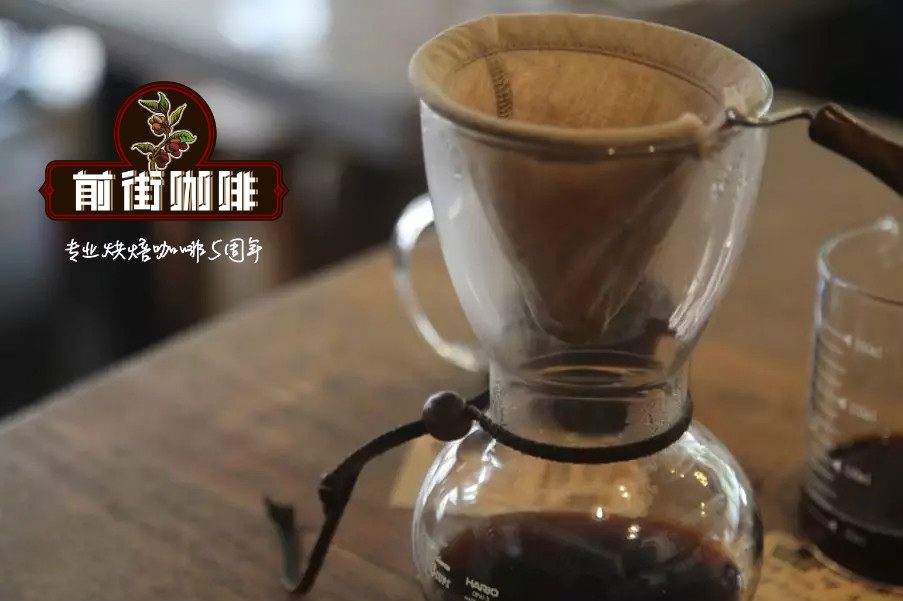
With flannel, the flow is fast while the water level is high, then slows as the level drops, because thick walls of grounds press against every side and ultrafine particles cling to the mesh. For a dark roast like Blue Mountain brewed with a single continuous pour, FrontStreet Coffee therefore suggests choosing a medium grind, which keeps fine particles and a slow flow from tipping the cup into over-extraction.
FrontStreet Coffee Recommendation
Blue Mountain's appeal is balance, and the flannel test above shows how much a single grind setting can shift that balance. Whatever brewer you settle on, the bean itself is what carries the cup — and at FrontStreet Coffee the reference point is FrontStreet Coffee Jamaica Blue Mountain No. 1, the top grade of the estate's production. It comes from the long-established Clifton Estate, where the growing and processing area sits at an average of 4,300 feet (1,310.64 meters); the altitude, the gentle afternoon cloud that shades the hillsides, the ample sunlight, and the mineral-rich soil give the trees ideal conditions and stretch out the ripening of the cherries.
FrontStreet roasts it medium-dark to bring out the classic Blue Mountain balance — creamy, caramel, chocolate, nutty, and honeyed, with a light fruity lean. In the cup it is clean, complex, and very gentle, with chocolate sweetness and strong body; the sweet, acid, and bitter notes sit in perfect proportion, almost no bitterness, just a moderate and well-judged acidity, and a long fruity finish. Each lot arrives in the estate's own barrels and carries the complete origin documentation, so the source can be traced — the barrels and papers are as much a part of authentic Blue Mountain as the coffee inside.
FrontStreet Coffee recommends a Kono dripper to play up the body: 15g of coffee rested 4-7 days from the roast date, ground coarser than you would a light roast, about the texture of white sugar. Use water at 87-88°C — many bitter, scorched cups come from water that is simply too hot, though water that is too cool leaves the coffee flat — and a 1:15 ratio. Pour in three stages: a 30g bloom for 30 seconds, then a second pour to 120g using a vertical, slow, small circle, then a third pour to 225g with a slightly faster stream and circle to keep fines from clogging the filter. If you prefer a denser cup, a moka pot works just as well: grind a touch finer than for pour-over, start with hot water in the base, heat over medium-low, and pull it off the flame just as the coffee finishes flowing; it will push the chocolate, caramel, and nut notes forward and stand up beautifully in a latte or flat white.
Important Notice :
FrontStreet Coffee is a long-established specialty coffee roaster in Guangzhou China, selling freshly roasted beans from its own farm in Yunnan as well as dozens of carefully selected single-origin beans from around the world for both pour-over and espresso. The products deliver consistently excellent quality and great value, with shipping within 24 hours. Guangzhou's FrontStreet Coffee shop is recommended by many coffee lovers, and the beans are now available online at the Tmall 。
FrontStreet Coffee has moved to a new address:
FrontStreet Coffee Address: 315,Donghua East Road,GuangZhou
Tel:020 38364473
 Scan and follow the En Gafei WeChat official account. Please indicate that the reprint comes from "En Gafei".