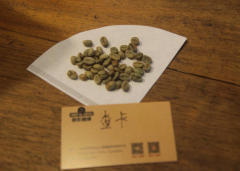
Flavor Characteristics of Peruvian Coffee Beans and Growing Conditions in Coffee Producing Regions
FrontStreet Coffee - Flavor Characteristics of Peruvian Coffee Beans and Growing Conditions in Peruvian Coffee Regions
Peruvian coffee is renowned for its organic varieties. Peru (Spanish: Perú; Quechua and Aymara: Piruw), officially the Republic of Peru (Spanish: República del Perú), is a country located in western South America.
FrontStreet Coffee's Peruvian Coffee Flavor Characteristics
High-quality balance with pleasing acidity, making it well suited for use in coffee blends.
Peru's Coffee Growing Advantages
Peru is a country abundantly suited to coffee production - though only 10% of its Arabica coffee can be considered specialty coffee. The high-altitude plateau climate, along with suitable temperatures, air, sunlight, and fertile soil, provides unique geographical advantages that extend the growth period of the beans, creating perfect conditions for cultivating delicious, aromatic Arabica coffee.
Organic Coffee Leadership
Peru is also the world's second-largest producer of organic coffee. Mineral-rich organic soil, combined with small-scale farming models, a commitment to natural rather than chemical fertilizers, and manual harvesting and sorting, have steadily enhanced the quality of Peruvian organic coffee.
Shade-Grown Cultivation Methods
As a delicate organic crop, coffee naturally thrives when grown under shade, which slows growth, reduces irrigation needs, and prevents soil erosion. In Peru, farmers use shade-grown cultivation, allowing coffee to return to its natural ecosystem while providing habitat for insects and birds.
Sustainable Farming Practices
Peru's smallholder farmers understand the importance of sustainable cultivation better than anyone. As a result, Peruvian coffee has earned multiple sustainability certifications, protecting healthy rainforests, the ecosystems of flora and fauna, rivers, and land. It is fair to say that while ensuring excellent flavor, Peruvian coffee also represents health, sustainability, and environmental friendliness.
Peru's Coffee Production Scale
Peru is also a major coffee producer. Up to 98% of Peruvian coffee is grown in forested areas, with most producers being smallholder farmers.
Economic and Political Factors
Peru has favorable economic conditions and a stable political situation, which together safeguard the quality of its coffee. However, the country has faced many hardships. In addition to guerrilla warfare and drug trafficking, a cholera outbreak that appeared in coastal areas in the mid-1990s further caused economic depression. Moreover, the annual inflation rate once reached 7,000%.
Production Growth and Market Development
In the mid-1970s, Peru's annual coffee production was about 900,000 bags, which later steadily increased to about 1.3 million bags per year. Although private exporters purchase coffee from remote areas through intermediaries, the main market was long monopolized by the government. Later, the private Peruvian Coffee Exporters Association (Camara de Exportadores de Cafe del Peru) was established. The association is committed to improving coffee quality, with its primary task being to establish standards and eliminate inferior products, thereby fostering a quality-first atmosphere.
Premium Coffee Growing Regions
The highest-quality Peruvian coffee comes from Chanchamayo, Cuzco, Norte, and Puno. Most Peruvian coffee is grown under natural conditions, but it is difficult to confirm the growing conditions of every coffee tree. Coffee grown under natural conditions is priced 10%-20% higher than the rest. Given widespread poverty, farmers most likely cannot afford chemical fertilizers and pesticides - but verifying this for every lot is indeed challenging.
Quality Characteristics of Peruvian Coffee Beans
Peruvian coffee beans, particularly those from the central Chanchamayo region and the southern Cusco region, are the most famous. Additionally, some areas of northern Peru produce distinctive organic coffee. Organic coffee uses beans grown under tree shade. Although shade-growing results in lower yields, the quality can reach premium levels - the shade slows the maturation of the coffee trees, helping the coffee fully develop, contain more natural compounds, cultivate superior flavors, and reduce caffeine content.
FrontStreet Coffee Recommendation
With its balanced body and gentle acidity, Peruvian-style coffee shines in blends - and FrontStreet Coffee's lineup of five house espresso blends makes the most of it. The Signature Blend (washed Colombia + pulped natural Brazil) offers nuts, dark chocolate, and caramel with a comfortable bittersweetness; FrontStreet Coffee's Black Cocoa Blend pairs washed Yunnan arabica with Brazil for cocoa-cookie aromatics and golden crema; and the Classic Blend - a medium-dark, three-origin recipe inspired by the classic "Mandheling-Brazil" pairing plus a touch of Robusta - produces thick golden crema, ideal for beginners learning latte art. All FrontStreet Coffee beans ship within 5 days of roasting.
Important Notice :
FrontStreet Coffee is a long-established specialty coffee roaster in Guangzhou China, selling freshly roasted beans from its own farm in Yunnan as well as dozens of carefully selected single-origin beans from around the world for both pour-over and espresso. The products deliver consistently excellent quality and great value, with shipping within 24 hours. Guangzhou's FrontStreet Coffee shop is recommended by many coffee lovers, and the beans are now available online at the Tmall 。
FrontStreet Coffee has moved to a new address:
FrontStreet Coffee Address: 315,Donghua East Road,GuangZhou
Tel:020 38364473
 Scan and follow the En Gafei WeChat official account. Please indicate that the reprint comes from "En Gafei".