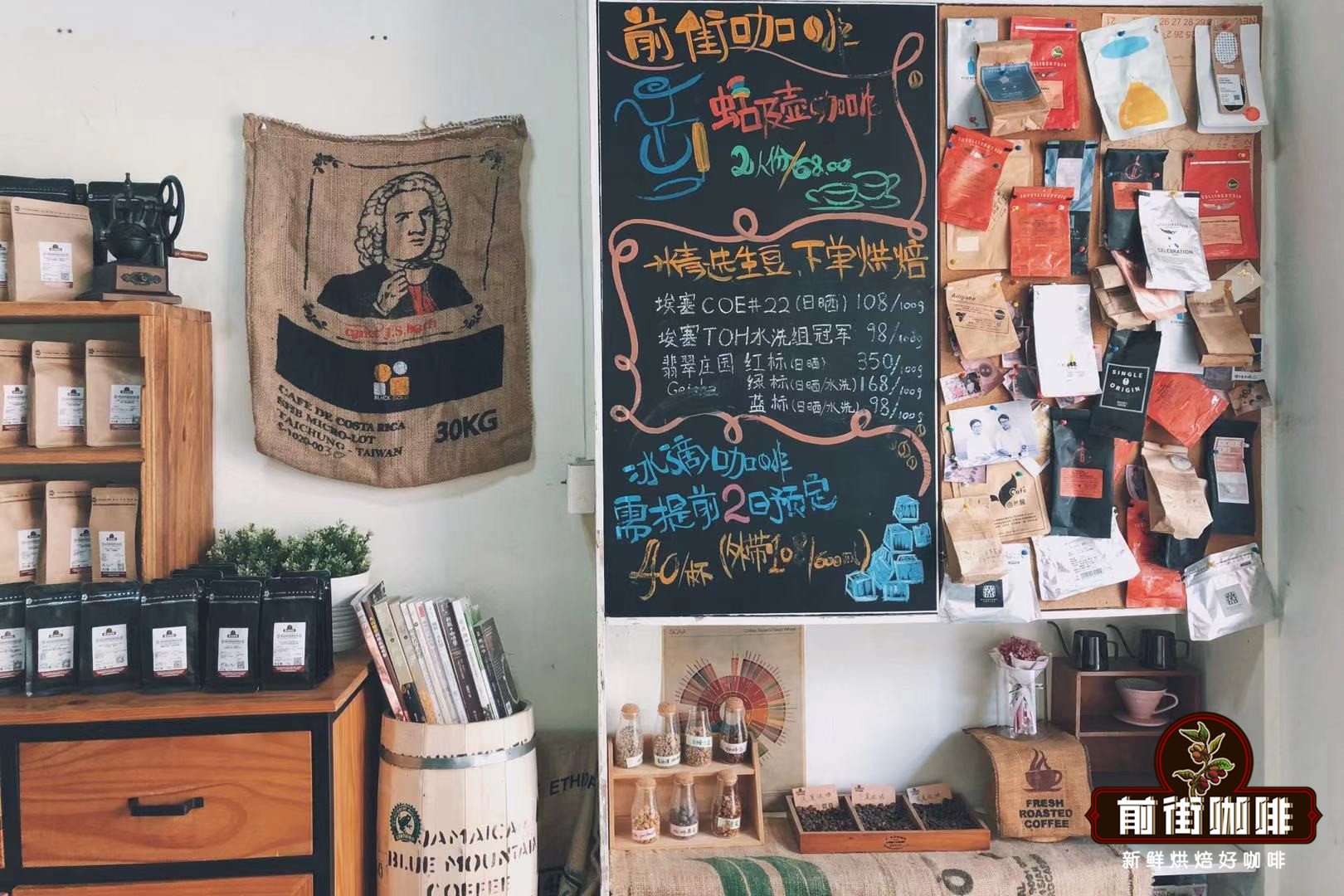
The Taste Difference Between Cold Brew and Iced Drip Coffee: Which is Better?

The Rise of Cold Brew and Ice Drip Coffee
In recent years cold brew coffee and ice drip coffee have won enormous popularity among coffee drinkers. In summer especially, these cold extractions often become the king of kings among iced coffees in cafés. That is partly because of a unique texture that iced pour-over or iced Americano cannot replicate, and partly because their long preparation time means many shops offer only a limited daily quantity. Long as the production takes, making these two coffees is not difficult. In this article FrontStreet Coffee will show you how to make ice drip and cold brew coffee at home.
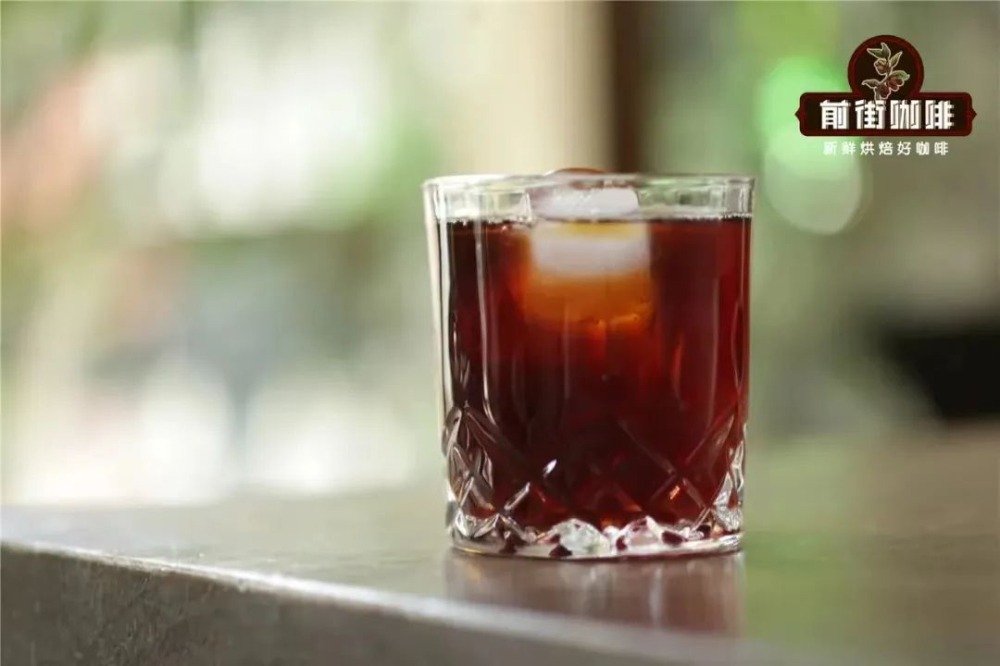
Different Extraction Principles
Although both are iced coffees, their extraction principles differ entirely from pour-over or Americano. Pour-over and Americano typically use hot water to extract soluble substances from the grounds quickly. That method has an unfriendly drawback: it tends to draw out bitterness. If water temperature, pouring rate, or grind size are not properly controlled and extraction runs long, the coffee tastes less balanced and clean.
Cold extraction solves this neatly, because the compounds that cause bitterness are hard to release at low temperatures, so mainly the sweet and acidic substances come through. The drawback is that without heat to drive the movement of water molecules, extraction often takes 6-12 hours. Waiting for a single cup is a real test of patience.
Cold Brew vs. Ice Drip Coffee
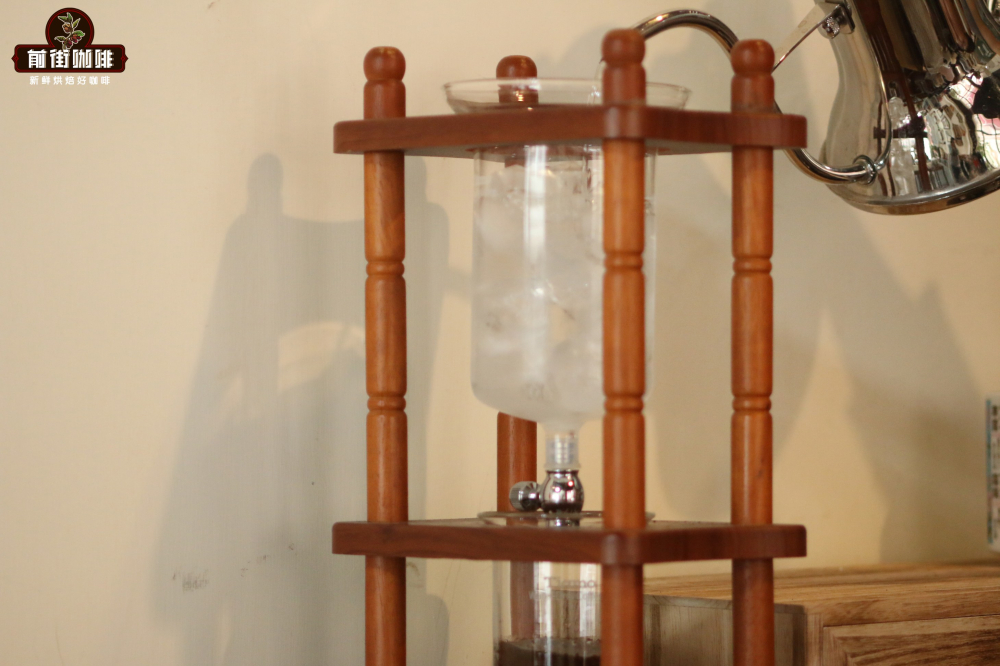
Good food often takes time to "cook," though, so the wait is worth it. Why are cold brew and ice drip classed as two types when both use cold extraction? Because the former extracts flavor through immersion and needs only a clean, sealable container, while the latter extracts through dripping and requires a dedicated ice drip coffee tower.
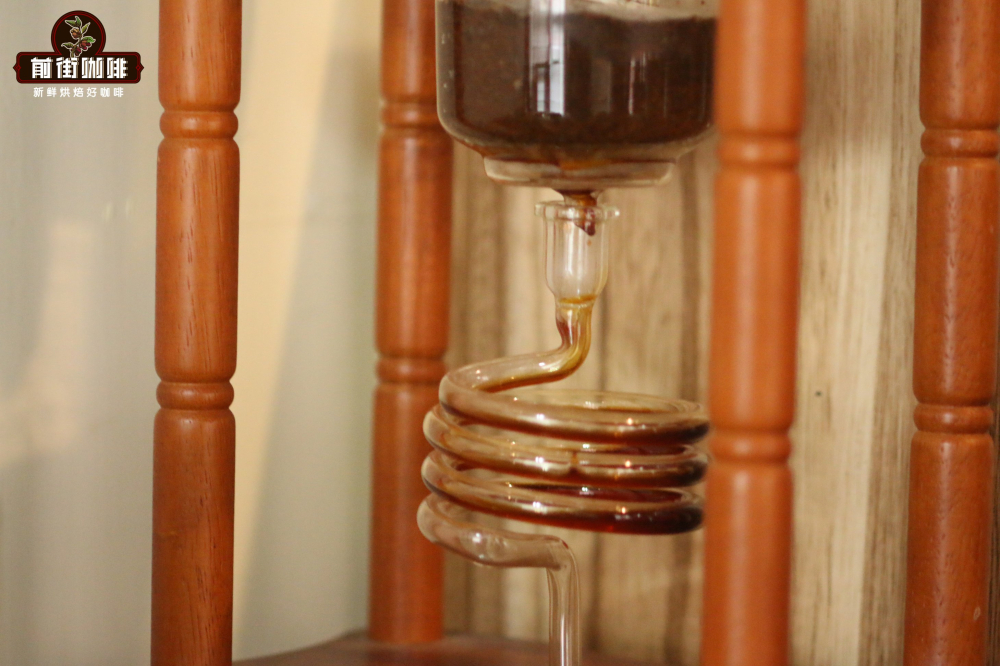
Ice drip coffee uses an ice-water mixture below 5°C. As the ice melts naturally, a valve controls the speed at which ice water drips onto the coffee grounds. The cold water slowly dissolves coffee flavors as it passes through the bed, extracting drop by drop. Complete extraction takes about 6-8 hours. For better flavor it then needs 8-12 hours of refrigeration.
Cold brew coffee follows the same principle as cold-brewed tea. The process is to grind the beans, add cold water, and steep in a low-temperature environment for at least 12 hours. Before drinking, simply filter out the grounds. Because it is an immersion extraction, no additional refrigeration is needed after filtering.
Both cold extractions have their own character. Ice drip offers richer flavor with more delicate layers, while cold brew has a fuller body. Each has its appeal. So if you want less fuss at home, try cold brew; if conditions allow, buy an ice drip tower and make ice drip coffee.
How to Make Cold Brew Coffee
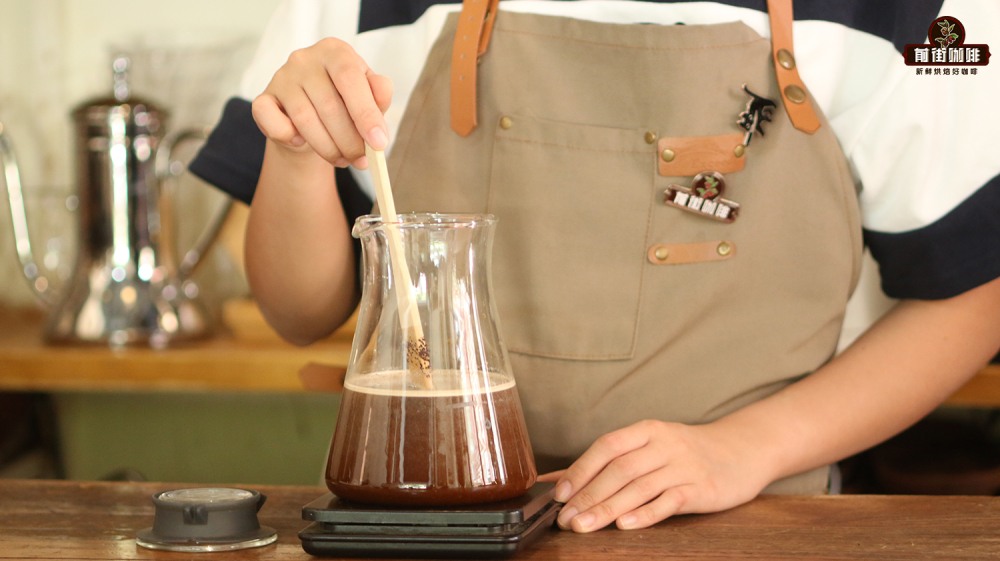
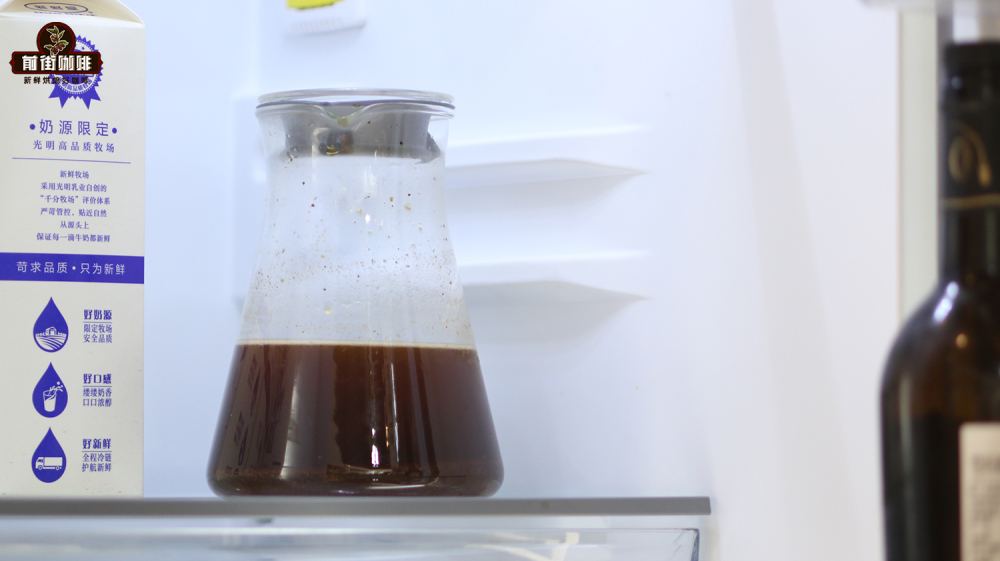
FrontStreet Coffee recommends a 1:13 coffee-to-water ratio for cold brew. Grind the coffee to the consistency of coarse sugar, add ice water at 1g coffee to 13g water, and stir so all the grounds are immersed. Seal the container and refrigerate for 8-12 hours. Then filter out the grounds and it is ready to drink.
How to Make Ice Drip Coffee
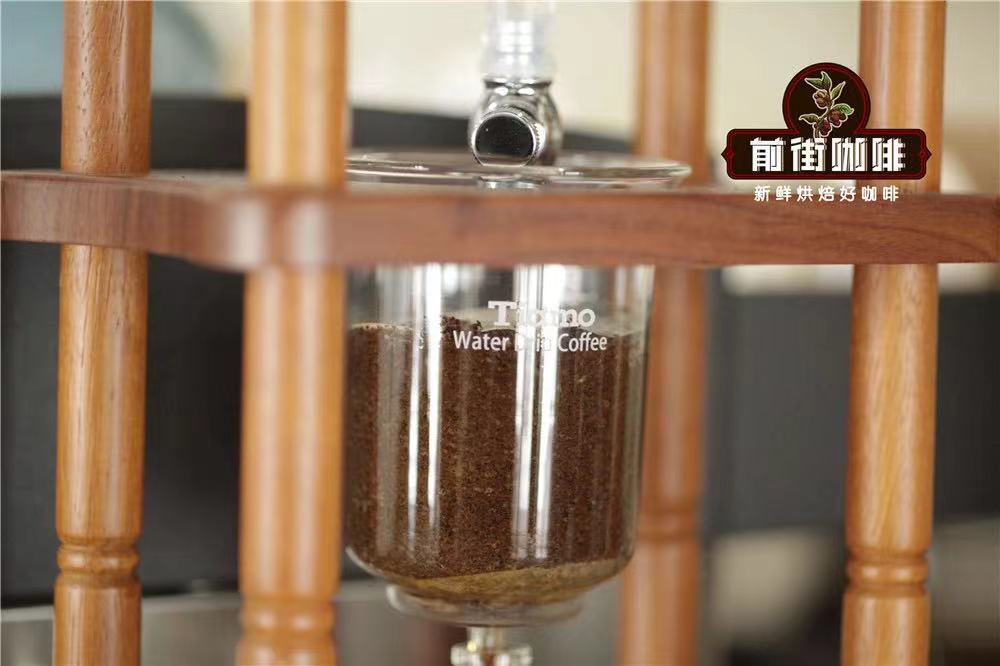
FrontStreet Coffee also recommends a 1:13 ratio here, but it is a coffee-to-liquid ratio, meaning 1g of coffee should yield 10g of coffee liquid. After grinding the coffee to the consistency of coarse sugar, place it in the grounds container of the ice drip tower, level the surface, and lay an appropriately sized circular filter paper on top so water drops distribute evenly across the bed rather than gathering in the center.
Next, prepare an ice-water mixture in the upper chamber at a 1:1 ratio. If the drip speed is adjustable, set it to 7 drops every 10 seconds. Once the right proportion of coffee liquid has dripped through, transfer it to a clean, oil-free, sealable container for 8-12 hours of refrigeration before tasting.
Why Does Ice Drip Coffee Need Refrigeration?
Rather than calling this step fermentation, it is better described as oxidation. Freshly roasted coffee beans contain roughly 2% carbon dioxide by weight. This large amount of gas is released according to the storage environment, the equipment, or the method, causing pressure in the packaging to exceed atmospheric pressure. That pressure helps aromatic substances and oils fuse, putting all the aromatics inside the beans into a state that is easily extracted.
FrontStreet Coffee Recommendation
FrontStreet Strawberry Candy Geisha Blend — Cold extraction rewards bright, fruit-forward beans. This blend combines Gesha with Costa Rican honey-processed coffee, one contributing delicate rose and orange notes and the other a sweet, candy-like grape, raisin, and strawberry character. Made as cold brew it is sweet-tart and lively, and with a little resting time it takes on a fruit-wine quality.
FrontStreet Ethiopia Huakui Natural — If you want a floral cold brew, Huakui is the pick. Cold extraction intensifies floral and fruity notes while muting woody and roasted tones, so a light-to-medium roast is ideal. Coming from Ethiopia with a natural process, the beans take up abundant sweet aromatics from the fruit and skin, and as cold brew they show magnolia, creamy strawberry, dried mango, guava, and black tea.
FrontStreet Kenya Small Tomato — For a juice-like cold brew, this is the first choice. Its cherry tomato, snow pear, black plum, and smoked plum sweet-tart profile comes through fully at low temperature, with low bitterness and full acidity, especially refreshing over ice. Grown in Kenya's Sika region from the SL28 and SL34 varieties and processed with the local K72 double-wash, it carries complex berry aromas that a medium-light roast translates into vivid fruit.
Important Notice :
FrontStreet Coffee is a long-established specialty coffee roaster in Guangzhou China, selling freshly roasted beans from its own farm in Yunnan as well as dozens of carefully selected single-origin beans from around the world for both pour-over and espresso. The products deliver consistently excellent quality and great value, with shipping within 24 hours. Guangzhou's FrontStreet Coffee shop is recommended by many coffee lovers, and the beans are now available online at the Tmall 。
FrontStreet Coffee has moved to a new address:
FrontStreet Coffee Address: 315,Donghua East Road,GuangZhou
Tel:020 38364473
 Scan and follow the En Gafei WeChat official account. Please indicate that the reprint comes from "En Gafei".