The Impact of Water Quality on Coffee: Which Factors in Water Affect Coffee Extraction Experiments
FrontStreet Coffee's Scientific Explanation: The Impact of Water TDS on Coffee Extraction
Time for another FrontStreet Coffee science session, this time on how water TDS affects coffee extraction. Does it sound a bit mysterious? Should brewing a cup of coffee really require some chemistry? It should — and that's precisely why coffee is considered a rabbit hole, because there is more than one thing to fall into.
Minerals in Hard Water: How Water Quality Affects Coffee
In water science, water is never just H2O. Drinking water is a complex mixture of dissolved minerals — sodium, potassium, magnesium, calcium, chloride, and other ions. The beans themselves account for more than 80% of a cup's flavor (it is coffee, after all), but the remaining 20% matters enormously.
Our research shows that water quality produces significant differences in coffee flavor. Water doesn't just passively hold coffee's phenolic compounds, organic acids, and other solubles; it actively participates in the chemical and physical changes of extraction, which in turn shape aroma, flavor, and body.
Admittedly, source control and full water-quality management are beyond what most shops or home enthusiasts can manage. But today, with a bit of science and effort, these factors can be mastered — and that is what the new wave of coffee is all about. Perfect beans deserve suitable water, and merely good beans need water that unlocks their full potential.
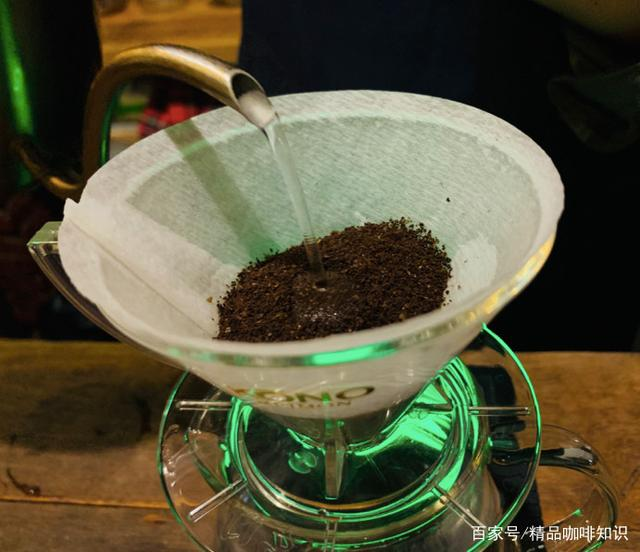
Consider the chain: green beans (origin) → roasting (craft) → extraction. In an era when great green coffee and fine roasting are readily available, the variable we can still choose is the water. Just as people develop according to their aptitude, so do beans: different flavor profiles call for different water. Total hardness of 20–300 ppm, differences in ion concentration (the amounts of potassium, magnesium, sodium, and so on), and the carbonate and sulfate fractions are all variables.
For light and medium roasts, light-roasted beans do best with slightly lower water hardness of 60–250 ppm.
Medium and dark roasts need higher hardness, 100–300 ppm, for better extraction efficiency and mouthfeel.
Water quality — hardness and mineral content — varies by region, which is one reason coffee can taste regionally distinctive. Correcting these differences scientifically and extracting each bean with the right water is the most perfect, least wasteful way to honor good coffee.
Water temperature is another factor. Higher water temperatures extract more flavor compounds from the grounds; lower temperatures extract fewer.
So beyond temperature, water quality directly shapes both the taste of the coffee and the efficiency of extraction.
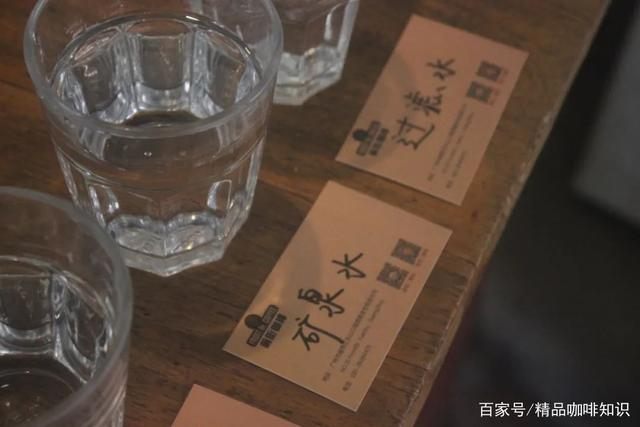
Experimental Design
We measured the TDS of three different waters, brewed the same coffee with each, and tasted the results by slurping with a cupping spoon.
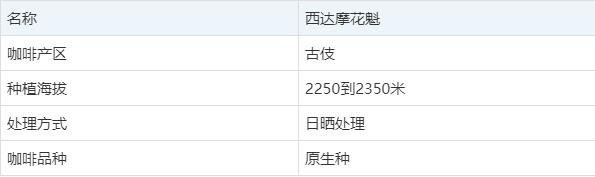
The experiment used FrontStreet Coffee's Flower Queen beans for demonstration. The bean information is as follows:
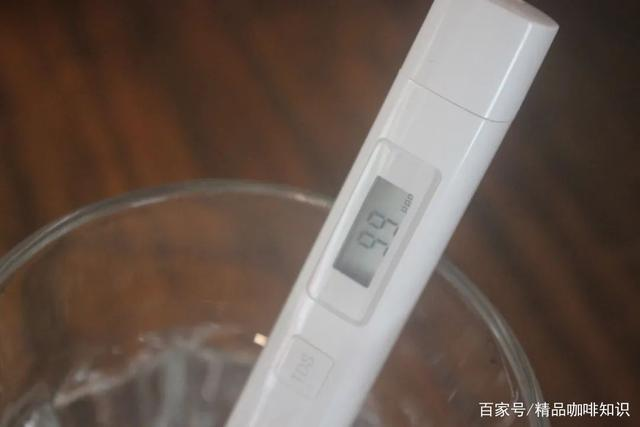
Water Quality Test Results

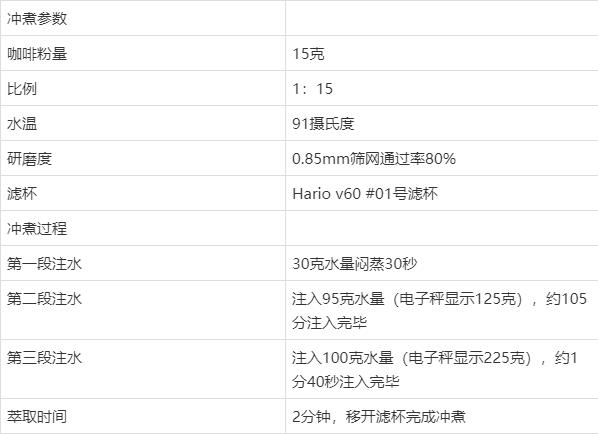
Experimental Results
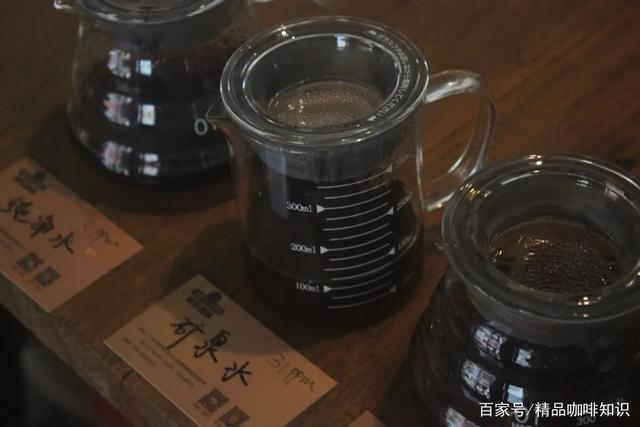

Water quality directly affects a coffee's taste, aroma, body, and consistency alike. The key lies in the mineral composition: ions such as calcium, magnesium, sodium, and potassium govern how effectively flavor compounds are drawn out of the grounds, and therefore how the coffee tastes in the cup.
FrontStreet Coffee Recommendation
If experimenting with water quality, start with a bean whose brightness rewards good water. FrontStreet Coffee's Natural Process Flower Queen from Ethiopia is a favorite — its striking tropical fruit aromatics of strawberry, passion fruit, jackfruit, and lychee, obvious sweetness, and juice-like body make it "the least coffee-like coffee," and it responds beautifully to softer, lower-hardness water. For a classic washed profile with soft, bright acidity, our Yirgacheffe Guodingding delivers citrus, berries, and florals with a green-tea-like finish — an easy, forgiving cup that shows exactly how much water can change a coffee.
Important Notice :
FrontStreet Coffee is a long-established specialty coffee roaster in Guangzhou China, selling freshly roasted beans from its own farm in Yunnan as well as dozens of carefully selected single-origin beans from around the world for both pour-over and espresso. The products deliver consistently excellent quality and great value, with shipping within 24 hours. Guangzhou's FrontStreet Coffee shop is recommended by many coffee lovers, and the beans are now available online at the Tmall 。
FrontStreet Coffee has moved to a new address:
FrontStreet Coffee Address: 315,Donghua East Road,GuangZhou
Tel:020 38364473
 Scan and follow the En Gafei WeChat official account. Please indicate that the reprint comes from "En Gafei".