Classification of Costa Rican Coffee Bean Varieties & Introduction to Coffee Growing Regions
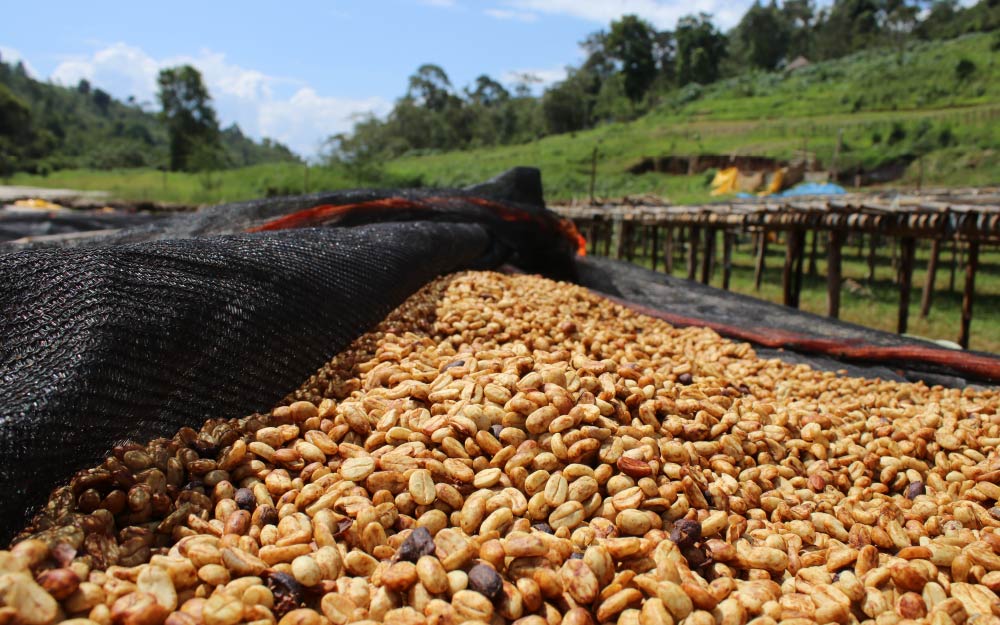
Coffee lovers who enjoy honey-processed coffee must have heard of Costa Rica, a country that has been continuously producing high-quality, high-scoring coffee beans in recent years, catching everyone's attention. Below, FrontStreet Coffee will introduce the characteristics of coffee from Costa Rica's growing regions.
Costa Rica's Coffee Growing Regions
Costa Rica is located in Central America, connected to Panama where Geisha became famous. It is influenced by Pacific and Atlantic ocean currents and monsoons, creating an excellent microclimate. Combined with various topographical features, it has become a perfect region for coffee to thrive. Although Costa Rica's coffee production volume doesn't rank high, the country's multiple volcanoes provide very fertile mineral soil with excellent drainage, allowing crops grown here to receive abundant rainfall and nutrients and naturally produce higher-quality fruit.
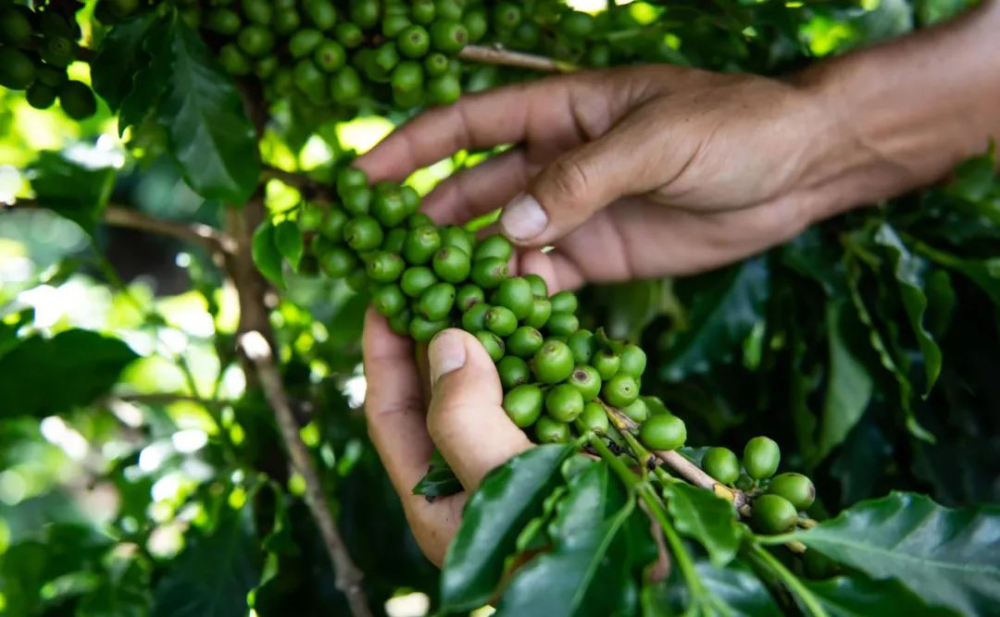
It has been over two hundred years since coffee was first introduced to Costa Rica from Cuba for cultivation, and it has now become one of Costa Rica's main export commodities. Notably, Costa Rican law explicitly stipulates that planting coffee varieties other than Arabica is prohibited within the country. This means growing and producing Robusta coffee is illegal locally, showing the local commitment to maintaining high coffee quality.
From the map, you can observe that Costa Rica's territory is elongated, and its coffee growing areas are also distributed in a narrow strip in the central region. There are five main growing regions: Central Valley, TRES RÍOS, WEST VALLEY, TARRAZÚ and BRUNCA, as well as three smaller regions: Turrialba, Orosi and Guanacaste. Among them, the Tarrazú region is the largest and best known locally. The Costa Rican daily coffee beans on FrontStreet Coffee's menu come from here.
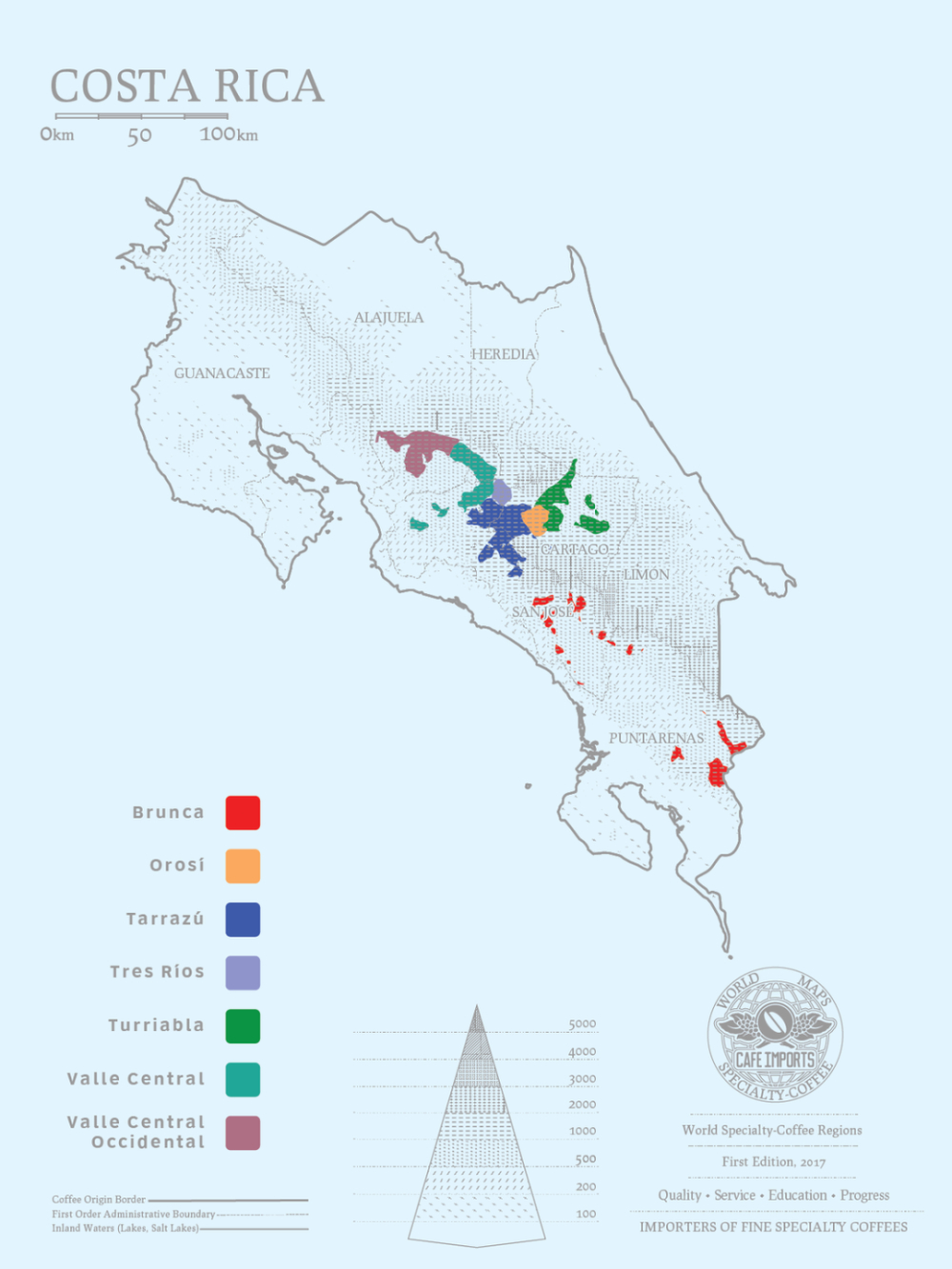
Tarrazú is located south of the country's capital, San José, and is one of the most valued coffee growing areas locally. Tarrazú has high-altitude growing conditions of 1200-1700 meters, a cool climate and nutrient-rich volcanic ash soil, giving coffee a diverse acidity and a rounded body. With the development of specialty coffee, continuous innovation and progress in processing techniques have earned Tarrazú coffee a good reputation in the coffee community.
What Coffee Varieties Are There in Costa Rica?
Like many Central and South American growing regions, Costa Rica primarily grows common coffee varieties such as Bourbon, Caturra and Catuai, as well as two local varieties: Villasarchi and Villalobos. FrontStreet Coffee's Costa Rican daily coffee beans mix two common varieties, Caturra and Catuai, using a washed processing method.
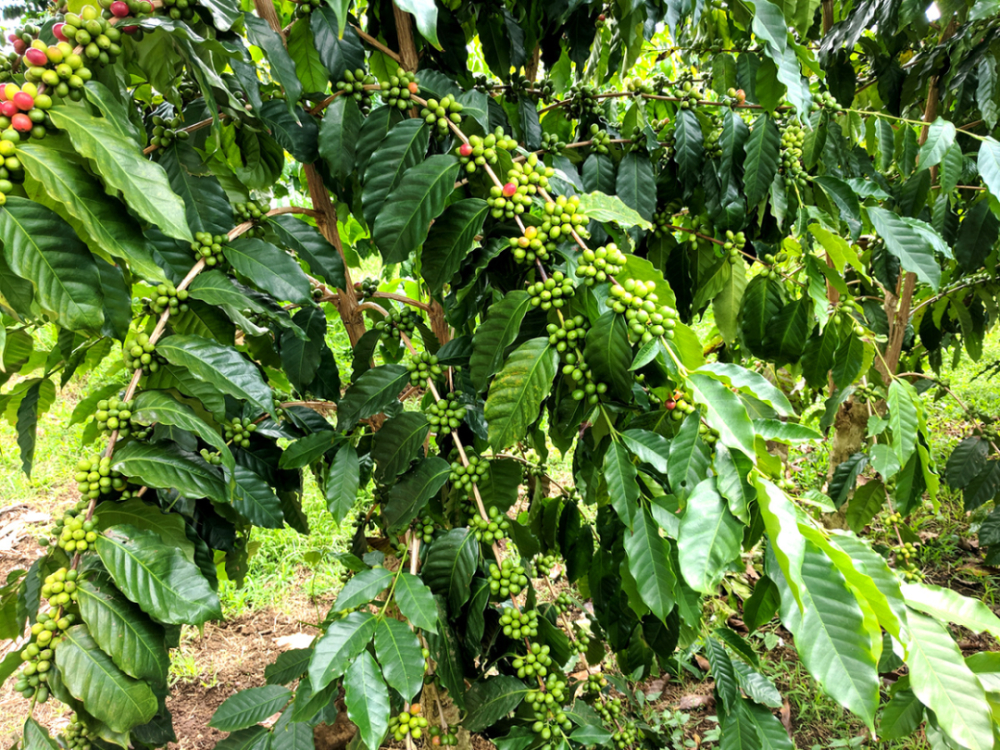
Caturra is a natural mutation of the Arabica variety Bourbon, discovered in Brazil in 1937. Its tree shape is shorter than Bourbon, and while it inherits Bourbon's weaker resistance, its yield is higher. Caturra's flavor mainly presents fruity notes and a berry-like acidity. Catuai is a hybrid variety of Mundo Novo and Caturra, also inheriting Caturra's short tree characteristics but with higher resistance and solid fruits that don't easily fall off. In terms of flavor, Catuai is more monotonous than Caturra, with nutty notes as the main characteristic, lacking Caturra's rich layered complexity. The mixture of these two varieties makes Tarrazú coffee more balanced and smooth.
Coffee is Graded by Growing Altitude in Costa Rica
Generally, coffee cherries mature differently at various altitudes. Coffee beans from higher-altitude regions are denser and harder, while also possessing more fruit flavors. Therefore, Costa Ricans believe the higher the altitude, the higher the coffee quality. Costa Rican coffee beans imported domestically are generally selected from the high-quality "Strictly Hard Bean" (SHB) grade, with farm growing altitudes between 1500 and 2100 meters.
Grade: Strictly Hard Bean (SHB) - Altitude: Above 1200 meters
Grade: Good Hard Bean (GHB) - Altitude: 1000-1200 meters
Grade: Medium Hard Bean (MHB) - Altitude: 500-900 meters
Widely Adopted Honey Processing
In the 1990s, Brazil invented the pulped natural method. In 2000, Costa Rica introduced it and improved every subtle detail, gradually developing it into today's popular honey processing.
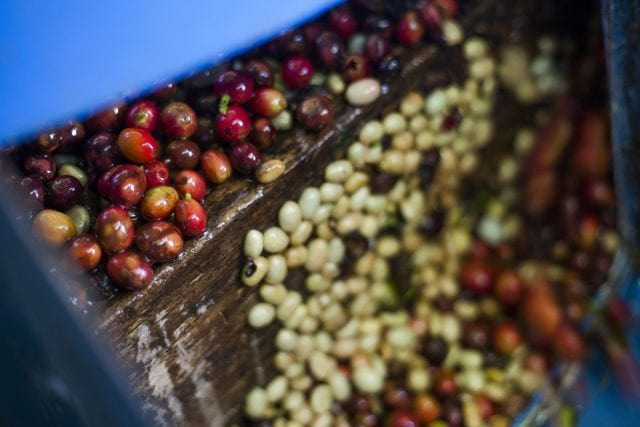
When producers use honey processing to make green beans, they first pour fresh coffee cherries into water tanks for flotation, removing unripe fruits and impurities. Then they use a pulping machine to remove the outermost layer of the fruit. At this point they don't use large amounts of water to wash away the mucilage but instead preserve it for drying. Because the mucilage contains sugar and has a sticky consistency, it easily reminds people of honey, hence the name honey processing. Compared to the washed method, honey processing doesn't require large amounts of fresh water and related equipment, and it also reduces defect flavors that come from prolonged exposure to sunlight. Moreover, honey-processed coffee generally presents full tropical fruit flavors and fermented sweetness, which is very popular among consumers in the market.
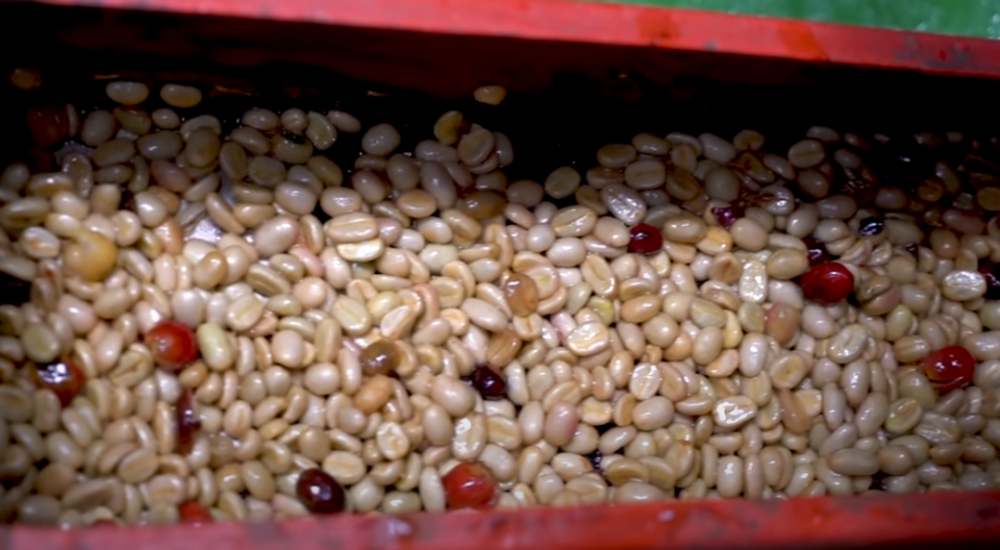
The reason FrontStreet Coffee's Costa Rican daily coffee beans don't use honey processing is that FrontStreet Coffee believes daily coffee beans are a series for everyone to learn and get started with. By tasting their original aroma, you can get to know a coffee bean and the characteristics of its growing region. Although honey processing wins rich aroma for coffee beans, FrontStreet Coffee thinks washed Tarrazú coffee better presents the inherent characteristics of the beans here, showing the classic flavor profile of Costa Rican coffee.
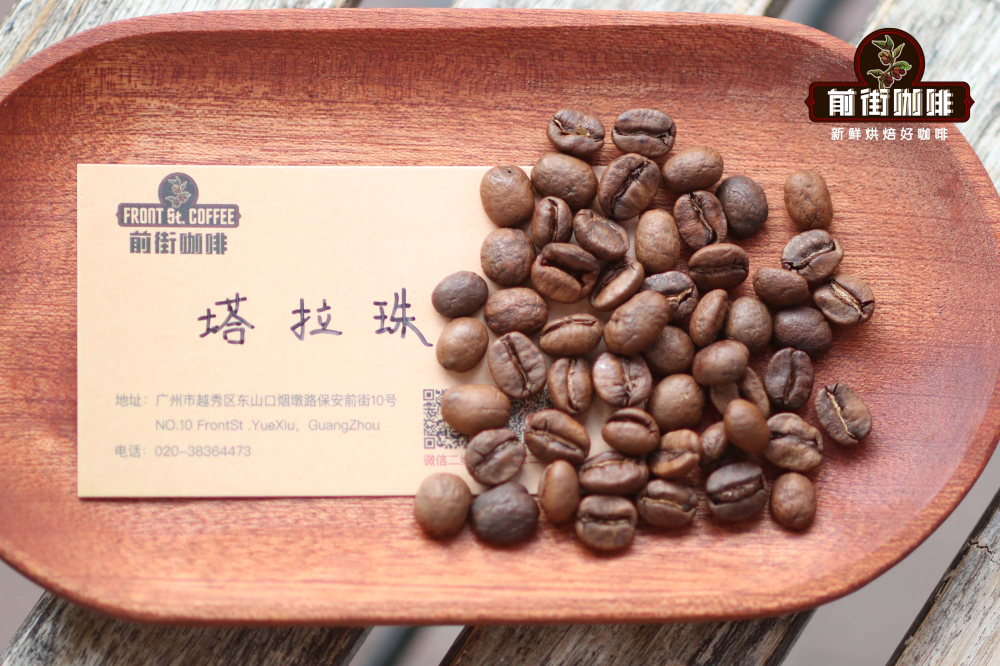
Pour Over Reference
Dripper: V60
Water Temperature: 91°C
Dose: 15 grams
Ratio: 1:15
Grind Size: 80% pass through a #20 standard sieve
After roasting is complete, coffee beans have a 4-7 day degassing period before entering the optimal flavor stage. As storage time increases, the coffee's aroma will accelerate evaporation and its flavor profile will also be greatly diminished. FrontStreet Coffee ensures that everyone gets to drink coffee at its best by only shipping beans freshly roasted within 5 days. Fresh coffee beans are more beneficial for extracting the high-quality flavors of Yirgacheffe.
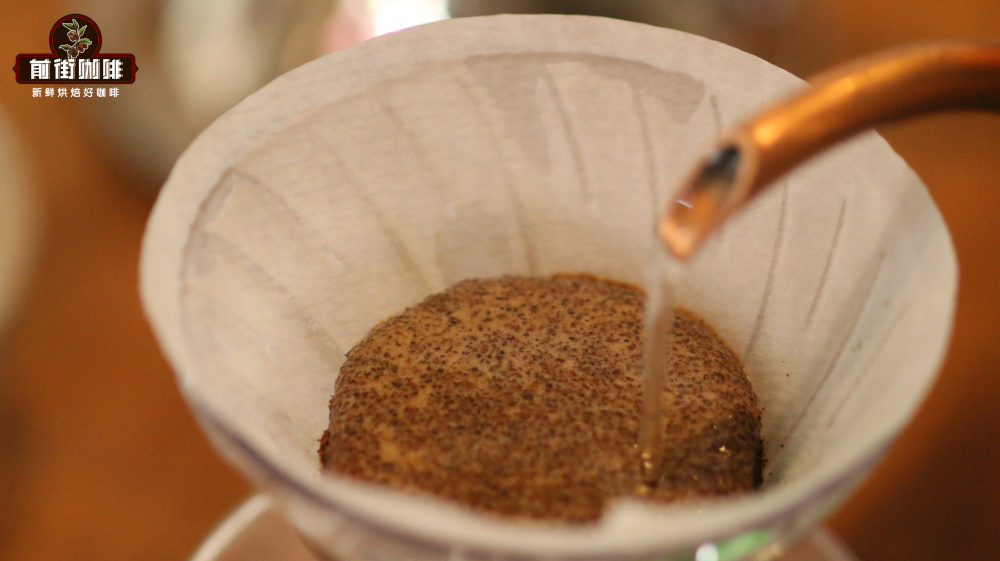
In brewing, FrontStreet Coffee's baristas are accustomed to using a three-stage pouring technique:
The first stage injects 30g of water for a 30-second bloom, then inject 95g (electronic scale shows around 125g), completing the injection in about 1 minute. When the water level drops to 2/3 of the coffee bed, inject the remaining 100g (electronic scale shows around 225g), completing the injection in about 1 minute 35 seconds. The drip completes at 2'10", remove the dripper, and extraction is complete.

After grinding, the washed Tarrazú daily coffee beans emit nutty and chocolate aromas. The entry is clear and clean with berry, sweet orange and melon sweetness and acidity, with a light sweet aftertaste.
FrontStreet Coffee Recommendation
For a straightforward taste of what Costa Rica does well, FrontStreet's Costa Rican daily coffee beans come from the Tarrazú region, the country's largest and best-known growing area, and mix the Caturra and Catuai varieties. Caturra is a natural mutation of Bourbon discovered in Brazil in 1937, with fruity notes and a berry-like acidity; Catuai, a hybrid of Mundo Novo and Caturra, is more restrained, with nutty notes. Together they make the cup more balanced and smooth. Processed washed rather than honey, so the region's inherent character shows clearly, it has aromas of nut and chocolate and a clean entry with berry, sweet orange and melon sweetness and acidity.
To taste how honey processing changes the picture, FrontStreet's Strawberry Candy Geisha blend combines a honey-processed coffee from Costa Rica with a washed Geisha from Panama. FrontStreet roasts it medium, and the cup carries a delicate floral note alongside sweet fruit, suiting pour-over, a moka pot, an espresso machine and cold brew.
And for anyone exploring Geisha itself, FrontStreet's Boquete Geisha is an entry-level Panama Geisha with orange-blossom honey balance, an oolong-tea-like body and clearly separated fruit layers, while FrontStreet's Genlana Gesha from Ethiopia shows the variety's brighter side: a citrus acidity, ginger flower aroma and ripe fruit sweetness with a fine, silky body.
Important Notice :
FrontStreet Coffee is a long-established specialty coffee roaster in Guangzhou China, selling freshly roasted beans from its own farm in Yunnan as well as dozens of carefully selected single-origin beans from around the world for both pour-over and espresso. The products deliver consistently excellent quality and great value, with shipping within 24 hours. Guangzhou's FrontStreet Coffee shop is recommended by many coffee lovers, and the beans are now available online at the Tmall 。
FrontStreet Coffee has moved to a new address:
FrontStreet Coffee Address: 315,Donghua East Road,GuangZhou
Tel:020 38364473
 Scan and follow the En Gafei WeChat official account. Please indicate that the reprint comes from "En Gafei".